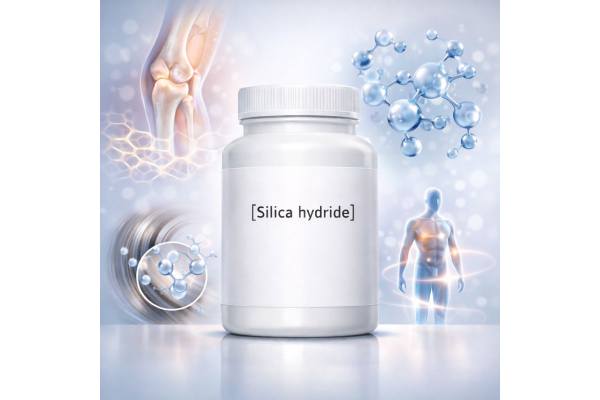
Silica hydride is a niche dietary supplement that sits at the intersection of chemistry, alternative health, and modern antioxidant marketing. It is usually promoted as a powerful source of “negative hydrogen” or “active hydrogen,” said to neutralize free radicals, boost cellular energy, and slow aging. Capsules commonly contain a silica–hydrogen complex derived from specially treated silicate minerals and are sold under names such as Mega-H, Microhydrin, or similar proprietary blends.
In laboratory settings, silica hydride has shown strong antioxidant activity in cell models, and some small studies suggest effects on cellular metabolism. However, there is very limited clinical research in humans, and the compound itself is chemically unusual and controversial. This means that while the marketing language can sound impressive, the real-world benefits and long-term safety remain uncertain.
This guide walks you through what silica hydride is, what the science actually shows, how it is used in supplements, typical dosage ranges, potential side effects, and who should approach it with extra caution.
Silica Hydride Quick Summary
- Silica hydride is a synthetic silica–hydrogen compound sold as an antioxidant and cellular energy supplement, mostly supported by laboratory rather than human data.
- In vitro experiments show strong free radical scavenging and mitochondrial effects, but human studies are few and have not demonstrated clear performance or disease-prevention benefits.
- Typical supplement ranges are around 200–250 mg per capsule, with many products suggesting 250–500 mg once or twice daily, but no official or medical dosing guideline exists.
- People who are pregnant, breastfeeding, living with serious chronic disease, or taking multiple medications should avoid silica hydride unless a qualified clinician specifically recommends and monitors it.
Table of Contents
- What is silica hydride and how does it work?
- Purported benefits and claims for silica hydride
- How to take silica hydride and dosage
- Practical uses, examples, and alternatives
- Side effects, safety, and who should avoid silica hydride
- What the science says and critical perspectives
What is silica hydride and how does it work?
Silica hydride is not a natural vitamin or mineral. It is a laboratory-engineered compound in which negatively charged hydrogen species are embedded within a porous silica (silicon–oxygen) matrix. Developers describe it as an “organosiliceous anionic hydride” or as silica that “traps” hydride ions inside cage-like structures. The finished material is ground into a fine powder and encapsulated, sometimes blended with other minerals.
From a marketing perspective, silica hydride is promoted as a way to deliver “negative hydrogen,” often linked to claims about improved redox balance, reduced oxidative stress, and enhanced cellular energy. In chemical terms, hydride (H⁻) is extremely reactive and, in ordinary water, would rapidly react to form hydrogen gas and hydroxide ions. Supporters argue that embedding hydride in a solid silica lattice stabilizes it enough to survive long enough to interact with biological systems.
In laboratory experiments, silica hydride preparations show strong ability to neutralize various reactive oxygen species in cell cultures. Studies using photosensitized cells report substantial reductions in singlet oxygen, hydroxyl radicals, and related species when cells are treated with specific concentrations of silica hydride. These tests suggest that, at least in vitro, the material can act as a potent antioxidant and may help maintain cell viability under oxidative stress.
Other experimental work with isolated mitochondria indicates that silica hydride may shift the balance of energy-related molecules (such as NADH/NAD⁺) and increase ATP production under controlled conditions. These observations are part of the rationale for marketing silica hydride as an “energy” supplement.
However, what happens in a test tube or isolated mitochondria is not the same as what happens in a living human. It remains uncertain how much of the ingested compound survives digestion, how it is distributed, and whether the same antioxidant or metabolic effects occur at realistic oral doses. In addition, independent chemists have raised questions about whether hydride ions can truly remain stable in the watery environment of the body, or whether any effects are actually due to transient hydrogen gas and changes in alkalinity.
Because of these uncertainties, it is best to view silica hydride as a novel, experimental antioxidant compound rather than a well-established nutrient.
Purported benefits and claims for silica hydride
Silica hydride supplements are often marketed with broad, ambitious promises. Common claims include more energy, better athletic performance, improved detoxification, slowed aging, sharper thinking, and support for overall wellness. Some promotional materials present it almost as a universal antioxidant solution, sometimes comparing it favorably with classic nutrients like vitamin C or vitamin E.
The strongest data behind these claims come from laboratory and animal experiments. In cell models, silica hydride consistently shows high free radical–scavenging capacity, protecting cells from damage induced by singlet oxygen and hydroxyl radicals. Measurements of cell survival, membrane integrity, and oxidative markers generally improve when test cells are pre-treated with silica hydride at specific concentrations. These effects support the idea that the compound can act as an antioxidant under controlled conditions.
Some experimental work also suggests that silica hydride can increase mitochondrial ATP production and alter NADH/NAD⁺ ratios in isolated organelles. Because ATP is the main cellular “energy currency,” these findings are often translated into marketing language about “more energy” or “enhanced endurance.” However, the leap from mitochondrial assays to real-world stamina is large, and the supporting human data are sparse.
A small human trial in well-trained cyclists examined a related silica hydride–based supplement (often branded as Microhydrin). Participants consumed relatively high doses over a short period and then performed prolonged cycling at a demanding intensity. In that study, time-trial performance, heart rate, oxygen uptake, and perceived exertion were not meaningfully improved compared with placebo. Blood lactate levels were lower with the supplement, which suggests a metabolic effect, but this did not translate into clear performance gains.
In the realm of general wellness, silica hydride is advertised for immune support, “detoxification,” or anti-aging. Here, the evidence is especially thin. Claims often extrapolate from antioxidant lab data or isolated findings on oxidative markers, rather than from robust human trials on clinical outcomes such as reduced illness, better recovery, or slower disease progression.
Some cosmetic and experimental oncology studies involve hydrogen-occluding silica microclusters, mainly in cell or animal models looking at pigmentation or tumor behaviors. While intriguing, these are early-stage and highly specialized, and they cannot be taken as proof that oral silica hydride supplements will produce similar effects in humans.
Overall, the potential benefits of silica hydride are best described as speculative. Laboratory evidence supports strong antioxidant activity and some influence on cellular metabolism. Human research, however, has not yet confirmed clear, consistent advantages for performance, disease prevention, or longevity.
How to take silica hydride and dosage
Because silica hydride is not an essential nutrient and has no official health authority recognition, there is no medically established dosage. Recommendations come from manufacturers and secondary sources, and they vary by product. Most commercial capsules contain about 200–250 mg of silica hydride complex, sometimes combined with other minerals or carriers.
Common label instructions suggest taking one or two capsules once or twice daily, usually on an empty stomach with plenty of water. For example, some brands recommend around 250–500 mg per day for general antioxidant support, with “optional” higher intakes in the range of 500–1,000 mg daily for short periods. Research overviews also mention typical supplemental intakes around 250 mg twice per day.
When interpreting these numbers, it is important to remember that they are marketing-driven, not evidence-based therapeutic doses. In vitro experiments use micromolar concentrations in tightly controlled environments, which cannot be directly translated into human milligram doses. Human trials using related silica hydride products have often employed relatively high amounts (several grams over 48 hours), but these were short-term experiments, not long-term supplementation programs.
If someone, after discussing risks and uncertainties with a clinician, still chooses to try silica hydride, a cautious approach is sensible:
- Start at the lower end of the manufacturer’s range (for example, one 200–250 mg capsule once daily).
- Take it with water, at least a few hours apart from prescription medicines and other supplements, unless a doctor advises otherwise.
- Avoid “loading” phases or megadoses, since there is no proven benefit and long-term safety data are limited.
- Reassess after several weeks for any subjective benefit, side effects, or changes in routine lab tests if those are being monitored.
Silica hydride products often advise avoiding use late in the evening in case of perceived “energizing” effects, although this is largely anecdotal. Some users prefer to take it with breakfast or before daytime exercise.
Because silica hydride is frequently combined with other ingredients (trace minerals, vitamin blends, or molecular hydrogen tablets), it is essential to read the full label and consider the total exposure to each component. For people already taking multiple supplements, adding silica hydride may complicate the overall regimen without clear added benefit.
Finally, silica hydride should not be used as a substitute for medically indicated treatments. Any dosage decision should be made jointly with a healthcare professional, especially in the presence of chronic illness, pregnancy, or polypharmacy.
Practical uses, examples, and alternatives
Most people who consider silica hydride fall into a few broad groups: those looking for a strong antioxidant, athletes interested in recovery and performance, and individuals drawn to “advanced” or unconventional longevity supplements. Understanding how it realistically fits into a wellness routine can help set expectations and highlight when alternatives may be more appropriate.
For general antioxidant support, silica hydride is usually taken alongside standard nutrients such as vitamin C, vitamin E, selenium, and plant-based polyphenols. Some users are attracted by the idea of a “hydrogen-based” antioxidant that works at the mitochondrial level. In practice, however, the best-documented strategies for reducing oxidative stress still include lifestyle pillars: whole-food diets rich in fruits and vegetables, adequate sleep, regular exercise, and avoidance of smoking and excess alcohol.
Athletes sometimes experiment with silica hydride or Microhydrin-type products based on reports of lower lactate levels or reduced markers of oxidative stress after intense exercise. The cycling study mentioned earlier did find lower blood lactate with supplementation, but performance outcomes such as completion time and perceived exertion did not improve. For most athletes, well-tested strategies such as structured training, carbohydrate periodization, and evidence-based ergogenic aids (like caffeine in appropriate doses) have much stronger support.
Some people explore silica hydride because they are interested in hydrogen-related therapies more broadly. Here, it is important to distinguish between silica hydride and better-studied approaches such as molecular hydrogen gas inhalation or hydrogen-rich water. Clinical and preclinical research on molecular hydrogen has grown rapidly and covers diverse conditions, whereas silica hydride itself has only a small cluster of publications, many involving the same research group and often funded or supported by product developers.
If your main goal is robust antioxidant and mitochondrial support, alternatives with a stronger human evidence base include:
- Vitamin C, vitamin E, and mixed carotenoids from diet and targeted supplementation when indicated.
- Coenzyme Q10 and related compounds (for example, in certain cardiometabolic contexts).
- N-acetylcysteine (NAC) for specific indications under medical supervision.
- Well-formulated molecular hydrogen tablets or hydrogen-rich water, which have been tested in more human trials than silica hydride, though still an emerging area.
In all cases, supplements should be viewed as additions to, not replacements for, foundational habits and prescribed medical care. Silica hydride, given its limited clinical track record and conceptual controversies, is best understood as an experimental option that may appeal to early adopters but is not necessary for most people to achieve good health or healthy aging.
Side effects, safety, and who should avoid silica hydride
One of the challenges in evaluating silica hydride is that formal safety data in humans are sparse. No major toxicity signals have emerged in the limited published work or in standard supplement-watch lists, but absence of evidence is not the same as evidence of long-term safety.
Short-term human studies with silica hydride–based products have generally reported good immediate tolerance. Participants did not show major changes in routine blood markers, and serious adverse events have not been highlighted in the scientific literature. That said, most trials have involved small numbers of subjects and relatively short durations, sometimes only days to a few weeks.
Informal reports and product information occasionally mention mild digestive symptoms (such as nausea or loose stools) or transient headaches when starting the supplement. These are nonspecific effects common to many new supplements and may not be unique to silica hydride. Because the compound alters redox and pH-related chemistry in vitro, sensitive individuals might notice subjective changes in energy or sleep, though these impressions are difficult to verify objectively.
Several factors argue for a cautious stance:
- Silica hydride is chemically unusual, and experts in conventional chemistry have questioned whether its proposed hydride-based mechanism is realistic in the watery environment of the body.
- Long-term accumulation or interaction with existing silica exposures (from food additives, water, or other sources) has not been well studied.
- Most data come from a small circle of researchers and product developers, increasing the need for independent replication.
Given these uncertainties, the following groups are generally advised to avoid silica hydride unless a specialist explicitly recommends and supervises its use:
- Pregnant or breastfeeding individuals, because fetal and infant safety data are lacking.
- Children and adolescents, for whom non-essential experimental supplements are rarely justified.
- People with significant kidney or liver disease, since altered organ function can change how unusual compounds are processed and eliminated.
- Individuals with autoimmune conditions or complex chronic illnesses, where unpredictable immune or redox effects may be problematic.
- Anyone taking multiple prescription medications, especially drugs with narrow therapeutic windows, due to the theoretical risk of altered absorption or metabolism.
Even for otherwise healthy adults, it is wise to discuss silica hydride with a physician, pharmacist, or qualified nutrition professional before starting it. Bringing product labels and being prepared to explain why you are interested can help your clinician weigh potential benefits against unknowns and consider whether more established options could meet your goals.
Ultimately, the most prudent view is that silica hydride appears unlikely to cause acute harm at usual supplemental doses in healthy adults, but its long-term safety profile remains insufficiently characterized, particularly for vulnerable groups.
What the science says and critical perspectives
Across the scientific literature, silica hydride is associated with a small but distinct cluster of studies, many from the early 2000s and often involving the same investigators. These publications consistently show strong antioxidant effects in vitro. Cell culture experiments using specialized fluorescence and photosensitization techniques report that silica hydride can dramatically reduce reactive oxygen species and improve cell survival under oxidative stress. Additional work with isolated mitochondria suggests shifts in redox pairs and increased ATP production.
From a purely experimental standpoint, these findings are interesting. They demonstrate that the silica hydride materials studied can interact with reactive oxygen species and cellular metabolism in measurable ways under laboratory conditions. Subsequent research in other fields, such as bioactive glasses and hydrogen-occluding silica materials, sometimes cites these early papers as evidence that silica-containing matrices can influence redox biology.
However, when one looks specifically for well-designed, independent human trials testing silica hydride as an oral supplement, the picture becomes much more cautious. Published clinical work is limited to small studies, often with short duration and modest sample sizes. In endurance athletes, supplementation did not improve key outcomes such as performance time or oxygen uptake, though some metabolic markers changed. There are no large, long-term randomized trials showing that silica hydride prevents disease, improves survival, or meaningfully alters hard clinical endpoints.
Broader reviews of hydrogen medicine place far more emphasis on molecular hydrogen (H₂) delivered as gas or dissolved in water than on silica hydride. These reviews describe hundreds of studies and an expanding body of human data across cardiovascular, neurological, and metabolic conditions. Within this context, silica hydride is mentioned mainly as one historical or niche approach to hydrogen delivery, not as a central therapeutic strategy.
Independent overviews aimed at clinicians and informed consumers tend to highlight several concerns:
- The underlying hydride-ion narrative conflicts with basic aqueous chemistry, raising questions about whether the proposed mechanism is accurate.
- Marketing often extrapolates from in vitro antioxidant capacity to sweeping health claims without the necessary human evidence.
- Claims linking silica hydride to legendary “long-lived” populations and miracle waters are not supported by rigorous demographic or epidemiological data.
At the same time, laboratory findings cannot simply be dismissed; they do show that these materials can modulate oxidative stress in controlled systems. The challenge is translating those results into realistic expectations for oral supplements in real people.
A balanced interpretation is that silica hydride represents an early, somewhat speculative attempt to harness hydrogen-related chemistry for biological benefit. It helped stimulate some of the interest that later moved toward better-characterized molecular hydrogen approaches, which now dominate hydrogen medicine research. For today’s consumer, this means silica hydride should be considered experimental and unproven. It might have niche applications in the future if more rigorous human trials emerge, but at present it should not be relied on as a primary therapy or as a replacement for well-supported medical and lifestyle interventions.
References
- Antioxidant capability and efficacy of Mega-H silica hydride, an antioxidant dietary supplement, by in vitro cellular analysis using photosensitization and fluorescence detection 2002 (In vitro study)
- Antioxidant capacity of silica hydride: a combinational photosensitization and fluorescence detection assay 2003 (In vitro study)
- Evaluation of hydroxyl radical-scavenging abilities of silica hydride, an antioxidant compound, by a Fe2+-EDTA-induced 2-hydroxyterephthalate fluorometric analysis 2003 (In vitro study)
- Effects of microhydrin supplementation on endurance performance and metabolism in well-trained cyclists 2004 (Clinical Trial)
- The On/Off History of Hydrogen in Medicine: Will the Interest Persist This Time Around? 2023 (Review)
Disclaimer
The information in this article is for educational purposes only and is not a substitute for personal medical advice, diagnosis, or treatment. Silica hydride is not an essential nutrient and is not approved by major regulatory authorities to prevent, treat, or cure any disease. Never ignore or delay seeking professional medical advice because of information you have read here.
If you are considering silica hydride or any new supplement, especially if you are pregnant, breastfeeding, under 18, living with chronic illness, or taking prescription medications, consult a qualified healthcare professional first. Only your own clinician can assess whether a specific product is appropriate for your situation and how it might interact with your medical history and current therapies.
If you found this overview helpful, you are warmly encouraged to share it with others on Facebook, X (formerly Twitter), or any platform you prefer, and to follow our work on social media. Thoughtful shares and recommendations help support our ability to continue creating clear, balanced, and evidence-informed health content.