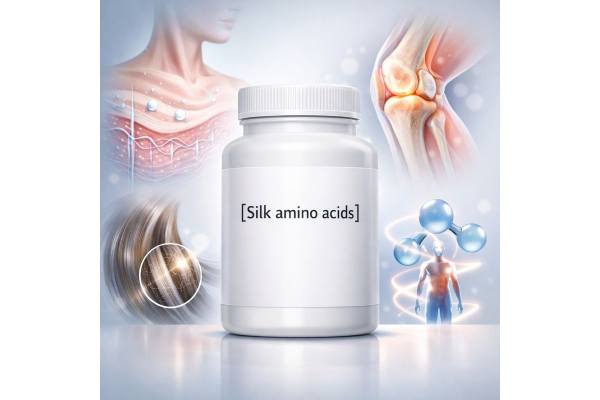
Silk amino acids have moved from luxury fabrics to beauty formulas and nutrition shelves. These low-molecular-weight peptides are extracted from the cocoon of the silkworm and concentrated into liquids, powders, and capsules. They are promoted for smoother skin, stronger hair, and even better workout recovery. At the same time, they are still a relatively niche supplement, with early human research and a much longer history in cosmetics and biomaterials.
This guide walks through what silk amino acids are, how they appear to work, and what current science actually supports. You will see how they compare with popular options like collagen, where they may offer unique advantages, and where evidence is limited. You will also get clear dosage ranges from real products and trials, safety considerations, and practical ways to use them in your routine. By the end, you should be able to decide whether silk amino acids belong in your personal skin, hair, or performance plan.
Key Insights on Silk Amino Acids
- Silk amino acids are small peptides derived from silk proteins that may support skin hydration, barrier function, and hair smoothness.
- Early trials suggest immune and exercise effects from oral silk peptide, but overall human evidence is still limited and short term.
- Typical oral doses range from about 500 mg to 7.5 g silk peptides per day, usually taken with food and divided if higher.
- Short-term use appears well tolerated in studies, but people with protein allergies, kidney disease, or complex medical conditions should be cautious.
- Individuals with known silk or insect allergies, pregnant or breastfeeding women, and those on immune-modulating or kidney-related treatment should avoid silk amino acids unless a clinician explicitly approves.
Table of Contents
- What are silk amino acids and how do they work?
- What benefits do silk amino acids offer?
- How to use silk amino acids day to day
- Silk amino acids dosage and timing guide
- Side effects, safety, and who should avoid them
- How silk amino acids compare to collagen and other supplements
- How to choose a quality silk amino acids supplement
What are silk amino acids and how do they work?
Silk amino acids are mixtures of very small peptides and free amino acids derived from silk proteins, usually from the silkworm species Bombyx mori. Natural silk thread is built mainly from two proteins:
- Fibroin, which forms the strong inner core.
- Sericin, a more soluble protein that acts like glue around the fibers.
When manufacturers hydrolyze (enzymatically or chemically break down) these proteins, they obtain low-molecular-weight chains known as silk amino acids or silk peptides. Because these fragments are small, they dissolve easily in water and can penetrate the outer layers of skin and hair or be absorbed in the gut more readily than intact protein.
A typical silk amino acid mixture is rich in glycine, alanine, and serine. These amino acids are also abundant in the skin’s natural moisturizing factor and in hair keratin. This similarity underpins several proposed actions:
- Humectant effect: The peptides bind and hold water, helping the stratum corneum (outer skin layer) stay hydrated and flexible.
- Film-forming protection: On hair and skin, silk peptides can form a light, breathable film that reduces moisture loss and increases smoothness and shine.
- Biological signaling: In lab and animal models, silk proteins can influence cell behavior, including keratinocytes, fibroblasts, and immune cells. This may contribute to barrier repair, wound healing, and collagen production.
- Systemic effects when taken orally: Human clinical trials using purified silk peptides have explored support for natural killer cell activity and exercise performance, suggesting that these peptides may act as mild “functional” ingredients rather than simple protein calories.
It is important to distinguish topical silk amino acids (in serums, creams, shampoos) from oral silk peptide supplements. Topical products primarily affect the surface and upper skin layers. Oral supplements may exert broader systemic effects but have a smaller and newer evidence base, and doses used in research differ from those in cosmetic products.
What benefits do silk amino acids offer?
Silk amino acids are marketed mainly for cosmetic and wellness benefits. The strongest support currently lies in skin and hair care, with early but interesting data in immunity, metabolism, and exercise performance.
1. Skin hydration and barrier support
Topical and dietary use of silk-derived proteins has been associated in research with:
- Improved skin hydration and reduced transepidermal water loss.
- Support for barrier proteins that help retain moisture.
- Softer, smoother skin texture and reduced roughness.
Sericin and fibroin-based formulations have shown moisturizing and barrier-enhancing properties in both cosmetic and biomedical contexts. Some oral sericin work in animals suggests higher levels of natural moisturizing factors in the epidermis, supporting the idea that silk peptides can work from inside and outside.
2. Hair smoothness and protection
Because silk amino acids resemble parts of hair keratin, they can interact with the hair shaft:
- Forming a thin, protective film that reduces friction and frizz.
- Helping hair feel smoother and more manageable.
- Providing some shielding from mechanical damage and environmental stress.
Shampoos, conditioners, and leave-in products often combine silk amino acids with conditioning agents. In this context, silk peptides act more as a functional cosmetic ingredient than a nutrient.
3. Immune system modulation
Clinical trials in adults given oral silk peptide for several weeks have evaluated markers such as natural killer (NK) cell activity and cytokine levels. In one study, a subgroup that had not received a seasonal influenza vaccine showed a meaningful rise in NK cell activity and favorable shifts in immune signaling molecules after silk peptide supplementation. Another redesigned trial using 7.5 g per day reported enhanced NK cell activity over eight weeks in healthy adults.
These findings suggest a potential immune-supportive role for silk peptides, especially in individuals with normal but suboptimal immune activity. However, trials are small, relatively short, and focused on lab markers rather than clinical outcomes such as infection rates. They should be interpreted as preliminary.
4. Exercise performance and metabolism
Silk peptide has also been tested in endurance-trained animals. In one study, two weeks of silk peptide treatment along with treadmill training increased maximal oxygen uptake and shifted energy use toward greater fat oxidation during exercise. Translating these results to humans requires caution, but they support marketing claims that silk peptides may modestly influence exercise capacity and recovery.
5. Wound care and tissue applications
Silk fibroin and sericin are widely studied as biomaterials in wound dressings and tissue scaffolds. Fibroin-based materials can support wound healing, reduce inflammation, and encourage organized tissue repair. While this is different from taking silk amino acids as a supplement, it strengthens the overall picture of silk proteins as biologically active and biocompatible.
Overall, silk amino acids appear most promising for:
- Skin hydration and texture, particularly when used topically.
- Cosmetic hair improvements.
- Potential immune and performance support with oral silk peptide, pending larger, longer human studies.
How to use silk amino acids day to day
If you decide to try silk amino acids, it helps to be clear about your main goal and choose the route and format that fit it best. Most people encounter silk amino acids in three ways: topical cosmetics, oral supplements, and combined routines.
1. For skin benefits
If your primary goal is improved skin hydration, smoothness, or barrier support:
- Start with topical products (serums, creams, essences) containing silk amino acids, sericin, or silk peptide high on the ingredient list.
- Apply after cleansing and any water-based serums, then lock in with a moisturizer.
- For dry or sensitive skin, look for formulations that pair silk peptides with ceramides, hyaluronic acid, or niacinamide.
Topical use allows you to see and feel changes locally and usually carries minimal systemic risk, especially at cosmetic concentrations.
2. For hair strength and shine
For hair-focused goals:
- Choose shampoos and conditioners that highlight silk amino acids or hydrolyzed silk proteins.
- Use a leave-in treatment or mask once or twice per week, focusing on mid-lengths and ends.
- Comb hair gently while the product is in to help distribute the film-forming peptides.
Consistent use over several wash cycles is typically needed to notice a smoother texture and reduced frizz.
3. For systemic or performance goals
If you are interested in potential immune or exercise effects:
- Consider oral silk peptide powders or capsules standardized to a defined amount of silk peptides per serving.
- Take them with meals to reduce any digestive discomfort.
- Combine them with a consistent training program and overall balanced nutrition rather than expecting performance changes from the supplement alone.
Because human trials have used grams rather than milligrams of silk peptide per day, you will want to compare product labels to real study doses (explained in the dosage section below).
4. Combining topical and oral use
Some people combine a low-dose oral silk peptide with cosmetic use, for example:
- A silk amino acid serum or cream twice daily.
- A moderate oral dose once daily with breakfast.
This combined approach may make sense if you want both local cosmetic effects and potential systemic benefits. However, it also increases total exposure, so you should pay attention to any skin irritation, digestive changes, or allergy symptoms.
5. How long to try before judging effects
- For skin and hair, allow at least 4–8 weeks of consistent topical use.
- For oral immune or performance effects, research trials often run for 6–8 weeks.
Keeping photos, simple notes on skin feel, or training logs can help you distinguish real changes from day-to-day variation.
Silk amino acids dosage and timing guide
There is no official recommended daily intake for silk amino acids. Dosage guidance comes from:
- Clinical trials using purified silk peptide.
- Typical amounts found in commercially available supplements and cosmetic products.
1. Oral dosage ranges from research
Human immune-related trials with silk peptide have used:
- Around 7.5 g per day of silk peptide powder, often divided into two or three servings, over 8 weeks in healthy adults.
- Earlier work used similar multi-gram doses, sometimes higher, though not all trials showed clear benefits at the group level.
These doses are substantially higher than what many cosmetic-style “beauty powders” provide per serving. If a product supplies only 250–500 mg (0.25–0.5 g) of silk peptide, it may be more of a token inclusion than a research-matched dose.
2. Practical oral dosage ranges
For adults without relevant medical issues, reasonable ranges, based on current evidence and product norms, are:
- Low range: 500–1,000 mg (0.5–1 g) per day, often in beauty blends with collagen or vitamins.
- Moderate range: 1–3 g per day, taken in one or two doses.
- High range (research level): 5–7.5 g per day, usually as a single-ingredient silk peptide product.
When in doubt, starting in the low to moderate range and adjusting only if well tolerated is sensible. Always follow the manufacturer’s maximum daily instructions unless your clinician advises otherwise.
3. Timing
- For general wellness or skin goals, silk amino acids can be taken with any main meal.
- For exercise-related goals, some people prefer 30–60 minutes before training, aligning with animal studies where silk peptide preceded exercise sessions.
- Splitting higher total daily doses into two or three smaller servings may improve comfort and absorption.
4. Topical “dosage”
Topical dosing is about frequency and placement rather than milligrams:
- Serums or essences: Usually once or twice daily on face and neck.
- Creams or masks: Several times per week, adjusted to your skin’s tolerance.
- Hair products: Every wash for shampoo and conditioner; weekly or biweekly for intensive masks.
Choose thickness and frequency according to your skin type. Oily or breakout-prone skin may prefer lighter, water-based formulas.
5. Special populations
Dose adjustments or extra caution are especially important for:
- People with reduced kidney function: Extra protein and peptide loads can be an issue; medical guidance is essential.
- Older adults with multiple medications: Check for potential interactions and ensure total daily protein intake stays within a safe range.
- Individuals with food allergies or atopic conditions: Start with topical spot tests and very low oral doses, if any, under supervision.
Because long-term data are limited, it is wise to periodically review your use with a health professional, especially if you plan to take multi-gram doses for more than a few months.
Side effects, safety, and who should avoid them
Overall, silk proteins have a strong reputation for biocompatibility. They are widely used in sutures, wound dressings, and cosmetic formulations. Yet any biologically active protein can cause unwanted effects in some people, especially when taken orally in concentrated form.
1. Short-term tolerability
In human trials using several grams of silk peptide per day for up to eight weeks:
- Participants generally tolerated the supplement well.
- Reported side effects were mild and infrequent, most often digestive complaints such as bloating, soft stools, or mild nausea.
- No serious adverse events clearly linked to silk peptide were reported over these short periods.
Topical products containing silk amino acids also tend to be well tolerated, though individual reactions can occur, particularly in people with sensitive or reactive skin.
2. Potential side effects
Possible side effects from oral or topical use may include:
- Digestive symptoms: Bloating, gas, or discomfort at higher oral doses.
- Skin reactions: Itching, redness, or hives in sensitive individuals or those with a silk allergy.
- Headache or fatigue: Occasionally reported with new supplements, though not clearly linked in trials.
If you experience persistent symptoms after starting silk amino acids, it is safest to stop and discuss them with a clinician.
3. Allergy and sensitivity risks
Silk is a natural protein, so it can trigger:
- True allergic reactions, particularly in people with known silk, dust mite, or insect allergies.
- Cross-reactions for those sensitized to related proteins, although data here are sparse.
Signs of an allergic reaction include rash, swelling, trouble breathing, or throat tightness. These require urgent medical care.
4. Who should avoid silk amino acids (or use only with medical advice)
It is prudent to avoid or be very cautious with silk amino acid supplements if you:
- Have a known allergy to silk, insect proteins, or a history of severe allergies.
- Have moderate to severe kidney disease or are on dialysis.
- Are pregnant or breastfeeding, because safety data in these groups are lacking.
- Take immune-suppressing medications (for autoimmune disease, organ transplant, or cancer), since silk peptides may influence immune activity.
- Are under 18 years of age, as children and adolescents have not been adequately studied.
In these cases, a dermatologist, allergist, nephrologist, or primary care physician can help you weigh risks and benefits.
5. Long-term safety gaps
Most studies with oral silk peptide run for 8–12 weeks. We still lack:
- Long-term follow-up on kidney, liver, and metabolic markers.
- Large trials in people with chronic diseases.
- Data on continuous multi-year use.
Until those data exist, treat silk amino acids as an optional, short- to medium-term adjunct rather than a permanent daily staple.
How silk amino acids compare to collagen and other supplements
Silk amino acids often sit on the same shelf as collagen powders, hair-skin-nail blends, and general protein supplements. Understanding how they differ can help you decide whether to prioritize or combine them.
1. Protein source and structure
- Collagen peptides: Derived from bovine, porcine, marine, or poultry collagen. Rich in glycine, proline, and hydroxyproline, arranged in triple-helix structures before hydrolysis.
- Silk amino acids: Derived from silkworm fibroin and sericin. Rich in glycine, alanine, and serine, often with a different sequence pattern and beta-sheet origins.
These structural differences may lead to distinct bioactive fragments, which could explain why silk peptides show more immune and exercise-linked effects in early work, whereas collagen is best known for joint and skin benefits.
2. Evidence strength
- Collagen: Backed by dozens of randomized controlled trials in humans for skin hydration, elasticity, wrinkle depth, joint comfort, and some bone health markers.
- Silk amino acids: Supported by smaller human trials focused on immune markers and a few performance and metabolic parameters, plus extensive lab and animal work for wound healing and biomaterials.
If you want a supplement with the strongest proven effects on skin appearance, collagen currently has more robust evidence. Silk amino acids add a different mechanistic profile and may complement, rather than replace, collagen.
3. Cosmetic performance
Topically, both collagen fragments and silk amino acids can:
- Improve skin feel and softness.
- Enhance hydration.
- Support a more even, smooth surface.
Silk peptides, however, have a particularly light, silky film-forming quality that many users notice in hair and skin products. They are often chosen for high-end formulations where texture and spreadability matter.
4. Digestive load and taste
- Silk peptide powders are typically used at lower total grams per day than collagen.
- The taste profile is usually mild, but some products can have a slightly distinct protein flavor that is best masked in smoothies, yogurt, or flavored drinks.
- Because doses are smaller, silk peptides may be a more compact option for people who do not want large daily scoops of collagen.
5. How they combine
Some beauty formulas combine:
- Collagen peptides for structural support.
- Silk peptides for barrier and immune modulation.
- Hyaluronic acid, vitamins, and minerals for broader coverage.
If you stack supplements, watch your total daily peptide and protein intake, especially if you have kidney concerns, and avoid assuming that more is always better.
How to choose a quality silk amino acids supplement
Because silk amino acids are still a niche category, product quality and transparency vary widely. A careful label review can help you avoid overpaying for underdosed or poorly characterized products.
1. Look for clear naming and standardization
Prefer supplements that:
- Specify “silk peptide,” “hydrolyzed silk protein,” “silk amino acids,” “sericin,” or “fibroin” clearly on the label.
- Indicate the amount of active silk-derived material per serving (for example, “2 g silk peptide per scoop”).
- Distinguish silk peptides from generic protein or amino acid blends.
Vague terms like “silk complex” without quantities make it hard to relate your dose to published studies.
2. Check dosage per serving and per day
Compare:
- Single-serving dose (mg or g).
- Recommended number of servings per day.
- Total possible intake if you follow the label.
As a rule of thumb:
- Products providing 500–1,000 mg per day may be oriented toward cosmetic positioning.
- Those providing 2–5 g or more per day come closer to clinical trial levels.
Avoid products that sprinkle silk peptides into a very long ingredient list without meaningful amounts.
3. Assess excipients and format
Ask yourself:
- Do you prefer powder, capsule, or liquid? Powders make it easier to reach gram-level doses; capsules are more convenient.
- Does the product use unnecessary sweeteners, colors, or flavors that you would rather avoid?
- Are there allergens or ingredients (such as caffeine or herb extracts) that could interact with your medications?
For topical products, look for a balance of silk amino acids with barrier-supportive lipids and humectants, and avoid fragrances or alcohol if your skin is sensitive.
4. Trust markers and testing
Because silk amino acids are derived from animal or insect origin, quality control matters. Good signs include:
- Third-party testing for purity, heavy metals, and microbiological safety.
- Reputable manufacturers with clear contact details and batch information.
- Transparent sourcing and manufacturing descriptions.
Certifications do not guarantee effectiveness, but they do indicate a basic commitment to safety and consistency.
5. Start low and monitor
Even with a well-chosen product:
- Start at the lower end of the suggested range.
- Monitor skin, digestion, energy, and any allergy-like symptoms.
- Reassess after 6–8 weeks to decide whether to continue, adjust, or stop.
If you have any underlying health conditions or take prescription drugs, share the product label with your healthcare professional before starting.
References
- Supplementation with a Natural Source of Amino Acids, Sil-Q1 (Silk Peptide), Enhances Natural Killer Cell Activity: A Redesigned Clinical Trial with a Reduced Supplementation Dose and Minimized Seasonal Effects in a Larger Population 2021 (RCT)
- The effect of silk peptide on immune system, A randomized, double-blind, placebo-controlled clinical trial 2019 (RCT)
- Silk peptide treatment can improve the exercise performance of mice 2014 (RCT, animal)
- Sericin Protein: Structure, Properties, and Applications 2024 (Review)
- The Application of Regenerated Silk Fibroin in Tissue Repair 2024 (Review)
Disclaimer
The information in this article is for general educational purposes only and is not a substitute for personal medical advice, diagnosis, or treatment. Silk amino acids and silk peptide supplements are not approved to treat, cure, or prevent any disease, and individual responses can vary widely. Always consult a qualified healthcare professional before starting, stopping, or changing any supplement, especially if you are pregnant or breastfeeding, have existing medical conditions, have a history of allergies, or take prescription or over-the-counter medications. Never disregard or delay seeking professional medical advice because of something you have read here.
If you found this guide useful, you are warmly invited to share it on Facebook, X (formerly Twitter), or any platform you prefer, and to follow our work on social media. Your respectful support by sharing our articles helps our team continue researching and publishing balanced, evidence-informed content.