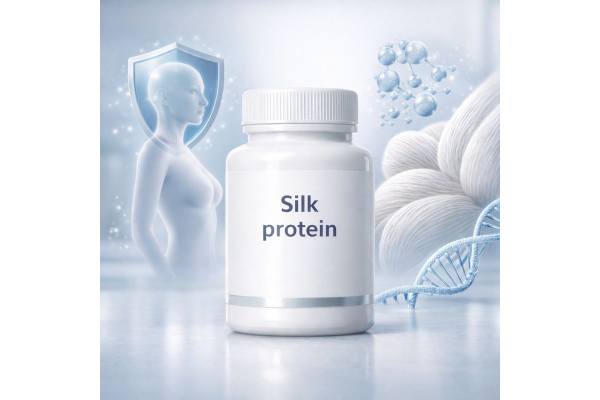
Silk protein has moved beyond luxury fabrics into the worlds of skincare, hair care, biomaterials, and even functional foods. Extracted mainly from Bombyx mori silkworm cocoons, silk proteins such as fibroin and sericin offer an unusual combination of strength, softness, and biocompatibility. In cosmetic formulas, hydrolyzed silk protein is valued for its ability to form a breathable film, hold moisture, smooth hair cuticles, and support a more supple skin feel. In biomedical and food applications, silk fibroin is studied as a biodegradable, generally well-tolerated material for sutures, wound dressings, edible coatings, and controlled-release systems.
At the same time, oral silk protein supplements are still relatively new, and long-term human data remain limited. This guide explains what silk protein is, how it works, the key benefits and limitations, practical internal and external usage ranges, safety issues, and how to choose a product that aligns with your health goals and risk tolerance.
Quick Overview of Silk Protein
- Silk protein includes fibroin and sericin from silkworm cocoons and is valued for film-forming, moisturizing, and biocompatible properties.
- Topical formulas typically use hydrolyzed silk protein at about 0.5–10% to improve skin hydration and hair smoothness.
- Oral silk protein or peptide supplements often fall in the low gram range, roughly 0.5–7.5 g per day, depending on the product and goal.
- People with insect or silkworm allergies, autoimmune conditions, pregnancy, breastfeeding, or complex medical regimens should seek medical advice before using silk protein supplements.
Table of Contents
- What is silk protein and how does it work?
- Key benefits and properties of silk protein
- How silk protein is used in skin, hair, and food
- Silk protein dosage and practical usage guide
- Side effects, safety, and who should avoid silk protein
- How to choose a high quality silk protein product
What is silk protein and how does it work?
Silk protein is an umbrella term for the main proteins found in silkworm cocoons, especially from Bombyx mori. Two proteins dominate: fibroin, which forms the strong structural core of silk fibers, and sericin, a glue-like protein that surrounds and binds fibroin filaments. In nature, this combination protects the developing silkworm pupa; in products, it offers strength, flexibility, and a smooth feel.
Fibroin is a fibrous protein rich in glycine, alanine, and serine. These small amino acids allow the formation of tightly packed beta-sheet structures, which give silk its high tensile strength and toughness. When fibroin is processed into films, hydrogels, or coatings, these beta sheets can create a robust but flexible matrix that adheres gently to surfaces like skin, hair, or food.
Sericin, by contrast, is a more globular, water-soluble protein. It contains a higher proportion of polar amino acids (such as serine and aspartic acid), which helps bind water and interact with other polymers. This composition underlies many of sericin’s reported moisturizing, antioxidant, and protective effects in biomedical and cosmetic settings.
Most cosmetic and supplement ingredients use hydrolyzed silk protein. In this process, raw silk is cleaned, degummed, and then partially broken down using enzymes or chemical hydrolysis. The result is a mixture of peptides and smaller protein fragments that dissolve easily in water and can penetrate or coat skin and hair more evenly. Typical hydrolyzed silk used in cosmetics has an average molecular weight in the low thousands of Daltons or below, although exact sizes vary by manufacturer.
On the skin and hair, silk protein mainly works as:
- A film former, creating a thin, flexible layer that reduces water loss.
- A conditioning agent, improving slip, combability, and surface smoothness.
- A biocompatible matrix, which can interact with keratin and support barrier function.
In biomedical and food applications, silk fibroin’s biocompatibility, mechanical strength, and controlled degradability make it a promising material for sutures, wound dressings, drug delivery systems, and edible protective coatings.
Key benefits and properties of silk protein
Silk protein’s appeal lies in the way its molecular structure translates into tangible benefits for skin, hair, and certain medical and food uses. While the strength of evidence differs by application, several properties are consistently highlighted in research and product development.
First, silk proteins are moisture binding and film forming. Hydrolyzed silk can absorb and retain water while forming a thin, breathable film on the surface of skin or hair. This film helps reduce transepidermal water loss, leaving skin feeling smoother and more supple and hair more manageable. Unlike occlusive oils or waxes, silk films tend to feel light and non-greasy, which is useful in leave-on products for the face and fine hair.
Second, many studies describe antioxidant and protective effects, especially for sericin. Laboratory work and animal models report that sericin can scavenge reactive oxygen species, reduce markers of oxidative stress, and help protect cells from UV-induced damage. In practice, this may support skin resilience when sericin-containing products are used alongside sunscreens and other barrier-supporting ingredients, although topical silk proteins are not substitutes for UV filters.
Third, silk fibroin and sericin show biocompatibility and low toxicity. Silk sutures have a long clinical history, and modern fibroin-based biomaterials are being explored for wound dressings, tissue scaffolds, and controlled release systems. Reviews of silk biomaterials highlight their generally favorable interaction with cells, balanced degradation over time, and relatively low inflammatory response when appropriately purified.
Fourth, silk protein can provide mechanical and sensory benefits. On hair, it can increase gloss and softness, improve combing, and help reduce friction-related damage. On skin, users often report an immediate “silky” finish and improved texture. In textiles and medical applications, silk’s mechanical strength and flexibility allow durable yet comfortable structures.
Finally, emerging work explores systemic and metabolic effects when silk-derived proteins are taken orally. This area overlaps with research on silk peptides and sericin as functional food ingredients, where potential benefits include antioxidant support, modulation of blood lipids and glucose in animal models, and support for wound healing or gut barrier function. Human evidence here is still limited and tends to involve specific, standardized silk-derived products rather than generic silk protein powders.
In summary, silk protein is best characterized as a multifunctional, biocompatible material that can hydrate, protect, and support tissues when used topically, with promising—though still developing—roles in nutrition and regenerative medicine.
How silk protein is used in skin, hair, and food
Silk protein appears in a wide range of formulations, from everyday shampoos to specialized wound dressings and edible food coatings. Understanding these different use cases helps clarify what “silk protein” means on a label and what kind of effects you can realistically expect.
Skin care
In skin care, hydrolyzed silk protein and sericin are primarily used as:
- Humectants and conditioners in moisturizers, serums, and eye creams.
- Film formers that give a soft, velvety feel and help hold moisture.
- Supportive ingredients in barrier-repair or soothing products, especially for dry or sensitive skin.
Typical usage levels in cosmetic formulas range from about 0.5–10% of the total product, with lower concentrations in light serums and higher levels in intensive treatments or wash-off masks. Many formulators pair silk protein with glycerin, hyaluronic acid, ceramides, niacinamide, or plant oils to build more complete hydration and barrier routines.
Hair care
Silk protein is especially popular in:
- Shampoos and conditioners marketed for smoothness, shine, and anti-frizz.
- Leave-in sprays, serums, and masks for damaged or chemically treated hair.
In hair products, hydrolyzed silk helps:
- Smooth the cuticle, making hair easier to detangle.
- Improve gloss and reduce static.
- Provide a light protective film that can mitigate the effects of heat styling and brushing.
Because silk protein is compatible with cationic, anionic, and non-ionic surfactant systems, it is relatively easy to incorporate into many hair care bases.
Biomedical and dressing applications
Medical-grade silk fibroin is used in:
- Sutures and ligatures with a long record of clinical use.
- Wound dressings and scaffolds designed to support tissue repair.
- Experimental drug delivery systems, contact lenses, and tissue-engineered constructs.
In these settings, silk fibroin’s strength, controlled degradation, and support for cell attachment and growth are more important than its cosmetic feel.
Food and edible coatings
Silk fibroin has also been developed as an edible coating for fruits, vegetables, cheese, candies, and other foods. When applied as a thin film, it can slow moisture loss and oxidation, helping extend shelf life. Regulatory evaluations have reviewed toxicology and allergy data for silk fibroin derived from cocoons and, under defined conditions and purity standards, found typical coating uses to be compatible with food safety.
Some companies and researchers are exploring oral silk protein or sericin powders as functional ingredients or supplements. These may be marketed for antioxidant support, metabolic health, or gut and skin benefits. However, evidence for specific outcomes still comes mainly from early-stage studies or work with related silk-derived ingredients, and standardized doses and indications are not yet established.
In everyday consumer products, you are most likely to encounter silk protein in:
- Moisturizers, serums, and masks labeled with “silk,” “hydrolyzed silk,” or “sericin.”
- Shampoos, conditioners, and leave-ins promising a “silky” finish.
- Occasional functional foods or beverages that list silk protein, silk peptides, or sericin as added ingredients.
Silk protein dosage and practical usage guide
Because silk protein straddles several categories—cosmetic ingredient, biomaterial, and potential supplement—“dosage” means different things depending on the intended use. It is helpful to separate external (topical) use from internal (oral) use.
Topical use in skin and hair products
For cosmetic formulations, silk protein is not dosed per kilogram of body weight but as a percentage of the product:
- Many manufacturers recommend about 0.5–10% hydrolyzed silk protein in the water phase of creams, serums, shampoos, and conditioners.
- Leave-on face products tend to sit toward the lower to mid-range of this spectrum, to avoid stickiness. Hair masks, intensive conditioners, and wash-off masks may use higher percentages.
As a consumer, you rarely control this directly; instead, you rely on formulators. Your main decision is how frequently to use silk-containing products. For example:
- Daily use of a silk-protein moisturizer or serum for dry or sensitive skin.
- Routine use of a silk-protein conditioner, plus a weekly intensive mask, for damaged hair.
Patch testing is still wise if you have reactive skin: apply a small amount of a new product to the inner forearm once daily for several days before using it widely.
Oral silk protein and peptide supplements
Oral products marketed as silk protein, silk peptides, or sericin powders are more variable. There is no official recommended daily intake, and evidence is often extrapolated from studies on related silk-derived ingredients. Nonetheless, some practical ranges can be outlined:
- Low range (about 250–1000 mg/day, or 0.25–1 g/day)
Common in beauty-oriented blends, where silk protein is one of many active ingredients. Intended for gradual, long-term support. - Moderate range (about 1–3 g/day)
Typical for standalone silk protein or peptide powders and some functional foods. This level is often used as a starting point to assess tolerance. - Higher range (about 3–7.5 g/day)
Reflects doses used in some clinical studies with silk peptide or related preparations, often over periods around eight weeks. These intakes are more suitable for short, targeted trials under professional guidance rather than indefinite self-use.
For timing, people commonly take oral silk protein:
- With meals, to support digestion and reduce the chance of stomach upset.
- Split into two or three doses across the day if the total intake is high.
Those using silk-derived supplements for sports or metabolic goals sometimes place a portion of the dose 30–60 minutes before training, paired with a light snack or drink.
In contrast, when silk fibroin is used as a food coating, typical consumer exposures are much lower—on the order of tens to low hundreds of milligrams per day based on regulatory intake estimates, which is far below most supplement doses.
Given the uncertainties, a cautious approach is to:
- Start at the lower end of the product’s recommended range.
- Maintain a consistent schedule for 4–8 weeks, tracking any changes in digestion, skin, hair, energy, or other target outcomes.
- Reassess with your healthcare professional before increasing dose or combining silk protein with other immune-active or metabolic supplements.
Side effects, safety, and who should avoid silk protein
Silk protein and its derivatives have a long history in textiles and medical devices, and modern assessments generally describe them as biocompatible and of low acute toxicity when properly purified. However, safety profiles differ by route of exposure, and individuals vary in their responses.
Topical safety
Comprehensive cosmetic safety reviews of hydrolyzed silk and related silk ingredients conclude that:
- They are non-toxic in standard dermal toxicity tests.
- They tend to be at most mild skin irritants at high concentrations in test conditions.
- They show low sensitization potential, meaning they rarely trigger true allergic contact dermatitis when used at typical product levels.
For most people, silk protein-containing cosmetics are well tolerated. However, stinging, redness, or itching can occur, particularly in people with compromised skin barriers or multiple sensitivities. If irritation persists, discontinuing the product and simplifying the routine is advisable.
Oral safety and toxicity
Toxicological studies of silk fibroin derived from cocoons, including repeated-dose studies in rats at doses up to about 500–1000 mg/kg body weight per day, generally report:
- No treatment-related mortality or major organ toxicity.
- No evidence of genotoxicity in bacterial mutation assays or in vivo micronucleus tests.
- Normal digestion and metabolism consistent with other dietary proteins.
Assessments of food allergy risk for purified silk fibroin coatings report low likelihood of allergenicity relative to silkworm pupae, which are much more strongly associated with allergic reactions. Bioinformatic and laboratory analyses indicate that properly processed fibroin contains few sequences typical of known major food allergens.
That said, there are important caveats:
- People with known allergies to silkworms, insect proteins, or silk textiles may have a higher risk of reaction and should exercise caution.
- Some individuals may react to residual sericin or other cocoon proteins if the purification process is incomplete.
Groups needing special caution
The following groups should avoid silk protein supplements or seek individualized medical advice before use:
- People with documented insect or silkworm allergies, including reactions to silkworm pupae as food.
- Individuals with autoimmune diseases, organ transplants, or those taking immunosuppressive medications, because certain silk-derived supplements may influence immune markers.
- People with complex metabolic conditions (for example, multiple diabetes medications, significant weight-loss regimens), where any added metabolic effect needs careful oversight.
- Pregnant or breastfeeding women, and children, due to insufficient long-term safety data in these populations.
Interactions and contamination risks
Silk protein itself is unlikely to have direct drug–drug interactions in the way that certain herbs or concentrated extracts do, but indirect effects (for example, changes in appetite, weight, or inflammation) could still modify responses to medications. Additionally, as with any supplement, product quality matters:
- Poorly controlled manufacturing could lead to contamination with heavy metals, solvent residues, or microbial toxins.
- Label inaccuracies may result in higher or lower silk protein content than stated.
Choosing reputable brands and discussing new supplements with your healthcare professional reduces but does not completely remove these risks. Any signs of systemic allergy (hives, swelling, difficulty breathing) after using silk protein products should be treated as a medical emergency.
How to choose a high quality silk protein product
Selecting a silk protein product is easier when you separate marketing language from a few key technical and practical checks. Whether you are buying a moisturizer, a shampoo, or a supplement, the following steps can guide your decision.
1. Clarify your main goal
Decide whether you primarily want:
- Topical benefits (hydration, smoothness, barrier support, shine).
- Targeted functional support (for example, exploring oral silk-derived supplements for antioxidant or metabolic support).
- Professional or medical applications, where a clinician selects specific silk-based dressings or devices.
Your goal determines which product format and dose range make sense.
2. Read the ingredient list carefully
On topical products, look for terms such as:
- Hydrolyzed silk
- Silk protein
- Silk amino acids
- Sericin
The closer they appear to the top of the ingredient list, the higher their relative concentration, although exact percentages are rarely disclosed. Be mindful of other ingredients that matter for you, such as fragrance, alcohol, essential oils, or known allergens.
For supplements, confirm:
- The exact ingredient name (for example, “hydrolyzed silk protein powder,” “silk peptide powder,” or “sericin powder”).
- The amount per serving in mg or g.
- The total daily intake recommended on the label.
Products that list “silk complex” without specifying the actual amount or type of protein make it harder to align your intake with available research.
3. Look for quality and testing information
Higher-quality brands typically:
- Follow good manufacturing practice (GMP) standards.
- Provide third-party testing for identity, purity, and contaminants.
- Offer batch-specific certificates of analysis upon request.
For topical products, reputable manufacturers base their silk protein levels and combinations on cosmetic science and safety reviews rather than extreme novelty alone. For supplements, transparent testing is particularly important when intakes approach the gram range.
4. Match format to lifestyle
Consider how you will actually use the product:
- If you dislike flavored drinks, a tasteless, water-soluble powder that mixes well into smoothies or yogurt may be easiest.
- If you want simplicity, capsules with modest doses may be preferable, even if they cost more per gram.
- For hair and skin, choose product textures (light serums, richer creams, sprays) that fit your skin type and routine.
Consistency matters far more than small differences in formulation when it comes to real-world results.
5. Start conservatively and monitor
Once you choose a product:
- Introduce it as the only new variable for a few weeks.
- Track changes in skin feel, hair manageability, digestion, or energy, depending on the use.
- Be prepared to adjust dosage, frequency, or discontinue if you notice persistent adverse effects.
Working with a dermatologist, dietitian, or physician is especially valuable if you have underlying conditions or already use several other active products and supplements.
By combining a clear goal, careful label reading, attention to quality, and structured self-observation, you can evaluate silk protein products more realistically and avoid both overblown expectations and unnecessary risks.
References
- Safety Assessment of Silk Protein Ingredients as Used in Cosmetics 2020 (Review)
- Sericin Protein: Structure, Properties, and Applications 2024 (Review)
- Silk Fibroin Biomaterials and Their Beneficial Role in Skin Wound Healing 2022 (Review)
- Toxicological Assessment and Food Allergy of Silk Fibroin Derived from Bombyx mori Cocoons 2021 (Toxicology)
- Potential of Silk Proteins in Cosmetics 2024 (Review)
Disclaimer
This guide is for general informational and educational purposes only. It does not provide medical, nutritional, or legal advice, and it is not a substitute for consultation with a qualified healthcare professional. Silk protein ingredients and supplements are not intended to diagnose, treat, cure, or prevent any disease. Individual responses, risks, and needs vary, particularly in the presence of chronic illness, pregnancy, breastfeeding, childhood, or prescription medication use. Always seek personalized advice from your physician, pharmacist, or other qualified professional before starting, stopping, or changing any product containing silk protein, especially in oral or higher-dose forms, and never disregard professional guidance because of information read online.
If you found this article useful, you are welcome to share it on Facebook, X (formerly Twitter), or any platform you prefer, and to follow our work on social media. Your considerate support through sharing helps our team continue to produce careful, evidence-informed content on emerging ingredients and wellness topics.