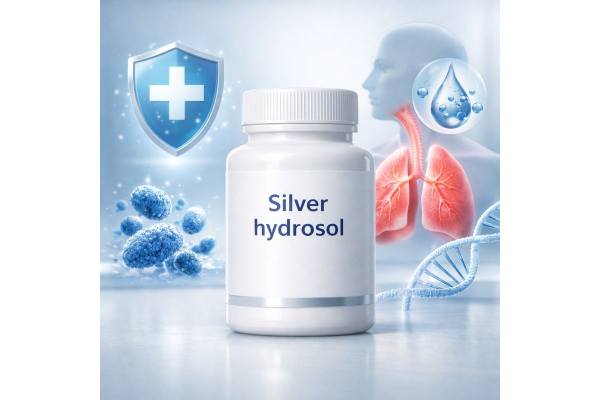
Silver hydrosol is often promoted as a “next generation” form of colloidal silver, advertised for immune health, detox support, and everyday wellness. In practice, it is a suspension of silver ions and very small silver particles in purified water and belongs to the same family as other colloidal or ionic silver products. Most people encounter it as a liquid or spray marketed as safer and more “bioactive” than older silver tonics.
Silver itself has genuine antimicrobial properties and is used in regulated medical devices such as wound dressings and certain coatings. That is very different from drinking or inhaling a supplement. Major health organizations emphasize that oral colloidal silver products have no proven benefits and can accumulate in the body over time, sometimes causing permanent skin discoloration and organ effects. Understanding what silver hydrosol is, how exposure adds up, and where the real risks lie will help you make a cautious, evidence-informed decision.
Key Insights on Silver Hydrosol
- Silver hydrosol is a marketing term for a silver ion and nanoparticle suspension closely related to colloidal and ionic silver.
- High quality human studies do not show clear health benefits from ingesting silver hydrosol, and major health agencies advise against oral use.
- Total silver exposure from supplements is often compared with a conservative oral reference dose of about 0.005 mg per kg of body weight per day.
- Ingested or inhaled silver can accumulate in tissues and may cause irreversible argyria, organ effects, and reduced effectiveness of some medications.
- Children, pregnant or breastfeeding individuals, people with kidney, liver, or thyroid disease, and anyone taking antibiotics or thyroid medicines should avoid silver hydrosol unless a specialist clearly recommends it.
Table of Contents
- What is silver hydrosol and how is it different?
- Claimed benefits of silver hydrosol and what evidence shows
- Common uses and product forms of silver hydrosol
- Silver hydrosol dosage and safe exposure limits
- Side effects, safety, and who should avoid silver hydrosol
- Evidence based alternatives to silver hydrosol
What is silver hydrosol and how is it different?
Silver hydrosol is a term used in the supplement industry for a liquid preparation that contains silver ions and very small silver particles dispersed in purified water. Manufacturers typically describe it as “bioactive” or “pharmaceutical grade” silver, with particle sizes in the nanometer range and concentrations often between roughly 10 and 30 parts per million (ppm).
From a scientific standpoint, silver hydrosol is not a separate, formally defined category. It fits within the broader family of colloidal silver and ionic silver products:
- Colloidal silver traditionally refers to metallic silver nanoparticles suspended in water.
- Ionic silver solutions are dominated by dissolved silver ions rather than solid particles.
- Silver hydrosol is usually a mixture where most of the silver is in ionic form, sometimes with a smaller fraction of nanoparticles, despite being marketed as something distinct.
There is no widely accepted pharmacopeia monograph that defines silver hydrosol as a unique medical substance. Regulatory and scientific discussions instead refer to colloidal silver, silver nanoparticles, or ionic silver, particularly in safety and toxicology assessments.
It is also important to distinguish consumer hydrosol supplements from regulated medical uses of silver. In healthcare, silver is used without being ingested:
- Certain wound dressings and dressings for burns incorporate metallic or ionic silver to reduce infection risk.
- Some catheters, grafts, and other devices are coated with silver to limit microbial colonization.
These are regulated medical devices with controlled formulations and defined performance and safety data.
By contrast, silver hydrosol supplements:
- Are usually sold as dietary, “immune support,” or homeopathic products rather than as medicines.
- Are not approved by major regulators to diagnose, treat, cure, or prevent disease.
- Vary widely in concentration, particle size, labeling quality, and dosing instructions.
In practice, silver hydrosol is best viewed as a marketing label for a particular style of colloidal or ionic silver suspension rather than a clinically validated new category. That context is essential when evaluating the supposed benefits and dosage claims that follow.
Claimed benefits of silver hydrosol and what evidence shows
Silver hydrosol is often promoted with a long and persuasive-sounding list of benefits. Common marketing claims include that it:
- Supports or “boosts” the immune system.
- Fights bacteria, viruses, and fungi throughout the body.
- Shortens the duration of colds, flu, and sinus infections.
- Helps gut health, detoxification, and inflammation.
- Acts as a broad natural remedy for many chronic conditions.
These claims draw on silver’s historical use as an antiseptic before the antibiotic era and on laboratory studies showing that silver ions and particles can kill microbes in test tubes. The leap from those data to internal supplementation is where problems begin.
Regulatory agencies and mainstream medical organizations have repeatedly concluded that:
- Oral colloidal silver products, including silver hydrosol, have no well-demonstrated benefits for any health condition.
- Robust randomized controlled trials supporting oral silver for infection, immunity, or chronic disease are lacking.
- Over-the-counter drug products containing colloidal silver or silver salts are not recognized as safe and effective for treating any illness.
- Consumer information from large clinical centers warns against internal use of colloidal silver and notes potential harm.
At the same time, silver does have legitimate, evidence-supported uses:
- Silver-containing dressings can help manage certain wounds or burns by reducing local microbial burden.
- Silver coatings on devices may reduce infection rates in highly specific clinical settings.
However, these uses are localized and carefully controlled. They do not translate into a general recommendation to drink or inhale silver solutions.
Laboratory work shows that silver at sufficient local concentration can disrupt bacterial membranes, inactivate enzymes, and interfere with DNA and protein functions. Taken orally, though, silver distributes systemically, binds to proteins, and may accumulate in tissues, which is very different from surface disinfection.
Overall, the scientific picture is one-sided: silver hydrosol is marketed aggressively for immune and wellness benefits, but high-quality human data do not substantiate those claims. The evidence base is dominated by risk assessments and case reports of harm rather than demonstrations of clinical benefit.
Common uses and product forms of silver hydrosol
In real-world use, silver hydrosol appears in several familiar formats:
- Oral liquids or drops: bottled products taken by teaspoon, tablespoon, or dropper, sometimes multiple times per day.
- Sprays: mists designed for the mouth, throat, or nasal passages.
- Occasional off-label uses: some sources describe use in nebulizers, eye drops, or ear drops, even though these routes are rarely supported by safety data.
Typical concentrations range around 10–30 ppm of silver, although specialty products may be more concentrated. Labels may highlight terms like “ultra-small particle size,” “pharmaceutical grade,” or “bioactive hydrosol” to suggest superior performance.
People usually turn to silver hydrosol for reasons such as:
- Self-treatment of colds, sore throats, sinus infections, or influenza-like illness.
- A general desire to “support immunity” during travel, winter, or high-stress periods.
- Chronic complaints such as fatigue, joint discomfort, or digestive issues, especially when conventional treatments feel unsatisfying.
Poison control and clinical reports describe colloidal silver products being:
- Swallowed as liquids or capsules.
- Inhaled via nebulizers for perceived respiratory support.
- Sprayed or dropped into the nose, eyes, or ears.
- Applied on skin, sometimes under bandages, for chronic wounds or rashes.
From a safety standpoint, internal use is far more concerning than topical use. Silver-based dressings or coatings deliver controlled local doses under medical supervision, with clear stopping points. Silver hydrosol, by contrast, is often self-administered daily, at variable doses, and without laboratory monitoring.
Another subtle issue is cumulative exposure. Many people use more than one silver-containing product:
- Hydrosol drops or sprays.
- Colloidal silver from other brands.
- Silver-treated textiles or personal care items.
- Medical devices or dressings that release silver locally.
Total body burden reflects all of these sources. When hydrosol is layered on top of other exposures, the risk of long-term accumulation and tissue deposition increases, even if any single product seems modest in concentration.
In summary, silver hydrosol products are used primarily as oral or spray supplements for self-treatment of infections and chronic complaints, often in a way that differs sharply from controlled, regulated medical uses of silver.
Silver hydrosol dosage and safe exposure limits
For silver hydrosol, there is no scientifically supported “beneficial” dose. Instead, experts discuss how much is too much over time. Silver is not an essential nutrient, so the aim is to avoid harmful accumulation rather than to achieve a specific intake.
A key toxicological benchmark is the oral reference dose (RfD) for silver, established by environmental and health authorities. This reference dose is:
- 0.005 mg of silver per kg of body weight per day for chronic oral exposure.
This value was derived mainly to prevent argyria—permanent bluish-gray skin discoloration—but it also serves as a conservative cap for general systemic exposure. For a 70-kg adult, the RfD corresponds to about 0.35 mg of silver per day from all sources combined.
To understand how silver hydrosol fits into that framework, consider typical concentrations:
- A 10 ppm solution contains about 10 mg of silver per liter.
- A 30 ppm solution contains about 30 mg of silver per liter.
At 10 ppm, 0.35 mg of silver is contained in about 35 mL of solution (a bit over two tablespoons). At 30 ppm, the same amount of silver is contained in around 12 mL (less than a tablespoon).
Yet many product instructions suggest multiple teaspoons or tablespoons daily, sometimes for weeks or months. When researchers model daily intakes from instructions on various colloidal silver supplements, estimated silver intakes frequently exceed the reference dose, especially for higher-concentration products or frequent dosing schedules.
More complications:
- The RfD is not a “safe target” to aim for; it is a risk-management threshold with built-in uncertainty.
- It does not account for all possible toxic effects, only those reasonably tied to existing human data.
- Cumulative lifetime intake matters: long-lived deposits in skin and organs can accumulate from relatively modest daily doses taken over long periods.
In practical terms:
- A person taking a few teaspoons of a 10–30 ppm silver hydrosol daily is likely consuming a meaningful fraction of the RfD and may exceed it, especially if other silver exposures exist.
- The risk rises further with larger volumes, higher concentrations, or prolonged use over months to years.
Because credible evidence of clinical benefit is lacking, many experts argue that trying to define a “safe supplement dose” of silver hydrosol does not make sense. A more prudent strategy is to keep systemic silver exposure as low as reasonably achievable, which usually means avoiding oral and inhaled hydrosol altogether.
If you are currently using silver hydrosol, it is important to:
- Add up the estimated silver intake from the product based on its ppm concentration and your daily volume.
- Consider other silver-containing items you use regularly.
- Discuss your total exposure with a qualified healthcare professional and consider discontinuing internal use in favor of safer approaches.
Side effects, safety, and who should avoid silver hydrosol
The most recognizable adverse effect from chronic silver exposure is argyria, a persistent bluish-gray discoloration of the skin, nails, and mucous membranes. Argyria occurs when silver particles deposit in tissues and darken with light exposure. Numerous case reports link long-term ingestion of colloidal silver solutions to this condition, sometimes after years of daily use.
Key safety issues include:
1. Irreversible discoloration
Once argyria develops, it is extremely difficult to reverse. Laser treatments may lighten affected areas for some people, but they are invasive, costly, and not guaranteed. Beyond cosmetic concerns, the psychological impact can be substantial.
2. Systemic accumulation and organ effects
Silver can accumulate in many tissues, including liver, kidneys, spleen, and brain. Animal research and mechanistic studies suggest that high or prolonged exposure can promote oxidative stress and mitochondrial damage and may interfere with normal cell functions. Human data include reports of organ deposition and functional changes following long-term use of silver-containing products.
3. Kidney, liver, and neurological risk
Because kidneys and liver help process and excrete metals, chronic silver exposure can burden these organs. Symptoms reported in association with significant silver exposure include fatigue, neurological complaints (such as headaches or cognitive changes), and laboratory abnormalities. While not every hydrosol user will experience these problems, they are part of the risk landscape when intake is high or long term.
4. Drug interactions
Ingested silver may interfere with the absorption and activity of certain medications, especially:
- Some antibiotics, where chelation or binding can reduce bioavailability.
- Thyroid hormones, where binding in the gut might reduce effectiveness.
Because hydrosol use is often not disclosed to clinicians, such interactions can be overlooked.
5. Local irritation from non-oral uses
Using silver hydrosol in nebulizers or as nasal, eye, or ear drops introduces silver directly to delicate mucosal and respiratory tissues. This can cause local irritation and introduces additional systemic absorption through membranes that are more permeable than intact skin.
People who should avoid silver hydrosol unless specifically instructed by a specialist include:
- Children and adolescents, due to higher vulnerability and longer time horizon for cumulative deposition.
- Pregnant or breastfeeding individuals, because silver crosses the placenta and may appear in breast milk.
- Anyone with chronic kidney disease or significantly reduced kidney function.
- Individuals with chronic liver disease.
- People with thyroid disorders or those taking thyroid medications or long-term antibiotics.
- Individuals with known or suspected metal sensitivities or unexplained skin pigmentation changes.
Health agencies and clinical organizations consistently advise against using colloidal silver products internally, including hydrosol formulations, for self-treatment. They emphasize that these products should not replace proven therapies for infections or chronic conditions and that their risk profile outweighs speculative benefits.
If you have been using silver hydrosol and notice skin color changes, unexplained symptoms, or abnormal lab results, seek medical evaluation promptly and ensure your healthcare provider knows about all silver products you have used.
Evidence based alternatives to silver hydrosol
Many people reach for silver hydrosol because they want fewer infections, a stronger immune system, or a more “natural” way to manage chronic symptoms. The motivation is understandable, but there are safer and better studied options that can address the underlying goals without the unique risks of systemic silver exposure.
For general immune support and infection prevention, more reliable pillars include:
- Staying current with recommended vaccinations, including influenza and other age-appropriate immunizations.
- Prioritizing sleep, nutrition, and physical activity, which have clear, measurable effects on immune resilience.
- Addressing deficiencies such as vitamin D or iron where testing shows they exist, under professional guidance.
For respiratory symptom relief, especially during cold and flu seasons:
- Saline nasal irrigation or sprays can help clear mucus and reduce viral load in the nasal passages without adding metal exposure.
- Maintaining adequate hydration and humidified air can ease throat and airway irritation.
- Over-the-counter medications tailored to symptoms (such as pain, fever, or nasal congestion) may be used judiciously with pharmacist or clinician input.
For skin and wound care:
- Silver-containing dressings and creams used in hospitals and clinics have a more solid, though still evolving, evidence base for specific wounds, particularly burns and high-risk ulcers.
- These products deliver controlled local doses under medical oversight, rather than ongoing systemic exposure.
- For minor cuts and abrasions, simple approaches like gentle cleansing, basic topical antiseptics, and proper dressings are usually sufficient.
For chronic symptoms such as fatigue, pain, or digestive upset:
- A thorough evaluation can uncover treatable or manageable causes such as anemia, endocrine problems, autoimmune disease, sleep disorders, or dietary intolerances.
- Treatment plans combining conventional medicine with selected integrative strategies (for example, stress management, physical therapy, structured exercise, and evidence-based supplements) often offer more predictable benefit than experimental metal-based products.
- Working with clinicians who are transparent about the strength of evidence for each intervention can reduce the temptation to rely on unproven remedies like silver hydrosol.
If you value complementary and integrative approaches, look for practitioners who:
- Acknowledge uncertainty and avoid overstating the benefits of any single intervention.
- Encourage collaboration with your primary care doctor and specialists.
- Steer away from long-term internal use of metals without strong, condition-specific evidence.
For most people, the safest and most rational choice is to avoid ingesting or inhaling silver hydrosol, reserve silver-based therapies for regulated medical uses when clearly indicated, and rely on more thoroughly tested approaches for immune and overall health.
References
- Colloidal Silver: What You Need To Know 2022 (Guideline/Consumer Health Summary)
- Is Colloidal Silver Safe? 2024 (Clinical Expert Review)
- Potential Toxicological Risk Associated with the Oral Use of Colloidal Silver Dietary Supplements 2025 (Systematic Toxicological Assessment)
- Toxicological Profile for Silver 1990 (Comprehensive Toxicological Profile)
- Draft Screening Assessment – Silver and its Compounds 2022 (Regulatory Risk Assessment)
Disclaimer
This article is for general informational and educational purposes only. It does not provide medical, toxicological, or legal advice and is not a substitute for personalized care from a qualified healthcare professional. Silver hydrosol and other colloidal or ionic silver products are not approved to diagnose, treat, cure, or prevent any disease, and internal use may carry significant risks, including permanent argyria and organ effects.
Never start, stop, or change any medication, supplement, or treatment plan based solely on information from this article. If you are currently using silver hydrosol or other silver products, or if you have symptoms you believe may be related to silver exposure, consult a licensed healthcare professional for individualized guidance. In the event of suspected overdose, poisoning, or severe reaction, contact your local emergency services or poison control center immediately.
If you found this guide helpful, you are invited to share it on Facebook, X (formerly Twitter), or any platform you prefer, and to follow us on social media. Your considerate support through sharing helps our team continue to research and provide careful, evidence-based content for the community.