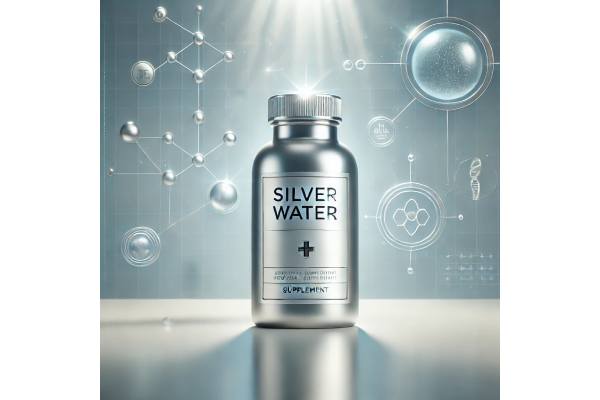
“Silver water” is a broad marketing term for liquids that contain tiny particles or ions of silver suspended in purified water. You will also see it sold as colloidal silver, ionic silver, silver hydrosol, or “nano silver” drops. These products are promoted online and in health shops for immune support, detoxification, and natural infection control, and often positioned as a modern upgrade to traditional remedies.
Silver does have real antimicrobial properties and is used in regulated medical dressings and device coatings. However, these medical uses are very different from drinking or inhaling silver water as a supplement. Major health agencies and clinical centers warn that colloidal silver products taken by mouth have no proven benefits and may cause permanent, sometimes disfiguring, side effects.
This guide explains what silver water is, what manufacturers claim it can do, how it is actually used, what we know about dosage and long-term exposure, and which side effects and risks matter most so you can make an informed, safety-first decision.
Quick Overview for Silver Water
- Silver water is another name for colloidal or ionic silver, a suspension of tiny silver particles or ions in purified water marketed for immune and wellness support.
- High quality clinical evidence does not show clear health benefits from ingesting silver water, and major health organizations advise against its internal use.
- Most silver water products contain about 10–30 parts per million (ppm) silver, which equals roughly 10–30 mg of silver per liter of solution.
- A conservative safety benchmark for total daily silver intake is about 0.005 mg per kg of body weight per day; regular silver water use can exceed this.
- Children, pregnant or breastfeeding individuals, and people with kidney, liver, or thyroid disease, or those taking antibiotics or thyroid medicines, should avoid silver water unless a specialist clearly advises otherwise.
Table of Contents
- What is silver water and how is it made?
- Does silver water really work for health?
- How do people use silver water in daily life?
- Silver water dosage and safe exposure limits
- Side effects, long term risks, and who should avoid silver water
- Safer, evidence based alternatives to silver water
What is silver water and how is it made?
Silver water is not a precise scientific term. In practice, it usually refers to a colloidal or ionic silver solution: tiny particles of elemental silver, silver ions, or a mixture of both dispersed in purified water. Labels often use phrases like “colloidal silver water,” “ionic silver,” “silver hydrosol,” or “nano silver water,” but these point to the same basic concept.
In colloidal silver, very small metallic silver particles (often in the nanometer range) remain suspended in water, sometimes with stabilizing agents. In ionic silver solutions, most of the silver is present as dissolved charged ions (Ag⁺) rather than visible particles. Many commercial “silver water” products are actually predominantly ionic silver, even when marketed as colloidal, with only a fraction of metallic nanoparticles.
Manufacturers typically produce silver water by passing an electric current through silver electrodes immersed in highly purified water. This process causes silver atoms to enter the water as ions and, under some conditions, as tiny particles. The concentration is usually expressed in parts per million (ppm), where 10 ppm equals 10 mg of silver per liter. Commonly marketed strengths range from about 10 to 30 ppm, though some products are substantially stronger.
From the perspective of toxicology and regulation, what matters most is the total amount of silver that enters the body, not the branding choice. Whether advertised as “silver water nano-TECH,” “premium colloidal silver water,” or “pharmaceutical grade hydrosol,” regulators group these under colloidal or nanosilver products for risk assessment.
It is also important to separate silver water supplements from regulated medical uses of silver. Silver compounds have long been used in clinical settings:
- Silver sulfadiazine creams in burn care.
- Silver-impregnated dressings for certain wounds.
- Silver-coated catheters, grafts, and devices to reduce infection risk.
These medical products undergo formal evaluation and are used under professional supervision, usually on localized areas rather than as systemic supplements. Silver water sold as a wellness tonic does not share that regulatory status or evidence base.
Does silver water really work for health?
Marketing for silver water is often persuasive. Websites and social media posts describe it as a natural antibiotic, antiviral remedy, or full-spectrum immune booster. They may list dozens of conditions, from colds and flu to chronic fatigue, gut issues, skin problems, and even serious infections, claiming silver water can help when other options fail.
However, when you look at evaluations from mainstream scientific and medical bodies, a different picture emerges. The National Center for Complementary and Integrative Health notes that colloidal silver consists of tiny silver particles in liquid, is sometimes promoted as a dietary supplement, but lacks good evidence for health-related claims. The U.S. Food and Drug Administration has previously ruled that over-the-counter drug products containing colloidal silver ingredients or silver salts are not generally recognized as safe and effective.
Clinical organizations echo this stance. Major centers state plainly that taking colloidal silver by mouth is not thought to be safe or effective for any of the health claims manufacturers make, and advise against internal use. Other respected medical sources reach the same conclusion: silver is not an essential mineral, and there is no solid evidence that ingesting silver solutions improves immunity, fights systemic infections, or treats chronic illnesses.
On the other hand, there is evidence supporting silver’s antimicrobial effects in specific, localized medical uses. Silver-containing dressings can reduce bacterial load in some wounds; silver coatings may help limit microbial colonization on certain devices. These targeted uses rely on relatively high local silver levels and controlled application, not on swallowing silver in hopes of whole-body benefits.
Laboratory studies show that silver ions and nanoparticles can disrupt bacterial membranes, interfere with enzymes, and damage genetic material in microbes. Yet translating these in vitro effects into safe, effective internal treatment is not straightforward. Inside the human body, silver interacts with proteins and tissues, is distributed systemically, and can accumulate, especially with repeated dosing. Clinical trials that would normally be required to demonstrate benefit and define safe therapeutic windows simply have not been done for silver water supplements.
In short, silver water has a reputation for broad health benefits largely based on historical use, anecdote, and in vitro data. High-quality human research does not currently support those claims, while documentation of risk continues to grow.
How do people use silver water in daily life?
Despite clear cautions from health authorities, silver water remains widely available in online stores and some physical shops. Practical use patterns often look like this:
- Oral dosing: People take teaspoons or tablespoons of silver water daily, sometimes multiple times per day, aiming to prevent or treat infections or to “support immunity.”
- Sprays: Mouth, throat, or nasal sprays are used at the first sign of a cold or sore throat, or even daily as a perceived barrier against germs.
- Inhalation and nebulizers: Some users place silver water in nebulizers to deliver a mist directly into the lungs for respiratory complaints, despite limited safety data for this route.
- Topical application: Silver water may be applied to minor skin irritations, rashes, or wounds, often under bandages, as a home alternative to topical antiseptics or prescribed silver dressings.
A number of studies and regulatory reviews have highlighted how colloidal silver products, often described as “silver water,” are marketed with numerous unsubstantiated health claims and used in enthusiastic online communities. Internal use is frequently promoted, and regulatory restrictions are sometimes portrayed as overreactions, illustrating how social belief can drift away from evidence.
Health authorities have also documented real-world harm. Agencies such as Health Canada have issued warnings about unauthorized colloidal silver water products due to potential health risks from ingestion. Poison centers in different regions report cases of silver poisoning or argyria linked to silver water and similar products, sometimes even when dosing followed non-evidence-based medical or naturopathic advice.
Another concern is stacking: people may not realize that silver water is only one part of their total silver exposure. Additional sources can include:
- Other colloidal silver brands or capsules.
- Silver-containing cosmetics or “antimicrobial” personal care items.
- Silver-impregnated clothing, socks, or bedding.
- Medical devices or dressings that release silver locally.
Each product alone might seem harmless, but together, especially with long-term use of silver water, they can raise body burdens significantly.
In practice, silver water is often used as a general wellness tonic outside any formal medical framework. Dosing is rarely individualized, cumulative exposure is almost never monitored, and users may continue the product for months or years. That usage pattern is central to understanding the long-term risks described in the next sections.
Silver water dosage and safe exposure limits
For most supplements, people look for a recommended daily dose. Silver water is different. There is no recognized beneficial intake, and major health authorities do not endorse any oral dose for general health. Instead, risk assessors focus on upper exposure limits intended to avoid known toxic effects.
The key benchmark is the chronic oral reference dose (RfD) for silver used in risk assessment:
- RfD: 0.005 mg/kg body weight per day (5 micrograms/kg/day).
This value is based mainly on historical data on argyria, the irreversible bluish-gray discoloration caused by silver deposition in skin, and is intended as a level below which the risk of this effect should be low over a lifetime. It was never meant to imply that silver has any nutritional role.
To make this more concrete:
- A 70-kg adult would have an RfD-equivalent of 0.35 mg silver per day from all sources combined.
- A 10 ppm silver water contains about 10 mg/L of silver.
- At 10 ppm, 0.35 mg of silver is in roughly 35 mL of solution (just over two tablespoons).
- At 30 ppm, the same amount is in about 12 mL (less than one tablespoon).
Label instructions for silver water sometimes recommend several teaspoons or tablespoons per day, and some users self-dose even more. Toxicological analyses of colloidal silver dietary supplements show that, based on typical label recommendations, estimated daily silver intake often exceeds the RfD, especially for products at higher ppm or with frequent dosing.
A few additional points about exposure:
- The RfD focuses primarily on argyria, not all possible organ effects. Newer data raise concerns about reproductive, developmental, and neurological toxicity at high or prolonged exposures, especially for nanosilver forms.
- The RfD is not a guaranteed “safe” daily intake; it is a risk-management guideline with uncertainty built in.
- Lifetime cumulative intake matters: documented argyria cases have involved total silver intakes measured in grams, often acquired from years of daily use of colloidal silver or silver water.
Because credible evidence of clinical benefit is lacking, many experts conclude that trying to define an “optimal dose” of silver water is misleading. A more responsible approach is to minimize systemic exposure, which generally means not ingesting silver water at all, especially over long periods or in combination with other silver-containing products.
If you are currently using silver water:
- Estimate your daily silver intake: multiply the ppm by the volume you take and convert to mg.
- Compare this with the RfD for your body weight.
- Consider other sources of silver exposure (dressings, devices, cosmetics).
- Discuss discontinuation and any needed monitoring with a qualified healthcare professional.
Side effects, long term risks, and who should avoid silver water
The most iconic side effect associated with chronic silver exposure is argyria. In argyria, silver deposits in the skin and other tissues, and light exposure darkens these deposits, producing a bluish-gray discoloration that can be striking and usually permanent. Case reports show argyria developing in people who ingested colloidal silver or silver water daily for months or years, sometimes at doses only tens of times the RfD.
Beyond cosmetic changes, systemic silver accumulation may affect internal organs:
- Kidneys and liver: These organs play central roles in handling and excreting metals. Chronic exposure can stress them and may contribute to functional changes in vulnerable individuals.
- Nervous system: Animal studies and mechanistic work suggest that high or prolonged nanosilver exposure may influence brain function and behavior, likely through oxidative stress and mitochondrial disruption, although human data remain limited.
- Skin and mucosa: Local irritation, dermatitis, or discoloration can occur when silver water is used topically or on mucous membranes, especially at high concentrations or over long periods.
Drug interactions are another concern. Ingested silver can bind to medications or alter gut conditions in ways that reduce absorption or effectiveness. This is particularly important for:
- Certain antibiotics, where silver may chelate or bind to the drug.
- Thyroid hormones, where interference in the gut could reduce bioavailability.
Because silver water is often consumed without professional oversight, interactions and cumulative toxicity can be missed until symptoms or lab abnormalities appear. Poison surveillance and regulatory bulletins document cases of silver poisoning and argyria linked to colloidal silver water products, sometimes even when the product was recommended by a practitioner.
Groups who should avoid silver water unless specifically directed and closely monitored by a specialist include:
- Children and adolescents: Their developing organs and longer remaining lifespan increase the potential impact of cumulative exposure.
- Pregnant or breastfeeding individuals: Silver can cross the placenta and may appear in breast milk, raising concerns about fetal and infant exposure.
- People with kidney disease or significantly reduced kidney function.
- People with chronic liver disease.
- Individuals with thyroid disorders, or those taking thyroid medication or long-term antibiotics.
- Anyone with a history of metal hypersensitivity, unexplained skin discoloration, or chronic dermatitis.
Health agencies in multiple countries now explicitly advise against internal use of colloidal silver, including silver water products, for self-treatment. They highlight that these products should not replace proven therapies for infections or other medical conditions.
If you have been using silver water and notice bluish or grayish skin changes, unusual fatigue, neurologic symptoms, or abnormal lab results, seek medical evaluation. Tell your clinician exactly what you have taken, including product strength (ppm), dose, and duration.
Safer, evidence based alternatives to silver water
People rarely choose silver water at random. Common motives include wanting fewer infections, seeking natural ways to support immunity, or looking for relief from chronic, poorly explained symptoms. The challenge is to meet those needs in ways that are safer and more solidly evidence based.
For general immune support, the foundations remain:
- Vaccinations: Staying up to date with recommended immunizations, including influenza and other age-appropriate vaccines, provides targeted, well-studied protection.
- Sleep and stress management: Chronic sleep deprivation and high stress impair immune function; practical steps such as consistent sleep schedules and stress reduction techniques often pay bigger dividends than supplements.
- Nutrition and movement: Diets rich in whole foods, fruits, vegetables, and adequate protein, together with regular physical activity, have much better evidence than silver water for supporting immune resilience.
For upper respiratory infections such as colds and mild flu:
- Saline nasal sprays or irrigations can reduce congestion and viral load in the nose without adding metal exposure.
- Humidified air, adequate fluids, and symptom-targeted over-the-counter medicines (used appropriately) can meaningfully improve comfort.
- Medical assessment is essential if symptoms are severe, prolonged, or unusual.
For skin and wound care, silver can have a legitimate clinical role, but through regulated products:
- Silver-containing dressings and creams are used in specific wound types and burn care, with dosing and duration managed by healthcare professionals.
- For minor cuts and abrasions, simple care—gentle cleaning, non-silver topical antiseptics when appropriate, and proper dressings—is usually sufficient.
For chronic or complex symptoms (for example, fatigue, gastrointestinal distress, recurrent infections), a more productive approach usually involves:
- Thorough evaluation to identify treatable conditions such as anemia, autoimmune disease, hormonal imbalances, sleep disorders, or structural issues.
- Integrated treatment plans that combine conventional care with carefully chosen lifestyle changes and, where appropriate, complementary therapies with a clearer evidence base.
- Monitoring and adjustment over time, rather than long-term self-treatment with poorly studied products such as silver water.
If you are interested in integrative health, consider working with practitioners who:
- Are transparent about evidence strengths and limitations.
- Avoid recommending long-term internal use of metals or other high-risk substances without compelling data.
- Encourage regular communication with your primary care provider and relevant specialists.
Overall, the risk-benefit balance for silver water is unfavourable: there is no clear, proven benefit, while the potential for long-term, sometimes irreversible harm is well documented. Safer alternatives exist for nearly all the goals people hope to achieve with silver water, whether that is stronger immunity, better skin health, or support for chronic conditions.
References
- Colloidal Silver: What You Need To Know 2022 (Guideline)
- Is Colloidal Silver Safe? 2024 (Clinical Expert Review)
- Potential Toxicological Risk Associated with the Oral Use of Colloidal Silver Dietary Supplements 2025 (Systematic Toxicological Assessment)
- Toxicity of colloidal silver products and their marketing claims in Finland 2021 (Research Article)
- Reregistration Eligibility Document (RED): Silver 1991 (Guideline)
Disclaimer
This article is intended for general educational purposes only and does not constitute medical, toxicological, or legal advice. Silver water, colloidal silver, and related products are not approved to diagnose, treat, cure, or prevent any disease, and internal use may carry significant risks, including irreversible skin discoloration and organ effects.
Do not start, stop, or change any medication, supplement, or treatment plan based solely on this information. If you currently use silver water or other silver-containing products, or if you have symptoms that may be related to silver exposure, consult a qualified healthcare professional for individualized assessment and guidance. In the event of suspected poisoning, overdose, or severe reaction, contact emergency services or a poison control center immediately.
If you found this guide helpful, you are welcome to share it on Facebook, X (formerly Twitter), or any platform you prefer, and to follow us on social media. Your thoughtful support through sharing helps our team continue to research and publish careful, evidence-based health content.