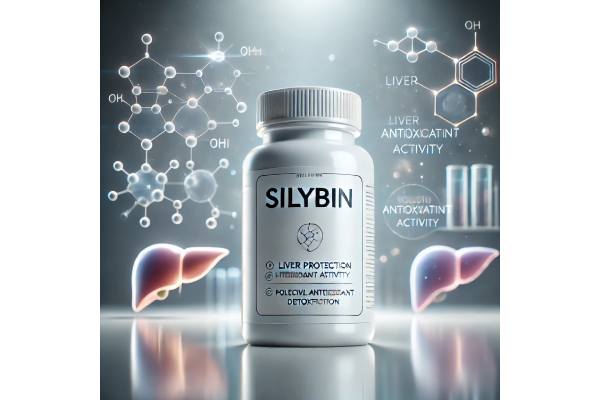
Silybin (often spelled silibinin) is the main active compound in milk thistle extracts, long used as supportive care for the liver. Modern supplements may label it as silybin, silymarin, milk thistle extract, or a “phytosome” complex, which can make it difficult to know what you are really taking and how much. At the same time, research on silymarin and silybin has expanded, especially in chronic liver diseases, metabolic disorders, and oxidative stress related conditions.
This guide walks through what silybin is, how it works, where the evidence is strongest, and where claims are still ahead of the data. You will also see typical dosage ranges, safety considerations, and practical steps for choosing and using a silybin supplement. The goal is to give you a clear, balanced overview so you can discuss silybin with your healthcare professional and decide whether it has a place in your personal plan.
Key Insights for Silybin
- Silybin is the primary active compound in milk thistle extracts and contributes much of the classic “hepatoprotective” or liver-protective effect.
- Clinical trials show that standardized silymarin (rich in silybin) can modestly improve liver enzymes and oxidative stress markers in several chronic liver conditions.
- Common supplemental intakes fall around 140–420 mg silymarin per day for general support and 420–700 mg per day in liver disease studies, always under medical supervision.
- Silybin is usually well tolerated, but higher doses can cause digestive discomfort, and people on multiple medications or with serious liver disease need medical oversight.
- Individuals who are pregnant or breastfeeding, children, transplant recipients, and those with known allergy to milk thistle or the daisy family should avoid unsupervised use.
Table of Contents
- What is silybin and how does it work?
- Proven benefits of silybin for liver health
- Emerging uses of silybin beyond the liver
- How to take silybin, dosage and forms
- Side effects, safety and who should avoid silybin
- Choosing a silybin supplement and practical tips
What is silybin and how does it work?
Silybin is a plant-derived compound found in the seeds (fruits) of milk thistle, Silybum marianum. When people talk about milk thistle or silymarin, they are usually referring to a mixture of related molecules called flavonolignans. Silybin makes up the largest share of that mixture and is considered the main bioactive component. In supplements and scientific papers you may see it written as silybin, silibinin, or as two closely related forms, silybin A and silybin B.
Chemically, silybin is poorly soluble in water and only moderately soluble in fats. This limited solubility is one reason why standard milk thistle extracts have relatively low oral bioavailability. To get around that, manufacturers have developed forms such as silybin–phosphatidylcholine phytosomes, silybin–beta-cyclodextrin complexes, or other “enhanced absorption” technologies. These change how much silybin gets into the bloodstream from the same nominal dose.
Silybin is best known for its effects on the liver. Experimental studies show several mechanisms that may explain its protective actions:
- Antioxidant effects: Silybin can neutralize free radicals and upregulate endogenous antioxidant systems, including glutathione within liver cells.
- Membrane stabilizing effects: It appears to protect cell membranes from lipid peroxidation, which may help hepatocytes (liver cells) resist damage.
- Anti-inflammatory actions: Silybin modulates signaling pathways such as NF-κB and may reduce the production of pro-inflammatory cytokines.
- Antifibrotic activity: By influencing growth factors involved in scar tissue formation, it may slow the progression of fibrosis in chronic liver injury.
- Modulation of metabolism: Silybin can affect insulin sensitivity, lipid metabolism, and oxidative stress pathways that are relevant to non-alcoholic fatty liver disease and metabolic syndrome.
Importantly, silybin is not a vitamin or an essential nutrient. It is a pharmacologically active plant constituent that may support liver and metabolic health as an adjunct to standard care. It does not replace treatment for hepatitis, cirrhosis, alcohol-related liver disease, or other serious conditions, and it works best when combined with lifestyle measures such as alcohol avoidance, weight management, and a balanced diet.
Proven benefits of silybin for liver health
Most of the clinical evidence for silybin comes from studies of standardized silymarin extracts, where silybin is the dominant active component. These trials have looked at people with a wide range of liver conditions, including non-alcoholic fatty liver disease, non-alcoholic steatohepatitis, alcohol-related liver disease, viral hepatitis, and various toxic or drug-induced injuries.
Across many randomized controlled trials and meta-analyses, several consistent patterns emerge. First, standardized silymarin preparations tend to produce modest but measurable improvements in liver enzyme levels, particularly alanine aminotransferase (ALT) and aspartate aminotransferase (AST). These enzymes are markers of liver cell injury. Reductions in ALT and AST suggest less ongoing damage, although they do not prove structural healing on their own.
Second, some studies report improvements in gamma-glutamyl transferase (GGT), alkaline phosphatase, and markers of oxidative stress. In non-alcoholic fatty liver disease, particularly when combined with lifestyle change, silymarin-rich preparations have been associated with better metabolic parameters, including improved lipid profiles or insulin-related markers in some trials. In alcohol-related liver disease and viral hepatitis, benefits appear more variable, but there is still evidence of enzyme improvements and symptom relief such as reduced fatigue or dyspepsia in certain groups.
Dosages in clinical liver studies are usually expressed as total silymarin, not isolated silybin. A common regimen uses 140 mg standardized silymarin three times per day (420 mg per day), often from a pharmaceutical-grade product. Some trials have used 420–700 mg per day in divided doses, and short-term protocols up to 700 mg three times daily (2100 mg per day) have been reported under close supervision. In these products, silybin typically accounts for about half to two thirds of the flavonolignan content, so the actual silybin intake is substantially lower than the label’s total silymarin milligrams.
Even when liver enzymes improve, silybin does not reverse advanced cirrhosis or replace the need for antiviral therapy, alcohol abstinence, weight loss, or management of metabolic risk factors. The most realistic expectation is that silybin-rich supplements can help reduce biochemical markers of liver injury, support antioxidant defenses, and potentially slow disease progression when used consistently alongside medical therapy and lifestyle changes.
Emerging uses of silybin beyond the liver
While liver support remains the primary indication, researchers have explored silybin and silymarin in many other contexts. Some of these areas are promising but still experimental, meaning they should be viewed as early-stage or adjunctive rather than established treatments.
One focus is metabolic health. Clinical studies in people with type 2 diabetes, metabolic syndrome, or non-alcoholic fatty liver disease suggest that silymarin supplementation may modestly improve fasting glucose, hemoglobin A1c, triglycerides, low-density lipoprotein cholesterol, and certain blood pressure parameters. These effects likely stem from its antioxidant and anti-inflammatory actions, influence on insulin signaling, and impact on lipid metabolism. However, study designs vary, and silybin is never a substitute for diet, exercise, or prescribed glucose-lowering medication.
Cardiovascular risk is another area of interest. Because oxidative stress and low-grade inflammation contribute to atherosclerosis, the antioxidant properties of silybin raise the question of whether it can help reduce cardiovascular events. A recent systematic review and dose–response meta-analysis found that silymarin supplementation had beneficial effects on some cardiovascular risk factors, particularly lipid parameters and blood pressure, while maintaining a favorable safety profile. These results are encouraging, but the long-term impact on heart attacks, strokes, or mortality is still unknown.
Silybin has also been studied as a potential adjunct in oncology and chemoprotection. Preclinical work indicates that it can modulate cell cycle regulation, promote apoptosis in certain cancer cell lines, and reduce oxidative damage in non-cancerous tissues exposed to chemotherapy drugs. Small human studies and pilot trials have explored its use alongside conventional cancer therapy, mainly for liver protection or symptom support. At this stage, it should be considered experimental supportive care rather than a cancer treatment.
Additional emerging areas include neuroprotection, kidney protection, and skin health, mostly based on animal models and laboratory experiments. These suggest that silybin’s antioxidant, anti-inflammatory, and membrane-stabilizing properties may have broader relevance beyond the liver. However, high-quality human trials are limited, and dosages, formulations, and long-term safety in these contexts are not yet well standardized.
In summary, the strongest and most practical evidence for silybin still lies in chronic liver and metabolic support. Other uses remain investigational and should be considered only under professional guidance, especially when combined with complex regimens or serious illnesses.
How to take silybin, dosage and forms
Because supplements on the market use different labeling conventions, one of the most confusing aspects of silybin is understanding what your product actually contains. Labels may state “milk thistle extract,” “standardized to 80 percent silymarin,” or “providing 60 percent silybin,” and some specialized products list only the amount of silybin–phosphatidylcholine complex rather than free silybin.
A practical way to think about dosage is to start from the ranges used in clinical studies of standardized silymarin, then translate that to silybin when possible:
- For general liver support in adults, daily intakes around 140–420 mg of standardized silymarin are common. This often corresponds to one capsule of 140–210 mg taken two or three times per day. Depending on the extract, this might provide roughly 70–250 mg of silybin in total per day.
- In chronic liver diseases studied in clinical trials, total daily silymarin doses of 420–700 mg are typical, usually split into two or three doses. In some cases, higher short-term regimens up to 2100 mg per day have been used with medical supervision, especially in more advanced disease or for short courses targeting acute liver injury.
- Enhanced absorption forms, such as silybin–phosphatidylcholine phytosomes, may achieve similar or higher blood levels at lower nominal doses. Typical daily amounts in such products range from about 80–240 mg of silybin complex, often taken in divided doses with food.
Because of this variability, it is wise to:
- Read the label carefully to determine whether the dose refers to total extract, total silymarin, or silybin itself.
- Start at the lower end of the suggested range, especially if you have never taken milk thistle or have a sensitive digestive system.
- Take silybin or silymarin with meals, which may improve absorption and reduce the chance of stomach discomfort.
- Use divided doses (for example, twice or three times daily) rather than a single large dose, unless your clinician advises otherwise.
For many individuals who are otherwise healthy and simply seeking liver support, a common pattern is 140–280 mg of standardized silymarin per day or an equivalent dose of silybin from an enhanced-absorption product. Those with diagnosed liver disease should not self-prescribe higher doses. Instead, any regimen in the 420–700 mg per day range (or its silybin equivalent) should be managed by a physician or specialist, with baseline and periodic monitoring of liver function tests.
People with reduced kidney function, those on multiple medications, and older adults may require dose adjustments and closer follow-up. Children should not receive silybin supplements without specialist guidance.
Side effects, safety and who should avoid silybin
Overall, silymarin and silybin have a favorable safety profile in human studies. Standardized extracts have been used at therapeutic doses for months with relatively few serious adverse events. Even at higher doses, such as 700 mg of silymarin three times daily over 24 weeks, tolerability has been good in clinical trials.
The most frequently reported side effects are mild and reversible:
- Gastrointestinal symptoms such as nausea, bloating, or diarrhea
- Headache or mild dizziness
- Itching or skin rash in sensitive individuals
These effects often improve when the supplement is taken with food, or when the dose is reduced. People who experience persistent or worsening symptoms should discontinue the product and consult their clinician.
Allergic reactions are possible. Milk thistle belongs to the Asteraceae (daisy) family, which also includes ragweed, chamomile, and some other common allergenic plants. Individuals who have had allergic reactions to these plants should use caution with silybin or avoid it altogether unless an allergy specialist advises otherwise.
Drug interactions are an important consideration. Silymarin and silybin have limited effects on major cytochrome P450 enzymes in most studies, which suggests a relatively low interaction potential. However, there is evidence that they can influence certain transporters and may modestly alter the metabolism of drugs with narrow therapeutic windows. Examples include some immunosuppressants, anticoagulants, antiepileptics, antiretrovirals, and select chemotherapy agents. Because of this, people on critical long-term medications should only use silybin under medical supervision, with appropriate monitoring or dose adjustments if needed.
Pregnancy and breastfeeding require particular caution. Human data are still limited, and although at least one clinical trial did not find significant safety concerns, the evidence is not strong enough to recommend routine use. Most guidelines advise that pregnant or breastfeeding individuals avoid silymarin and silybin supplements unless specifically recommended by a specialist who can weigh potential benefits against uncertainties.
Likewise, safety data in children are relatively sparse. Routine supplementation in children and adolescents is generally not recommended without pediatric specialist involvement.
In summary, silybin is usually safe for healthy adults at typical supplemental doses, but certain groups should avoid unsupervised use:
- Pregnant or breastfeeding individuals
- Children and adolescents
- People with known allergy to milk thistle or the daisy family
- Transplant recipients and those on strong immunosuppressants
- Individuals taking multiple narrow-therapeutic-index drugs or complex chemotherapy regimens
- Anyone with active, serious liver disease who is not under specialist care
Choosing a silybin supplement and practical tips
The quality and composition of silybin products vary widely. A careful approach to selecting and using a supplement can significantly improve both safety and the chance of benefit.
When comparing products, consider the following points:
- Standardization: Look for a clear statement such as “standardized to 70–80 percent silymarin” or “provides 60 percent silybin.” This indicates a consistent content of active compounds rather than a simple powdered herb.
- Formulation: Decide whether a conventional extract or an enhanced-bioavailability form makes sense for you. Phytosome or complexed forms may be preferable when lower doses or fewer capsules are desired, or when a clinician aims for more predictable blood levels.
- Quality assurance: Choose brands that follow good manufacturing practices and, ideally, have third-party testing for identity, purity, potency, and contaminants such as heavy metals, pesticides, and microbial load.
- Dose clarity: The label should clearly separate the amount of extract from the equivalent amount of silymarin or silybin. If the label is confusing, consider a different product.
Before starting silybin, it is sensible to:
- Discuss your full medication and supplement list with your healthcare professional, especially if you have liver disease, metabolic disorders, or cardiovascular conditions.
- Obtain baseline liver function tests and other relevant labs if the goal is to support liver health, so that any changes over time can be interpreted properly.
- Choose a realistic time frame. Enzyme and symptom changes may take several weeks to months. Silybin is not a quick-fix detox; it is a gradual supportive measure.
- Combine supplementation with foundational steps: avoiding or minimizing alcohol, maintaining a moderate weight, improving diet quality, staying physically active, and managing conditions such as diabetes or high blood pressure according to medical advice.
It can also help to set specific goals. For example, you and your clinician might agree to a four to twelve week trial of a standardized silymarin or silybin product at a defined dose, followed by repeat blood tests and a check-in to evaluate liver enzymes, metabolic markers, and how you feel. If there is no measurable or subjective benefit, it may be reasonable to stop or adjust the regimen rather than continuing indefinitely.
Finally, be cautious of exaggerated marketing claims. Silybin can be a useful adjunct in a broader liver and metabolic health plan, but it does not “cleanse” the liver overnight, cure cirrhosis, or replace evidence-based medical treatments. Used thoughtfully, it can be one more tool alongside lifestyle change and appropriate medical care.
References
- Safety and toxicity of silymarin, the major constituent of milk thistle extract: An updated review 2019 (Systematic Review)
- Impacts of Supplementation with Silymarin on Cardiovascular Risk Factors: A Systematic Review and Dose–Response Meta-Analysis 2024 (Systematic Review and Meta-Analysis)
- Are alterations needed in Silybum marianum (Silymarin) administration practices? A novel outlook and meta-analysis on randomized trials targeting liver injury 2025 (Systematic Review and Meta-Analysis)
- Silymarin as an Antioxidant Therapy in Chronic Liver Diseases: A Comprehensive Review 2024 (Narrative Review)
Disclaimer
The information in this article is intended for general educational purposes and does not replace personalized medical advice, diagnosis, or treatment. Silybin and silymarin are pharmacologically active substances that may interact with health conditions and medications. Always consult a qualified healthcare professional before starting, changing, or stopping any supplement, particularly if you have liver or metabolic disease, are taking prescription drugs, are pregnant or breastfeeding, or are considering silybin as a complement to cancer or other specialized therapies. Never delay or disregard professional medical advice because of something you have read online.
If you found this guide helpful, you are warmly invited to share it with others on Facebook, X (formerly Twitter), or any platform you prefer, and to follow our work on social media. Your support in sharing our articles helps our team continue to research, write, and update high quality, evidence-informed health content.