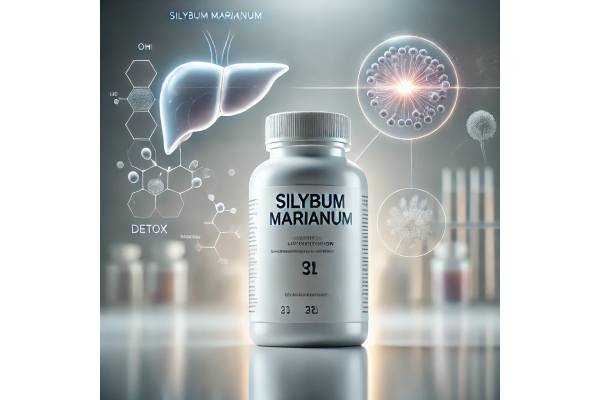
Silybum marianum, better known as milk thistle, is one of the most widely used herbal supplements for liver support. Its seeds are rich in a flavonolignan complex called silymarin, with silybin as the main active molecule. These compounds act as antioxidants, help stabilize cell membranes, and may influence how the liver handles toxins and inflammation.
Today, Silybum marianum appears in capsules, tinctures, and combination formulas marketed for fatty liver, detox support, and general liver “protection.” Early and modern research suggests potential benefits for certain chronic liver conditions when it is used alongside, not instead of, standard medical care. At the same time, the evidence is mixed, products vary in quality, and dosing is not fully standardized.
This guide walks through what Silybum marianum is, how it may work, realistic benefits, dosing ranges, side effects, and how to decide whether it fits into a broader liver health plan with your clinician.
Key Insights for Silybum marianum
- Silybum marianum (milk thistle) supplies silymarin and silybin, antioxidant compounds that may help protect liver cells from oxidative and toxin-related stress.
- Clinical trials show modest improvements in liver enzyme levels in some chronic liver diseases when Silybum marianum is added to standard medical treatment.
- Common supplement intakes provide around 140–420 mg silymarin per day from standardized extract, usually divided into two or three doses with meals.
- Mild gastrointestinal upset, headache, and allergic reactions are the most frequently reported side effects, and serious toxicity appears uncommon at typical doses.
- People who are pregnant, breastfeeding, on multiple prescription medications, have hormone-sensitive conditions, or are allergic to ragweed or related plants should use Silybum marianum only under medical supervision or avoid it entirely.
Table of Contents
- What is Silybum marianum and how does it work?
- Key benefits of Silybum marianum for liver and beyond
- How to use Silybum marianum in daily practice
- Silybum marianum dosage guidelines for adults
- Side effects, interactions, and who should avoid it
- Choosing quality Silybum marianum supplements and products
What is Silybum marianum and how does it work?
Silybum marianum is a thorny plant in the Asteraceae (daisy) family, native to the Mediterranean and now naturalized worldwide. The supplement you see on shelves is usually an extract from the plant’s seeds (technically fruits), standardized for a group of compounds called silymarin. Silymarin is not a single molecule but a mixture of flavonolignans, including silybin, isosilybin, silychristin, and silydianin, with silybin regarded as the most pharmacologically active.
From a biochemical standpoint, Silybum marianum is thought to support liver function through several overlapping mechanisms. Silymarin acts as an antioxidant, scavenging reactive oxygen species that can damage liver cell membranes and intracellular structures. It may also help upregulate the body’s own antioxidant defenses by influencing glutathione and related enzymes. This is important because oxidative stress is a key driver of chronic liver injury.
Another proposed mechanism is membrane stabilization. Silymarin appears to integrate into liver cell membranes, making them more resistant to toxins and inflammatory damage. Experimental models suggest that it can reduce the uptake of certain toxic substances into hepatocytes and support regeneration after injury by promoting protein synthesis in liver cells.
Silymarin and its components also interact with cell signaling pathways involved in inflammation and fibrosis. Laboratory data suggest modulation of nuclear transcription factors, a reduction in pro-inflammatory mediators, and influences on stellate cells that drive scar formation in the liver. These effects are complex and not fully understood in humans, but they form the rationale for using Silybum marianum in conditions like nonalcoholic fatty liver disease, toxin-induced liver injury, and as supportive care in chronic liver diseases.
Outside the liver, Silybum marianum has been studied for potential effects on blood sugar regulation, lipid metabolism, and even dermatological and neurological conditions, largely through its antioxidant and anti-inflammatory actions. However, evidence in these areas is more preliminary.
Importantly, despite these mechanisms, Silybum marianum is best viewed as an adjunctive, supportive option rather than a stand-alone treatment for serious liver disease. It does not replace antiviral drugs, lifestyle changes, or other conventional therapies prescribed by a clinician.
Key benefits of Silybum marianum for liver and beyond
When people reach for Silybum marianum, they are usually aiming to “support the liver.” Modern research does not fully confirm all traditional claims, but it does provide cautious support for several potential benefits, mainly when the herb is added to standard care rather than used instead of it.
One of the most consistent findings across trials is a modest improvement in liver enzyme markers such as ALT and AST in certain chronic liver conditions. In nonalcoholic fatty liver disease and other long-standing liver disorders, standardized silymarin supplements have often led to small reductions in these enzymes compared with baseline or control groups. A decrease in enzyme levels can indicate reduced ongoing liver cell injury, although it is not, by itself, proof of disease reversal.
Silybum marianum has also been studied as supportive therapy in chronic viral hepatitis, alcoholic liver disease, and toxin-induced liver injury. In many of these studies, participants continued their conventional treatments and added a silymarin supplement. Some trials report improved biochemical markers, better symptoms such as fatigue or abdominal discomfort, and in some cases, improved oxidative stress markers. The strength and consistency of these benefits vary, and not all studies are positive, so expectations should remain realistic.
Beyond the liver, there is growing interest in metabolic effects. Some research suggests that Silybum marianum may modestly improve insulin resistance or fasting blood glucose in people with type 2 diabetes or metabolic syndrome. Small reductions in LDL cholesterol and triglycerides have also been observed in certain studies. These findings align with the herb’s antioxidant and anti-inflammatory profile, but they are not yet strong enough to treat metabolic disorders on their own.
The antioxidant and membrane-stabilizing properties of silymarin have led to exploratory research in kidney protection, brain health, skin conditions, and chemotherapy-related side effects. For example, silymarin has been evaluated as an adjunct to reduce certain drug-induced toxicities or oxidative damage. While these results are intriguing, evidence is still emerging, and such uses should be supervised by a specialist.
In summary, the most supported benefits of Silybum marianum are:
- Modest improvements in liver enzyme levels in some chronic liver diseases.
- Potential supportive effects on liver regeneration and oxidative stress.
- Possible assistance with aspects of metabolic health in selected populations.
These benefits appear to be additive to, not a replacement for, standard medical care and lifestyle measures.
How to use Silybum marianum in daily practice
If you and your clinician decide that Silybum marianum could be appropriate, the next questions are how to use it, for how long, and in what scenarios it makes sense. The most common approach is as a standardized extract in capsule or tablet form, taken for several weeks to months as part of a broader liver care or metabolic health plan.
Standardized extracts typically contain 70–80% silymarin by weight. This standardization matters because the active compounds, especially silybin, are not evenly distributed in raw plant material. A labeled extract helps ensure you receive a more predictable amount of active constituents from batch to batch. Non-standardized powders, teas, or tinctures can still have value but are more variable in composition and potency.
Timing with meals can influence comfort and absorption. Many people take Silybum marianum two or three times per day with food to minimize gastrointestinal upset. Fat in the meal may modestly improve the absorption of silymarin, which is relatively poorly soluble in water. For those with sensitive digestion, starting with a low dose once per day and gradually increasing allows you to monitor tolerance.
Silybum marianum is often used in these practical situations:
- As adjunctive support for stable chronic liver disease under specialist care.
- During or after exposure to recognized liver stressors (for example, certain medicines) if a clinician agrees it is appropriate.
- As part of a broader plan targeting nonalcoholic fatty liver disease, alongside weight management, physical activity, and dietary changes.
- In carefully supervised protocols where oxidative stress or inflammation is a concern.
Because many Silybum marianum products combine the herb with other botanicals or nutrients, it is wise to review the entire formula, not just the milk thistle component. Added ingredients such as turmeric, N-acetylcysteine, or vitamins may offer additional support but can also complicate drug interaction profiles.
Duration of use is another consideration. Trials often run from eight to twenty-four weeks, sometimes longer in chronic conditions. Long-term continuous use appears generally well tolerated at typical doses, but periodic reassessment is advisable. Working with your clinician to set specific goals (such as target lab markers, symptom trends, or treatment milestones) makes it easier to decide whether ongoing use is worthwhile.
Finally, Silybum marianum should always be positioned as part of a comprehensive approach. Alcohol intake, body weight, diet quality, exercise, and management of underlying conditions such as diabetes generally have a much larger impact on liver outcomes than any single supplement.
Silybum marianum dosage guidelines for adults
There is no single universally accepted dosage for Silybum marianum, but published trials and traditional clinical practice offer useful ranges. Most modern supplements are standardized to approximately 70–80% silymarin, and typical daily intakes for adults fall between 140 mg and 420 mg of silymarin, divided into two or three doses with meals.
A common regimen for general liver support is around 140 mg of silymarin two to three times daily. For example, a capsule containing 140 mg of standardized extract might be taken at breakfast and dinner. Some studies in chronic liver disease and nonalcoholic fatty liver disease have used higher daily totals, up to 600–800 mg of silymarin, generally still divided across multiple doses. Higher doses should only be considered under medical supervision, particularly if there are comorbidities or multiple medications.
It is important to distinguish between the weight of the whole extract and the weight of silymarin within that extract. A label might state “350 mg milk thistle extract standardized to 80% silymarin,” which means each capsule delivers 280 mg silymarin. When comparing products or aligning with trial data, focus on the standardized silymarin amount rather than just the total extract weight.
For liquid extracts or tinctures, dosing is less standardized. Products may be labeled in drops or milliliters rather than milligrams, and the actual silymarin content is rarely specified. In such cases, following the manufacturer’s instructions and consulting a practitioner experienced with botanical dosing becomes more important, especially for long-term or higher-intensity use.
Certain populations require extra caution with dosing:
- Older adults may need to start at the lower end of the range because of age-related changes in liver and kidney function and higher rates of polypharmacy.
- People with diabetes or metabolic syndrome should have blood glucose monitored, as silymarin may modestly influence glycemic control.
- Those with preexisting liver failure, active hepatitis, or other serious conditions must not adjust or add supplements without input from their hepatologist or primary physician.
Children’s dosing is not well established and should not be improvised at home. Pregnant and breastfeeding individuals should avoid self-prescribing Silybum marianum, as safety data in these groups remain limited.
Because Silybum marianum is a supportive therapy rather than a cure, dosage decisions should be anchored to clear treatment goals, regular follow-up, and laboratory monitoring where appropriate, rather than escalated indefinitely.
Side effects, interactions, and who should avoid it
At typical supplemental doses, Silybum marianum is generally well tolerated, but “natural” does not mean risk free. Understanding its side effect profile and potential interactions helps you use it more safely.
The most commonly reported side effects are mild and gastrointestinal: nausea, bloating, soft stools, or abdominal discomfort. These reactions often improve when the supplement is taken with food or when the dose is reduced. Headache, fatigue, or a transient feeling of fullness have also been described in some users.
Allergic reactions are possible, especially because Silybum marianum belongs to the Asteraceae family. People who are allergic to ragweed, daisies, marigolds, or chrysanthemums may be more likely to react. Symptoms can include rash, itching, or, rarely, more serious reactions. Anyone experiencing difficulty breathing, facial swelling, or severe hives after taking the herb should seek urgent medical care.
Silymarin components may influence drug-metabolizing enzymes and transporters in the liver and intestines. Laboratory and human data suggest potential effects on certain cytochrome P450 isoenzymes and P-glycoprotein. This raises the theoretical risk of altering blood levels of medications that depend on these pathways, such as some anticoagulants, antiepileptics, immunosuppressants, and drugs with a narrow therapeutic window. While clinically significant interactions appear uncommon, they are possible, particularly with higher doses or concentrated formulations.
Because of these concerns, the following groups should avoid Silybum marianum or use it only under close medical supervision:
- Individuals taking critical-dose medications such as warfarin, certain antirejection drugs, or some chemotherapy agents.
- People with hormone-sensitive conditions (for example, certain breast, uterine, or ovarian cancers), as silymarin exhibits weak estrogen-like activity in some experimental models.
- Pregnant or breastfeeding individuals, due to limited and mixed human safety data.
- Children, unless specifically guided by a pediatric specialist.
There have been rare reports of elevated liver enzymes or other laboratory changes associated with Silybum marianum use, though most data suggest a favorable safety margin. The key is context: people who are already medically fragile, have advanced liver disease, or take many medications need individualized risk-benefit assessments.
Finally, over-reliance on Silybum marianum as a “detox” solution can be risky if it delays diagnosis or treatment of serious disease. Unexplained fatigue, jaundice, dark urine, abdominal swelling, confusion, or rapid weight changes should always be evaluated by a clinician rather than attributed to “toxins” and self-treated with supplements.
Choosing quality Silybum marianum supplements and products
The quality of Silybum marianum products on the market varies widely. Selecting a reliable supplement is almost as important as deciding whether to use the herb at all, because potency, purity, and contamination can significantly affect outcomes.
A good starting point is standardization. Look for products that clearly state the amount of extract per serving and the percentage of silymarin, typically 70–80%. Labels that only list “milk thistle” or “Silybum marianum” without standardized silymarin content make it difficult to compare doses or align with research. If the label also specifies the amount of silybin within the silymarin fraction, that is an additional sign of attention to detail.
Third-party testing is another important marker of quality. Many reputable brands submit their products to independent laboratories for analysis of potency and contaminants such as heavy metals, pesticides, and microbial impurities. Seals from recognized testing organizations or explicit statements about laboratory verification can help you distinguish better products, though these seals are not a guarantee of perfection.
Formulation type may also matter. Standard extracts in conventional capsules are the most common and most studied. Some products use “phytosome” or similar technologies that combine silybin with phospholipids to improve absorption. These enhanced-bioavailability forms may achieve higher blood levels of active compounds at lower doses, but they are also more concentrated and should be used thoughtfully, especially with interacting medications.
Combination formulas that pair Silybum marianum with other liver-related ingredients, such as artichoke, dandelion, or N-acetylcysteine, can be convenient, but they add complexity. Each added component brings its own potential interactions and dose considerations. If you already take several supplements, a simpler single-ingredient milk thistle product may make monitoring easier.
Practical tips when choosing and using Silybum marianum include:
- Prefer brands that provide detailed labeling, including silymarin percentage and total milligrams per dose.
- Check for third-party testing statements or certifications where available.
- Avoid products with excessive proprietary blends that obscure the true dose of Silybum marianum.
- Start with a moderate dose and one product at a time so you can identify any side effects.
- Reassess the need for ongoing supplementation periodically with your healthcare professional, especially if lab values, medications, or health status change.
Thoughtful product selection, combined with realistic expectations and medical guidance, allows Silybum marianum to be integrated more safely and effectively into a comprehensive liver and metabolic health strategy.
References
- Impact of Silymarin Supplements on Liver Enzyme Levels: A Systematic Review 2023 (Systematic Review)
- Safety and Toxicity of Silymarin, the Major Constituent of Milk Thistle Extract: An Updated Review 2019 (Systematic Review)
- A Review of Therapeutic Potentials of Milk Thistle (Silybum marianum) and Silymarin in Disease Prevention and Treatment 2022 (Systematic Review)
- Milk Thistle 2024 (Clinical Overview)
- Silybin, a Major Bioactive Component of Milk Thistle (Silybum marianum L. Gaernt.)—Chemistry, Bioavailability, and Metabolism 2017 (Review)
Disclaimer
The information in this article is for general educational purposes only and is not a substitute for personalized medical advice, diagnosis, or treatment. Silybum marianum and other herbal supplements can interact with prescription and nonprescription medicines and may not be appropriate for every person or condition. Always consult a qualified healthcare professional before starting, stopping, or changing any supplement or medication, especially if you have a diagnosed illness, are pregnant or breastfeeding, or are taking multiple drugs. Never delay seeking or disregard professional medical advice because of something you have read here.
If you found this article helpful, you are warmly invited to share it with others on Facebook, X (formerly Twitter), or any platform you prefer, and to follow our work on social media. Your support in sharing our content helps our team continue to research and publish clear, evidence-informed health information.