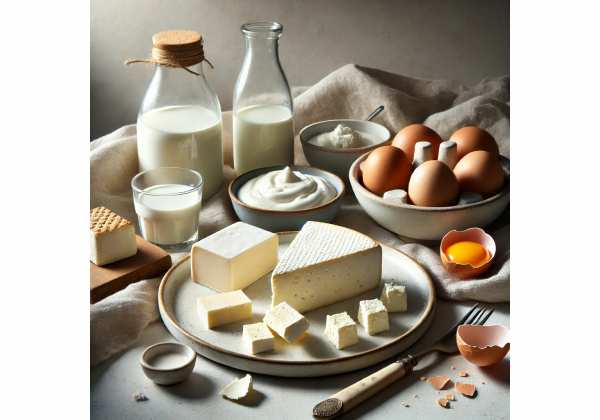
Sirene—Bulgaria’s iconic white brined cheese—is tangy, creamy, and pleasantly salty, with a delicate crumble that holds together better than many fetas. Traditionally made from cow’s, sheep’s, goat’s milk, or a blend, sirene brings big flavor to simple food: tomatoes and cucumbers in Shopska salad, warm flatbreads, baked peppers, or flaky banitsa pastry. Nutritionally, it’s a compact source of high-quality protein, bioavailable calcium, vitamin B12, and iodine from salt, yet it can run high in sodium and saturated fat. The key is portion-smart enjoyment—small cubes or crumbles used to finish meals rich in vegetables, legumes, and whole grains. This guide gives a clear overview of sirene’s styles, how it compares with similar cheeses, what “per 100 g” nutrition looks like, practical ways to reduce saltiness, and safety must-knows (like pasteurization and brine handling). Whether you’re exploring Balkan flavors or planning balanced, Mediterranean-leaning meals, you’ll find step-by-step tips to select, store, cook, and portion sirene with confidence.
Quick Overview
- Provides concentrated calcium, protein, and vitamin B12 per small serving.
- Typically high in sodium; rinse or briefly soak to reduce saltiness before use.
- Standard portion: 30 g (about 1 ounce) as a garnish or side, several times per week within saturated-fat and sodium goals.
- Avoid if you have a milk protein allergy; choose pasteurized sirene during pregnancy or if immunocompromised.
Table of Contents
- Sirene Cheese: Detailed Overview
- Sirene Cheese Nutrition per 100 g
- Evidence-Based Health Benefits
- Risks, Allergies and Interactions
- Selecting, Quality, Sustainability and Storage
- Preparation, Cooking and Nutrient Retention
- Portions, Comparisons and FAQs
Sirene Cheese: Detailed Overview
Sirene (сирене) is a protected-style white brined cheese central to Bulgarian cuisine and widely enjoyed across the Balkans. Unlike fresh soft cheeses, sirene is set, cut, salted, and matured in brine, usually for several weeks. The result is clean lactic aromas, a fine crumble that still slices, and a bright, savory finish. Its salt level and moisture vary by producer; artisanal wheels can be firmer and more piquant, while industrial blocks are often creamier and more uniform.
Milk sources and style differences
- Cow’s milk sirene is most common: balanced tang, moderate richness, and a snow-white paste.
- Sheep’s milk versions taste rounder and sweeter with a richer mouthfeel due to higher milk solids.
- Goat’s milk sirene can be more aromatic and slightly grassier, with a whiter color.
- Mixed-milk sirene aims for flavor balance and consistent texture.
How sirene is made (simplified)
- Milk is pasteurized (or occasionally left raw by some small producers), inoculated with starter cultures, and coagulated with rennet.
- The curd is cut, lightly pressed or ladled to drain, then salted and submerged in brine.
- Maturation continues in brine at cool temperatures to develop structure and flavor.
- The cheese is stored and sold in brine to maintain its characteristic salinity and crumble.
What sets sirene apart from feta?
Both are white brined cheeses, but sirene often tastes less aggressively tangy and holds shape better when sliced. Sirene is also a kitchen workhorse: it crumbles beautifully over salads, bakes into pastries without melting away, and softens (rather than fully melting) when heated, lending body to omelets, vegetable bakes, and tomato sauces.
Culinary profile
- Texture: Semi-firm but yielding; fine, slightly creamy crumble.
- Flavor: Clean lactic acidity with gentle saltiness; sheep’s milk versions show sweetness and depth.
- Performance: Holds shape in baking, softens over heat, and seasons dishes—often replacing added salt.
Best uses
- Cold: Shopska salad; tomatoes with herbs; watermelon with sirene; mezze boards.
- Hot: Banitsa and other layered pastries; baked peppers; vegetable gratins; eggs and flatbreads.
- Finishing: Crumbled over grains and roasted vegetables to add savoriness and calcium without heavy sauces.
Use sirene as a condiment-like cheese: a little goes a long way, bringing salt, umami, and creaminess while keeping portions modest.
Sirene Cheese Nutrition per 100 g
Values below represent typical unsmoked, brined, pasteurized sirene. Composition varies by milk type, brine strength, and aging. % Daily Value (%DV) uses current adult DVs: energy in kcal; total fat 78 g; saturated fat 20 g; carbohydrate 275 g; dietary fiber 28 g; sodium 2300 mg; calcium 1300 mg; potassium 4700 mg; phosphorus 1250 mg; vitamin B12 2.4 µg; vitamin A 900 µg RAE.
Macros and Electrolytes
| Nutrient | Amount (per 100 g) | %DV |
|---|---|---|
| Energy | 260–290 kcal | — |
| Total Fat | 22–26 g | 28–33% |
| Saturated Fat | 13–16 g | 65–80% |
| Monounsaturated Fat | 6–8 g | — |
| Polyunsaturated Fat | 0.7–1.2 g | — |
| Carbohydrate | 1.0–2.5 g | 0% |
| Total Sugars (incl. lactose) | 0.8–1.8 g | — |
| Dietary Fiber | 0 g | 0% |
| Protein | 15–17 g | 30–34% |
| Cholesterol | 55–75 mg | 18–25% |
| Sodium | 1000–1600 mg | 43–70% |
| Potassium | 80–130 mg | 2–3% |
| Water | 52–60 g | — |
Fats and Fatty Acids (typical distribution)
| Component | Approx. amount (g/100 g) | Notes |
|---|---|---|
| Saturated fatty acids (total) | 13–16 | Predominantly palmitic, myristic, stearic |
| Monounsaturated fatty acids (total) | 6–8 | Mainly oleic acid (C18:1 n-9) |
| Polyunsaturated fatty acids (total) | 0.7–1.2 | Linoleic (n-6) and alpha-linolenic (n-3) |
| Conjugated linoleic acid (CLA) | 0.2–0.6 | Varies with pasture and milk type |
Protein and Amino Acids
| Item | Amount | Comment |
|---|---|---|
| Protein (total) | 15–17 g | Complete protein with all essential amino acids |
| Leucine | ~1.2–1.6 g | Supports muscle protein synthesis |
| Lysine | ~1.3–1.6 g | Often limiting in plant foods; cheese complements grains |
Vitamins (unfortified; ranges reflect milk type and season)
| Vitamin | Amount (per 100 g) | %DV |
|---|---|---|
| Vitamin B12 (cobalamin) | 1.0–1.6 µg | 42–67% |
| Riboflavin (B2) | 0.25–0.35 mg | 19–27% |
| Vitamin A (RAE) | 120–220 µg | 13–24% |
| Vitamin D | 0.2–0.7 µg | 1–4% |
Minerals
| Mineral | Amount (per 100 g) | %DV |
|---|---|---|
| Calcium | 350–500 mg | 27–38% |
| Phosphorus | 250–350 mg | 20–28% |
| Zinc | 2.0–3.0 mg | 18–27% |
| Selenium | 10–20 µg | 18–36% |
| Iodine (from iodized salt, variable) | Variable | Depends on brine salt source |
Allergens and Intolerance Markers
- Milk proteins (casein, whey): Present; can trigger allergy.
- Lactose: Naturally low due to fermentation and brining (often <2 g/100 g), but not zero.
- Biogenic amines: Tyramine/histamine may be present from aging; varies by producer and storage.
Glycemic and Acid–Base Metrics
- Glycemic Index: Not applicable (very low carbohydrate).
- PRAL (acid load): Slightly acid-forming; balance with vegetables and legumes.
Footnote on additives and fortification: Labels may list calcium chloride (curd firmness), starter cultures, and rennet (often animal; some brands use microbial rennet). Salt content reflects brining; reduced-sodium versions may use potassium-enriched salts.
Evidence-Based Health Benefits
Compact, bioavailable calcium for bones and teeth. Sirene delivers roughly 27–38% of the daily value for calcium per 100 g, and even a 30 g portion contributes meaningfully. Calcium from dairy is well absorbed and supports bone mineral density across life stages when combined with adequate protein, vitamin D status, and weight-bearing activity.
High-quality protein that complements plant foods. At 15–17 g protein per 100 g, sirene supplies all essential amino acids and pairs especially well with legumes and grains. A salad of beans, tomatoes, cucumbers, and a modest crumble of sirene turns into a complete, satisfying meal with improved protein quality.
Vitamin B12 and riboflavin for energy metabolism. Small portions of sirene provide notable B12 and B2, nutrients that support red blood cell formation and mitochondrial energy production. This is particularly helpful in flexitarian patterns where animal foods are used sparingly.
Flavor density that promotes satisfaction at smaller amounts. Because sirene is tangy and salty, 10–30 g can season a whole dish. That can reduce the need for heavy sauces or additional salt, especially when sirene is added at the end of cooking.
Iodine (when iodized salt is used) and selenium. Many sirene products are made with iodized salt, contributing to thyroid hormone synthesis. Selenium content also supports antioxidant enzymes (e.g., glutathione peroxidases). Amounts vary; check local labeling.
Practical strategies to maximize benefits
- Use as a finishing ingredient. Add sirene after cooking to preserve aroma and avoid unnecessary salt concentration from evaporation.
- Leverage pairings. Combine with potassium-rich foods (tomatoes, cucumbers, leafy greens) to balance sodium and support blood pressure goals.
- Rinse or soak to dial back salt. A brief cold-water rinse or 5–10 minute soak in water or milk noticeably reduces surface saltiness without losing the cheese’s character.
Perspective matters. Sirene is still a high-sodium, high-saturated-fat food. Treat it as a flavor accent within a dietary pattern rich in vegetables, whole grains, legumes, nuts, seeds, and unsaturated oils. In that role, it brings nutrients and culinary pleasure with relatively small portions.
Risks, Allergies and Interactions
Sodium load. Typical sirene ranges 1000–1600 mg sodium per 100 g, meaning a 30 g serving can contribute 430–700 mg (19–30% DV). If you manage blood pressure or kidney disease, keep portions modest and take advantage of rinsing/soaking to reduce saltiness. Build meals with potassium-rich sides (tomatoes, beans, greens) to counterbalance sodium’s effect on blood pressure.
Saturated fat and LDL cholesterol. Sirene’s 13–16 g saturated fat per 100 g can push daily intake above heart-healthy targets if portions are large. Many people do best limiting saturated fat to a small fraction of daily calories while emphasizing unsaturated fats (olive oil, nuts, seeds, fish). Use sirene primarily to finish dishes, not as the main cooking fat.
Allergy and intolerance.
- Milk protein allergy: Avoid sirene unless your allergist confirms tolerance; even small amounts of casein/whey can trigger reactions.
- Lactose intolerance: Sirene is low in lactose and is often tolerated in small portions. Test your individual response.
Food safety (pasteurization and brine).
- Choose pasteurized sirene during pregnancy, for older adults, or if immunocompromised. Soft and fresh cheeses made from raw milk have a higher risk of contamination with harmful bacteria.
- Keep sirene refrigerated in its brine. Use clean utensils to prevent cross-contamination. Avoid reusing leftover brine for dressings or marinades.
Biogenic amines and medications.
- Tyramine forms in aged and brined cheeses and can interact with monoamine oxidase inhibitors (MAOIs), potentially causing dangerous blood-pressure spikes. Individuals on MAOIs should consult their prescriber about acceptable cheese choices and amounts.
- Histamine intolerance may be aggravated by aged, brined cheeses; monitor symptoms and choose fresher, lower-aged options if sensitive.
Renal and fluid considerations. People with advanced kidney disease or on sodium-restricted diets may need to limit or avoid brined cheeses. Ask your clinician or renal dietitian for individualized advice.
Vegetarian suitability. Many traditional sirene recipes use animal rennet. If you avoid animal rennet, look for products explicitly labeled microbial or vegetarian rennet.
Selecting, Quality, Sustainability and Storage
Reading labels smartly
- Pasteurized milk: Prioritize for safety, especially in pregnancy and for immunocompromised eaters.
- Milk type: Cow’s (mild), sheep’s (richer), goat’s (more aromatic), or blends.
- Ingredients: Milk, salt, cultures, rennet; some brands include calcium chloride for curd firmness.
- Salt content: Look for sodium per 100 g on the label; if salt is listed instead, remember that 1 g salt ≈ 400 mg sodium.
- Rennet source: Choose vegetarian rennet if you avoid animal enzymes.
Quality cues at purchase
- Appearance: Even white paste, no cracks or dryness; brine should be clear, not cloudy or slimy.
- Aroma: Clean, lactic, and fresh; avoid harsh sour, yeasty, or ammonia notes.
- Texture: Semi-firm block that crumbles when pressed but does not disintegrate; slight creaminess on the tongue.
Sustainability considerations
- Regional sourcing: Buying local or regional cheeses can reduce transport emissions and support small dairies and traditional grazing systems.
- Seasonality and feed: Pasture-rich seasons can influence flavor and micronutrient content.
- Packaging: Look for recyclable tubs and keep brine sealed to limit food waste.
Storage, handling, and shelf life
- Refrigerate at ≤4 °C in original brine; keep the block fully submerged to prevent drying and microbial growth.
- After opening, use clean utensils and transfer leftovers to a clean container with fresh brine if the original looks cloudy.
- Shelf life: Unopened, follow “best by” dates. Once opened and kept submerged, sirene maintains quality for 1–2 weeks; discard if you see mold on the cheese surface, slimy texture, or persistent off-odors.
- Freezing: Possible but texture changes to more crumbly and drier. If you freeze, portion in small cubes, wrap tightly, and use within 2–3 months for cooked dishes.
Reducing saltiness without losing character
- Rinse cubes under cold water just before serving.
- Soak slices in cold water or milk for 5–10 minutes, taste, and repeat briefly if needed. Pat dry before cooking or crumbling—this simple step can markedly soften the salty edge.
Preparation, Cooking and Nutrient Retention
Everyday, high-impact uses
- Shopska salad: Tomatoes, cucumbers, roasted pepper, onion, parsley, and finely grated sirene on top. The cheese seasons the whole bowl—no extra salt needed.
- Banitsa and savory pastries: Mix crumbled sirene with eggs and yogurt; layer with filo and bake until deeply golden.
- Vegetable bakes: Toss zucchini, eggplant, or tomatoes with olive oil and herbs, bake, then finish with sirene crumbles and a splash of vinegar or lemon.
- Eggs and flatbreads: Scatter a small handful over omelets, shakshuka, or grilled flatbread; the cheese softens and provides salty, creamy contrast.
- Summery plates: Watermelon or stone fruit with sirene and mint: sweet-salty contrast that encourages portion control naturally.
Techniques that respect sirene’s structure
- Add late: Sirene softens quickly; add near the end to preserve texture and reduce salt concentration from evaporation.
- Balance with acidity: Lemon juice, yogurt, or vinegar lifts richness and keeps dishes bright without extra salt.
- Use measured portions: Pre-cube 30 g portions to avoid “accidental” extra handfuls when cooking.
- Rinse/soak before hot dishes: Especially helpful when baking or sautéing, so the final dish isn’t overly salty.
Nutrient retention notes
- Calcium and protein are heat-stable; typical home cooking won’t degrade them.
- B-vitamins can leach into water if you simmer sirene in liquid; keep pieces larger or add at the end for soups and stews.
- Sodium doesn’t disappear during cooking; reducing at the source (rinsing/soaking) is more effective than trying to “cook it off.”
Smart swaps and blends
- Half-sirene, half-yogurt for creamy dips with less sodium and saturated fat per serving.
- Half-sirene, half-ricotta in bakes to keep moisture while dialing back salt.
- Herb-packed finishes (parsley, dill, mint) stretch flavor so you can use less cheese without losing satisfaction.
Food safety in the kitchen
- Keep sirene cold until use, handle with clean hands/utensils, and never reuse brine. If packing mezze or picnic boxes, keep cheese in a sealed container on ice and return leftovers to the fridge promptly.
Portions, Comparisons and FAQs
What’s a sensible portion of sirene, and how often?
- Aim for 30 g (about 1 ounce) at a time—roughly two dice-sized cubes or a small handful of crumbles. This gives you notable protein and calcium with better control over sodium and saturated fat. Frequency depends on your overall diet: many people do well enjoying sirene several times per week as a finishing ingredient.
How does sirene compare with similar cheeses?
- Feta: Often tangier and slightly more crumbly; sodium and fat are in the same ballpark. Sirene tends to slice a bit better and read a touch creamier on the palate.
- Halloumi: Much firmer and grillable; usually higher in sodium per 100 g.
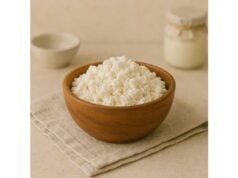
- Ricotta and cottage cheese: Fresher, lower in sodium (especially no-salt-added cottage), higher moisture, and different culinary roles.
- Aged hard cheeses (Parmesan, Pecorino): Drier, more intense; smaller portions go far, but they still contribute saturated fat and sodium.
Is sirene lactose-free?
- Not completely. It’s low in lactose compared with fresh milk, and many lactose-intolerant individuals tolerate small servings. If sensitive, start with 10–15 g, assess your response, and pair with fiber-rich foods.
Can I eat sirene during pregnancy?
- Yes—if pasteurized and handled properly. Avoid raw-milk soft and fresh cheeses due to higher contamination risk. Keep packages refrigerated and respect use-by dates.
Any interactions with medications?
- People taking MAO inhibitors should discuss aged/brined cheeses (tyramine) with their prescriber. If advised to restrict tyramine, choose fresher cheeses or alternative proteins.
How can I reduce the saltiness without losing flavor?
- Rinse briefly under cold water and/or soak 5–10 minutes in water or milk, then pat dry. Add plenty of fresh herbs, lemon, or vinegar and serve with potassium-rich vegetables to maintain vibrancy with less salt.
Vegetarian considerations?
- Traditional sirene often uses animal rennet. If you prefer vegetarian options, look for microbial rennet on the label.
Budget and storage tips
- Buy larger blocks for better value, then portion into 30 g cubes in fresh brine. Keep one small container for immediate use and freeze extra only if you plan to bake or cook it later (texture becomes more crumbly after thawing).
References
- Saturated Fat | American Heart Association 2024 (Guideline)
- How Listeria Spread: Soft Cheeses and Raw Milk | Listeria Infection | CDC 2025 (Public Health Guidance)
- Reducing sodium intake to reduce blood pressure and risk of cardiovascular diseases in adults 2023 (Guideline)
- USDA FoodData Central 2025 (Database)
- Nutrition Facts for Feta Cheese 2024 (Database Summary)
Disclaimer
This guide is for general education and does not replace personalized advice from your healthcare professional. If you have milk allergy, kidney disease, cardiovascular risk factors, or are pregnant or immunocompromised, discuss sirene and other brined cheeses with your clinician or a registered dietitian. Always choose pasteurized products for higher-risk groups and handle perishable foods under safe refrigeration.
If this article helped you, please consider sharing it on Facebook, X (formerly Twitter), or another platform you enjoy. Your support helps us continue creating clear, practical nutrition resources.