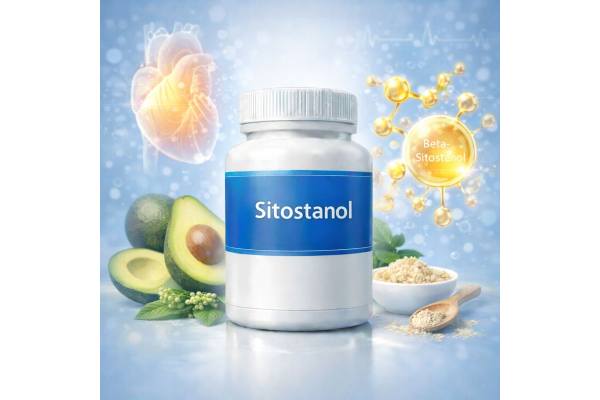
Sitostanol is a plant-derived compound best known as the active ingredient in certain “cholesterol-lowering” margarines, yogurts, and functional foods. It belongs to the family of plant stanols, which are natural substances found in small amounts in vegetable oils, nuts, seeds, and whole grains. When formulated as sitostanol esters and eaten with meals, it can reduce how much cholesterol you absorb from your gut and, over time, lower LDL (“bad”) cholesterol in the bloodstream.
For many adults with mildly to moderately elevated cholesterol, sitostanol-enriched foods can be a useful add-on to lifestyle changes and, in some cases, to statin therapy. They are not magic bullets, and they do not replace a heart-healthy diet, but the LDL reduction they provide is real, measurable, and supported by controlled clinical trials. This guide walks through how sitostanol works, realistic benefits, evidence-based dosage ranges, practical usage tips, and important safety considerations so you can discuss informed options with your healthcare professional.
Quick Overview for Sitostanol
- Sitostanol is a plant stanol that lowers LDL cholesterol by reducing intestinal cholesterol absorption.
- Daily intakes of about 1.5–3 g of plant stanols (often as sitostanol esters) can lower LDL by roughly 7–12% when used consistently.
- Products work best when taken with main meals that contain some fat, and when combined with an overall cholesterol-lowering diet.
- Typical supplemental ranges are around 1.5–3 g plant stanols per day; higher intakes are rarely used outside supervised settings.
- People with sitosterolemia, young children, and those who are pregnant or breastfeeding should avoid sitostanol-enriched foods unless specifically advised by a specialist.
Table of Contents
- What is sitostanol and how does it work?
- How sitostanol helps lower cholesterol
- How much sitostanol per day?
- Ways to use sitostanol in daily life
- Sitostanol side effects and safety
- Research evidence for sitostanol and heart health
What is sitostanol and how does it work?
Sitostanol is a plant stanol, a hydrogenated, “saturated” version of the more widely known plant sterol sitosterol. Both belong to a group called phytosterols, which structurally resemble cholesterol. In nature, sitostanol occurs only in trace amounts in foods such as whole grains, vegetable oils, and nuts. For therapeutic use, it is typically manufactured from tall oil or vegetable oil sterols and then converted into sitostanol esters that mix well with dietary fats in foods like spreads and yogurts.
The key property that makes sitostanol interesting for cholesterol management is its very low absorption. Unlike cholesterol, which is readily absorbed from the intestine, sitostanol is absorbed only to a tiny degree and is quickly excreted. When sitostanol esters are added to food and eaten with a meal, sitostanol competes with both dietary and bile-derived cholesterol for incorporation into micelles in the small intestine. Because sitostanol is structurally similar to cholesterol, it “takes the place” of cholesterol in these micelles, but does not enter the bloodstream in meaningful amounts.
As a result, less cholesterol crosses the intestinal wall and returns to the liver. The body responds to this decrease in absorbed cholesterol by pulling more LDL cholesterol out of circulation to meet its needs, lowering LDL levels in the blood. This mechanism is complementary to that of statin medications, which primarily reduce cholesterol synthesis in the liver.
It is important to distinguish sitostanol from plant sterols such as sitosterol and campesterol. Sterols are absorbed more readily and can raise blood plant sterol levels modestly, whereas sitostanol’s absorption is minimal. For individuals concerned about plant sterol accumulation or those at theoretical risk, sitostanol-based products are often considered a preferable option.
In practice, sitostanol is almost always consumed as part of “plant stanol ester” functional foods rather than as pure powder. These products are designed so that a typical serving provides a defined amount of plant stanols (often 1–2 g per day when used as directed), making dosing more predictable in everyday life.
How sitostanol helps lower cholesterol
The main reason people use sitostanol is its LDL-cholesterol-lowering effect. Clinical trials and meta-analyses show that plant stanols, usually provided as sitostanol esters, reduce LDL cholesterol by roughly 7–12% at daily intakes around 1.5–3 g of stanols. This effect is fairly consistent across different populations, including people with mild hypercholesterolemia and those already taking statins.
Mechanistically, sitostanol acts in the intestinal lumen rather than in the liver. During digestion, fats and cholesterol are emulsified by bile acids to form micelles, which ferry lipids to the intestinal wall. Sitostanol integrates into these micelles and competes with cholesterol for space. Because sitostanol is poorly transported into intestinal cells and rapidly returned to the lumen, its presence effectively reduces the fraction of cholesterol that gets absorbed. Studies show that plant stanols can cut fractional cholesterol absorption by about 30–45%, depending on dose and food matrix.
The decrease in cholesterol absorption has several downstream consequences:
- The liver receives less cholesterol from the intestine and must draw more from circulating LDL particles.
- LDL receptors in the liver are upregulated, increasing clearance of LDL from the blood.
- Over time, fasting LDL cholesterol levels fall, typically within 2–3 weeks of starting sitostanol-enriched foods.
In many trials, total cholesterol drops as well, driven mainly by the LDL component. High-density lipoprotein (HDL) cholesterol and triglycerides are usually minimally affected, although some combinations of stanols with other dietary strategies may slightly improve overall lipid profiles.
Importantly, the LDL reduction from sitostanol is additive to other interventions. When individuals already following a cholesterol-lowering diet add 2 g per day of plant stanols, their total LDL reduction can approach 15–20%. When sitostanol is combined with statin therapy, additional LDL reductions of about 7–12% beyond the statin alone have been observed. This makes sitostanol particularly attractive for people who:
- Need extra LDL lowering but cannot increase statin dosage.
- Prefer to use a “diet-first” strategy before considering or escalating medication.
However, sitostanol does not replace statins or other guideline-directed therapies for high-risk patients. It is best understood as a supportive tool: a way to gain a modest, evidence-based LDL decrease on top of lifestyle measures and, when appropriate, medication.
How much sitostanol per day?
Most of the research on sitostanol uses daily intakes in the range of 1.5–3 g of plant stanols, usually provided as sitostanol esters in foods. Within this range, LDL reductions of about 7–12% are common. Lower doses may produce smaller effects, while higher doses rarely add much additional LDL lowering and are seldom used outside research settings.
A practical way to think about dosing is by product type:
- Stanol-enriched spreads (margarines): Often provide around 1–2 g plant stanols per 20–25 g serving (roughly one to two tablespoons). Many protocols aim for 2–3 servings spread across the day’s main meals.
- Stanol-enriched yogurt drinks or yogurts: These products frequently contain 1.5–2 g plant stanols in a single portion, intended to be consumed once daily with a meal.
- Capsules or tablets: Less commonly used and sometimes with more variable absorption, but may provide 1–2 g plant stanols per day when taken as directed with food.
Key points for dosage and timing:
- Typical effective range: 1.5–3 g plant stanols (as sitostanol esters) per day for adults with elevated LDL cholesterol.
- Frequency: Once or twice daily, ideally split across meals that contain some fat, which helps micelle formation and improves contact with dietary cholesterol.
- Onset: LDL lowering usually appears within 2–3 weeks and is maintained only while daily intake continues. Stopping the product gradually returns cholesterol levels toward baseline.
People sometimes assume that more must be better, but dose–response data suggest a plateau: beyond about 3 g per day, extra benefits are modest. Meanwhile, intake above about 3 g per day of total added phytosterols (including sterols and stanols from all fortified foods) is generally not recommended, partly due to theoretical concerns about long-term plant sterol accumulation and nutrient interactions.
Sitostanol is not routinely recommended for children, pregnant individuals, or those breastfeeding, and standard adult doses should not be applied to these groups without specialist guidance. Similarly, people with rare disorders of sterol metabolism, such as sitosterolemia, should avoid phytosterol and phytostanol products altogether unless their specialist advises otherwise.
Because sitostanol interacts with overall diet and medications, it is wise for anyone with cardiovascular disease, diabetes, or multiple risk factors to confirm target dosage and product choice with their clinician or lipid specialist.
Ways to use sitostanol in daily life
Turning sitostanol from theory into a practical habit means choosing the right format and integrating it into your normal eating pattern. Most people encounter sitostanol in the form of “cholesterol-lowering” spreads, yogurt drinks, or other fortified foods marketed for heart health. A smaller proportion use it in capsule or tablet form.
Common ways to incorporate sitostanol include:
- Replacing standard margarine or butter with a stanol-enriched spread on bread, toast, or vegetables.
- Taking a small stanol-enriched yogurt drink with one of your main meals.
- Using fortified yogurts or dairy alternatives as snacks or dessert with lunch or dinner.
Because sitostanol works where fat digestion occurs, timing and meal composition matter. It is usually most effective when consumed with meals that contain some fat—this promotes micelle formation and ensures sitostanol can compete with cholesterol in the intestinal lumen. Taking a stanol product on an empty stomach or with a very low-fat meal may blunt its impact.
A practical daily routine might look like:
- Breakfast: Use a measured portion of stanol-enriched spread on wholegrain toast.
- Lunch: If using a yogurt drink, take it mid-meal or immediately after eating.
- Dinner: If still below your target daily stanol intake, add a second small serving of stanol-enriched spread or yogurt.
To maximize benefit, sitostanol should be layered onto an overall cardioprotective lifestyle rather than used in isolation. That usually includes:
- A diet rich in vegetables, fruits, whole grains, legumes, and nuts.
- Limited intake of saturated fats (e.g., fatty meats, full-fat dairy) and trans fats.
- Adequate soluble fiber from oats, barley, legumes, and certain fruits.
- Regular physical activity and, when needed, weight management strategies.
For individuals on statins or other lipid-lowering medications, sitostanol-enriched foods can be an “add-on” strategy. They may help some people reach LDL targets without increasing drug doses, though this should be planned collaboratively with a clinician.
Finally, consistency is crucial. Sitostanol is not stored in the body in the way some nutrients are; the LDL-lowering effect depends on regular daily use. Skipping days or using products sporadically will reduce the benefit, while a steady, measured routine tends to produce more stable lipid improvements over time.
Sitostanol side effects and safety
For most adults with elevated LDL cholesterol, sitostanol is considered generally safe when used in recommended amounts. Decades of trials and post-marketing experience have not identified major safety signals in the general population. However, like any bioactive compound, sitostanol has limitations, and certain groups need to be cautious or avoid it altogether.
The most commonly reported side effects are mild and gastrointestinal, such as:
- Bloating, gas, or a feeling of fullness.
- Soft stools or, less often, mild diarrhea.
- Occasional constipation, especially if overall fiber intake is low.
These symptoms often improve as the body adapts or with small adjustments in dose or timing. If discomfort persists, it is reasonable to reduce intake or discontinue and discuss alternatives with a healthcare professional.
Because sitostanol reduces cholesterol absorption, it can also slightly lower absorption of some fat-soluble nutrients. Studies with plant stanols and sterols have shown small reductions in blood levels of beta-carotene and, in some cases, other carotenoids. This does not typically cause overt deficiency in well-nourished adults, but it is a reason to:
- Maintain a diet rich in colorful vegetables and fruits (especially yellow, orange, and dark green produce).
- Avoid megadoses of stanol products well above recommended intakes.
Important safety caveats include:
- Sitosterolemia and related sterol metabolism disorders: People with sitosterolemia absorb plant sterols excessively and have impaired excretion, leading to dangerous sterol accumulation and early atherosclerosis. Although sitostanol is absorbed much less than plant sterols, products containing phytosterols or phytostanols are usually contraindicated in this condition unless a specialist explicitly recommends them.
- Children and adolescents: Routine use of stanol-enriched foods is generally not advised in children under about 5 years, and even in older children or teenagers should only occur under professional guidance when there is a clear indication (such as familial hypercholesterolemia).
- Pregnancy and breastfeeding: There is limited safety data on long-term, high-intake phytostanol use during pregnancy or lactation. Most guidelines recommend focusing on balanced nutrition rather than cholesterol-lowering functional foods in these life stages, unless a specialist advises otherwise.
For adults on lipid-lowering medications, sitostanol does not have major known drug–drug interactions, but it does change overall cholesterol handling. Anyone with cardiovascular disease, diabetes, liver disease, or complex medication regimens should involve their clinician before adding significant amounts of stanol-enriched products.
Finally, sitostanol is not a substitute for medical evaluation. New chest pain, shortness of breath, or other cardiovascular symptoms require direct medical attention, regardless of cholesterol-lowering strategies. Think of sitostanol as one component of a broader, evidence-based plan, not as a stand-alone solution.
Research evidence for sitostanol and heart health
Sitostanol’s role in cholesterol management rests on a substantial body of clinical research, spanning controlled trials, meta-analyses, and guideline-level reviews.
One of the landmark randomized controlled trials followed adults with mild hypercholesterolemia who replaced part of their daily fat intake with margarine containing 1.8–2.6 g of sitostanol per day. Over a year, the sitostanol group experienced about a 10% reduction in total cholesterol and roughly a 14% reduction in LDL cholesterol compared with virtually no change in the control group. The product was well tolerated, demonstrating that sitostanol esters could provide a sustained LDL reduction when integrated into everyday foods.
Subsequent analyses have broadened these findings. Meta-analytic work pooling dozens of trials of plant stanols and sterols shows a clear dose–response relationship for LDL lowering, with intakes around 2 g per day lowering LDL by approximately 8–12% on average. These effects appear in diverse populations and are relatively independent of baseline cholesterol levels, though individuals with higher LDL often experience larger absolute reductions.
Research has also examined sitostanol as an add-on to statin therapy. In people already treated with statins, adding stanol-enriched foods further reduces LDL cholesterol by around 7–12% beyond statin alone, without significant safety concerns in the short- to medium-term. This additive benefit is particularly relevant for those close to, but not yet at, target LDL levels.
More recent narrative and systematic reviews have placed sitostanol in the wider context of functional foods and nutraceuticals. These reports consistently conclude that plant sterols and stanols are among the best-documented non-pharmaceutical options for LDL lowering. They highlight:
- Mechanistic plausibility via reduced cholesterol absorption.
- Robust lipid effects in short- and medium-term trials.
- Minimal serious adverse events in general adult populations.
At the same time, reviewers stress important limitations. While LDL reduction is a well-accepted surrogate for cardiovascular risk reduction, direct outcome trials showing that sitostanol-enriched foods alone reduce heart attacks or strokes are limited. Most large cardiovascular outcome trials focus on statins and other drugs. Therefore, current expert opinion typically positions sitostanol as an adjunct to, not a replacement for, established therapies in moderate- to high-risk individuals.
Overall, the research supports a clear, modest, and clinically meaningful LDL-cholesterol-lowering effect of sitostanol when used as part of a balanced lifestyle strategy and, when needed, alongside medications under professional guidance.
References
- Plant Sterols and Plant Stanols in Cholesterol Management and Cardiovascular Prevention 2023 (Systematic Review)
- Reduction of Serum Cholesterol with Sitostanol-Ester Margarine in a Mildly Hypercholesterolemic Population 1995 (RCT)
- Efficacy and Safety of Plant Stanols and Sterols in the Management of Blood Cholesterol Levels 2003 (Systematic Review)
- Functional Foods for Cholesterol Management: A Review of the Mechanisms, Efficacy, and a Novel Cholesterol-Lowering Capacity Index 2025 (Review)
- High Cholesterol and Natural Products 2024 (Guideline/Clinical Digest)
Disclaimer
The information in this article is for general educational purposes only and is not a substitute for personalized medical advice, diagnosis, or treatment. Sitostanol and other plant stanol or sterol products should be used in the context of a comprehensive cardiovascular risk assessment performed by a qualified health professional. Never start, stop, or change any medication or supplement regimen based solely on online information. If you have high cholesterol, heart disease, diabetes, liver disease, a rare sterol metabolism disorder, or if you are pregnant, breastfeeding, or considering sitostanol use for a child, consult your healthcare provider before making any changes.
If you found this guide useful, please consider sharing it on Facebook, X (formerly Twitter), or any social platform you prefer, and follow our work on social media. Your support in sharing our articles helps our team continue to research, write, and maintain high-quality, evidence-based content for readers like you.