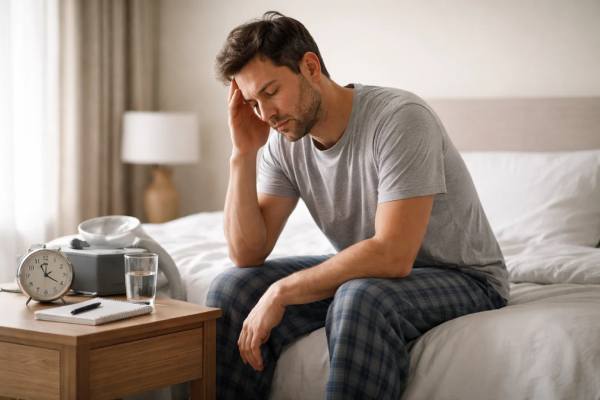
Sleep apnea is often described as a nighttime breathing problem, but most people notice it in daylight—through exhaustion that coffee cannot fix, thinking that feels slower than usual, and moods that are sharper or flatter than you remember. The tricky part is that sleep apnea does not look the same in every adult. Some people snore loudly and wake gasping; others mainly feel “wired but tired,” struggle with concentration, or develop morning headaches and irritability without obvious breathing drama. Because symptoms can blend into busy life, stress, aging, and other health conditions, sleep apnea is frequently missed for years—yet it is one of the most treatable causes of persistent daytime sleepiness and brain fog. This guide explains what to watch for, why these symptoms happen, and how to move from suspicion to effective treatment.
Essential Insights
- Treating sleep apnea often improves daytime sleepiness, mental clarity, and morning energy within weeks when therapy is used consistently.
- Brain fog and mood changes can be core symptoms, even when snoring is mild or absent.
- Do not ignore severe sleepiness while driving, frequent choking awakenings, or witnessed breathing pauses—these need prompt medical evaluation.
- A practical first step is to track 2 weeks of sleep and symptoms, then discuss screening and testing options with a clinician.
Table of Contents
- Understanding sleep apnea symptoms in adults
- Daytime fatigue and unrefreshing sleep
- Brain fog and cognitive slowdowns
- Mood changes and emotional reactivity
- Nighttime clues and high-risk patterns
- Diagnosis and treatment that actually helps
Understanding sleep apnea symptoms in adults
Sleep apnea is a sleep-related breathing disorder marked by repeated episodes of reduced airflow (hypopneas) or pauses in breathing (apneas) during sleep. In obstructive sleep apnea (OSA), the airway narrows or collapses despite ongoing breathing effort. In central sleep apnea (CSA), the brain’s breathing signals become unstable and effort temporarily drops. Many adults have a primarily obstructive pattern, but mixed patterns can occur.
What makes symptoms confusing is that the problem is not only “less oxygen.” Sleep apnea also fragments sleep. Micro-awakenings—often too brief to remember—pull you out of deeper sleep stages and disrupt REM sleep. Over time, the combination of sleep fragmentation, intermittent drops in oxygen, and stress-hormone surges can affect alertness, thinking speed, emotional regulation, and even pain sensitivity.
Why two people can have very different symptoms
Several factors shape how sleep apnea feels:
- Arousal style: Some people wake easily to airway narrowing and feel insomnia-like symptoms. Others sleep through events but feel profound daytime sleepiness.
- Event timing: Breathing events that cluster in REM sleep or while sleeping on the back can create intense symptoms even if the overall nightly average looks “borderline.”
- Sensitivity to fragmentation: If your brain is highly reactive to disrupted sleep, you may feel cognitive and mood symptoms early.
- Coexisting conditions: Nasal congestion, GERD, asthma, depression, chronic pain, thyroid disorders, anemia, and medication effects can amplify fatigue and blur the picture.
- Life stage and biology: Hormonal changes, aging, and differences in upper-airway anatomy can shift symptoms. Some adults—especially women—present with insomnia, morning headaches, or mood symptoms more than loud snoring.
A helpful mindset is to treat sleep apnea as a 24-hour problem with nighttime origins. If the brain and body are repeatedly startled out of restorative sleep, the next day often carries the signature: slower thinking, lower patience, and reduced resilience.
Daytime fatigue and unrefreshing sleep
Daytime fatigue is the most common complaint linked to sleep apnea, but it comes in different forms. Some adults feel heavy-eyed and could doze off easily; others feel drained but “cannot nap,” with a wired, restless tiredness. Both can come from the same underlying pattern: your sleep was long enough on the clock, but not restorative in the brain.
Sleepiness versus fatigue
- Sleepiness is the tendency to fall asleep unintentionally—at meetings, while reading, watching TV, or as a passenger in a car.
- Fatigue is low energy and low stamina—doing normal tasks feels harder, workouts feel unusually punishing, and motivation drops.
Sleep apnea can cause both. Fragmented sleep reduces the brain’s ability to maintain stable alertness, and repeated nighttime stress responses can leave the body feeling “spent” even after 7–9 hours in bed.
Common daytime signs adults overlook
Many people normalize symptoms for years. Clues that are easy to dismiss include:
- Needing multiple alarms and still waking up groggy
- A strong afternoon slump, especially after lunch
- Microsleeps (brief blank moments) while reading, driving, or in conversations
- Increased caffeine reliance to feel functional
- Morning headaches or a dry mouth on waking
- Low exercise tolerance or slower recovery
- Reduced libido and reduced interest in social activities
- “Weekend catch-up” that never fully helps
A key red flag is sleepiness with safety risk. If you have ever nodded off at the wheel, drifted lanes from drowsiness, or felt you could fall asleep in stop-and-go traffic, treat that as urgent. Sleep apnea is one of several conditions that can impair driving safety, and it is also one of the most treatable.
Why “I sleep 8 hours” is not reassuring
People with sleep apnea often spend enough time in bed. The issue is sleep quality. Repeated breathing events pull you out of deeper sleep and REM, even if you do not fully awaken. If you wake up feeling as tired as you were before bed—or worse—you have useful information: something is stealing restoration.
If fatigue is your main symptom, it helps to pair it with one more clue (snoring, witnessed pauses, morning headaches, nocturia, high blood pressure, or brain fog). The pattern is often more meaningful than any single symptom.
Brain fog and cognitive slowdowns
“Brain fog” is not a formal diagnosis, but it describes a real cluster of cognitive symptoms that sleep apnea can trigger. People often report slower thinking, trouble finding words, reduced mental stamina, and a sense that their brain “buffers” under pressure. This can be subtle—missed details, more typos, forgetting why you walked into a room—or it can be disruptive enough to affect work performance and confidence.
What brain fog from sleep apnea can look like
Common cognitive symptoms include:
- Attention slips: rereading the same paragraph, zoning out in meetings, losing the thread in conversations
- Working memory strain: holding fewer pieces of information in mind, difficulty following multi-step instructions
- Executive function challenges: planning, prioritizing, time management, and switching tasks feel harder
- Processing speed drop: you can think clearly, but everything takes longer
- Word-finding issues: the right word is “on the tip of your tongue” more often
- Error-proneness: small mistakes increase, especially late morning and midafternoon
These symptoms are often worse with sleep restriction, alcohol near bedtime, or sleeping flat on the back—because those factors tend to worsen breathing instability and sleep fragmentation.
Why sleep apnea affects thinking
Three mechanisms matter most:
- Sleep fragmentation: The brain does not spend enough uninterrupted time in deeper, restorative stages, which support memory consolidation and emotional regulation.
- Intermittent hypoxia: Repeated oxygen dips can stress brain tissue and blood vessels over time and may worsen headaches and cognitive symptoms in susceptible people.
- Inflammatory and stress pathways: Nighttime surges in adrenaline-like hormones and inflammatory signaling can leave you feeling mentally “inflamed,” irritable, and less mentally flexible.
Importantly, cognitive symptoms are not always proportional to how “bad” snoring sounds. Someone can be a quiet snorer and still have significant breathing events, especially if events cluster in REM sleep or if they have a narrow airway with frequent partial obstruction.
A practical way to test the pattern at home
Without trying to self-diagnose, you can gather helpful clues:
- Note time-of-day patterns (for example, foggier midmorning versus late afternoon)
- Track sleep position (back versus side) and next-day mental clarity
- Record alcohol timing and whether next-day fog worsens
- Watch for morning headaches, dry mouth, or sore throat alongside brain fog
If brain fog improves noticeably after treating nasal blockage, changing sleep position, or using prescribed therapy for sleep apnea, that is strong evidence that sleep quality was a major driver.
Mood changes and emotional reactivity
Sleep apnea can reshape mood in ways that feel personal—like you are less patient, less resilient, or less like yourself. The reason is not weakness. Sleep fragmentation reduces the brain’s capacity to regulate emotion, and repeated nighttime stress responses bias the nervous system toward a “threat-ready” state. Over time, that can look like irritability, anxiety, low mood, or emotional numbness.
Common mood-related symptoms
Adults with sleep apnea may notice:
- Irritability and short temper, especially in the morning
- Lower frustration tolerance and more conflict in relationships
- Anxiety-like symptoms, including feeling keyed up or restless
- Depressive symptoms, such as low motivation, loss of pleasure, or social withdrawal
- Emotional flattening, where you feel less joy and less drive
- Heightened stress sensitivity, where small problems feel overwhelming
Some people also report a specific pattern: they can “hold it together” during the day but crash emotionally in the evening when mental energy runs out.
Sleep apnea can mimic and worsen mental health conditions
Sleep apnea is not the same as depression or anxiety, but it can:
- Trigger symptoms that resemble depression, such as low energy, reduced concentration, and reduced interest
- Worsen existing anxiety or mood disorders by increasing physiological arousal and reducing restorative sleep
- Complicate medication responses, because some sedating medications may worsen nighttime breathing in certain people
- Increase rumination, especially if sleep becomes lighter and more fragmented
An important nuance: many adults with sleep apnea also have insomnia symptoms—difficulty falling asleep, frequent awakenings, or early waking. This overlap can make it easier to label the problem as “stress,” while the underlying breathing disorder continues untreated.
Relationship clues: what partners often notice first
Mood changes can show up as:
- More arguments about “small things”
- One partner describing the other as “always tired” or “snappy”
- Reduced interest in intimacy
- Increased separate-bed arrangements due to snoring, but persistent fatigue despite “sleeping longer”
If mood symptoms shift noticeably after treating sleep apnea—better morning patience, steadier emotions, improved motivation—that pattern can be powerful and validating. It can also help a care team decide what to target first: breathing stability, sleep schedule consistency, and mental health support often work best together rather than in isolation.
Nighttime clues and high-risk patterns
Sleep apnea is diagnosed during sleep, so nighttime clues matter—even if your main complaint is daytime fatigue or brain fog. Some clues are obvious, like loud snoring and gasping, while others are quiet but telling, like frequent bathroom trips or waking with a pounding heart.
Nighttime symptoms that raise suspicion
Common signs include:
- Loud, habitual snoring, especially with pauses followed by choking or snorting
- Witnessed breathing pauses by a bed partner
- Waking up gasping or feeling you cannot get enough air
- Restless sleep, frequent position changes, or waking tangled in sheets
- Nocturia (waking to urinate), especially more than once a night without a clear cause
- Night sweats or waking overheated
- Acid reflux symptoms at night or on waking
- Morning dry mouth, sore throat, or hoarseness
- Morning headaches or jaw tension
Not everyone snores loudly. Some people have more subtle breathing restriction that still fragments sleep, and some live alone and never get feedback. If you sleep solo, a simple audio recording can sometimes reveal patterns like snoring bursts, choking sounds, or long quiet gaps—useful information to bring to a clinician.
Who is at higher risk of being missed
Sleep apnea is more likely when certain risk patterns are present, but “risk” is not destiny. Consider a lower threshold for screening if you have:
- High blood pressure, especially if it is hard to control
- Type 2 diabetes or insulin resistance
- Weight gain around the neck or abdomen, but note that sleep apnea can occur at any weight
- A crowded airway, chronic nasal congestion, or enlarged tonsils
- A strong family history of sleep apnea
- Alcohol near bedtime, which increases airway collapsibility
- Sedatives or opioids, which can worsen breathing stability for some people
- Atrial fibrillation or heart failure, where sleep-disordered breathing is common
Women and older adults may present with more insomnia symptoms, headaches, fatigue, and mood changes rather than “classic” loud snoring. That does not make symptoms less real—it means the symptom spotlight is different.
When to seek prompt care
Seek timely medical evaluation if you have witnessed apneas, choking awakenings, severe daytime sleepiness, or you fall asleep unintentionally in unsafe situations. If you have daytime sleepiness plus near-misses while driving, treat it as urgent and avoid driving until you are assessed.
Diagnosis and treatment that actually helps
If sleep apnea is suspected, the goal is not to “prove you snore.” The goal is to measure breathing stability during sleep and connect results to symptoms so treatment is targeted and tolerable.
How diagnosis typically works
Clinicians often start with a symptom and risk review, sometimes using screening tools (for example, questionnaires about daytime sleepiness and risk factors). Objective testing is then used:
- Home sleep apnea testing (HSAT): Typically measures breathing and oxygen patterns at home. It can be convenient for straightforward suspected obstructive sleep apnea.
- In-lab polysomnography: A comprehensive sleep study that can evaluate breathing events, sleep stages, limb movements, and complex patterns such as central sleep apnea.
Results are often summarized using the apnea-hypopnea index (AHI), which estimates breathing events per hour, and oxygen measures (such as how low oxygen dips and for how long). Numbers matter, but symptoms and comorbidities matter too. Someone with “mild” indices can still feel miserable if events cluster at vulnerable times of night or if sleep is highly fragmented.
Treatment options and what improves first
Common treatments include:
- Positive airway pressure (PAP) therapy: Often the most effective option for keeping the airway open and reducing events.
- Oral appliance therapy: A fitted device that advances the lower jaw to help keep the airway open; often considered for mild-to-moderate obstructive sleep apnea or for those who cannot tolerate PAP.
- Weight management and metabolic support: Even modest reductions can improve airway mechanics for many people, but weight loss is not the only path to improvement.
- Positional therapy: For people whose apnea is much worse on the back, training side-sleeping or using position aids can reduce events.
- Treating nasal congestion and reflux: Improving nasal breathing and reducing nighttime reflux can make primary therapies easier to tolerate.
- Surgical or device-based options: For selected cases, procedures targeting airway anatomy or implanted stimulation devices can help.
Many people notice daytime sleepiness and morning headaches improving first (often within days to weeks). Cognitive clarity and mood can improve more gradually as the brain repays a sleep debt and sleep becomes more stable.
A practical “make it work” checklist
If you begin therapy, small details predict success:
- Aim for consistency: Use prescribed therapy every night, ideally for the full sleep period.
- Optimize comfort early: Mask fit, humidity, and nasal care are not “extras”—they are adherence tools.
- Track outcomes: Note sleepiness, concentration, mood, and morning symptoms weekly for the first month.
- Adjust promptly: If you feel worse after starting therapy, do not quit silently—settings, fit, and coexisting insomnia may need attention.
- Protect driving safety: Until daytime alertness improves, avoid long drives when sleepy and plan breaks.
Sleep apnea treatment is not about perfection. It is about building a stable nightly pattern that gives your brain uninterrupted, restorative sleep again.
References
- Overview | Obstructive sleep apnoea/hypopnoea syndrome and obesity hypoventilation syndrome in over 16s | Guidance | NICE 2021 (Guideline)
- Treatment of central sleep apnea in adults: an American Academy of Sleep Medicine clinical practice guideline – PubMed 2025 (Guideline)
- Effect of continuous positive airway pressure on cognitive impairment associated with obstructive sleep apnea: A systematic review and meta-analysis of randomized controlled trials – PubMed 2025 (Systematic Review and Meta-Analysis)
- Prevalence of cognitive impairment among adults with obstructive sleep apnea: a systematic review and meta-analysis – PMC 2025 (Systematic Review and Meta-Analysis)
- Treatment options in obstructive sleep apnea – PMC 2022 (Review)
Disclaimer
This article is for educational purposes and does not replace individualized medical advice, diagnosis, or treatment. Sleep apnea symptoms can overlap with other medical and mental health conditions, and proper evaluation may require a clinician and formal sleep testing. If you have severe daytime sleepiness, witnessed breathing pauses, choking awakenings, or drowsy driving, seek prompt medical care and avoid driving when sleepy. If you think you may be experiencing a medical emergency, contact local emergency services.
If you found this article helpful, consider sharing it on Facebook, X (formerly Twitter), or any platform you prefer so others can recognize sleep apnea symptoms and get effective support.