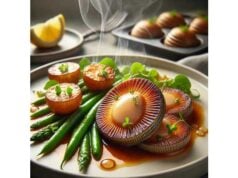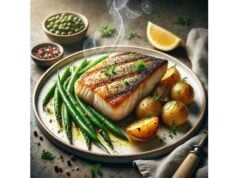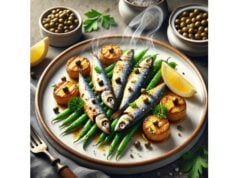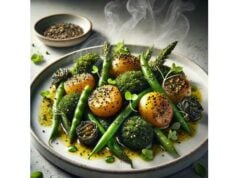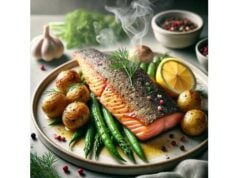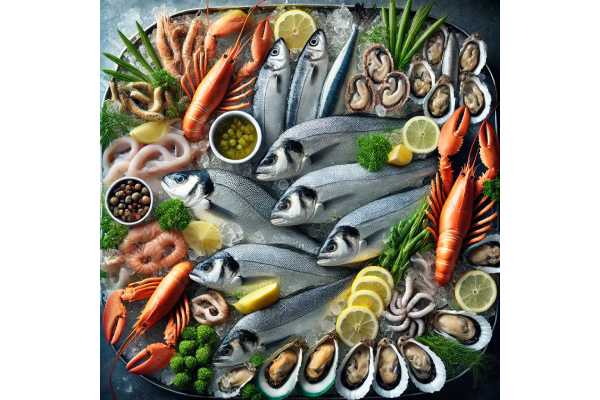
Smelt—small, silvery, and richly flavored—are a versatile family of cold-water fish enjoyed fried, grilled, smoked, or pickled across northern cuisines. Because smelt are often eaten whole (bones included) when small, they deliver a combination you rarely get from larger fillets: concentrated omega-3 fats, high-quality protein, and meaningful minerals like calcium, iodine, and selenium. Their delicate texture cooks in minutes, making them weeknight-friendly, while their briny sweetness stands up to bold spices, tempura batters, and citrusy marinades. Sustainability is another bright spot: many smelt fisheries are closely managed, and the species mature quickly compared with larger predators. There are caveats—serving size, preparation method, and local advisories all matter—yet for most healthy adults, smelt can fit naturally into a seafood routine that emphasizes variety. This guide walks you through smelt’s nutrition, benefits, sourcing, safety, and kitchen strategies so you can enjoy them with confidence.
Fast Facts
- Small fish eaten whole provide protein, omega-3 fats (EPA and DHA), and bone-based calcium per 100 g.
- Choose baking, grilling, or air-frying to retain omega-3s and keep sodium and calories modest.
- Typical serving: 85–115 g (3–4 oz) cooked, one to two times weekly within overall seafood guidance.
- Safety note: follow local fish advisories and cook to 63 °C (145 °F) until flesh flakes.
- People who are pregnant, nursing, or serving young children should follow age-specific fish advice and local advisories.
Table of Contents
- Detailed Overview
- Nutrition Profile
- Evidence-Based Health Benefits
- Risks, Allergies and Interactions
- Selecting, Quality, Sustainability and Storage
- Preparation, Cooking and Nutrient Retention
- Portions, Comparisons and FAQs
Detailed Overview
Smelt are small pelagic fish (family Osmeridae) found in cold and temperate waters of the North Atlantic and North Pacific, with well-known species such as rainbow smelt (Osmerus mordax), European smelt (Osmerus eperlanus), and surf smelt (Hypomesus pretiosus). Depending on size and season, you might see them sold fresh, frozen, cleaned, or whole (head and bones intact). Their distinctive cucumber-like aroma when fresh signals high quality, and their fine bones soften quickly during cooking—or are eaten outright when fish are very small—delivering a mineral bonus you don’t get from boneless fillets.
From a culinary standpoint, smelt are multitaskers. Whole smelt crisp beautifully with shallow pan-frying, air-frying, or Japanese-style tempura. Larger smelt take well to grilling on skewers or quick broiling with lemon, garlic, and parsley. Scandinavian and Baltic traditions highlight pickled smelt; Japanese and Korean cuisines feature salt-grilled and lightly dried preparations; and in Great Lakes regions, “smelt runs” remain a spring ritual. Their mild brininess pairs with citrus, dill, mustard, miso, chile, smoked paprika, and sesame.
Nutrition is a core appeal. As small forage fish, smelt concentrate long-chain omega-3s (EPA and DHA) that support heart, brain, and eye health. Because small smelt are often eaten whole, they can contribute meaningful calcium and phosphorus from bones, plus iodine and selenium from the edible head and viscera. Protein quality is high, with a complete amino acid profile similar to other lean fish. Smelt are also typically lower in mercury than long-lived predators. That combination—nutrient density, short cook time, broad flavor compatibility, and sensible sustainability—makes smelt a practical, delicious way to diversify seafood intake.
In everyday meal planning, think of smelt as you would anchovies or sardines in terms of nutrient density, but with a milder flavor and more flexible texture. Use them to top salads, fold into tacos, or serve family-style with roasted potatoes and a tangy yogurt-herb sauce. If you’re new to small whole fish, start with cleaned, head-on smelt about the length of your palm; they’re easy to handle, quick to cook, and naturally portion-friendly.
Nutrition Profile
How to read these tables: Values below describe typical, raw smelt per 100 g and the corresponding percent Daily Value (%DV) for a 2,000-kcal diet where official DVs exist. Actual values vary by species, season, and whether bones and skin are eaten. Cooking changes moisture and fat content; fried or breaded products will be higher in calories and sodium.
Macros & Electrolytes (per 100 g, raw)
| Nutrient | Amount | %DV |
|---|---|---|
| Energy | ~90–110 kcal | — |
| Protein | ~18–20 g | 36–40% |
| Total Fat | ~2–4 g | 3–5% |
| Saturated Fat | ~0.5–0.9 g | 3–5% |
| Omega-3 (EPA+DHA) | ~0.4–0.9 g | — |
| Carbohydrate | 0 g | 0% |
| Sodium | ~60–90 mg | 3–4% |
| Potassium | ~300–400 mg | 6–9% |
Vitamins (per 100 g, raw)
| Nutrient | Amount | %DV |
|---|---|---|
| Vitamin B12 (cobalamin) | ~2.0–4.0 µg | 83–167% |
| Niacin (vitamin B3) | ~4–6 mg | 25–38% |
| Vitamin D | ~3–8 µg (120–320 IU) | 15–40% |
| Riboflavin (vitamin B2) | ~0.1–0.2 mg | 8–15% |
| Folate | ~10–20 µg | 3–5% |
Minerals (per 100 g, raw; higher if eaten with bones)
| Nutrient | Amount | %DV |
|---|---|---|
| Selenium | ~30–45 µg | 55–82% |
| Iodine | ~30–90 µg (varies) | 20–60% |
| Phosphorus | ~200–250 mg | 16–20% |
| Calcium* | ~60–200 mg | 5–15% |
| Iron | ~0.6–1.2 mg | 3–7% |
| Zinc | ~0.6–1.1 mg | 5–10% |
*Calcium is substantially higher when small smelt are eaten whole (bones included) or when dried; boneless fillets contain much less.
Fats & Fatty Acids (per 100 g, raw)
| Component | Amount |
|---|---|
| Monounsaturated Fat | ~0.7–1.2 g |
| Polyunsaturated Fat | ~0.9–1.5 g |
| EPA (20:5n-3) | ~0.2–0.4 g |
| DHA (22:6n-3) | ~0.2–0.5 g |
Protein & Amino Acids
Smelt provide complete, highly digestible protein with leucine (~1.6–1.9 g/100 g), lysine (~1.8–2.0 g/100 g), and taurine in smaller amounts—supporting muscle repair and metabolic health with relatively low calories.
Contaminants/Residues
As short-lived, small fish, smelt typically have lower mercury than large predatory species. Local contaminants (e.g., in some lakes or coastal zones) can vary; consult regional fish advisories for species- and waterbody-specific guidance.
Glycemic & Acid–Base Metrics
With 0 g carbohydrate, smelt are naturally low-glycemic. Protein and minerals make them a satiating option in higher-protein or lower-carb meal patterns.
Additives & Fortification
Fresh and frozen smelt are unfortified. Breaded or seasoned products may contain sodium, refined starch, and seed oils; check labels if limiting these.
Evidence-Based Health Benefits
1) Heart and vascular support
Smelt contribute long-chain omega-3s (EPA and DHA), which help maintain normal triglycerides and support endothelial function. Including ~250–500 mg/day of EPA+DHA on average across the week aligns with typical seafood guidance patterns, and small fish are a practical way to reach that range without high calories.
2) Brain, vision, and development
DHA is a critical structural fat in the brain and retina. For people who are pregnant or breastfeeding, choosing a variety of lower-mercury seafood—including small fish like smelt—helps supply DHA while staying within species-specific recommendations. When smelt are eaten whole, they also contribute iodine, needed for thyroid hormone production during pregnancy and early life.
3) Bone and mineral nutrition
Small fish eaten with bones provide bioavailable calcium and phosphorus. Compared with boneless fillets, whole smelt can deliver several times more calcium per 100 g. Studies of small dried fish and fish-bone ingredients show meaningful calcium contributions and good bioavailability when incorporated into meals, supporting overall dietary adequacy.
4) High-quality protein with micronutrient density
Per 100 g, smelt supply ~18–20 g of complete protein plus selenium, vitamin B12, niacin, and iodine—nutrients linked to antioxidant defenses, neurocognitive function, and energy metabolism. That nutrient mix supports satiety and can help round out meals that are otherwise light in heme iron or B-vitamins.
5) Practicality, affordability, and sustainability
Smelt mature quickly, are often harvested with relatively low bycatch, and are commonly available frozen—helping reduce waste and cost. Because they cook in minutes, they’re easy to integrate into time-pressed routines, making it more realistic to hit weekly seafood targets.
How often?
For most healthy adults, one to two smelt meals per week (3–4 oz cooked portions) fits well into an overall seafood pattern that emphasizes variety across species and preparation methods. People who are pregnant, breastfeeding, or feeding young children should follow age-specific fish advice for frequency and serving size and prioritize sourcing from waters with clear advisories.
Risks, Allergies and Interactions
Allergy risk
Fish allergy can provoke hives, wheezing, or anaphylaxis. Cross-reactivity within finfish families is common; if you have a diagnosed fish allergy, avoid smelt unless a specialist confirms tolerance. Smelt are finfish—not shellfish—but cross-contact can occur in markets and fryers that also handle shrimp or squid.
Foodborne illness and cooking temperature
As with other fish, undercooked smelt can carry pathogens. Cook to an internal temperature of 63 °C (145 °F) until flesh is opaque and flakes easily. For marinated or pickled smelt, use acid levels and refrigeration practices that meet food-safety standards; home canning should follow tested recipes.
Contaminants and advisories
Smelt generally have low mercury compared with large predatory fish. However, local contaminants (e.g., PCBs, PFAS) can vary by waterbody—particularly in some inland lakes. Always check regional advisories and observe recommended serving limits for sensitive groups (pregnant or breastfeeding people and young children).
Thiaminase considerations
Some forage fish contain thiaminase, an enzyme that degrades thiamine (vitamin B1). Cooking reliably inactivates thiaminase; problems arise primarily in predators eating raw prey or when humans consume large amounts of raw, thiaminase-rich fish. Enjoy smelt cooked to preserve B-vitamin status. Balanced diets that include fruits and vegetables (vitamin C), copper-containing foods, and diversified proteins further reduce any practical concern.
Bones and choking
Tiny bones soften with cooking and are typically edible. For young children or anyone with swallowing or esophageal issues, choose well-cleaned smelt, remove larger pin bones, or mash into spreads or patties.
Sodium and frying oils
Breaded or heavily salted smelt can be high in sodium, and deep-frying increases calories while potentially degrading beneficial fats. If you monitor blood pressure or lipids, opt for baking, broiling, pan-searing in a small amount of oil, or air-frying, and season with citrus, herbs, and spices instead of heavy salt.
Selecting, Quality, Sustainability and Storage
What to look for at the market
- Fresh smelt: bright, metallic skin; clear, bulging eyes; moist, firm flesh; a clean sea-cucumber aroma.
- Frozen smelt: intact glaze (no dry patches), minimal ice crystals, and individually quick-frozen (IQF) where possible to ease portioning.
- Size: small to medium (10–18 cm) are tender and ideal for whole cooking. Larger smelt accept gutting and quick grilling.
Sustainability cues
- Favor fisheries with seasonal runs and science-based quotas.
- Prefer products with traceability (catch area and gear type on label).
- Smelt often rank well compared with larger predators due to short lifespans and lower trophic level; still, local management quality matters.
Storage and handling
- Refrigerate fresh smelt at ≤4 °C (≤40 °F) and cook within 24–36 hours.
- Freeze tightly wrapped smelt at −18 °C (0 °F) for up to 2–3 months for best quality.
- Thaw overnight in the refrigerator or under cold running water in sealed packaging.
- Avoid temperature abuse: keep cold during transport; pat dry before cooking for better browning.
Minimizing waste
- Use heads and frames to make a quick, aromatic fish stock (simmer 20–30 minutes with aromatics; avoid long boils that turn stock bitter).
- Leftover cooked smelt flakes into salads, rice bowls, or savory pancakes; or mash with yogurt, capers, and lemon for a spread.
Preparation, Cooking and Nutrient Retention
Cooking principles that protect nutrients
- Gentle heat preserves omega-3s better than high, prolonged frying. Aim for baking at 200 °C (400 °F) for 8–12 minutes, pan-searing 2–3 minutes per side, or grill-searing over medium heat.
- Moisture control: pat fish dry, then oil lightly to promote even browning and reduce sticking without excess fat.
- Smart coatings: rice flour, chickpea flour, or panko add crispness with minimal oil uptake when shallow-frying; air-frying offers similar texture with less fat.
- Acid and salt: marinate briefly (15–30 minutes) with lemon, yogurt, or miso to enhance flavor and tenderness without oversalting. Acidic marinades also support food safety in chilled applications.
Five quick, nutrient-savvy methods
- Sheet-pan lemon-garlic smelt
Toss 500 g smelt with 1 tbsp olive oil, lemon zest, minced garlic, and parsley. Roast at 220 °C (425 °F) for 10 minutes; finish with lemon juice. - Air-fried paprika smelt
Dust with smoked paprika, pepper, and a pinch of salt. Air-fry at 205 °C (400 °F) for 8–10 minutes, shaking once. - Miso-ginger broil
Brush a thin glaze of white miso, grated ginger, and mirin. Broil 4–6 minutes, turning once. - Herbed oat-crumb “oven-fry”
Pulse oats with dill and pepper; coat smelt lightly and bake until crisp, 10–12 minutes. - Light pickle (serve chilled, not raw)
Briefly simmer cleaned smelt in a brine of vinegar, water, onion, and spices; chill 24 hours. For safety and texture, start with cooked fish, not raw, unless following a tested pickling process.
Temperature and doneness
Cook to an internal temperature of 63 °C (145 °F). Flesh should turn opaque and flake easily; whole small smelt will crisp at the fins while remaining tender inside.
Retention tips
- Avoid repeated reheating; cook what you’ll serve.
- If frying, use fresh oil, avoid smoking temperatures, and drain on a rack to reduce oil absorption.
- Serve with vitamin C-rich sides (cabbage slaw, citrus salad) to support mineral absorption and balanced meals.
Portions, Comparisons and FAQs
Portions and frequency
- Standard adult serving: 85–115 g (3–4 oz) cooked.
- Typical weekly pattern: one to two smelt meals within a varied seafood rotation. Sensitive groups (pregnant or breastfeeding individuals and young children) should follow age-specific fish advice and local advisories for serving frequency.
How do smelt compare with sardines or anchovies?
- Flavor: smelt are milder and slightly sweeter.
- Bones: like sardines, small smelt are often eaten whole; this boosts calcium intake.
- Fat: sardines and anchovies can be richer in total fat; smelt remain moderately lean but still deliver EPA and DHA.
- Sodium: canned anchovies and sardines in brine are salty; fresh or frozen smelt allow better sodium control.
Are smelt high in mercury?
Generally, no—smelt are small and short-lived. Mercury risk is far lower than in large predators. Always check local advisories for site-specific contaminants.
Can I eat the bones?
Yes. When cooked, tiny bones are soft and edible, contributing calcium and phosphorus. For children, mash or flake fish and remove larger pin bones to reduce choking risk.
Is pickled smelt safe?
Use tested recipes and keep the product refrigerated. For home pickling, it’s safest to cook smelt first; vinegar enhances keeping quality and flavor but is not a substitute for adequate heat in canning.
Best sides for balance?
Pair smelt with high-fiber grains (barley, quinoa), bitter greens (arugula, radicchio), and citrus-based salads. A yogurt-dill sauce or mustard-capers vinaigrette adds brightness without heavy salt.
Budget tips
Buy frozen IQF smelt in bulk, thaw just what you need, and use any leftovers for fish cakes or pasta. Because they cook so fast, smelt can replace pricier seafood in tacos, rice bowls, or mezze platters.
References
- Advice about Eating Fish 2025 (Guidance)
- Cook to a Safe Minimum Internal Temperature 2024 (Guideline)
- Dietary factors potentially impacting thiaminase I-mediated thiamine deficiency 2023 (Systematic Review)
- Dried small fish provide nutrient densities important for the first 1000 days 2021 (Systematic Review)
- Evolutionary and ecological correlates of thiaminase in fishes 2023 (Review)
Disclaimer
This article is for general education and is not a substitute for personalized medical advice, diagnosis, or treatment. Nutrition and safety needs vary by age, health status, pregnancy, medications, and location. Always consult a qualified health professional for guidance about diet, allergies, and fish consumption in your area, and follow local fish advisories and safe-food-handling practices.
If you found this guide useful, please consider sharing it with friends or colleagues on Facebook, X (formerly Twitter), or your favorite platform—your support helps us keep creating clear, trustworthy nutrition content.