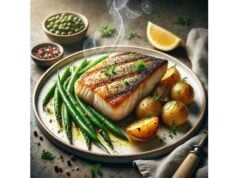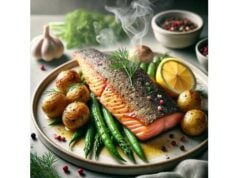
Snakehead is a common name for several freshwater species in the Channidae family, most notably the striped snakehead (Channa striata) and the northern snakehead (Channa argus). In kitchens across South and Southeast Asia, fresh fillets and bone-rich heads become delicate soups, curries, and steamed dishes prized for their mild taste and meaty texture. Nutritionally, snakehead is a lean, high-protein fish with modest fat and useful micronutrients like selenium and vitamin B12. Beyond the plate, it draws attention for traditional postpartum uses and the growing research interest in its albumin-rich protein fractions. At the same time, sustainability and safety call for nuance: some snakehead species are invasive outside their native range, and—like all freshwater fish—local advisories and careful handling matter. This guide delivers a practical, evidence-informed overview so you can choose, cook, and enjoy snakehead confidently while minimizing risks.
Fast Facts
- Lean, complete protein source (~20–22 g per 100 g raw) with low total fat (~2–4 g per 100 g).
- Useful micronutrients: selenium (~30–40 µg per 100 g) and vitamin B12 (≈2 µg per 100 g).
- Typical serving: 120–150 g cooked fillet, 1–2 times weekly as part of varied seafood intake.
- Safety caveat: cook to 63 °C (145 °F); heed local freshwater fish advisories for contaminants.
- Who should limit/avoid: people with fish allergy, and those under site-specific consumption advisories.
Table of Contents
- Detailed Overview
- Nutrition Profile
- Evidence-Based Health Benefits
- Risks, Allergies and Interactions
- Selecting, Quality, Sustainability and Storage
- Preparation, Cooking and Nutrient Retention
- Portions, Comparisons and FAQs
Detailed Overview
Snakehead fishes are air-breathing, freshwater predators native to Asia and parts of Africa. Two names appear most often in food contexts: the striped snakehead (Channa striata), widely eaten in South and Southeast Asia, and the northern snakehead (Channa argus), a robust, cold-tolerant species now considered invasive in several non-native regions. In markets, you will find whole fish (scaled, gutted), cross-cut “steaks,” boneless fillets, and heads or frames sold for soup stocks. The flesh is pale, firm, and mild, holding together in gentle braises and clear broths—one reason it’s a staple in postpartum soups throughout Malaysia and Indonesia.
Culinarily, snakehead behaves like other lean, white fish: it steams and poaches cleanly, pan-sears without excessive spatter, and readily takes on aromatics like ginger, lemongrass, galangal, garlic, and white pepper. The heads and bones are collagen-rich and make savory stocks that set to a light gel when cooled. Because the species is lean, moisture-preserving methods—steaming, en papillote, shallow poaching—often yield the best texture; if grilling or pan-searing, a light marinade or basting fat helps prevent dryness.
Nutritionally, snakehead is a high-quality protein with low total fat and modest omega-3 content compared with oily fish. Its micronutrient strengths are selenium and vitamin B12, with helpful amounts of phosphorus and potassium. Emerging research focuses on albumin-derived peptides, which show bioactivities in lab models; these are early findings that do not replace standard medical care but help explain long-standing culinary traditions around convalescence foods.
Responsibly choosing snakehead means checking three points: local legality and conservation status (especially for northern snakehead where invasive), capture or aquaculture source, and site-specific advisories for freshwater contaminants. When those boxes are ticked, snakehead can be a versatile, nutritious addition to a varied seafood pattern.
Nutrition Profile
How to read this section: Values below are typical for raw, edible portions of snakehead, per 100 g. Actual composition varies by species, habitat, and season. Cooking concentrates some nutrients as water is lost. %DV uses adult Daily Values.
Macros & Electrolytes (per 100 g raw)
| Nutrient | Amount | %DV |
|---|---|---|
| Energy | 110 kcal | — |
| Protein | 20.5 g | — |
| Total fat | 2.5 g | — |
| Saturated fat | 0.6 g | — |
| Monounsaturated fat | 0.7 g | — |
| Polyunsaturated fat | 0.8 g | — |
| Omega-3 (EPA+DHA) | ~0.2 g | — |
| Cholesterol | 55 mg | 18% |
| Sodium | 60 mg | 3% |
| Potassium | 350 mg | 7% |
| Water | ~75 g | — |
Protein & Amino Acids
Snakehead provides complete protein with all essential amino acids. Glutamic acid, aspartic acid, and lysine are typically abundant; albumin is a prominent fraction in C. striata. Cooked texture reflects its high myofibrillar protein and relatively low intramuscular fat.
Vitamins (per 100 g raw)
| Vitamin | Amount | %DV |
|---|---|---|
| Vitamin B12 (cobalamin) | 2.0 µg | 83% |
| Niacin (B3) | 6.0 mg | 38% |
| Vitamin D | 2.0 µg (80 IU) | 10% |
| Vitamin B6 | 0.3 mg | 18% |
| Riboflavin (B2) | 0.1 mg | 8% |
| Thiamin (B1) | 0.05 mg | 4% |
Minerals (per 100 g raw)
| Mineral | Amount | %DV |
|---|---|---|
| Selenium | 36 µg | 65% |
| Phosphorus | 200 mg | 16% |
| Magnesium | 30 mg | 7% |
| Iron | 0.5 mg | 3% |
| Zinc | 0.6 mg | 5% |
| Calcium | 25 mg | 2% |
Fats & Fatty Acids
Snakehead is a lean fish. Total fat is low, with a modest share of polyunsaturated fats and small amounts of long-chain omega-3s (EPA/DHA). Collagen and skin lipids contribute to mouthfeel in soups and slow braises.
Contaminants/Residues
As a freshwater fish, composition depends on local waters. Mercury levels tend to be low to moderate compared with large predatory marine fish, but site-specific advisories for mercury and legacy pollutants (e.g., PCBs) should be followed, especially for frequent consumers, children, and those who are pregnant.
Allergens & Intolerance Markers
Snakehead is a finfish and can provoke typical fish allergies. Cross-reactivity with other parvalbumin-rich white fish is possible. People with known fish allergy should avoid.
Footnote: Values reflect unfortified fish and typical lean compositional ranges for C. striata and related species; natural variability is expected by habitat, season, and diet.
Evidence-Based Health Benefits
1) High-quality protein to support repair and satiety.
With ~20–22 g protein per 100 g raw (≈25–30 g per 120–150 g cooked serving), snakehead supplies all essential amino acids. Adequate protein supports muscle maintenance during weight management and healthy aging. In practical meals, pairing snakehead with fiber-rich vegetables and whole grains improves satiety and overall nutrient density.
2) Selenium and vitamin B12 for metabolic and neurological health.
Snakehead’s selenium (often 30–40 µg per 100 g) contributes to antioxidant enzymes and thyroid hormone metabolism. Vitamin B12—commonly around 2 µg per 100 g—supports red blood cell formation and nerve function. Together, these nutrients help cover gaps in patterns low in animal foods.
3) Albumin-rich peptides under study.
Laboratory and characterization studies of C. striata albumin fractions have identified peptides with bioactivities (e.g., angiotensin-converting enzyme inhibition in vitro). These findings help explain why bone and head broths feature in convalescence recipes. While promising mechanistically, such peptides are not established treatments for hypertension or wound care, and culinary intake cannot be equated to standardized extracts.
4) Traditional postpartum use with early clinical signals.
In a randomized, double-blind trial of a standardized C. striata extract used postpartum, investigators observed differences consistent with uterine involution dynamics versus placebo. This does not validate over-the-counter products broadly, but it contextualizes traditional uses and supports continued research. For food guidance, a balanced diet emphasizing protein, iron, folate, iodine, and hydration remains foundational.
5) Lean fat profile suitable for varied diets.
Compared with oily fish, snakehead has lower total fat and fewer calories per cooked portion, which can be useful in calorie-conscious or cardiometabolic meal plans. For those targeting omega-3 benchmarks, include oily fish (e.g., salmon, sardine, mackerel) elsewhere during the week.
Practical tip: To obtain collagen-rich gelatin without added fat, simmer snakehead heads and frames with aromatics, chill, degrease the set stock, and reheat gently. This preserves delicate flavors while controlling calories.
Risks, Allergies and Interactions
Food safety. Cook fish to an internal temperature of 63 °C (145 °F) until the flesh is opaque and flakes easily. Avoid raw snakehead preparations: freshwater species carry a higher risk of parasites than well-handled marine sashimi fish. Cool leftovers quickly and refrigerate within two hours; reheat to steaming hot.
Contaminants. Freshwater bodies vary in mercury and legacy pollutants (e.g., PCBs, dioxins). Follow local or national fish consumption advisories, which adjust safe servings by location and population (children and people who are pregnant or planning pregnancy are typically advised to choose fish lower in mercury and limit servings per week). Skin-on, head, and organ dishes may concentrate fat-soluble contaminants; skimming cooled stock and removing surface fat reduces exposure.
Allergy. As with all finfish, snakehead can trigger IgE-mediated reactions. People with known fish allergy should avoid. First presentations of allergy can occur in adulthood; warning signs include hives, lip swelling, wheeze, or anaphylaxis shortly after ingestion—seek urgent care.
Medication and condition considerations.
- Anticoagulants: Fish oils can have mild antiplatelet effects. Snakehead is not especially high in omega-3s, but very high supplemental intakes should be discussed with a clinician.
- Thyroid conditions: Selenium intake contributes to thyroid enzyme function; those on levothyroxine do not need to avoid selenium-containing foods but should separate medication from meals per clinical guidance.
- Gout: Purine content in fish can contribute to uric acid load. Snakehead is comparable to other lean white fish; moderation and hydration help.
Invasive species angle (contextual, not a food hazard). In some non-native regions, the northern snakehead is managed as an invasive species to protect local ecosystems. Where legal and safe to harvest, eating it can align with removal goals; always follow local regulations.
Selecting, Quality, Sustainability and Storage
Species clarity. Seek clear labeling (scientific name plus origin). “Snakehead” may refer to Channa striata, Channa argus, or other regional species. If buying for traditional recipes, ask specifically for C. striata.
Freshness checks.
- Whole fish: Bright, clear eyes; firm flesh that springs back; clean, freshwater smell.
- Fillets/steaks: Moist but not slimy; translucent to pale white; no browning or dry edges.
- Frozen: Solid with minimal ice crystals; vacuum-sealed packs without air pockets or freezer burn.
Sourcing and sustainability.
- Native range: River-caught or pond-raised snakehead is common. Seek farms using clean water with responsible effluent management and feed practices.
- Non-native range: In jurisdictions where northern snakehead is invasive, retail sale may be restricted or require specific labeling. When legal, choosing it can support control efforts.
Storage.
- Refrigeration: Keep at 0–4 °C. Use within 24 hours for raw fillets; 48 hours for whole, gutted fish on crushed ice.
- Freezing: For best quality, freeze at −18 °C or below for up to 3–4 months. Glaze or vacuum-seal to prevent freezer burn.
- Thawing: Defrost under refrigeration overnight or in sealed packaging under cold running water. Never thaw at room temperature.
Ethical and quality signals. Favor suppliers who can tell you the harvest location, method, and handling chain. Clear traceability generally tracks with better cold-chain management and fresher fish.
Preparation, Cooking and Nutrient Retention
Best-fit methods for lean flesh.
- Steaming: 6–10 minutes for typical fillets. Yields moist texture and strong micronutrient retention.
- Shallow poaching: Simmer in aromatic broth (ginger, scallion, white pepper) 8–12 minutes. Liquid can be served as soup.
- Pan-sear and baste: Pat dry, season lightly, sear 2–3 minutes per side over medium-high, then baste with infused oil or butter to prevent dryness.
- Clay-pot or en papillote: Trap steam with vegetables and herbs; check doneness at 63 °C (145 °F).
Stock and soup techniques.
- Rinse heads and frames, blanch 1–2 minutes, then simmer gently with aromatics 30–45 minutes. Skim foam; avoid vigorous boiling to keep broth clear. Chill and lift off the set fat for a cleaner flavor.
- Add high-vitamin vegetables (tomato, leafy greens) at the end to preserve heat-labile vitamins.
Seasoning frameworks.
- Southeast Asian: Lemongrass, galangal, kaffir lime, fish sauce, bird’s-eye chili.
- South Asian: Ginger-garlic paste, turmeric, coriander, cumin, black pepper; finish with lime and fresh herbs.
- Modern light: White wine, shallot, parsley, lemon, olive oil.
Nutrient retention tips.
- Avoid overcooking to preserve B-vitamins and texture.
- Use moist-heat methods when possible; collect and serve cooking juices.
- Pair with vitamin C-rich sides (citrus, tomatoes, greens) to support iron absorption.
- If frying, keep oil temperature stable (175–180 °C) and drain well to limit added fat.
Food safety checklist. Use separate boards for raw fish and ready-to-eat foods; wash hands and tools; cook to 63 °C (145 °F); cool leftovers promptly and reheat thoroughly.
Portions, Comparisons and FAQs
Suggested portion and frequency.
- Standard adult serving: 120–150 g cooked fillet (roughly a palm-size piece).
- Frequency: 1–2 times per week within a varied seafood pattern; include oily fish elsewhere to meet omega-3 goals.
How snakehead compares to other white fish (per 100 g, raw):
- Snakehead: ~110 kcal; protein ~20.5 g; fat ~2.5 g; selenium high; B12 moderate-high.
- Tilapia: ~96 kcal; protein ~20 g; fat ~1.7 g; selenium moderate; B12 lower.
- Cod: ~82 kcal; protein ~18 g; fat ~0.7 g; selenium high; B12 moderate.
- Catfish (channel): ~105 kcal; protein ~18 g; fat ~3 g; selenium variable; B12 moderate.
FAQs
Is snakehead high in mercury?
Typically lower than large marine predators, but levels vary by water body. Always consult local advisories for freshwater fish.
Can I eat snakehead skin?
Yes—scaled and well-cleaned skin becomes pleasantly gelatinous in soups. If contaminants are a concern in your area, trim visible fat and skim cooled stocks.
Is snakehead suitable for low-fat diets?
Yes. It is lean; just choose moist-heat cooking or minimal added fat.
What about traditional postpartum soups?
They can be nourishing, hydrating meals rich in protein and collagen. For medical conditions or supplements, consult a clinician; food alone is not a substitute for care.
Is northern snakehead the same as striped snakehead?
No. They are different species with overlapping culinary uses but distinct ecology and regulations. In some regions, northern snakehead is invasive and regulated.
References
- Randomized Controlled Trial on the Effect of Channa striatus Extract on Measurement of the Uterus, Pulsatility Index, Resistive Index of Uterine Artery and Superficial Skin Wound Artery in Post Lower Segment Caesarean Section Women 2015 (RCT)
- Peptide derived C. striata albumin as a natural angiotensin-converting enzyme inhibitor 2023
- Nutritional profiling of some selected commercially important freshwater and marine water fishes of Bangladesh 2022
- Cook to a Safe Minimum Internal Temperature | FoodSafety.gov 2024 (Guideline)
- Advice about Eating Fish | FDA 2024 (Guideline)
Disclaimer
This article is for general education and does not replace personalized medical advice, diagnosis, or treatment. Nutrition needs and food safety guidance can vary by health status, life stage, and local advisories. Always consult your healthcare professional for advice tailored to you, and follow your region’s fish consumption and food safety recommendations.
If you found this guide useful, please consider sharing it with friends and colleagues on Facebook, X (formerly Twitter), or any platform you prefer. Your support helps us continue producing clear, reliable nutrition content.