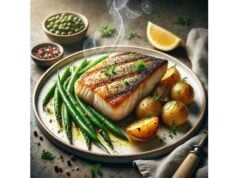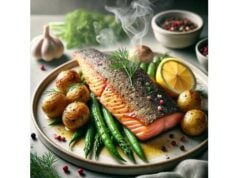
Snapper is a family-friendly white fish prized for its sweet, clean flavor and firm, moist flakes that hold together on the grill, in a skillet, or under the broiler. Whether you buy American red snapper (Lutjanus campechanus) or regional species sold simply as “snapper,” the appeal is the same: quick cooking, versatile seasoning, and a reliable lean protein for weeknights and special dinners alike. A typical 100-gram cooked portion delivers plenty of complete protein with minimal fat, along with meaningful selenium, vitamin B12, phosphorus, and potassium. You also get a modest dose of long-chain omega-3s. Like many reef fish, mercury can vary by species and size, so smart sourcing and rotation with lower-mercury seafoods help you capture benefits while managing risk. This guide covers what matters most—clear nutrition data, evidence-based health takeaways, safety and allergy notes, sustainability and shopping tips, and kitchen methods that keep snapper tender and flavorful.
Key Takeaways
- Per 100 g cooked, snapper typically provides ~22–26 g protein, ~2–4 g fat, and modest omega-3s plus selenium and vitamin B12.
- Mercury risk ranges from low to moderate by species and size; favor smaller fish and vary seafood choices across the week.
- Practical serving: 100–150 g cooked fillet, 1–2 times weekly within a diverse seafood pattern.
- People who are pregnant, breastfeeding, or serving young children should choose lower-mercury options more often and avoid raw preparations.
Table of Contents
- Snapper Detailed Overview
- Snapper Nutrition Profile
- Evidence-Based Health Benefits
- Risks, Allergies and Interactions
- Selecting, Quality, Sustainability and Storage
- Preparation, Cooking and Nutrient Retention
- Portions, Comparisons and FAQs
Snapper Detailed Overview
“Snapper” is a common market name for several related species with similar culinary qualities: sweet, mild flavor; medium-firm texture; and attractive pink to reddish skin that crisps beautifully. True American red snapper is Lutjanus campechanus, but you will also see species like lane, mangrove (gray), mutton, and yellowtail snapper across different coasts. In some regions, unrelated fish are colloquially labeled as snapper; knowing the exact species helps you judge price, sustainability, and mercury expectations.
Culinarily, snapper is a shape-shifter. Thin fillets pan-sear in minutes with a buttery crust, while thicker center-cut portions roast gently without drying out. The skin, when left on, adds texture and protects delicate flesh. Its neutral profile is a canvas for many cuisines: citrus-herb meunière, tomato-olive Mediterranean trays, Thai-style chiles and lime, Caribbean allspice and scallion, or simple garlic and paprika. Because the flakes stay intact, snapper also excels in tacos, curries, and chowders where you want generous pieces rather than shreds.
From a nutrition perspective, snapper is a reliable lean protein that adds micronutrients without heaviness. A 100-gram cooked portion often supplies ~22–26 grams of complete protein for roughly 110–140 kcal, with very little saturated fat. Selenium levels are notably helpful, and you get useful amounts of vitamin B12, niacin, phosphorus, and potassium. Omega-3s (EPA and DHA) are present in modest amounts—less than oily fish, but meaningful when snapper is part of a varied seafood rotation.
On safety, mercury levels vary more in reef species than in short-lived small fish. Most market-size snappers fall in a low-to-moderate range, especially when harvested young or from well-managed fisheries. Choosing smaller fish, varying species during the week, and following local advisories if you fish at home are straightforward ways to balance benefits and risk. Freshness cues and cold-chain handling are your best insurance for quality and food safety.
Practical takeaway: think bright, clean flavors and fast cooking. A hot pan, a little oil, and three minutes skin-side down will do more for snapper than complicated techniques. Finish with lemon, herbs, capers, or a quick pan sauce. For fuss-free dinners, tuck fillets into parchment with cherry tomatoes and olives or set them atop nearly finished sheet-pan vegetables to cook through in the last 8–10 minutes.
Snapper Nutrition Profile
Scope: Typical values for cooked snapper fillet, per 100 g edible portion (skin optional). Ranges reflect species, season, size, and moisture after cooking. %DV uses adult Daily Values; shown where applicable.
Macros & Electrolytes (per 100 g, cooked)
| Nutrient | Amount (typical) | %DV |
|---|---|---|
| Energy | ~110–140 kcal | — |
| Protein | ~22–26 g | 44–52% |
| Total Fat | ~2.0–4.0 g | 3–5% |
| Saturated Fat | ~0.6–1.2 g | 3–6% |
| Carbohydrate | 0 g | 0% |
| Dietary Fiber | 0 g | 0% |
| Sodium (unseasoned) | ~60–90 mg | 3–4% |
| Potassium | ~350–450 mg | 7–10% |
| Water | ~70–76 g | — |
Fats & Fatty Acids (per 100 g, cooked)
| Component | Amount | Notes |
|---|---|---|
| Monounsaturated Fat | ~0.8–1.4 g | Mostly oleic |
| Polyunsaturated Fat | ~0.8–1.6 g | n-3 predominates |
| Long-chain Omega-3s (EPA + DHA) | ~0.25–0.55 g | Moderate for a lean fish |
| Omega-6s (total) | ~0.1–0.3 g | Low |
| Cholesterol | ~55–70 mg | — |
Protein & Amino Acids (per 100 g, cooked)
Complete protein; values vary with species and moisture.
| Essential Amino Acid | Amount (g) |
|---|---|
| Lysine | ~1.9–2.2 |
| Leucine | ~1.9–2.1 |
| Methionine | ~0.6–0.7 |
| Threonine | ~0.9–1.0 |
| Tryptophan | ~0.25 |
Vitamins (per 100 g, cooked)
| Vitamin | Amount (typical) | %DV |
|---|---|---|
| Vitamin B12 (cobalamin) | ~1.5–2.4 µg | 63–100% |
| Niacin (vitamin B3) | ~3.5–6.5 mg | 22–41% |
| Vitamin B6 (pyridoxine) | ~0.2–0.4 mg | 12–24% |
| Riboflavin (vitamin B2) | ~0.1–0.2 mg | 8–15% |
| Vitamin D | ~1–5 µg | 5–25% |
| Choline | ~60–90 mg | 11–16% |
| Vitamin A (RAE) | ~10–30 µg | 1–3% |
Minerals (per 100 g, cooked)
| Mineral | Amount (typical) | %DV |
|---|---|---|
| Selenium | ~35–55 µg | 64–100% |
| Phosphorus | ~220–280 mg | 18–22% |
| Magnesium | ~25–35 mg | 6–8% |
| Potassium | ~350–450 mg | 7–10% |
| Zinc | ~0.4–0.8 mg | 4–7% |
| Iron | ~0.3–0.7 mg | 2–4% |
| Calcium | ~10–25 mg | 1–2% |
Bioactives/Phytonutrients
- Taurine and small peptides may contribute to antioxidant and cell-membrane support; amounts vary by species and freshness.
Allergens & Intolerance Markers
- Finfish allergen: Cross-reactivity with other fish is common; symptoms range from hives to anaphylaxis.
Contaminants/Residues
- Mercury: Generally low to moderate; larger, older fish tend to accumulate more.
- Other pollutants: Legacy contaminants can be higher in certain waters; follow local advisories if harvesting wild fish.
Footnotes
- Values reflect plain, unfortified fillets. Frying raises fat and may raise sodium; steaming, poaching, or baking keeps values near the listed ranges.
Evidence-Based Health Benefits
Lean, satisfying protein for everyday meals
With ~22–26 grams of complete protein per 100 grams cooked, snapper helps you meet daily protein targets without adding many calories or carbohydrates. That ratio supports satiety, muscle maintenance, and post-exercise recovery. Because snapper cooks quickly and evenly, you can deliver high-quality protein in dishes that feel light rather than heavy—useful for weight-conscious and cardiometabolic eating patterns.
Micronutrients that matter—selenium, B12, and phosphorus
Selenium commonly reaches two-thirds to a full Daily Value in a modest portion. Selenium is central to antioxidant enzymes and thyroid hormone metabolism. Vitamin B12 supports red-blood-cell formation and nerve function, while phosphorus assists energy transfer and bone health. Together, these nutrients make snapper more than just a protein vehicle.
Omega-3 contribution within a weekly rotation
Snapper’s EPA and DHA (~0.25–0.55 g/100 g) won’t match salmon or sardines, but it contributes to a weekly omega-3 total when you rotate seafood types. A simple template—one lean fish (snapper), one medium-fat fish (trout), and one oily fish (salmon or mackerel)—balances variety, taste, budget, and nutrition.
Gentle flavor, broad acceptance
Snapper’s mild taste is ideal for households easing into seafood or for guests who prefer a cleaner profile. A low “fishy” aroma and firm, moist flakes make it easy to serve to children and older adults, with simple seasonings and soft side dishes.
Supports heart-forward patterns
Replacing red or processed meats with fish at one or more meals each week aligns with heart-healthy dietary patterns. Snapper’s low saturated fat and modest omega-3s help move overall fat quality in the right direction, especially when cooked with olive oil and paired with vegetables and whole grains.
Culinary versatility enables consistency
The best nutrition only helps if you eat the food regularly. Snapper’s adaptability—pan, grill, oven, parchment—makes it simple to keep in rotation. Consistency over months matters more than any single superfood claim, and snapper is a dependable building block for that consistency.
Bottom line
Snapper is a practical way to anchor balanced plates with lean protein, helpful micronutrients, and a modest omega-3 boost. Combine it with higher-omega-3 fish during the week to capture the full cardiometabolic upside of a seafood-rich diet.
Risks, Allergies and Interactions
Mercury variability and portion planning
Mercury in snappers ranges from low to moderate, influenced by species, size, and habitat. Smaller fish tend to carry less. For people who are pregnant, breastfeeding, planning pregnancy, or serving young children, choose lower-mercury species more often and keep snapper as part of a varied seafood plan. If you harvest locally, follow your region’s fish advisories.
Allergy to finfish
A finfish allergy can cause serious reactions, including anaphylaxis. If you have a known fish allergy, avoid snapper unless cleared by an allergist after supervised testing. In restaurants and markets, cross-contact with other fish and shellfish is common; ask about shared equipment, fryers, or grills.
Parasites and raw service
Reef fish can harbor parasites. If you plan crudo, sushi-style, or ceviche preparations, use fish that has been properly frozen for raw consumption by a reputable supplier. Home freezers do not reliably reach or maintain parasite-killing temperatures across thick portions. When uncertain, cook to a safe internal temperature.
Histamine formation and storage abuse
Any fish can develop histamine or other biogenic amines when temperatures are mismanaged post-harvest. Buy from sellers that maintain the cold chain, keep transport chilled, and refrigerate promptly. Discard fish with sour, ammonia-like, or otherwise off odors.
Sodium and breaded entrées
Plain snapper is naturally low in sodium. Breaded and pre-sauced products can add hundreds of milligrams per serving. If you’re managing blood pressure, choose plain fillets and season with acid, herbs, and spices; use lighter breading techniques or air-frying if you want a crisp texture without heavy salt or oil.
Medication and nutrient considerations
- Anticoagulants: Food-level omega-3s in snapper are modest and generally compatible with anticoagulant therapy; disclose all supplements and seafood habits to your prescriber.
- Iodine: Content varies by species and waters; people with thyroid disorders should follow clinician guidance on total iodine intake.
- Selenium: Snapper contributes substantially; stay within upper limits if also taking high-dose selenium supplements.
Food-safety checkpoints
- Keep fish at or below 4 °C (40 °F) during storage.
- Cook to an internal temperature of 63 °C (145 °F) or until opaque and flaking.
- Refrigerate leftovers within 2 hours (within 1 hour if ambient ≥32 °C/90 °F).
- Reheat gently once to preserve texture.
Selecting, Quality, Sustainability and Storage
Ask the right questions at the counter
- Which species is this? Clarify whether it’s true American red snapper or another species marketed as snapper.
- Where and how was it caught or farmed? Line-caught, trap, or well-managed trawl fisheries can indicate careful handling; responsible aquaculture is a valid choice when producers publish water-quality and feed standards.
- Was it previously frozen? That’s not a negative—quick-frozen fish can be excellent. Plan cooking methods accordingly.
Quality cues
- Appearance: Fillets should be glossy, moist, and evenly cut, with pearly white to pinkish flesh and vibrant skin if present. Avoid browning, gaping, or dried edges.
- Odor: Clean and marine—never sour or ammonia-like.
- Texture: Resilient and springy; not mushy, sticky, or watery.
Sustainability signals
- Traceability: Clear species names, catch area identifiers (e.g., FAO zones), and harvest methods are good signs.
- Fishery management: Quotas, size limits, and bycatch controls suggest stronger stewardship.
- Farmed options: Look for producers that disclose stocking densities, effluent management, and feed sources; transparent farms are typically better stewards.
Smart storage at home
- Transport cold: Use an insulated bag or small cooler for trips longer than 30 minutes.
- Refrigerate properly: Keep at ≤4 °C on a rack over a tray to drain; cook within 24 hours (up to 48 hours if extremely fresh).
- Freezing: Pat dry, wrap tightly (or vacuum-seal), and freeze at −18 °C (0 °F) or below. Use within 2–3 months for best texture. Thaw overnight in the refrigerator on a rimmed tray.
- Pre-prep: Pin-bone and portion fillets before freezing for faster weeknight cooking.
Budget and value tips
- Skin-on center cuts often deliver better moisture and presentation at similar prices.
- Previously frozen fillets can offer better value and consistency than “fresh” fish shipped long distances.
- Use sheet-pan meals to stretch portions with seasonal vegetables and whole grains.
Red flags—pick something else if you notice:
Strong or sour odors, dull color, excessive purge in packaging, incoherent labeling about species or origin, or inconsistent thickness suggesting mishandling.
Preparation, Cooking and Nutrient Retention
Doneness cues and temperature
Target an internal temperature of 63 °C (145 °F). Visually, the flesh turns opaque, flakes when nudged with a fork, and releases cleanly from the pan. Because snapper is lean, carryover cooking is minimal—remove from heat just as it turns opaque to preserve juiciness.
Five reliable blueprints
- Citrus–Herb Pan-Seared Snapper
- Pat fillets dry; salt lightly. Heat a thin film of olive oil; cook skin-side down 3–4 minutes until crisp; flip 1–2 minutes. Finish with lemon, parsley, and a dab of butter (optional).
- Tomato–Olive Sheet Pan
- Roast cherry tomatoes, fennel, and olives until softened; nestle seasoned snapper on top for the final 8–10 minutes; shower with basil and capers.
- Ginger–Scallion Steam
- Set fillets on aromatics; steam 6–8 minutes; drizzle with warm soy, rice vinegar, and sesame oil; add scallions and cilantro. Keep sodium modest by seasoning at the end.
- Spice-Rubbed Grill
- Coat with paprika, cumin, and garlic; grill flesh-side first, then finish skin-side for structure; serve with lime wedges and a yogurt–herb sauce.
- Parchment Packets
- Layer snapper with zucchini ribbons, lemon slices, and thyme; seal parchment; bake 10–12 minutes at 200 °C (400 °F). Steam preserves moisture and B-vitamins.
Nutrient retention tips
- Water-soluble vitamins (B-group) leach into cooking liquids; quick searing, roasting, or parchment cooking helps preserve them.
- Omega-3s tolerate short cooking well; avoid repeated reheating.
- Sodium control: Build flavor with citrus, vinegars, herbs, alliums, and warm spices instead of heavy salty sauces.
- Healthy fat pairing: A small amount of olive oil or a butter-olive oil blend enhances absorption of fat-soluble nutrients in the meal without excessive calories.
Food-safety at home
Keep raw fish separate from ready-to-eat foods, sanitize boards and knives, and refrigerate leftovers promptly. Reheat gently to avoid dryness and texture loss.
Portions, Comparisons and FAQs
How much snapper is a serving, and how often can I eat it?
For most adults, 100–150 g cooked (about a medium fillet) is a practical serving. Within a balanced seafood pattern, enjoy snapper 1–2 times weekly, rotating with lower-mercury and higher-omega-3 choices like salmon, trout, sardines, or mackerel.
How does snapper compare with cod, halibut, and salmon?
- Protein: Similar to cod and halibut per 100 g; salmon is comparable but has higher fat.
- Fat and calories: Leaner than salmon; close to cod and halibut.
- Omega-3s: Lower than salmon and sardines; similar to many lean white fish.
- Micronutrients: Strong in selenium and B12; vitamin D is variable and generally lower than in oily fish.
Is snapper safe during pregnancy?
Snapper is generally low to moderate in mercury depending on species and size. Choose smaller fish, follow national seafood guidance on weekly portions, avoid raw preparations, and vary species throughout the month.
Skin on or off?
Skin-on fillets protect the flesh and add crisp texture when pan-seared or grilled. Score lightly to prevent curling; dry thoroughly for better crisping.
What are smart substitutions?
For similar texture and cooking times: sea bream (dorade), black bass, grouper, mahi-mahi, or high-quality tilapia from responsible farms. For budget swaps, look for fresh, traceable local white fish with firm flakes.
How do I keep snapper from sticking to the pan?
Start with a properly heated pan and a thin, shimmering film of oil. Pat the fish dry and place it skin-side down; let a golden crust form before turning. A flexible fish spatula helps preserve the skin.
Does snapper smell “fishy”?
Fresh snapper smells clean and briny, not fishy. Strong odors signal age or temperature abuse. Buy from reputable sellers, keep it cold, and cook within 24 hours.
Bottom line
Snapper is a versatile, approachable lean fish that makes seafood nights easy. Keep the seasoning bright and simple, cook just until opaque, and rotate with oily fish to round out omega-3s and overall nutrient intake.
References
- Advice about Eating Fish 2024 (Guidance)
- Cook to a Safe Minimum Internal Temperature 2024 (Guidance)
- Fish Intake in Relation to Fatal and Non-Fatal Cardiovascular Risk: A Systematic Review and Meta-Analysis of Cohort Studies 2023 (Systematic Review)
- Fish Consumption, Fish Oil, Omega-3 Fatty Acids, and Cardiovascular Disease 2018 (Science Advisory)
Disclaimer
This article provides general nutrition and food-safety information and is not a substitute for personalized medical advice, diagnosis, or treatment. Seafood choices, portion frequency, and preparation methods should reflect your health status, medications, allergies, and life stage. If you are pregnant or breastfeeding, managing blood pressure or lipids, or following medical nutrition therapy, consult your healthcare professional or a registered dietitian for guidance tailored to you.
If you found this guide helpful, please consider sharing it on Facebook, X (formerly Twitter), or any platform you prefer. Your support helps us continue creating practical, evidence-informed food resources.