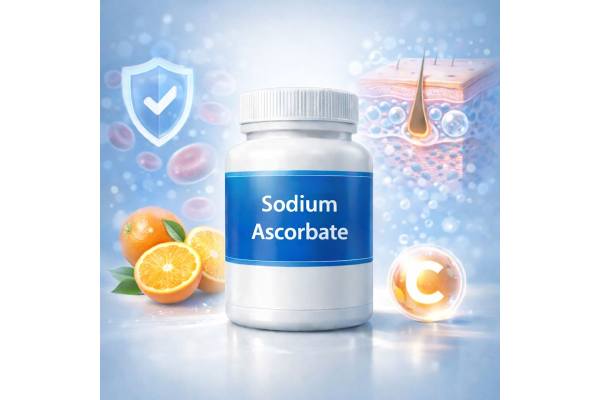
Sodium ascorbate is a buffered, non-acidic form of vitamin C that combines ascorbic acid with sodium. For many people, it offers a gentler alternative to regular vitamin C, especially if they experience heartburn or stomach discomfort from acidic supplements. Once absorbed, the body treats sodium ascorbate as vitamin C, so you still gain the well-known benefits: antioxidant support, collagen formation for skin and joints, immune function, and improved iron absorption from plant foods.
Because it is less acidic, sodium ascorbate is often used in higher oral doses, in powdered “DIY” mixtures, and in some high-dose intravenous vitamin C protocols under medical supervision. At the same time, it adds extra sodium and still carries the usual risks of high-dose vitamin C, such as gastrointestinal upset and possible kidney stone risk in susceptible individuals. This guide explains what sodium ascorbate does, how to use it, typical dosage ranges, and who should be cautious.
Key insights for sodium ascorbate
- Buffered sodium ascorbate provides vitamin C support while being less acidic and often gentler on the stomach than ascorbic acid.
- Regular intake in the range of about 200–500 mg/day of vitamin C from food and supplements is usually enough for general health in most adults.
- Do not exceed a total of about 1,000–2,000 mg/day of vitamin C from sodium ascorbate and other sources unless your clinician recommends it.
- People with kidney disease, a history of kidney stones, hemochromatosis, G6PD deficiency, or a strict low-sodium diet should use sodium ascorbate only with medical guidance.
Table of Contents
- What sodium ascorbate actually is
- Key benefits for immunity and health
- How to use sodium ascorbate daily
- Sodium ascorbate dosage and timing guide
- Side effects, risks, and who should avoid it
- What the evidence says about sodium ascorbate
What sodium ascorbate actually is
Sodium ascorbate is the sodium salt of ascorbic acid, the chemical name for vitamin C. When ascorbic acid is combined with sodium, the result is a neutral or slightly basic compound that dissolves easily in water and tastes less sharp than straight vitamin C powder. In supplements, you will see it listed as “sodium ascorbate” or “buffered vitamin C.”
From a biological perspective, sodium ascorbate delivers exactly the same active vitamin C molecule as ascorbic acid. In the digestive tract, the compound dissociates into sodium ions and ascorbate ions. The ascorbate is then absorbed into the bloodstream via vitamin C transporters in the intestinal wall. Once inside the body, the ascorbate behaves identically whether it started as plain ascorbic acid, sodium ascorbate, calcium ascorbate, or another mineral ascorbate.
The key differences, therefore, relate to tolerability and mineral load rather than to the vitamin itself. Because sodium ascorbate is less acidic, many people with sensitive stomachs find it easier to take, especially in powdered form mixed into water or juice. For some, this allows higher doses without heartburn or dental sensitivity.
However, each gram of sodium ascorbate contains a meaningful amount of sodium. A typical estimate is that 1,000 mg of sodium ascorbate delivers around 110 mg of sodium, which can add up quickly if someone is using multi-gram doses. For healthy individuals with moderate sodium intake, this is usually not problematic, but people on sodium-restricted diets need to account for it.
In summary, sodium ascorbate is best thought of as regular vitamin C delivered in a gentler, buffered form that may suit those with digestive sensitivity or those who prefer mixing a powder, as long as the added sodium fits their overall health plan.
Key benefits for immunity and health
Because sodium ascorbate is simply vitamin C in a buffered form, its benefits mirror those of vitamin C in general. The main difference is that people who cannot tolerate acidic forms may finally reach an intake that suits them, which can translate into more consistent daily use.
Vitamin C plays several well-established roles in the body. It is essential for the synthesis of collagen, the structural protein that supports skin, bones, tendons, blood vessels, and gums. This is why vitamin C deficiency shows up as easy bruising, fragile capillaries, and poor wound healing. Having adequate vitamin C on board helps maintain healthy connective tissue and supports the repair of everyday micro-damage.
Vitamin C is also a central antioxidant. It neutralizes reactive oxygen species and helps regenerate other antioxidants such as vitamin E. This antioxidant network supports overall cellular resilience and may help limit damage from pollution, smoking, intense exercise, and chronic inflammation. While no supplement is a substitute for a healthy lifestyle, vitamin C is one of the body’s front-line defenses.
Immune function is another major reason people turn to sodium ascorbate. Vitamin C supports several arms of the immune system, including white blood cell activity, antibody production, and the integrity of epithelial barriers such as the skin and respiratory tract. Regular intake of sufficient vitamin C appears to modestly reduce the duration or severity of common respiratory infections in some groups, especially when intake starts before symptoms appear.
There are also specific scenarios where buffered vitamin C is preferred. People undergoing intensive physical training, those recovering from surgery, smokers, and individuals with limited fruit and vegetable intake may have higher vitamin C needs and may benefit from a reliably tolerated supplement. For some, sodium ascorbate powder is easier to dose flexibly and to sip throughout the day.
Overall, sodium ascorbate does not provide “special” vitamin C effects beyond other forms, but it can make it simpler to achieve and maintain optimal vitamin C status with less gastrointestinal discomfort.
How to use sodium ascorbate daily
There are three common ways people integrate sodium ascorbate into their daily routine: as a stand-alone powder, as capsules or tablets, or as part of a combined formula with other nutrients.
Powdered sodium ascorbate is popular because it allows very flexible dosing. You can measure a small amount for everyday use or larger amounts if your clinician has recommended short-term higher doses. Most people stir the powder into a glass of water or juice and drink it with or after a meal. Taking it with food may further reduce the chance of stomach upset and can help with iron absorption from plant-based meals.
Capsules and tablets are more convenient for those who prefer pre-measured doses. Many products provide 250–1,000 mg of vitamin C per capsule. Because sodium ascorbate is mild-tasting, some chewable or “dissolve-in-mouth” products also use this form. Even though it is buffered, vitamin C still has some acidity, so it is sensible not to hold chewables or powders in the mouth for long periods, to help protect tooth enamel.
In terms of timing, vitamin C can be taken at any time of day, but splitting the total daily dose into two or three smaller servings often improves absorption and tolerance. For example, someone might take 250–500 mg with breakfast and another 250–500 mg with dinner rather than a single 1,000 mg dose. The body has limited capacity to absorb very large single doses, and excess is simply excreted in the urine.
Some individuals use sodium ascorbate strategically. Examples include:
- During periods of high physical or mental stress.
- In winter months when intake of fresh fruits and vegetables is lower.
- When advised by a healthcare professional as part of a broader protocol, such as in wound healing or certain chronic conditions.
It is important to distinguish routine oral use from high-dose intravenous vitamin C, which typically uses sodium ascorbate under strict medical supervision. Intravenous dosing bypasses the gut and results in much higher blood levels than oral supplements can reach, and it requires professional monitoring of kidney function, sodium load, and other risk factors.
No matter how you choose to use sodium ascorbate, pairing it with a diet rich in fruits, vegetables, and whole foods provides the broadest nutritional foundation.
Sodium ascorbate dosage and timing guide
When thinking about dosage, it helps to separate three concepts: the basic daily requirement, an intake range often used for general wellness, and the upper level that should not be exceeded without medical supervision.
For most adults, recommended daily intakes of vitamin C are in the range of about 75–90 mg per day, depending on sex and life stage, with slightly higher needs in pregnancy, lactation, and for smokers. Many people already meet or exceed this through diet alone if they regularly eat fruits and vegetables such as citrus, berries, kiwifruit, peppers, and leafy greens.
For general health support, a common supplemental range is 200–500 mg per day of vitamin C, including that from sodium ascorbate. This level is typically enough to saturate blood and tissue vitamin C levels in healthy individuals and is usually well tolerated. Some people take slightly higher amounts, for example 500–1,000 mg per day, particularly during times of stress or increased susceptibility to infections.
The key safety benchmark for most adults is a total upper intake around 2,000 mg (2 g) per day of vitamin C from all sources. Above this level, the risk of gastrointestinal side effects such as cramps, nausea, and diarrhea rises sharply, and there may be a higher risk of kidney stones in susceptible individuals. For many people, there is little clear added benefit to intakes much higher than about 400–500 mg per day in the long term, unless guided by a clinician.
With sodium ascorbate specifically, you also need to consider sodium content. Roughly, 1,000 mg of sodium ascorbate provides about 110 mg of sodium. If someone is taking several grams of sodium ascorbate daily, the additional sodium can become significant, especially for people advised to limit sodium to control blood pressure or heart failure. In such cases, it may be better to use a non-sodium form of vitamin C or to stay within lower daily doses.
Practical examples of daily use might include:
- 250–500 mg once daily with a meal for general support.
- 250–500 mg twice daily (morning and evening) for those who prefer divided doses.
- Short-term increases up to about 1,000–1,500 mg total per day during high-demand periods, if well tolerated and if kidney function is normal.
Children, pregnant people, those with chronic illnesses, and anyone considering high-dose or intravenous vitamin C should seek individualized advice from a qualified health professional rather than self-prescribing.
Side effects, risks, and who should avoid it
At typical daily intakes, sodium ascorbate is considered safe for most healthy adults. Side effects are more likely when doses get close to or exceed the common upper limit of about 2,000 mg per day of vitamin C, or when there are underlying health conditions.
The most frequent adverse effects are gastrointestinal. Unabsorbed vitamin C in the intestine draws water into the gut and can cause loose stools or diarrhea, bloating, and abdominal discomfort. These symptoms often resolve when the dose is reduced or split into smaller portions taken throughout the day. Buffered sodium ascorbate may reduce burning or irritation in people who cannot tolerate acidic forms, but it does not eliminate the possibility of diarrhea at high doses.
Kidney stones are a more serious concern for some. Vitamin C is partly metabolized to oxalate, which can combine with calcium to form kidney stones. Large observational studies have found that high supplemental vitamin C intake, particularly above about 1,000 mg per day, is associated with a higher risk of kidney stones in men, while the signal is weaker or absent in women. This does not mean everyone who takes vitamin C will develop stones, but individuals with a history of calcium oxalate stones or chronic kidney disease should be cautious and seek medical guidance before using high doses.
Because sodium ascorbate adds sodium, people with high blood pressure, heart failure, cirrhosis, or other conditions requiring strict sodium restriction need to count that sodium toward their daily limit. In these cases, other non-sodium forms of vitamin C may be preferable, or total intake from sodium ascorbate should remain modest.
Several groups warrant special attention:
- People with hereditary hemochromatosis or other iron-overload conditions, because vitamin C can enhance iron absorption.
- Individuals with glucose-6-phosphate dehydrogenase (G6PD) deficiency, who may be at risk of hemolysis with very high vitamin C doses, especially intravenously.
- Those with advanced kidney disease or on dialysis, due to altered oxalate handling and restricted fluid and sodium allowances.
Drug interactions are possible but usually manageable. High-dose vitamin C can interfere with certain lab tests, including some glucose measurements, and might affect the action of specific medications. This is another reason to inform your clinician about all supplements you take.
Anyone experiencing persistent nausea, flank pain, blood in the urine, or unusual fatigue while using high-dose sodium ascorbate should stop the supplement and seek medical evaluation.
What the evidence says about sodium ascorbate
The scientific literature on sodium ascorbate falls into two broad categories: research on vitamin C as a nutrient, where the exact salt form often does not matter, and more specialized work examining different supplemental forms or delivery routes.
Across multiple human studies, regular oral vitamin C in the range of a few hundred milligrams per day has been shown to saturate blood levels in most healthy individuals. Above about 400–500 mg per day, absorption efficiency drops and excess vitamin C is excreted in urine. In other words, a very large oral dose does not linearly translate into much higher blood levels, which is why routine megadoses may add more side effects than benefits for many people.
When different supplemental forms have been compared, such as ascorbic acid versus mineral ascorbates or food-based sources, most studies find similar bioavailability of the ascorbate itself. Research summaries note that no specific oral form of vitamin C has consistently demonstrated clearly superior absorption or clinical outcomes over the others in healthy people, though buffered or esterified forms can be better tolerated by some.
Safety evaluations from regulatory and expert bodies have examined ascorbic acid, sodium ascorbate, and other related compounds together. These reviews generally conclude that sodium ascorbate is an effective and safe source of vitamin C when used within recommended intake ranges, with no evidence of genotoxicity or carcinogenicity at typical exposures. The main concerns remain gastrointestinal upset at high intakes and the potential contribution to kidney stone risk and sodium load in susceptible individuals.
Observational data point to a sex-specific pattern for kidney stones, with high supplemental vitamin C intake appearing to increase risk in men but not clearly in women. While causation cannot be definitively established from these data alone, they support cautious use of high-dose vitamin C supplements in men with other stone risk factors.
In clinical practice, sodium ascorbate is also widely used as the buffered form for high-dose intravenous vitamin C regimens, including exploratory protocols in oncology and critical care. These interventions aim to reach blood concentrations vastly higher than oral dosing can achieve and require careful monitoring of kidney function, electrolytes, and other safety markers. Such intravenous use should never be attempted outside a properly supervised medical setting.
Overall, the evidence supports the view that sodium ascorbate is a convenient, well-tolerated way to obtain vitamin C, with benefits and limitations that mirror the broader vitamin C research landscape. The most reliable advantages come from consistent, moderate daily intake in the context of a balanced lifestyle, rather than from occasional extremely high doses.
References
- Vitamin C – Health Professional Fact Sheet, 2025 (Guideline)
- Supplemental Forms, 2020 (Review)
- Total, Dietary, and Supplemental Vitamin C Intake and Risk of Incident Kidney Stones, 2016 (Prospective Cohort Study)
- A comprehensive review and recent advances of vitamin C: Overview, functions, sources, applications, market survey and processes, 2024 (Systematic Review)
- Vitamin C – Consumer, 2021 (Guideline)
Disclaimer
The information in this article is for educational purposes only and is not a substitute for personalized medical advice, diagnosis, or treatment. Sodium ascorbate and other vitamin C supplements may not be appropriate for everyone, especially individuals with kidney disease, a history of kidney stones, iron-overload conditions, G6PD deficiency, cardiovascular disease, or those on restricted-sodium diets. Always consult a qualified healthcare professional before starting, stopping, or changing any supplement, particularly if you are pregnant, breastfeeding, taking prescription medications, or managing chronic health conditions. Never attempt high-dose or intravenous vitamin C therapy without direct medical supervision.
If you found this guide helpful, please consider sharing it with friends, family, or colleagues on Facebook, X (formerly Twitter), or any platform you prefer. Your support through sharing and following us on social media helps our team continue to create clear, evidence-informed health content for you and other readers.