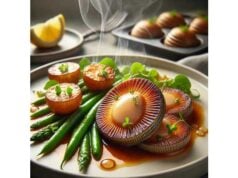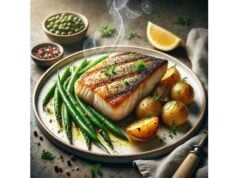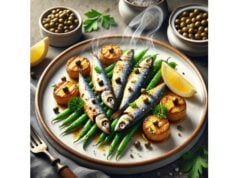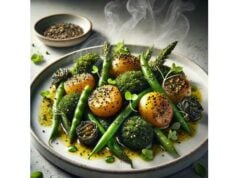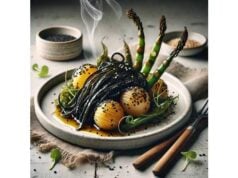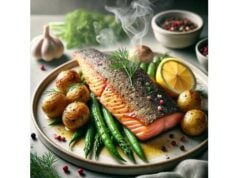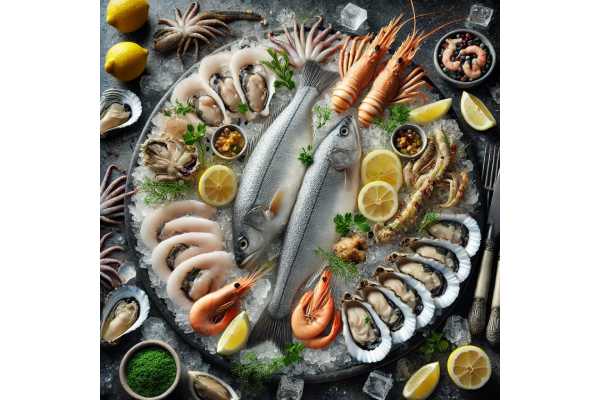
Sole is the weeknight-friendly white fish chefs reach for when they want delicacy without fuss. Its flesh is thin, sweet, and fine-flaked, cooking through in minutes with almost no risk of tasting “fishy.” A 100-gram cooked portion is naturally lean and protein-dense, with helpful amounts of selenium, phosphorus, and B vitamins, and a modest dose of omega-3s. Because many sole sold at retail are flatfish from well-managed fisheries or responsible farms, it can be a smart, sustainable option if you choose well. Classic dishes—like sole meunière—make the most of its quick cook time and gentle flavor, but fillets are just as happy in parchment, on a sheet pan, or tucked into tacos. This guide gives you the essentials: a clear nutrition profile, evidence-based benefits, safety notes (including mercury guidance), and practical advice on selecting, storing, and cooking sole so it stays tender, juicy, and flavorful.
Key Takeaways
- 100 g cooked sole provides ~18–24 g protein, ~1–2 g fat, and modest omega-3s with very low calories.
- Mercury is generally low to moderate depending on species and catch area; check local advisories for wild fish.
- Typical serving: 100–150 g cooked fillet, 1–2 times weekly within a varied seafood pattern.
- People who are pregnant, breastfeeding, or serving young children should favor the lowest-mercury species and limit fried, high-sodium preparations.
Table of Contents
- Sole at a Glance
- Sole Nutrition Profile
- Evidence-Based Benefits
- Risks, Allergies and Interactions
- Selecting, Sustainability and Storage
- Cooking and Nutrient Retention
- Portions, Comparisons and FAQs
Sole at a Glance
“Sole” typically refers to flatfish fillets that are thin, mild, and quick to cook. In Europe, “common sole” (Solea solea) is a prized species; in North America, Dover sole in markets often means Pacific Dover (Microstomus pacificus), a different flatfish with similarly tender, delicate flesh. You’ll also find lemon sole, petrale sole, and other flatfish sold as “sole” depending on region. The shared traits are a soft, fine flake; thin fillets; and a neutral taste that welcomes lemon, butter, herbs, and gentle heat.
Culinary strengths include speed, versatility, and broad appeal. Because fillets are thin, they pan-cook in 2–4 minutes per side, steam to perfection in parchment, or bake on a sheet tray without drying out. The fish shines with light sauces—brown butter and lemon, capers and parsley, or a white wine reduction—and it pairs naturally with tender vegetables (asparagus, green beans, zucchini), soft grains (couscous, rice), and simple salads.
Nutritionally, sole is a lean protein with almost no carbohydrates. A standard 100-gram cooked portion delivers roughly 18–24 grams of protein for ~90–120 kcal, plus selenium, phosphorus, and potassium. Omega-3 content is modest compared with oily fish (think salmon or sardines) but still contributes to overall intake when you rotate seafood through the week. Sodium remains low in plain, unseasoned sole; packaged or breaded products can raise sodium and fat.
On safety and sustainability, most small flatfish accumulate less mercury than large predators. That said, species and waters matter: local advisories sometimes recommend limits on wild fish from specific bays or estuaries, and management quality varies by fishery. Farmed options exist and can be responsible choices when producers publish water quality and feed standards. In all cases, keep a cold chain from shop to skillet, and cook to a safe internal temperature.
Flavorwise, think bright and minimal: lemon, parsley, chives, dill, capers, white wine, or a light miso–ginger glaze. Because the fillets are delicate, gentle handling—wide spatula, well-heated pan, and light coating of flour if you want a crisp edge—keeps them intact and succulent.
Sole Nutrition Profile
Scope: Values below describe plain cooked sole (mixed flatfish marketed as “sole”), per 100 g edible portion. Ranges reflect species, season, and cooking moisture. %DV uses current adult Daily Values; shown where applicable.
Macros & Electrolytes (per 100 g, cooked)
| Nutrient | Amount (typical) | %DV |
|---|---|---|
| Energy | ~90–120 kcal | — |
| Protein | ~18–24 g | 36–48% |
| Total Fat | ~1.0–2.5 g | 1–3% |
| Saturated Fat | ~0.2–0.6 g | 1–3% |
| Carbohydrate | 0 g | 0% |
| Dietary Fiber | 0 g | 0% |
| Sodium (unseasoned) | ~60–90 mg | 3–4% |
| Potassium | ~280–360 mg | 6–8% |
| Water | ~72–78 g | — |
Fats & Fatty Acids (per 100 g, cooked)
| Component | Amount | Notes |
|---|---|---|
| Monounsaturated Fat | ~0.3–0.7 g | Mostly oleic |
| Polyunsaturated Fat | ~0.4–0.9 g | n-3 predominates |
| Long-chain Omega-3s (EPA + DHA) | ~0.2–0.4 g | Lower than oily fish |
| Omega-6s (total) | ~0.05–0.15 g | Low |
| Cholesterol | ~45–65 mg | — |
Protein & Amino Acids (per 100 g, cooked)
Complete protein; values scale with moisture.
| Essential Amino Acid | Amount (g) |
|---|---|
| Lysine | ~1.6–1.9 |
| Leucine | ~1.6–1.8 |
| Methionine | ~0.6 |
| Threonine | ~0.8–0.9 |
| Tryptophan | ~0.2 |
Vitamins (per 100 g, cooked)
| Vitamin | Amount (typical) | %DV |
|---|---|---|
| Vitamin B12 (cobalamin) | ~1.2–2.0 µg | 50–83% |
| Niacin (vitamin B3) | ~3.5–6.0 mg | 22–38% |
| Vitamin B6 (pyridoxine) | ~0.2–0.3 mg | 12–18% |
| Riboflavin (vitamin B2) | ~0.1–0.2 mg | 8–15% |
| Vitamin D | ~1–6 µg | 5–30% |
| Choline | ~60–90 mg | 11–16% |
| Vitamin A (RAE) | ~10–30 µg | 1–3% |
Minerals (per 100 g, cooked)
| Mineral | Amount (typical) | %DV |
|---|---|---|
| Selenium | ~25–45 µg | 45–82% |
| Phosphorus | ~200–260 mg | 16–21% |
| Magnesium | ~25–35 mg | 6–8% |
| Potassium | ~280–360 mg | 6–8% |
| Zinc | ~0.4–0.7 mg | 4–6% |
| Iron | ~0.2–0.6 mg | 1–3% |
| Calcium | ~10–20 mg | 1–2% |
Allergens & Intolerance Markers
- Finfish allergen: Sole is a finfish; cross-reactivity with other fish is common among those with fish allergy.
- Sodium: Plain fillets are low in sodium; breaded/frozen entrées can add >400 mg/serving—check labels.
Contaminants/Residues
- Mercury: Typically low to moderate for small/medium flatfish; specifics vary by species and water body.
- Other pollutants: Legacy contaminants may be higher in certain estuaries; heed regional advisories for wild-caught fish.
Footnotes
- Values reflect unfortified, plain cooked fillets.
- Frying raises fat; salted/breaded products raise sodium; poaching/steaming keeps values close to table ranges.
Evidence-Based Benefits
Lean, high-quality protein
Per 100 g cooked, sole supplies roughly 18–24 g of complete protein with minimal fat and zero carbs. For many people, that makes it an easy way to hit protein targets at a modest calorie cost—especially useful in weight-conscious or cardiometabolic eating plans. Because fillets are thin and cook gently, protein denaturation is even and moisture loss is limited when you avoid overcooking.
Helpful micronutrients without heaviness
Sole delivers meaningful selenium (often approaching half to four-fifths of the Daily Value per 100 g), phosphorus, and B vitamins (notably B12 and niacin). Selenium supports antioxidant enzymes and thyroid hormone metabolism; B12 supports red-blood-cell formation and neurologic function; phosphorus supports bone and energy pathways. While the vitamin D content is moderate compared with oily fish, it still contributes to daily totals.
Omega-3s in a flexible package
Sole is not an omega-3 superstar, but ~0.2–0.4 g EPA+DHA per 100 g helps nudge weekly intake upward when you rotate seafood: e.g., a low-fat white fish (sole), an oily fish (salmon or sardines), and a medium-fat fish (trout). This mix keeps meals varied and supports heart-healthy patterns.
Gentle on taste buds and digestion
The mild flavor and very fine flake suit children, older adults, and anyone easing into seafood. Its delicate texture is easy to chew, and simple cooking methods limit greasy add-ons. For those sensitive to strong fish aromas, sole’s clean profile can help sustain a regular seafood habit—often the biggest determinant of long-term nutrient intake from the sea.
Kitchen advantages that support healthier eating
Fillets cook in minutes with minimal equipment. A nonstick skillet or parchment packet plus lemon and herbs delivers a satisfying entrée with little added fat or sodium. The ease reduces reliance on ultra-processed convenience foods and encourages home-cooked meals paired with vegetables and whole grains.
Smart role in a seafood rotation
Because mercury levels are usually lower than large predators, sole can appear more often on the menu, while higher-omega-3 species fill the rest of the week. This rotation captures the benefits of variety—different micronutrients, flavors, and prices—without leaning too hard on any single species.
Bottom line
Sole is a practical, approachable way to eat more seafood: lean protein, helpful micronutrients, quick to cook, and family-friendly. Use it as one of several seafood choices that, together, deliver both omega-3s and consistent weekly intake.
Risks, Allergies and Interactions
Mercury and local advisories
Most sole species contain low to moderate mercury compared with large predatory fish. Still, mercury levels vary with species and waters. If you fish locally or buy regionally specific wild catch, check current advisories, especially for pregnant people, those planning pregnancy, people who are breastfeeding, and young children. When uncertain, limit portion frequency and rotate with the lowest-mercury seafoods.
Allergy to finfish
Finfish allergy can cause serious reactions. If you have a known fish allergy—or uncertain reactions to fish—avoid sole unless cleared by an allergist after supervised testing. Cross-contact with crustaceans and other fish is common at markets and in restaurant fryers or grills; ask about shared equipment.
Parasites and raw consumption
Flatfish can harbor parasites. If you plan ceviche, crudo, or sushi-style dishes at home, use fish that has been properly frozen by a supplier for raw service. Home freezers often do not maintain the consistent temperatures necessary for parasite destruction in thick fillets. When in doubt, cook to a safe internal temperature.
Histamine and handling
Improper temperature control after harvest can promote histamine formation and other spoilage. Buy from reputable sellers that maintain the cold chain; transport your purchase chilled; and refrigerate promptly. Reject fillets with sour or ammonia-like odors, tacky surfaces, or excessive drip.
Sodium, saturated fat, and breaded entrées
Plain sole is naturally low in sodium and saturated fat. Breaded, pre-sauced, or fried versions can add hundreds of milligrams of sodium and several grams of fat per serving. If you’re managing blood pressure or lipids, choose plain fillets and season with lemon, herbs, and olive oil.
Medication and nutrient considerations
- Anticoagulants: Food-level omega-3s in sole are modest and generally compatible with anticoagulant therapy; large supplemental doses are the typical concern.
- Iodine: Iodine content is variable but usually moderate; people with thyroid disorders should follow clinician guidance on total iodine intake.
- Selenium: Sole contributes to selenium intake; stay within recommended upper limits if also taking high-dose supplements.
Food-safety checkpoints
- Keep fish at or below 4 °C (40 °F).
- Cook to an internal temperature of 63 °C (145 °F) or until opaque and flaking.
- Refrigerate leftovers within 2 hours (within 1 hour if ambient ≥32 °C/90 °F).
- Reheat leftovers gently and only once.
Selecting, Sustainability and Storage
At the counter: how to spot quality
- Look: Fillets should be moist, translucent to pearly white, and evenly cut. Avoid browning, gaping, or dry, curling edges.
- Smell: Clean and marine—never sour or ammonia-like.
- Feel: Flesh should be resilient, not mushy or sticky.
- Labeling: Ask which species you’re buying (e.g., common sole, Pacific Dover, petrale) and where it was caught or farmed. Clarify whether it was previously frozen.
Sustainability cues
- Species and fishery: Some sole fisheries are well managed with quotas, size limits, and bycatch controls; others are improving. Favor sources that disclose catch method (e.g., trawl with bycatch reduction devices, hook-and-line) and management details.
- Farmed options: Responsibly farmed flatfish can be a good choice when producers publish water quality, feed composition, and effluent management data.
- Traceability: Prefer retailers and brands that provide species names, catch areas (FAO zones), and handling information. Transparency is a strong proxy for good practices.
Smart storage and handling
- Transport cold: Use an insulated bag or small cooler for trips longer than 30 minutes.
- Refrigeration: Store at ≤4 °C on a rack over a tray to drain; cook within 24 hours (up to 48 hours if extremely fresh).
- Freezing: Pat dry, wrap tightly (or vacuum-seal), and freeze at −18 °C (0 °F) or below. For best quality, use within 2–3 months. Thaw overnight in the refrigerator on a tray to capture drips.
- Odor management: A brief milk or buttermilk soak (10–15 minutes) can soften any faint estuarine notes; dry thoroughly before cooking.
Value tips
- Previously frozen fillets can be excellent value when properly handled—often better than “fresh” fish that has spent days in transit.
- Thin fillets cook fast and stretch well across salads, grain bowls, and tacos; a 300-gram pack can serve three when paired with vegetables and grains.
Red flags—choose something else if you notice:
Mushy texture, strong odors, dull or yellowing edges, excess purge in packaging, or inconsistent labeling about species or origin.
Cooking and Nutrient Retention
Target doneness and cues
Aim for an internal temperature of 63 °C (145 °F). Visual cues are just as helpful with thin fillets: flesh turns opaque, flakes with gentle pressure, and releases easily from the pan. Because sole cooks quickly, use moderate heat and pay attention—overcooking dries the thin edges first.
Techniques that flatter sole
- Meunière (quick skillet): Pat dry, season lightly, dust with flour, and sauté 2–3 minutes per side in a thin film of butter or oil. Remove fish; brown butter briefly; add lemon, capers, and parsley; spoon over.
- Parchment packets: Layer fillet with lemon slices, herbs, and a drizzle of olive oil; seal in parchment; bake 8–12 minutes at 200 °C (400 °F). Steam keeps fillets moist, with minimal nutrient loss.
- Sheet-pan supper: Toss cherry tomatoes, zucchini, and shallots with olive oil; roast until tender; add sole on top for the final 8–10 minutes.
- Steamed with ginger and scallion: Steam 6–8 minutes; finish with warm soy-ginger drizzle and a splash of sesame oil for aroma while keeping sodium modest.
- Fish tacos: Season with chili, cumin, and lime zest; pan-sear; flake into warm tortillas with cabbage and salsa verde.
Nutrient retention pointers
- Water-soluble B vitamins are sensitive to leaching; quick sautéing or baking in parchment limits losses.
- Omega-3s are modest but relatively heat-stable at the short times needed for sole; avoid prolonged high heat or repeated reheating.
- Sodium control: Skip heavy batters and salty sauces. Brighten with acids (lemon, vinegar), herbs, and aromatics instead of extra salt.
- Healthy fats: A small amount of olive oil or a knob of butter carries flavor without excess calories. If using butter, balance with lemon and capers to amplify taste with less fat.
Food-safety at home
Keep raw fish off ready-to-eat surfaces; wash boards, knives, and hands thoroughly; and refrigerate leftovers within 2 hours. Reheat gently to avoid drying.
Portions, Comparisons and FAQs
What counts as a serving, and how often?
For most adults, 100–150 g cooked is a practical serving (roughly one large or two small fillets). Within a balanced seafood pattern, enjoy sole 1–2 times per week, rotating with oily fish to meet omega-3 goals.
How does sole compare with cod or salmon?
- Protein: Similar to cod per 100 g; less than salmon only because salmon’s higher fat dilutes protein percentage slightly.
- Fat and calories: Lower than salmon; comparable to cod or haddock.
- Omega-3s: Lower than salmon and sardines; similar to other lean white fish.
- Micronutrients: Strong for selenium and B12; vitamin D is moderate and varies with species and season.
Is sole good for weight management?
Yes. It’s low in calories and high in protein, which supports satiety. Pair fillets with vegetables and whole grains; use small amounts of fat for flavor rather than heavy sauces.
Can I eat sole if I’m pregnant?
Sole is generally a lower-mercury choice compared with large predators. Follow current national seafood guidance on weekly portions, choose simple preparations, and vary species across the month. If local advisories exist for regional flatfish, follow them.
Is frozen as good as fresh?
Often. Properly frozen, quickly processed fillets can outperform “fresh” fish that has spent days in transit. Thaw slowly in the refrigerator and pat dry before cooking.
Do I need to remove skin and bones?
Most sole is sold skinless and boned. If skin is present, it can be cooked skin-side down first for structure; any pin bones in thin fillets are usually tiny and removed at processing.
What are smart substitutions?
For similar texture and cooking time: flounder, plaice, tilapia (responsibly farmed), or thin pollock fillets. For higher omega-3s with mild flavor: trout or Arctic char.
Bottom line
Keep sole in the rotation for easy, lean, tender seafood. Use it for nights when you want dinner on the table fast, then balance the week with an oily fish to round out omega-3s.
References
- Advice about Eating Fish 2024 (Guidance)
- Cook to a Safe Minimum Internal Temperature 2024 (Guidance)
- Fish Intake in Relation to Fatal and Non-Fatal Cardiovascular Risk: A Systematic Review and Meta-Analysis of Cohort Studies 2023 (Systematic Review)
- Fish Consumption, Fish Oil, Omega-3 Fatty Acids, and Cardiovascular Disease 2018 (Science Advisory)
Disclaimer
This article is for general education and does not replace personalized medical advice, diagnosis, or treatment. Seafood choices, serving frequency, and preparation methods should reflect your health status, medications, allergies, and life stage. If you are pregnant or breastfeeding, managing lipid or blood pressure goals, or following medical nutrition therapy, consult your healthcare professional or a registered dietitian for guidance tailored to you.
If this guide was helpful, please consider sharing it on Facebook, X (formerly Twitter), or any platform you prefer. Your support helps us continue producing practical, evidence-informed food guides.