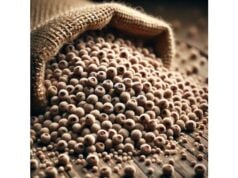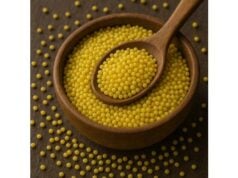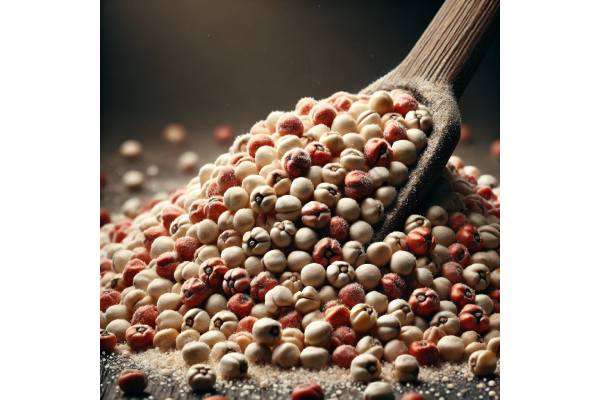
Sorghum is a resilient ancient grain that earns attention for its versatility, reliable nutrition, and sustainability. Naturally gluten-free, it cooks into chewy whole berries for salads and pilafs, mills into mild, slightly sweet flour for baking, and pops into snackable “mini-popcorn.” Beyond the kitchen, sorghum stands out agronomically: it thrives in heat and drought and helps diversify cereal staples. Nutritionally, whole-grain sorghum offers complex carbohydrates for steady energy, meaningful fiber, and a spectrum of minerals—especially magnesium, phosphorus, and manganese—along with B-vitamins. Pigmented varieties supply distinctive polyphenols (including the rare 3-deoxyanthocyanidins) that contribute color and bioactive potential. Whether you are managing gluten avoidance, seeking new whole-grain textures, or reducing environmental impact, sorghum provides practical options without feeling like a compromise. This guide brings together what matters most: how sorghum fits into a balanced diet, what its nutrient numbers look like, where it may offer health benefits, how to buy and store it well, the safest ways to prepare it, and how much to eat for day-to-day use.
Essential Insights
- Whole-grain sorghum provides slow-release carbs, ~6–7 g fiber, and useful amounts of magnesium, phosphorus, and manganese per 100 g.
- Naturally gluten-free; choose certified products when strict avoidance is required to reduce cross-contact risk.
- Typical everyday serving: ½ cup cooked (≈90–100 g cooked, ~30–35 g dry) once daily or a few times per week.
- People with celiac disease or wheat allergy can include sorghum; those with sorghum pollen allergy or tannin sensitivity should use caution.
Table of Contents
- Sorghum at a Glance: Detailed Overview
- Sorghum Nutrition Profile
- Evidence-Based Health Benefits
- Risks, Allergies and Interactions
- Selecting, Quality, Sustainability and Storage
- Preparation, Cooking and Nutrient Retention
- Portions, Comparisons and FAQs
Sorghum at a Glance: Detailed Overview
Sorghum (Sorghum bicolor) is a cereal grain native to Africa and now grown worldwide. It’s the fifth most produced cereal globally and is valued for both food and non-food uses. Culinary forms include whole berries (sometimes labeled “pearled” or “whole”), cracked grain, flakes, popped sorghum, flour, and syrup (from sweet sorghum). In Indian cuisines it appears as jowar roti; in East Africa as injera-style flatbreads or porridges; in the U.S. and Europe, as a gluten-free flour and increasingly as a whole-grain side. The grain’s neutral flavor and gentle sweetness make it flexible: it stands in for rice or farro in bowls, bulks up soups, and adds structure to gluten-free baking.
What sets sorghum apart is its combination of hearty texture and notable bioactive compounds. Red, brown, and black grains concentrate unique phenolics—particularly 3-deoxyanthocyanidins (apigeninidin and luteolinidin)—that tolerate heat better than classic anthocyanins. That durability helps preserve color and functional properties through cooking and processing. Sorghum’s starch is also interesting: it includes slowly digestible and resistant fractions that can moderate glucose release compared with many refined cereal foods. The main storage protein, kafirin, forms tight structures that reduce digestibility unless properly processed, which is a double-edged sword: it may blunt post-meal glucose spikes, but also contributes to denser textures and can limit amino acid availability without correct preparation.
From a sustainability perspective, sorghum’s deep roots and efficient water use let it perform where other cereals struggle, requiring fewer irrigation inputs in semi-arid regions. Crop breeders have also developed food-quality types with improved protein digestibility, lower tannins, and desirable baking traits. For home cooks, sorghum is low-maintenance: store the dry grain as you would brown rice, cook it like barley, and lean on simple techniques (soaking, pressure-cooking, or sprouting) to tailor texture and nutrition. Because it is naturally gluten-free, it’s an essential pantry grain in gluten-free diets and a helpful flour to blend with other gluten-free staples for better structure.
Key takeaways for everyday use: whole-grain sorghum is best for fiber and minerals; pigmented varieties bring extra polyphenols; and good technique—soaking, fermenting, or sprouting—improves mineral bioavailability and tenderness. Whether you want a hearty base for grain bowls, a gluten-free flatbread, or a higher-polyphenol swap for refined grains, sorghum is straightforward to adopt.
Sorghum Nutrition Profile
Serving basis: The tables below report typical values per 100 g raw whole grain to standardize comparison. Cooked weights vary with water uptake (roughly 2.5–3×). % Daily Value (%DV) uses adult DVs on a 2,000-kcal diet.
Macros and Electrolytes (per 100 g, raw whole grain)
| Nutrient | Amount | %DV |
|---|---|---|
| Energy | 329 kcal | — |
| Carbohydrate | 72.1 g | 26% |
| Dietary Fiber | 6.7 g | 24% |
| Total Sugars | 2.5–5 g | — |
| Protein | 10.6 g | 21% |
| Total Fat | 3.5 g | 4% |
| Saturated Fat | 0.6 g | 3% |
| Sodium | ~2 mg | 0% |
| Potassium | 363 mg | 8% |
| Water | ~12 g | — |
Carbohydrates
| Component | Amount | Notes |
|---|---|---|
| Starch (estimated) | ~66–68 g | Mix of rapidly and slowly digestible starch; resistant starch present in modest amounts depending on processing. |
| Soluble Fiber | ~0.5–1 g | Varies by cultivar and milling. |
| Insoluble Fiber | ~5–6 g | Primary contributor to total fiber. |
Fats and Fatty Acids
| Component | Amount | %DV |
|---|---|---|
| Monounsaturated Fat | ~1.1 g | — |
| Polyunsaturated Fat | ~1.6 g | — |
| Linoleic Acid (omega-6) | ~1.5 g | — |
| Alpha-Linolenic Acid (omega-3) | ~0.06 g | — |
Protein and Amino Acids
| Item | Note |
|---|---|
| Total Protein | 10.6 g per 100 g; main storage protein is kafirin. |
| Limiting Amino Acid | Lysine is relatively low; pair with legumes, dairy, eggs, or soy to improve amino acid balance. |
| Digestibility | Improves with fermentation, sprouting, and nixtamalization-like alkaline treatments. |
Vitamins (per 100 g)
| Vitamin | Amount | %DV |
|---|---|---|
| Thiamin (B1) | 0.33 mg | 28% |
| Riboflavin (B2) | 0.09 mg | 7% |
| Niacin (B3) | 3.7 mg | 23% |
| Vitamin B6 | 0.44 mg | 26% |
| Folate (DFE) | 20 µg | 5% |
| Vitamin E (alpha-tocopherol) | ~0.5 mg | 3% |
Minerals (per 100 g)
| Mineral | Amount | %DV |
|---|---|---|
| Magnesium | 165 mg | 39% |
| Phosphorus | 289 mg | 23% |
| Manganese | 1.6 mg | 70% |
| Iron | 3.4 mg | 19% |
| Zinc | 1.7 mg | 15% |
| Copper | 0.29 mg | 32% |
| Selenium | 12 µg | 22% |
| Calcium | 25 mg | 2% |
Bioactives / Phytonutrients
- Pigmented sorghums (red, brown, black) contain phenolic acids (e.g., ferulic), flavones/flavonols (luteolin, apigenin), condensed tannins, and 3-deoxyanthocyanidins (apigeninidin, luteolinidin), which are relatively heat-stable.
- Bran fractions carry the highest concentrations; decortication lowers levels.
Allergens and Intolerance Markers
- Sorghum is naturally gluten-free (no wheat gluten proteins).
- Tannins in some high-tannin types may cause astringency or GI discomfort in sensitive individuals.
Anti-nutrients
- Phytates and tannins can reduce mineral bioavailability; soaking, sprouting, fermentation, and using sourdough/acidic batters can mitigate this.
Additives and Fortification
- Plain sorghum grain is unfortified. Flours or ready-to-eat products may be enriched; check labels.
Glycemic and Acid–Base Metrics
- Whole-grain, minimally milled sorghum foods often yield low-to-moderate glycemic responses; GI varies by genotype and processing (extrusion and fine milling generally raise GI).
- PRAL (acid–base) for sorghum is mildly acid-forming, similar to other whole cereals.
Note: Nutrient values vary by cultivar, growing conditions, and milling. Cooking hydrates grain and changes per-100-g cooked values mainly by dilution.
Evidence-Based Health Benefits
Steady energy and post-meal glucose support. Whole-grain sorghum delivers complex carbohydrates and fiber with slowly digestible starch. In clinical testing with gluten-free breads made from different sorghum genotypes, brown sorghum options showed lower glycemic responses than a rice-bread control, with genotype and formulation influencing outcomes. This aligns with practical kitchen experience: coarser particles, intact grains, and sourdough-style fermentation typically dampen spikes compared with finely milled or extruded products. For people aiming to smooth blood sugar excursions—whether athletes timing energy or individuals managing insulin resistance—swapping refined, quickly digested starches for intact sorghum, sorghum-oat blends, or sorghum-legume dishes is a sensible approach.
Mineral density that matters day to day. Sorghum is notably rich in magnesium and phosphorus, with meaningful manganese and useful iron and zinc. The numbers per 100 g raw grain contribute a substantial portion of daily needs, especially for magnesium (important for nerve function, energy metabolism, and muscle relaxation). Because phytates can bind minerals, pairing sorghum with vitamin C sources (citrus, peppers), fermenting batters (e.g., injera-style), or sprouting the grain can improve effective uptake without changing your menu dramatically.
Distinctive polyphenols with emerging potential. Sorghum’s phenolic profile is unusual among cereals. Red and black varieties supply 3-deoxyanthocyanidins, which retain color and activity through heat more than typical anthocyanins. Reviews of human, animal, and in-vitro work suggest these compounds and other polyphenols may influence oxidative balance, inflammatory signaling, and enzymes linked to carbohydrate and lipid metabolism. While mechanisms and effect sizes in humans need more rigorous trials, the culinary takeaway is straightforward: include pigmented sorghum—whole berries, flakes, or high-bran flours—to diversify the polyphenols in your diet, much like you would with red rice or black barley.
Digestive benefits via fiber and resistant starch. A ½-cup cooked serving typically provides a few grams of fiber (the exact number depends on cooking yield and product). That fiber supports regularity, feeds beneficial gut microbes, and slightly increases satiety. Resistant starch formed during cooling (think next-day sorghum salad) can further nudge the meal’s glycemic and fermentative profile in a favorable direction.
Supports gluten-free dietary patterns. Sorghum’s neutral taste and structural properties make it a backbone grain in gluten-free cooking. Compared with relying heavily on refined gluten-free starches (white rice flour, tapioca), integrating sorghum flour and whole berries improves fiber and micronutrients, and helps create baked goods with better color and flavor—especially when blended with oat, buckwheat, or nut flours.
Sustainability with personal relevance. Choosing sorghum periodically can diversify staple grains and modestly lower the water intensity of your menu, particularly if you live in regions facing water scarcity. This environmental co-benefit doesn’t replace dietary quality, but it’s a helpful tie-breaker when deciding between similar dishes.
How to use the science today
- Favor intact or minimally milled sorghum and pigmented varieties for polyphenols.
- For blood sugar goals, choose coarse grinds, sourdough batters, or whole berries over fine, instant products.
- Combine with legumes/seeds for a better amino acid profile, and with vitamin C-rich vegetables for iron absorption.
Risks, Allergies and Interactions
Gluten and cross-contact. Sorghum is naturally gluten-free and appropriate for celiac disease and wheat allergy when sourced and processed in dedicated gluten-free facilities. If you require strict avoidance, look for third-party certification and check for “made in a facility with wheat” statements on flours, cereals, and mixes.
Allergy and intolerance. True sorghum grain allergy is uncommon, but cross-reactivity with grass pollens has been described; individuals with significant grass-pollen allergy should introduce sorghum cautiously and stop if oral itching, hives, wheeze, or GI symptoms occur. High-tannin varieties may cause astringency or mild GI discomfort in sensitive people—choosing low-tannin food-grade sorghum or using fermentation can help.
Anti-nutrients and mineral absorption. Phytates and tannins can lower the absorption of iron and zinc. This does not make sorghum “bad,” but it does reward good technique: soaking and discarding soak water, sprouting, or fermenting batters reduces phytates; adding vitamin C-rich sides (tomatoes, peppers) improves iron uptake from the meal. Decortication (pearling/milling off the bran) reduces tannins but also removes fiber and minerals, so strike a balance.
Mycotoxins and storage. As with other cereals, improper post-harvest handling and humid storage can allow molds that produce mycotoxins (e.g., aflatoxins, fumonisins). Buy reputable brands; avoid grain that is musty or discolored; store in airtight containers in a cool, dry place; and rotate stock. Cooking does not reliably destroy all mycotoxins, so prevention and good storage matter most.
Cyanogenic glycosides in forage—not the grain. Young sorghum leaves can contain dhurrin, a cyanogenic compound that is a concern for grazing animals. Mature grain used for human food is not the same exposure scenario; grain sorghum products are not considered a cyanide risk.
Medication and condition considerations.
- Iron management: If you monitor iron (hemochromatosis), note that pigmented, high-tannin sorghum may reduce non-heme iron absorption slightly; whole-grain sorghum still contains iron.
- Potassium-restricted diets: A ½-cup cooked portion is moderate in potassium; most individuals can include it, but those with advanced kidney disease should count it within their daily allowance.
- Blood sugar management: Responses vary with product type; intact and fermented foods are typically friendlier than extruded puffs or finely milled instant porridges.
Practical safety tips
- For strict gluten avoidance, choose certified gluten-free sorghum flours and cereals.
- Store grain airtight and dry; refrigerate or freeze flour to extend freshness and protect oils.
- Introduce new pigmented/high-bran sorghum gradually if you’re not used to higher tannins.
Selecting, Quality, Sustainability and Storage
Which type to buy
- Whole berries (intact grain): Best for salads, pilafs, soups, and grain bowls. Choose unpearled or minimally pearled for maximum fiber and minerals.
- Flour (whole-grain vs refined): Whole-grain sorghum flour retains bran and germ (more fiber, minerals, and polyphenols). Refined flour behaves lighter in cakes but loses nutrients. For gluten-free baking, blend sorghum flour with tapioca/arrowroot for lift and with oat or almond flour for tenderness.
- Pigmented varieties: Red, burgundy, and black sorghums supply more phenolics and deeper color; excellent in crackers, tortillas, and porridge.
- Popped sorghum: Air-popped “mini popcorn” has a nutty crunch and works as a snack or garnish.
- Sorghum syrup: A traditional, molasses-like sweetener from sweet sorghum; use like maple syrup or molasses.
Quality checks at purchase
- Look for even color, clean kernels, and no signs of moisture or clumping.
- For flour, prefer recent milling dates and oxygen-barrier packaging; whole-grain flours turn rancid faster.
- If you need strict gluten-free control, select products with third-party certification.
Sustainability notes
- Sorghum’s heat and drought tolerance reduce reliance on irrigation relative to thirstier cereals. It often fits well into diversified rotations, supporting soil conservation. Choosing sorghum alongside other whole grains spreads risk and supports agricultural biodiversity.
- Packaging matters: buy in bulk bins with high turnover or sealed bags; bring reusable containers when possible.
Storage and shelf life
- Whole berries: Up to 6–12 months in a cool, dry pantry; 12+ months refrigerated or frozen in airtight containers.
- Flour: 2–3 months pantry; 6–12 months refrigerated or frozen.
- Cooked sorghum: 4–5 days refrigerated; up to 3 months frozen. Cool quickly, portion into shallow containers, and label dates.
Smart shopping and planning
- Keep two formats on hand: whole berries for savory meals and whole-grain flour for baking.
- Rotate pigmented and white varieties to vary polyphenols and textures.
- For budget-savvy cooking, cook a large batch of berries weekly and repurpose: warm bowl on day 1, salad on day 2, soup thickener on day 3.
Preparation, Cooking and Nutrient Retention
Rinse and (often) soak. Rinse whole berries under cool water until it runs clear. Soaking 4–8 hours (or overnight) shortens cooking time, improves texture, and begins phytate breakdown. If you soak, drain and discard the soak water before cooking.
Cook times (whole berries)
- Standard simmer: 1 cup dry to 3 cups water or broth; bring to a boil, reduce to gentle simmer, cover, 45–60 minutes unsoaked or 30–40 minutes soaked.
- Pressure cooker: 1:2.5 grain:water; 20–25 minutes on high pressure; natural release for 10 minutes.
- Pilaf method: Toast rinsed grains in oil for 2–3 minutes, add hot liquid, simmer covered.
- Popping: Heat a heavy pan with a tight lid; add a thin layer of dry grain; shake until popping slows. Season like popcorn.
Techniques that enhance nutrition
- Sourdough/fermentation: Fermenting batters (e.g., for flatbreads, pancakes, injera-style crepes) activates endogenous enzymes and microbial phytases, reducing phytate and improving mineral bioavailability. Start with a simple overnight batter of sorghum flour, water, and a spoonful of live-culture yogurt or starter.
- Sprouting (malting): Soak, drain, and keep grains just moist until tiny shoots appear (24–48 hours). Dry gently at low heat and mill for sprouted sorghum flour with sweeter notes and improved digestibility.
- Cook–cool cycles: Cooking and cooling (for salads or make-ahead bowls) increase resistant starch, potentially moderating glycemic impact.
- Pairings: Combine with vitamin C-rich vegetables and legumes for iron uptake and amino acid balance.
Baking with sorghum flour (gluten-free)
- Blend flours to mimic gluten: try 40% sorghum flour, 30% oat or buckwheat, 20% tapioca/arrowroot, 10% almond or seed meal as a starting point.
- Hydration and time: Sorghum absorbs water slowly; slightly higher hydration and resting batter (10–20 minutes) improve crumb.
- Binders: Psyllium husk, ground chia/flax gels, or eggs provide structure.
- Flavor tips: Toast part of the flour or use browned-butter notes, spices, and cocoa to complement sorghum’s gentle sweetness.
Retaining polyphenols and micronutrients
- Keep bran intact (whole-grain products) to preserve fiber and phenolics.
- Favor gentle moist heat or quick dry-heat methods over aggressive, high-shear extrusion if retaining phenolics is a goal.
- Choose pigmented varieties when color and polyphenols are desired; these compounds tend to be more heat-stable than typical anthocyanins.
Avoiding pitfalls
- Over-pearling or heavy refinement reduces minerals, fiber, and bioactives.
- Overcooking can toughen grains; simmer gently, test early, and stop when chewy-tender.
- For sourdough batters, avoid excessive acidity that can dull flavor; aim for pleasant tang.
Everyday recipe ideas
- Warm bowl: Sorghum, roasted vegetables, chickpeas, tahini-lemon sauce.
- Salad: Cook-cooled sorghum with cherry tomatoes, cucumber, herbs, feta, olive oil.
- Flatbread: 70% sorghum flour, 30% oat flour, psyllium gel, olive oil; griddle until spotted brown.
- Breakfast: Sorghum porridge with milk or plant milk, cinnamon, fruit, and nuts.
- Snack: Popped sorghum tossed with olive oil and smoked paprika.
Portions, Comparisons and FAQs
Portion guidance
- Everyday serving: ½ cup cooked (≈90–100 g cooked; ~30–35 g dry), once daily or a few times per week.
- Higher-fiber days: Up to 1 cup cooked if your overall day is low in fiber; increase fluids and vegetables alongside.
- For athletes: Build bowls with 1–1½ cups cooked plus protein and colorful produce for training days.
How sorghum compares to other grains (big picture)
- Versus white rice: More fiber and minerals per serving (especially magnesium and phosphorus), plus unique polyphenols. Texture is chewier; GI is often lower when intact.
- Versus brown rice: Similar whole-grain concept; sorghum can be slightly higher in magnesium and manganese and provides different polyphenols.
- Versus quinoa: Quinoa offers complete protein with more lysine; sorghum provides comparable fiber and minerals at lower cost and a milder taste.
- Versus wheat berries: Comparable fiber; sorghum is gluten-free and thus useful where gluten is avoided.
FAQs
Is sorghum good for blood sugar?
It can be. Intact grains, coarse flours, and fermented batters tend to produce lower glycemic responses than refined, instant products. Genotype and processing matter, so whole-grain, minimally processed foods are the safer bet.
Can I eat sorghum if I have celiac disease?
Yes—sorghum is naturally gluten-free. If you need strict avoidance, choose products made in dedicated gluten-free facilities to minimize cross-contact.
Do I need to soak sorghum?
Not strictly, but soaking shortens cook time and can improve mineral bioavailability. If you soak, discard the soak water before cooking.
What about arsenic or heavy metals?
Sorghum is not typically highlighted for arsenic concerns in the way rice is. Good sourcing and storage remain important for any grain.
Is sorghum flour enough on its own for baking?
For most yeast breads and lofty cakes, no. Blend sorghum flour with binder(s) and other flours/starches for lift and tenderness. For flatbreads, pancakes, and crackers, high-sorghum formulas work well.
How do pigmented sorghums taste?
They bring a slightly richer, grainy flavor and deeper color. Use them in crackers, porridges, or mixed-grain pilafs when you want more character and polyphenols.
What are simple ways to start?
Cook a pot of whole berries on the weekend. Use warm on day 1, cold in a salad on day 2, and in soup on day 3. Keep sorghum flour to make quick flatbreads or to boost nutrition in gluten-free muffins.
References
- USDA FoodData Central 2025.
- Sorghum and health: An overview of potential protective health effects 2024 (Systematic Review).
- Phenolic Compounds in Whole Grain Sorghum and Their Health Benefits 2021 (Systematic Review).
- Impact of Gluten-Free Sorghum Bread Genotypes on Glycemic and Antioxidant Responses in Healthy Adults 2021 (RCT).
- Impact of Processing on the Phenolic Content and Bioavailability of Sorghum 2024.
Disclaimer
This article provides general nutrition and health information for educational purposes and is not a substitute for personalized medical advice, diagnosis, or treatment. Always consult a qualified healthcare professional about your specific health needs, allergies, and medications before making dietary changes or using any food therapeutically.
If you found this guide useful, please consider sharing it with friends and colleagues on Facebook, X, or your preferred platform. Your support helps us continue creating practical, high-quality nutrition resources.