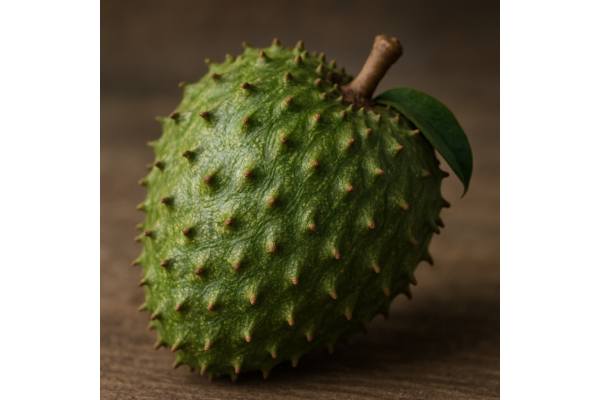
Soursop (Annona muricata), also called guanábana or graviola, is a tropical fruit prized for its sweet-tart flavor and creamy, custard-like pulp. Beyond taste, it offers practical nutrition: vitamin C for immune support, potassium for healthy blood pressure, and fiber for digestive health. The fruit’s thick green rind hides soft white flesh dotted with inedible black seeds. In the kitchen, it’s versatile—blended into smoothies and juices, churned into sorbet and ice cream, or folded into sauces and desserts. You’ll also find it as frozen pulp, jams, and nectars in global markets.
Because soursop leaves and seeds contain plant compounds called annonaceous acetogenins, many traditional preparations use them. That said, research has raised safety questions about concentrated extracts and non-pulp preparations. This guide focuses on the edible fruit and how to choose, store, and use it safely. You’ll get a clear look at its nutrition profile (per 100 g), realistic health benefits grounded in evidence, potential risks and interactions, sustainable shopping tips, prep methods that retain nutrients, and sensible portions for everyday eating.
Fast Facts
- Per 100 g, soursop provides ~66 kcal, ~3.3 g fiber, ~21 mg magnesium, and ~20 mg vitamin C.
- Typical serving is 1 cup diced (150 g), enjoyed 1–3 times per week within a varied diet.
- Avoid seeds and concentrated leaf or seed products; stick to ripe fruit pulp.
- People who are pregnant, breastfeeding, or with parkinsonian disorders should avoid teas and concentrated extracts.
Table of Contents
- Soursop: Detailed Overview
- Soursop Nutrition Profile
- Soursop Health Benefits
- Risks, Allergies and Interactions
- Selecting, Quality, Sustainability and Storage
- Preparation, Cooking and Nutrient Retention
- Portions, Comparisons and FAQs
Soursop: Detailed Overview
Soursop is the fruit of Annona muricata, a small evergreen tree native to the American tropics and widely grown across the Caribbean, Central and South America, West Africa, South and Southeast Asia. The fruit is recognizable by its deep green, softly spiked rind and large, oval shape that can range from 0.5 kg to several kilograms depending on the variety and growing conditions. Inside, the flesh is creamy white, aromatic, and threaded with inedible black seeds. Its flavor leans sweet with a refreshing acidity—often compared to a blend of strawberry, pineapple, and citrus, with a hint of banana.
Culinarily, soursop pulp is easy to use. Fresh, it shines in fruit salads, parfaits, and spoonable desserts. Blended, it becomes a base for smoothies, agua fresca, milkshakes, and sorbets. In savory applications, cooks balance its tang with chiles, herbs, and dairy or coconut for sauces and dressings. Since the fruit can be large, frozen pulp is popular for convenience and consistent quality, especially where fresh fruit is seasonal or imported.
Nutritionally, soursop is a modest-calorie fruit that contributes vitamin C, potassium, magnesium, and fiber—nutrients many people fall short on. The fruit’s organic acids and polyphenols lend both brightness and antioxidant capacity, though these vary by variety, ripeness, and processing. Compared with other tropical fruits, soursop is lower in calories and fat than avocado and jackfruit and offers more vitamin C per 100 g than banana or papaya in many datasets.
It’s important to separate the edible pulp from other plant parts. While the fruit pulp is widely consumed as food, the seeds are not edible and should be discarded. Traditional remedies prepared from leaves or seeds are common in some cultures, but concentrated preparations can deliver compounds (annonaceous acetogenins) at levels that raise safety concerns—especially with chronic or high use. For everyday eating, stick to ripe pulp, avoid seeds, and be wary of any product making disease-cure claims.
Finally, think sustainability and food waste: a single soursop can feed several people. Plan to share, freeze portions, or batch-prep recipes to use the whole fruit. The rind and seeds should go to compost or regular waste (not the saucepan). In short, soursop is a delicious fruit to enjoy in balance—thoughtfully selected, safely prepared, and used in simple meals you’ll want to repeat.
Soursop Nutrition Profile
Below are typical values for raw soursop pulp per 100 g. Actual composition varies with cultivar, soil, ripeness, and post-harvest handling. Use these figures as practical guides for meal planning rather than precise lab values.
Macros and Electrolytes (per 100 g)
| Nutrient | Amount | %DV |
|---|---|---|
| Energy (kcal) | 66 | — |
| Water (g) | 81.0 | — |
| Carbohydrate (g) | 16.8 | 6% |
| Dietary Fiber (g) | 3.3 | 12% |
| Total Sugars (g) | 13.5 | — |
| Protein (g) | 1.0 | 2% |
| Total Fat (g) | 0.3 | 0% |
| Sodium (mg) | 14 | 1% |
| Potassium (mg) | 278 | 6% |
| Magnesium (mg) | 21 | 5% |
Vitamins (per 100 g)
| Vitamin | Amount | %DV |
|---|---|---|
| Vitamin C (ascorbic acid) (mg) | 20.6 | 23% |
| Thiamin (Vitamin B1) (mg) | 0.07 | 6% |
| Riboflavin (Vitamin B2) (mg) | 0.05 | 4% |
| Niacin (Vitamin B3) (mg) | 0.9 | 6% |
| Vitamin B6 (mg) | 0.06 | 4% |
| Folate (µg DFE) | 14 | 4% |
Minerals (per 100 g)
| Mineral | Amount | %DV |
|---|---|---|
| Calcium (mg) | 14 | 1% |
| Phosphorus (mg) | 27 | 2% |
| Iron (mg) | 0.6 | 3% |
| Zinc (mg) | 0.1 | 1% |
| Copper (mg) | 0.09 | 10% |
| Manganese (mg) | 0.1 | 4% |
Bioactives and Phytonutrients (qualitative)
Soursop pulp, peel, and leaves contain phenolic compounds (for example, chlorogenic acid, catechins, and rutin) that contribute to antioxidant capacity. The seeds and leaves are richer in annonaceous acetogenins—lipophilic compounds that have notable biological activity in experimental models. Edible pulp contains far less of these compared with seeds and leaves.
Carbohydrates, Glycemic Considerations
With ~16.8 g carbohydrate and ~3.3 g fiber per 100 g, soursop fits comfortably in a balanced diet. Its natural sugars and acidity give a sweet-tart taste; pairing with protein, fat, or additional fiber (yogurt, nuts, chia) can help flatten post-meal glucose rises. Ripeness, blending, and heating all influence glycemic response. Whole-fruit portions are preferable to strained juices.
Allergens and Intolerance Markers
Documented IgE-mediated allergy to soursop is rare. Cross-reactivity patterns are not well defined compared with latex–banana–avocado syndromes. People with multiple fruit allergies should try a small amount first and observe. The fruit is acidic; very sensitive individuals may note reflux if they eat large portions.
Contaminants and Additives (practical notes)
Fresh fruit is typically free of additives. Packaged nectars and flavored drinks can contain added sugars and stabilizers; read labels. Like all crops, fruit quality reflects agricultural practices—wash the rind before cutting and handle with clean knives to avoid cross-contamination of the pulp.
Notes on DVs: %DV calculations here use common adult Daily Values: Carbohydrate 275 g, Fiber 28 g, Protein 50 g, Sodium 2,300 mg, Potassium 4,700 mg, Calcium 1,300 mg, Iron 18 mg, Magnesium 420 mg, Phosphorus 1,250 mg, Vitamin C 90 mg, Thiamin 1.2 mg, Riboflavin 1.3 mg, Niacin 16 mg, Vitamin B6 1.7 mg, Folate 400 µg DFE.
Soursop Health Benefits
A practical way to add vitamin C and fiber
Per 100 g, soursop typically provides ~20 mg of vitamin C—about a quarter of the Daily Value—and ~3.3 g of fiber. Together, these nutrients support immune function and digestive regularity. Vitamin C also enhances non-heme iron absorption from plant foods; enjoy soursop alongside iron-containing meals (like beans or leafy greens) to make the most of this effect.
Potassium for blood pressure balance
Soursop contributes potassium (around 278 mg per 100 g), a mineral that helps counter sodium’s effects on blood pressure. While you wouldn’t rely on soursop alone to meet potassium needs, replacing high-sodium desserts with fruit-based options is a heart-smart swap.
Magnesium and small amounts of B vitamins
Magnesium (about 21 mg/100 g) supports muscle and nerve function, and enzymes that manage energy metabolism. The fruit also supplies modest thiamin, riboflavin, niacin, and vitamin B6—small but useful amounts that add up across the day when you include varied fruits and whole foods.
Antioxidant polyphenols—what they practically mean
Soursop pulp contains polyphenols (such as chlorogenic acid and rutin). In lab studies, these compounds can neutralize free radicals and modulate inflammatory pathways. In real life, that translates into a simple rule: rotate colorful fruits and vegetables—including soursop when available—to diversify your polyphenol intake rather than chasing a single “superfood.”
On the much-hyped extracts
You may see bold claims that soursop leaf or seed extracts “fight cancer” or “cure disease.” Those claims come largely from in vitro or animal studies using concentrated preparations with annonaceous acetogenins (such as annonacin). These doses and delivery forms do not reflect normal food use and raise legitimate safety concerns (see the next section). There’s no high-quality clinical evidence that soursop products treat or prevent cancer in humans. Enjoy the fruit as food; be skeptical of supplement marketing.
Digestive comfort and culinary flexibility
The fruit’s fiber and sorbitol-like sweetness can support regularity for some people at food-level servings, especially when eaten with breakfast or as a snack. Because the pulp is naturally creamy, it can replace part of the dairy or added sugar in ice creams and smoothies—useful if you’re aiming for lighter desserts that still feel indulgent.
Who benefits most?
- People seeking a fruity source of vitamin C and fiber.
- Cooks looking for low-fat, plant-forward desserts.
- Anyone building variety into a produce rotation to broaden polyphenol intake.
The bottom line: Soursop is a flavorful, nutrient-supportive fruit. Its health value comes from steady, food-level use—fresh or frozen pulp in simple recipes—not from concentrated extracts.
Risks, Allergies and Interactions
Seeds and leaves are not for eating
Soursop seeds are inedible and should be discarded. Traditional uses of leaves and seeds exist, but they can contain high levels of annonaceous acetogenins (such as annonacin). Concentrated teas, tinctures, and supplements made from leaves or seeds may deliver quantities linked to neurotoxic effects in laboratory and animal studies. The safest course for everyday consumers is to avoid non-pulp preparations.
Neurologic concerns with chronic or concentrated exposure
Observational research in Caribbean populations has linked high or chronic exposure to Annonaceae plant products (various fruits, juices, and especially herbal teas) with more severe forms of degenerative parkinsonism and cognitive impairment. Experimental studies show annonacin can inhibit mitochondrial complex I and induce tau pathology in neurons. Food-level enjoyment of ripe pulp is not the same as chronic use of strong teas or extracts, but if you have any parkinsonian disorder—or a family history of such conditions—avoid soursop teas and concentrated products as a precaution.
Pregnancy and breastfeeding
Because safety data for concentrated soursop leaf or seed products in pregnancy or lactation are lacking—and due to potential pharmacologic actions—avoid these products entirely. Ripe fruit pulp in normal culinary amounts may be acceptable for many people, but discuss with a healthcare professional if you’re pregnant, breastfeeding, or managing a medical condition.
Medication interactions (theoretical and practical)
Animal and in vitro data suggest extracts may have blood pressure–lowering or glucose-lowering effects. If you use antihypertensives, insulin, or oral hypoglycemics, avoid concentrated soursop extracts and herbal teas; monitor usual fruit portions the same way you would other sweet fruits. There are also theoretical concerns about enzyme interactions with high-dose extracts; again, these do not apply to modest food portions.
Allergic and gastrointestinal responses
True allergy appears rare, but sensitive individuals can experience oral itching or reflux from the fruit’s acidity. Start with a small amount the first time. The fiber and natural sugars may cause mild bloating in those with very sensitive digestion; blending the pulp with yogurt or protein can help.
Children and choking
Children can enjoy small portions of soft pulp, but remove all seeds diligently—they are hard, slippery, and a choking risk.
Bottom line on safety
- Eat the ripe pulp.
- Discard seeds.
- Skip teas, tinctures, and concentrated leaf or seed products—especially if pregnant, breastfeeding, or living with parkinsonian disorders.
- Treat packaged nectars like other sweetened beverages; enjoy occasionally, not daily.
Selecting, Quality, Sustainability and Storage
How to choose a good soursop
- Skin: Look for deep green fruit with soft, pliable “spines.” Avoid fruit with large dark bruises, cuts, or dry, brittle spines. As it ripens, the green dulls slightly and yields gently to pressure.
- Weight: Pick up two similar fruits and choose the heavier one for its size; higher density often means juicier pulp.
- Aroma: A ripe fruit smells sweet and tropical near the blossom end. No aroma usually means it needs more time. Fermented or vinegar-like odors signal over-ripeness.
Ripening at home
Keep firm soursop at room temperature on a plate or tray (to catch juice if it softens quickly). Depending on starting ripeness, it may take 1–3 days to give slightly to gentle pressure. For faster ripening, place near ethylene-producing fruits (bananas, apples). Check daily; once ripe, it softens quickly.
Short- and long-term storage
- Whole, ripe fruit: Refrigerate uncut for up to 2–3 days.
- Cut fruit: Cover and refrigerate for 1–2 days. Minimize air exposure to reduce browning.
- Pulp: Scoop, remove seeds, and freeze in flat freezer bags or small containers for up to 3 months. Label with date and portion size (e.g., 150 g) for easy recipe use.
- Thawing: Thaw overnight in the fridge or briefly under cool running water. Avoid refreezing thawed pulp; instead, freeze in recipe-ready portions.
Reduce waste, support sustainability
- Buy what you can use within a few days, or plan for freezing.
- Choose frozen pulp when fresh fruit is out of season; it reduces spoilage and travel damage.
- If local or regional fruit is available, purchase in-season for best quality and lower transport impacts.
- Compost rinds; bag and discard seeds.
- Favor minimally processed pulp over heavily sweetened nectars.
Food safety basics
Wash the rind under running water and dry before cutting. Use a clean cutting board and knife. Keep cold foods cold (≤4°C) and observe a two-hour rule for fruit left out at room temperature.
Buying forms and how they differ
- Fresh: Bright flavor and highest vitamin C when eaten soon after ripening.
- Frozen pulp: Most convenient; watch ingredients lists to avoid added sugars or stabilizers if you prefer a simple base.
- Canned nectars and drinks: Typically sweetened; view as occasional treats rather than everyday choices.
- Powders, teas, “extracts”: Not recommended due to concentration and safety concerns.
Preparation, Cooking and Nutrient Retention
Step-by-step: opening and prepping
- Rinse and dry the fruit.
- Place on a stable board and slice lengthwise.
- Pull the halves apart; the pulp will be soft.
- Scoop the flesh with a spoon and remove every seed as you go (they’re smooth and slippery).
- Use immediately or freeze.
Prevent browning and preserve vitamin C
Soursop’s vitamin C is sensitive to heat and oxygen. To slow browning and protect freshness, add a squeeze of lime or lemon while prepping, work quickly, and keep portions chilled. For recipes that require heat (jams, syrups), cook gently and briefly; add some fresh pulp at the end for brightness.
Smart techniques for better retention
- Blend cold: Smoothies and shakes keep vitamin C higher than cooked recipes.
- Minimal heat, minimal time: If making a warm sauce, aim for gentle heat and remove from the stove as soon as the texture sets.
- Acidulate: A bit of citrus stabilizes color and flavor.
- Batch and freeze: Freeze pulp right after prep to “pause” quality until use.
Flavor pairings and textures
- Bright and creamy: Lime, passion fruit, coconut milk, yogurt.
- Fresh and herbal: Mint, basil, ginger.
- Savory balance: Chile, cilantro, and a pinch of salt for a spoonable salsa over grilled fish or tofu.
- Crunch and contrast: Toasted coconut, pumpkin seeds, or chopped pistachios add texture without heavy sugar.
Everyday recipe ideas
- Breakfast smoothie: 150 g soursop pulp + 170 g yogurt + ice + mint.
- Sorbet shortcut: Blend frozen pulp with a splash of lime and a little honey, then refreeze.
- Soursop-lime chia cup: Stir pulp, lime, and water into chia; chill for 20 minutes.
- Savory drizzle: Reduce coconut milk with ginger and a small amount of pulp; whisk in lime and salt to finish.
Common pitfalls to avoid
- Leaving seeds in: They are inedible and can chip blender blades.
- Overcooking: Long boiling dulls flavor and wastes vitamin C.
- Sugar overload: Packaged nectars can be very sweet; balance with unsweetened options or dilute with sparkling water.
The goal is simple: let soursop’s flavor carry the dish, use chilled or briefly heated methods, and rely on citrus, herbs, and texture to make it memorable.
Portions, Comparisons and FAQs
Sensible portions and frequency
A practical serving for most adults is 1 cup diced (about 150 g), which provides roughly 100 kcal, ~5 g fiber, and about 30 mg vitamin C (estimates scale from 100 g values). Enjoy it 1–3 times per week within a varied fruit rotation. If you’re monitoring carbohydrates, count a 150 g serving as ~25 g carbohydrate and pair it with protein or fat to steady your glucose response.
How soursop compares to similar fruits
- Versus cherimoya (custard apple): Soursop is usually tarter, leaner in calories, and a little higher in vitamin C per 100 g, depending on cultivar and ripeness.
- Versus jackfruit: Jackfruit is more fibrous and starchy; soursop is creamier with a pronounced tang.
- Versus pineapple: Pineapple is similar in acidity but can be higher in sugars. Soursop’s creaminess makes it better for dairy-free desserts.
- Versus orange: Oranges generally provide more vitamin C per cup; soursop adds variety and a different flavor profile.
FAQs
Is soursop good for people with diabetes?
A measured serving can fit into many plans, especially when paired with protein or fat and counted toward daily carbohydrate goals. Avoid sweetened nectars. Skip leaf teas and concentrated extracts.
Can pregnant or breastfeeding people eat soursop?
Avoid teas, tinctures, or extracts from leaves or seeds. Ripe fruit pulp in normal food amounts may be acceptable for many; discuss with your healthcare professional.
Can I swallow the seeds?
No. Remove and discard all seeds. They are inedible and pose choking and safety concerns.
Why do some people warn about soursop and the brain?
Chronic exposure to high levels of plant compounds found in Annonaceae (particularly from leaves and certain traditional preparations) has been linked in research to more severe parkinsonian symptoms. Food-level intake of ripe pulp is different; even so, people with parkinsonian disorders should avoid teas and concentrated products.
How do I store leftover pulp?
Freeze in small portions (100–150 g) right after prepping. Label and use within three months for best flavor.
Are there certified-organic options?
Yes, where supply chains support it. If availability is limited, prioritize fruit that looks fresh, heavy for its size, and free from damage, and wash well before cutting.
References
- Annona muricata: Comprehensive Review on the Ethnomedicinal, Phytochemistry, and Pharmacological Aspects Focusing on Antidiabetic Properties 2023 (Systematic Review)
- Soursop (Annona muricata) Properties and Perspectives for Integral Valorization 2023 (Review)
- Annonacin, a Natural Mitochondrial Complex I Inhibitor, Causes Tau Pathology in Cultured Neurons 2007 (Experimental Study)
- Annonaceae Consumption Worsens Disease Severity and Cognitive Deficits in Degenerative Parkinsonism 2022 (Observational Study)
- Progressive supranuclear palsy and pawpaw 2020 (Case Report)
Disclaimer
This article is for general education and is not a substitute for personalized medical advice, diagnosis, or treatment. Always speak with a qualified healthcare professional about your specific health needs, especially if you are pregnant, breastfeeding, have a neurological condition, or take prescription medications. If you experience any adverse reactions after eating soursop, seek medical advice promptly.
If you found this guide helpful, please consider sharing it with friends or colleagues on Facebook, X (formerly Twitter), or any platform you prefer. Your support helps us continue creating clear, reliable nutrition resources.