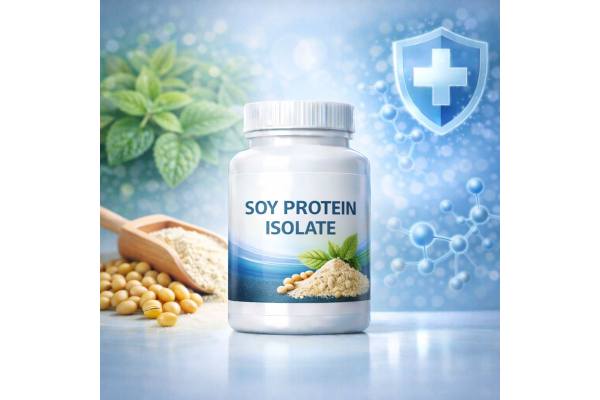
Soy protein isolate is one of the most concentrated plant protein ingredients available, with a protein content typically above 88–90 percent by weight. It is made by further refining defatted soy flour or soy protein concentrate to remove most of the carbohydrate and fat, leaving a nearly pure protein fraction that dissolves easily and has a neutral flavour. For athletes, active people, and anyone who prefers or needs plant-based options, soy protein isolate offers a convenient way to reach higher daily protein intakes without relying on dairy or meat.
Nutritionally, soy protein isolate is notable because it contains all nine essential amino acids in proportions that closely match human needs, and it achieves a protein digestibility corrected amino acid score (PDCAAS) of 1.0, similar to whey and egg proteins. It has been studied in the context of muscle maintenance, heart health, weight management, and hormone-related concerns. This guide explains what soy protein isolate is, how it works, how to use it effectively in shakes and foods, realistic dosage ranges, potential side effects, and how it compares with other popular protein powders.
Quick Overview for Soy Protein Isolate
- Soy protein isolate is a high quality, nearly pure plant protein with a PDCAAS of about 1.0, comparable to milk and egg proteins.
- Replacing some animal protein with soy protein (around 15–30 g per day) can modestly lower LDL cholesterol and improve cardiovascular risk markers.
- Common daily intakes for active adults are 20–40 g soy protein isolate, within a total protein intake of about 1.2–2.0 g per kg body weight.
- Moderate soy intake is considered safe for most adults, including people with a history of breast cancer, when part of a balanced diet.
- Individuals with soy allergy, advanced kidney disease, or complex endocrine conditions should avoid self-prescribing and consult a clinician before using soy protein isolate.
Table of Contents
- What is soy protein isolate?
- Does soy protein isolate build muscle and support health?
- How to use soy protein isolate in shakes and foods
- How much soy protein isolate per day?
- Side effects, risks, and who should avoid soy protein isolate
- Soy protein isolate versus other protein powders
What is soy protein isolate?
Soy protein isolate (SPI) is a refined form of soy protein that contains at least about 88–90 percent protein on a dry basis. It is produced from defatted soy flakes or soy flour—by-products of soybean oil extraction—through several purification steps. Typically, manufacturers first create soy protein concentrate by removing soluble carbohydrates and some fibre. They then use additional extraction and precipitation processes to strip away more non-protein components, yielding a nearly pure protein fraction that is spray-dried into a fine powder.
From a protein quality perspective, soy protein isolate is unusual among plant proteins because it provides all essential amino acids in amounts that meet or exceed human requirements and achieves a PDCAAS of roughly 1.0. In modern analyses that use both PDCAAS and the newer digestible indispensable amino acid score (DIAAS), soy products in general are ranked as high quality, with isolates at the upper end of the range thanks to their high digestibility and favourable amino acid profile. This puts SPI in the same quality class as many animal proteins and ahead of most other single-source plant proteins.
The refining process also affects other components. Compared with whole soy foods or soy protein concentrate, soy protein isolate usually contains:
- Less fibre and fewer non-protein carbohydrates.
- Very low levels of anti-nutrients such as trypsin inhibitors, which are largely inactivated by heat and processing.
- Variable but often reduced amounts of isoflavones, depending on whether alcohol or aqueous extraction is used.
Because SPI is so concentrated and neutral-tasting, it is widely used in:
- Sports nutrition powders and ready-to-drink shakes.
- High protein foods such as bars, cereals, and baked goods.
- Specialized medical nutrition products, including some formulations for people with difficulty swallowing or increased protein needs.
For consumers reading labels, soy protein isolate may appear simply as “soy protein isolate,” as part of a proprietary “plant protein blend,” or under functional names in clinical nutrition products. The key point is that, in each case, it is delivering a dense source of high quality plant protein with minimal carbohydrate and fat.
Does soy protein isolate build muscle and support health?
Because soy protein isolate is both high quality and rapidly digestible, it can support muscle protein synthesis in much the same way as whey and other animal proteins when used in adequate doses and combined with resistance training. Some trials and systematic reviews suggest that whey may produce slightly stronger short-term anabolic responses due to its very high leucine content and faster absorption. However, when total daily protein intake is matched and participants follow structured training programs, long-term gains in lean mass and strength with soy protein are often comparable to those seen with whey.
For athletes and active people, the practical implication is that soy protein isolate can be an effective alternative to dairy-based powders, particularly when each serving supplies at least 20–25 g of protein (roughly 2–3 g leucine) and is part of an overall daily intake in the 1.4–2.0 g/kg body weight range. A major sports nutrition position statement notes that protein source is less important than total quantity, distribution across meals, and integration with training, as long as each serving includes adequate essential amino acids.
Beyond skeletal muscle, soy protein has been investigated for its effects on cardiovascular and metabolic health. Meta-analyses of randomized controlled trials show that replacing some animal protein with soy protein (often around 15–30 g per day) can modestly lower total and LDL cholesterol. These changes are not dramatic on their own, but they contribute meaningfully to risk reduction when combined with other lifestyle changes such as increased fibre intake, reduced saturated fat, and regular physical activity.
Soy foods and soy protein have also been studied for potential effects on bone health, blood pressure, and weight regulation. Reviews suggest that soy protein and associated bioactive peptides and isoflavones may help support bone mineral density, vascular function, and metabolic control, particularly when they displace more processed or saturated fat–rich foods. However, these benefits are modest and should be seen as part of a broader dietary pattern, not as stand-alone “fixes.”
Overall, soy protein isolate can support both performance and general health when used thoughtfully within a well-constructed diet and training plan.
How to use soy protein isolate in shakes and foods
Soy protein isolate’s neutral flavour and high solubility make it easy to incorporate into everyday eating. The most common use is in shakes and smoothies, but it adapts well to baking and savoury dishes too.
For shakes, a typical serving of soy protein isolate powder provides 20–25 g protein per scoop. Blending this with water or a plant-based milk and a carbohydrate source (such as fruit or oats) creates a convenient post-workout drink or high protein snack. Adding a small amount of fat—from nut butter, chia seeds, or flaxseed—can improve texture, satiety, and the absorption of fat-soluble nutrients. Because soy protein isolate disperses easily, it usually mixes well in a shaker bottle, but a blender helps when you add whole foods like frozen fruit or oats.
Practical tips for shakes and drinks:
- Start with one scoop (20–25 g protein) and adjust based on your daily protein targets.
- Use stronger flavourings if you are sensitive to soy’s subtle taste—cocoa, coffee, cinnamon, vanilla, and berries work well.
- Consider pairing soy protein isolate with a carbohydrate source after hard training to support glycogen replenishment as well as muscle repair.
In foods, you can:
- Stir a small amount of soy protein isolate into porridge, yoghurt, or plant-based yoghurts, adjusting liquid so the texture stays pleasant.
- Replace 10–25 percent of flour in pancakes, muffins, or quick breads with soy protein isolate to increase protein content without dramatically changing texture.
- Use soy protein isolate in high protein “energy balls” or bars along with oats, nut butter, seeds, and dried fruit.
When baking, keep in mind that soy protein isolate absorbs more liquid than wheat flour and does not provide gluten’s elasticity. If you replace too much flour with protein, products can become dry or crumbly, so increasing liquid and including binders (such as ground flax or psyllium) is often helpful.
Because soy protein isolate is almost pure protein, it is also popular in medical nutrition products, such as high protein beverages for people with poor appetite or increased needs. In these cases, formulation is usually handled by dietitians or clinical teams to ensure the final product is safe and balanced for the individual’s condition.
Used in moderation, soy protein isolate can be a flexible “building block” that boosts protein in meals and snacks without large changes in taste or volume.
How much soy protein isolate per day?
There is no single universal dosage for soy protein isolate, because ideal intake depends on your body weight, activity level, overall diet, and health status. It is more useful to think in terms of total daily protein and then decide how much of that can reasonably come from soy.
For healthy adults, general protein guidance suggests:
- At least 0.8 g protein per kg body weight per day to meet basic needs.
- Around 1.0–1.2 g/kg per day for people who are sedentary but want to preserve muscle as they age.
- About 1.2–1.6 g/kg per day for recreationally active adults and older adults aiming to maintain or gain muscle.
- Approximately 1.4–2.0 g/kg per day for people engaged in regular intense strength or endurance training.
Within these totals, soy protein isolate can realistically provide anywhere from one small serving to a significant fraction of your daily protein, depending on your diet pattern:
- Omnivores often use one serving (20–30 g soy protein) per day, with the rest coming from mixed animal and plant sources.
- Vegetarians and vegans may rely more heavily on soy, using one to three servings of soy protein isolate or other soy foods daily, while also eating legumes, grains, nuts, and seeds.
Clinical and epidemiological research commonly uses soy protein intakes around 15–30 g per day when studying effects on blood lipids or other cardiometabolic outcomes, often as part of replacing animal protein. Within the context of a balanced diet, total soy protein intakes of about 20–50 g per day from all sources (soy milk, tofu, soy protein isolate, etc.) appear safe for most adults and may confer modest health benefits.
Health organizations and expert groups do not set a strict upper limit for soy protein in healthy adults, but many suggest that two to four servings of soy foods per day—roughly equivalent to 25–50 g soy protein—is a reasonable upper range for long-term intake. Very high intakes from multiple large shakes plus several soy foods day after day are less studied and may increase the chance of digestive discomfort or issues in people with specific sensitivities.
In practice, most people do well with:
- 20–40 g soy protein isolate daily if they use it as their primary protein powder.
- Lower amounts (10–20 g) when it is simply one component of a varied protein pattern.
If you have kidney disease, significant liver disease, or other conditions that affect protein metabolism, target protein intakes and the role of supplements like soy protein isolate should be set together with your healthcare team.
Side effects, risks, and who should avoid soy protein isolate
For most healthy adults, moderate soy protein intake from foods and isolates is considered safe and well tolerated. Large reviews of clinical and epidemiologic data consistently report that soy foods do not increase cancer risk and may even be protective for certain cancers and cardiovascular diseases when part of an overall healthy diet.
The most common side effects of soy protein isolate are digestive:
- Bloating, gas, or mild discomfort, especially if you are not used to legume-based proteins.
- Nausea or changes in bowel habits when consuming large protein shakes quickly or without sufficient fluid.
These issues often improve if you:
- Introduce soy protein gradually and spread intake across meals.
- Ensure adequate hydration.
- Combine soy protein with whole foods that provide fibre and slower digestion.
Allergy is a more serious concern. Soy is a major food allergen in many countries, and although processing can reduce allergenicity, soy protein isolate still contains soy proteins capable of provoking reactions. Anyone with a confirmed soy allergy should avoid soy protein isolate and check labels carefully, since it appears in many packaged foods and supplements.
Hormone-related concerns, particularly about breast cancer or male hormone levels, have been widely discussed. Current evidence indicates that moderate soy intake is safe for women with a history of breast cancer, including those with estrogen receptor–positive disease, and may even be associated with improved outcomes when part of a healthy dietary pattern. Expert reviews recommend that breast cancer survivors can consume soy foods in moderation but should avoid taking high-dose isoflavone supplements. For men, controlled trials show that typical soy intakes do not meaningfully reduce testosterone or impair fertility.
Special situations that call for extra caution include:
- Thyroid disease: High soy intake can slightly interfere with thyroid hormone absorption, especially levothyroxine, and may modestly affect thyroid-stimulating hormone in people with iodine deficiency. People with thyroid conditions who use soy protein isolate should separate it from thyroid medication and ensure adequate iodine intake, under medical guidance.
- Kidney disease: High protein diets, including heavy use of protein powders, may not be appropriate in advanced chronic kidney disease. Any significant increase in protein should be coordinated with a nephrologist.
- Infants and small children: Soy-based infant formulas are formulated differently from adult soy protein isolates. Adult protein powders are not suitable formula substitutes and should not be used for infants.
If you develop hives, swelling, difficulty breathing, or severe gastrointestinal symptoms after consuming soy protein isolate, you should stop using it and seek urgent medical care. For persistent but milder symptoms, consult your healthcare provider to determine whether soy, total protein load, or another factor is responsible.
Soy protein isolate versus other protein powders
When choosing a protein powder, it helps to compare soy protein isolate with its main competitors: whey, casein, pea, rice, and mixed plant blends.
Soy protein isolate versus whey and casein
Whey protein isolate and concentrate are often considered the “gold standard” for sports nutrition because they are rapidly digested and rich in leucine. Casein digests more slowly and provides a more sustained amino acid release. Both have PDCAAS and DIAAS values around or above 1.0. Soy protein isolate also achieves a PDCAAS of about 1.0 and a high DIAAS, indicating comparable overall quality. Whey may have a small short-term advantage in stimulating muscle protein synthesis, but long-term training studies frequently show similar gains in strength and lean mass when total protein intake is matched and soy is dosed appropriately.
Soy protein isolate versus pea and other plant proteins
Pea protein isolate is another popular plant protein with good digestibility but slightly lower scores on classic protein quality metrics and modestly limiting methionine. Many vegan blends combine pea and rice proteins to create a more balanced amino acid profile. In such formulas, adding soy protein isolate can further improve essential amino acid distribution and raise overall protein quality, though some brands deliberately avoid soy due to allergy or consumer preference considerations.
Soy protein isolate versus soy protein concentrate and whole soy foods
Compared with soy protein concentrate, soy protein isolate offers:
- Higher protein percentage for the same scoop size.
- Lower carbohydrate and fibre, which can be helpful when calorie or carbohydrate control is important.
- A smoother mouthfeel and better solubility in clear beverages.
However, whole soy foods such as tofu, tempeh, and edamame bring additional nutrients—fibre, minerals, and a wider variety of phytonutrients—that isolates and concentrates lack. Many experts recommend using soy protein isolate to meet specific protein needs (for example after workouts or when appetite is low), while still basing most protein intake on whole foods.
Finally, independent investigations of protein powders have highlighted that quality varies between brands, regardless of protein source. Some powders contain more or less protein than stated or trace levels of contaminants such as heavy metals. Choosing soy protein isolate products from companies that use third-party testing and provide clear information about ingredients and sourcing can reduce these risks.
In short, soy protein isolate stands out as a rare plant protein that can genuinely rival animal proteins for quality while remaining suitable for vegetarian and vegan diets. For many people, the most effective approach is to use it alongside other protein sources rather than as the only one.
References
- The health effects of soy: A reference guide for clinicians 2022 (Review)
- Protein quality of soy and the effect of processing 2022 (Quantitative Review)
- A Meta-Analysis of 46 Studies Identified by the FDA Supports the Hypothesis That Soy Protein Decreases Circulating LDL and Total Cholesterol Concentrations in Adults 2019 (Meta-analysis)
- Soy protein, bioactive peptides, and isoflavones: A review 2023 (Review)
- A review of the clinical and epidemiologic evidence regarding soy and breast cancer 2025 (Review)
Disclaimer
This article is intended for general educational purposes only and does not replace personalised medical or nutrition advice, diagnosis, or treatment. Soy protein isolate and other protein supplements may not be suitable for everyone, particularly individuals with soy allergy, kidney or liver disease, thyroid disorders, cancer histories, or those taking multiple medications. Always consult a qualified healthcare professional or registered dietitian before making major changes to your diet, significantly increasing protein intake, or starting new supplements. If you experience unexpected symptoms after using soy protein isolate, discontinue it and seek medical assessment promptly.
If you found this guide useful, you are invited to share it on Facebook, X (formerly Twitter), or any platform you prefer, and to follow our future articles on social media. Your considerate support by sharing our content helps our team continue producing careful, evidence-informed resources for readers worldwide.