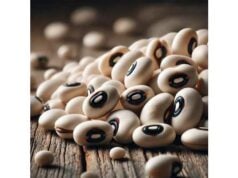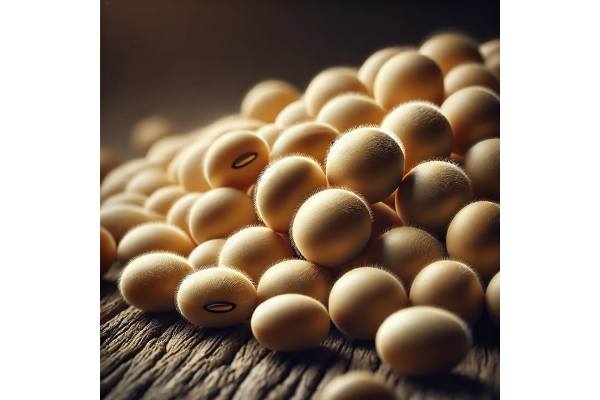
Soybeans are one of the world’s most versatile foods: a high-protein legume that works as a whole food (like boiled soybeans or edamame), a base for staples (tofu, tempeh, miso, soy milk), and an ingredient in modern plant-based products. They offer a rare combination in the plant kingdom—complete protein with all essential amino acids—plus fiber, unsaturated fats, and micronutrients like folate, iron, and potassium. Their bioactive compounds, particularly isoflavones, have drawn research interest for heart, bone, and menopausal health. At the same time, soy is a common allergen, and a mindful approach helps people with thyroid conditions or specific medications avoid interactions. This guide distills the evidence on what soybeans deliver nutritionally, how they may support health, how to select and store them, and simple ways to cook them while preserving nutrients. You will also find practical serving suggestions and clear answers to frequent questions so you can use soy confidently and in a way that fits your diet and values.
At a Glance
- One ½-cup (100 g) cooked soybeans provides ~16 g protein, 6 g fiber, and mainly unsaturated fat.
- Regular soy intake (1–3 servings/day) can support heart-healthy eating patterns when it replaces refined carbs or saturated fat.
- Typical serving: ½ cup (100 g) cooked soybeans or 85 g tofu; enjoy several times per week to daily.
- Safety caveat: soy is a top allergen; separate levothyroxine dosing from soy and ensure adequate iodine if you have hypothyroidism.
- People with a diagnosed soy allergy or those advised to limit vitamin K (natto users on warfarin) should avoid or tailor intake with clinical guidance.
Table of Contents
- Soybeans: Detailed Overview
- Soybeans Nutrition Profile
- Evidence-Based Health Benefits of Soybeans
- Soybeans Risks, Allergies and Interactions
- Selecting Soybeans: Quality, Sustainability and Storage
- Preparing and Cooking Soybeans: Nutrient Retention
- Portions, Comparisons and FAQs on Soybeans
Soybeans: Detailed Overview
Soybeans (Glycine max) are protein-rich legumes domesticated in East Asia and now grown worldwide. Unlike many plant proteins, soy contains all nine essential amino acids in amounts sufficient to support growth and maintenance when consumed in adequate total protein. That completeness explains why soy foods are central in vegetarian and vegan diets and widely used in flexitarian eating patterns.
Culinary forms vary by how much the bean is processed and whether it is fermented:
- Whole and minimally processed: dried mature soybeans (cooked), green soybeans (edamame), soy nuts (toasted), and soy milk made from soaked beans.
- Coagulated/curded: tofu varieties (silken, soft, firm, extra-firm), which differ by water content and coagulant.
- Traditional fermented foods: tempeh (whole-bean cake), miso (paste), natto (sticky whole beans, rich in vitamin K2), and soy sauce.
- Concentrated ingredients: soy protein concentrate and isolate, used in meat alternatives, bars, and beverages.
Nutritionally, whole cooked soybeans deliver protein, fiber, and unsaturated fats together—an efficient package for satiety and cardiometabolic support. Fermentation can enhance digestibility and reduce certain anti-nutrients (like phytate) while adding distinct flavors. Soy protein isolate offers convenience and a neutral taste for fortification, but it lacks the fiber and some micronutrients of whole beans.
Isoflavones, chiefly genistein and daidzein, are notable bioactives in soy. They are phytoestrogens—plant compounds that can weakly bind estrogen receptors—with context-dependent effects that differ from the body’s own estrogen. Typical intakes from foods lie far below pharmacologic doses used in some supplements, and effects differ across life stages and individual microbiomes.
From an agricultural perspective, most global soy is grown for animal feed and industrial uses; a smaller share becomes human food. Choosing whole soy foods often aligns with personal health goals and a lower environmental footprint compared to diets heavy in red meat, especially when soy replaces foods high in saturated fat.
For everyday cooking, soybeans are highly adaptable: toss cooked beans into grain bowls, simmer them in stews, blend into spreads, stir-fry firm tofu, marinate and bake tempeh, or enjoy edamame with a pinch of salt. With a few techniques—soaking, proper cooking times, and seasoning—soy can fit into nearly any cuisine.
Soybeans Nutrition Profile
Reference form: Unless noted, values below refer to cooked, mature soybeans, boiled without salt (per 100 g). Actual values vary by cultivar and preparation. % Daily Value (%DV) uses U.S. labeling DVs for adults and children ≥4 years. Energy has no %DV. For nutrients without an established DV, “—” is shown.
Macros and Electrolytes (per 100 g cooked)
| Nutrient | Amount | %DV |
|---|---|---|
| Energy | 170–180 kcal | — |
| Protein | 15.5–17.0 g | 31–34% |
| Total fat | 8.5–9.5 g | 11–12% |
| Saturated fat | 1.0–1.5 g | 5–8% |
| Monounsaturated fat | ~2.0 g | — |
| Polyunsaturated fat | ~5.0 g | — |
| Carbohydrate | 9–10 g | 3–4% |
| Dietary fiber | 5.5–6.5 g | 20–23% |
| Total sugars | ~3 g | — |
| Sodium | 0–10 mg | 0% |
| Potassium | ~500 mg | 10–11% |
Fats and Fatty Acids (per 100 g cooked)
| Fatty Acid | Amount | %DV |
|---|---|---|
| Omega-3 alpha-linolenic acid (ALA) | ~0.5–0.6 g | — |
| Omega-6 linoleic acid (LA) | ~4.0–4.8 g | — |
| Cholesterol | 0 mg | 0% |
Protein and Amino Acids (per 100 g cooked)
| Item | Amount | %DV |
|---|---|---|
| Complete protein | Yes | — |
| Notable essential amino acids | lysine-rich, adequate methionine with variety | — |
Note: Soy protein quality scores are high in standardized assays, supporting growth and maintenance when total protein needs are met.
Vitamins (per 100 g cooked)
| Vitamin | Amount | %DV |
|---|---|---|
| Folate (DFE) | ~150–200 µg | 38–50% |
| Vitamin K (phylloquinone) | ~25–45 µg | 21–38% |
| Thiamin (B1) | ~0.2–0.3 mg | 17–25% |
| Riboflavin (B2) | ~0.15–0.2 mg | 12–15% |
| Niacin (B3) | ~1.1–1.8 mg | 7–11% |
| Vitamin B6 | ~0.1–0.15 mg | 6–9% |
| Vitamin C | ~6 mg | 7% |
| Vitamin E (alpha-tocopherol) | ~0.3–0.8 mg | 2–5% |
| Vitamin A (RAE) | ~2–5 µg | 0–1% |
| Vitamin B12 | 0 µg | 0% |
| Vitamin D | 0 µg | 0% |
Minerals (per 100 g cooked)
| Mineral | Amount | %DV |
|---|---|---|
| Iron | ~3–5 mg | 17–28% |
| Calcium | ~90–120 mg | 7–9% |
| Magnesium | ~60–70 mg | 14–17% |
| Phosphorus | ~200–250 mg | 16–20% |
| Zinc | ~1.0–1.2 mg | 9–11% |
| Selenium | ~10–20 µg | 18–36% |
| Copper | ~0.2–0.3 mg | 22–33% |
| Manganese | ~0.5–0.7 mg | 22–30% |
Bioactives and Anti-nutrients
| Compound | Typical Range (per 100 g cooked) | Notes |
|---|---|---|
| Isoflavones (genistein + daidzein) | ~20–60 mg | Varies widely by variety, growing conditions, and processing. |
| Phytic acid (phytate) | modest | Can reduce mineral absorption; lowered by soaking, sprouting, fermenting. |
| Oligosaccharides (raffinose, stachyose) | present | Can cause gas; reduced by soaking, discarding soak water, or fermenting. |
| Trypsin inhibitors | heat-labile | Substantially inactivated by thorough cooking. |
Fortification and additives: Plain cooked soybeans contain no added sodium or fortificants. Commercial soy milks, tofu, and meat alternatives may be fortified with calcium, vitamin B12, vitamin D, or iodine, and may contain stabilizers or sodium; check labels to compare.
Evidence-Based Health Benefits of Soybeans
Cardiovascular support. When soy foods replace refined carbohydrates or foods high in saturated fat, they can help improve overall lipid profiles. The protein, soluble fiber, and unsaturated fats in soybeans contribute to modest reductions in LDL cholesterol in diet patterns focused on whole foods. Soy protein isolate can also be used in clinical studies and products, but whole-soy foods deliver fiber and micronutrients that the isolate lacks.
Weight management and satiety. Protein and fiber in cooked soybeans make meals more filling, which can support calorie control. Compared with many other legumes, soy’s combination of protein and fat can promote satiety at relatively modest portions. Choosing soy instead of higher-calorie meats in mixed dishes can reduce total energy intake without sacrificing protein.
Glucose and insulin dynamics. Legumes generally have a lower glycemic impact than refined starches. Soybeans, being lower in digestible carbohydrate and higher in fiber and fat than most pulses, tend to produce a blunted post-meal glucose response when prepared simply (e.g., boiled soybeans, unsweetened soy milk, tofu in vegetable stir-fries).
Bone health context. Adequate protein and potassium, along with calcium and vitamin D from the broader diet, support bone maintenance. Fermented soy foods, particularly natto, provide vitamin K2 (menaquinone-7), which plays a role in bone metabolism. While natto’s strong flavor isn’t for everyone, even small amounts can contribute vitamin K in diets that include it. For those not consuming natto, general soy intake can still fit in a bone-supportive eating pattern when paired with calcium- and vitamin D–rich foods.
Menopausal symptoms. Isoflavones in soy have mild, selective estrogen receptor–modulating properties. In some women, consistent intake of soy foods or isoflavone supplements can lead to small reductions in frequency or severity of hot flashes. Effects are variable and may depend on the gut microbiome’s ability to produce equol (a metabolite of daidzein) and on total isoflavone dose.
Cancer risk considerations. Observational research in populations with routine soy intake links moderate soy food consumption with favorable breast and prostate cancer outcomes, especially when soy replaces more processed foods. For individuals with a history of hormone-sensitive cancers, clinicians increasingly consider moderate soy food intake (as part of overall dietary quality) compatible with survivorship guidance; decisions remain personalized.
Digestive and microbiome notes. Fermented soy foods like tempeh and miso can be easier to digest for some people, with lower oligosaccharide content and additional fermentation products that may influence the gut environment. Even with whole cooked soybeans, soaking and discarding soak water can reduce gas-forming compounds.
Practical substitution benefits. In day-to-day meals, swapping soy for foods high in saturated fat (e.g., using tofu in a curry instead of fatty meat) reduces saturated fat while maintaining culinary satisfaction. Using calcium-set tofu or calcium-fortified soy milk can help meet calcium needs in dairy-free diets.
Who benefits most?
- People seeking plant-based protein with complete amino acids.
- Those aiming to lower saturated fat while keeping meals satisfying.
- Individuals managing cholesterol within a heart-healthy eating plan.
- Postmenopausal women exploring dietary approaches for symptom support (with clinician input if needed).
Soybeans Risks, Allergies and Interactions
Allergy. Soy is one of the major food allergens. Reactions can range from mild itching and hives to anaphylaxis. Diagnosis is clinical and may include testing and supervised oral challenges. People with confirmed soy allergy should strictly avoid soy foods and ingredients and carry prescribed emergency medications. Many processed foods contain soy derivatives (e.g., soy lecithin, soy protein)—labels must be checked carefully.
Intolerances and GI effects. Some individuals experience bloating or gas from soy oligosaccharides (raffinose, stachyose). Strategies that can help include soaking dried beans, discarding soak water, pressure cooking, choosing fermented soy (tempeh, miso), or starting with small portions and increasing gradually.
Thyroid considerations. Soy does not cause hypothyroidism in people with adequate iodine intake, but it can interfere with levothyroxine absorption if taken at the same time. Separate thyroid hormone dosing from soy-containing meals by several hours, and ensure the diet supplies iodine (iodized salt or other sources) unless otherwise advised. People with known thyroid disorders should follow their clinician’s guidance.
Medication and nutrient interactions.
- Warfarin: Natto is very high in vitamin K2, which can antagonize warfarin. People on warfarin should avoid natto and keep vitamin K intake consistent; discuss with the care team.
- Mineral absorption: Phytate reduces absorption of iron and zinc. Soaking, sprouting, fermenting, or combining soy with vitamin C–rich foods can improve non-heme iron uptake.
- Goitrogens: Like many legumes and cruciferous vegetables, soy contains compounds that can affect thyroid hormone synthesis in low-iodine contexts; adequate iodine mitigates this.
Hormone concerns. Soy isoflavones are phytoestrogens with weaker activity than human estrogen. Usual dietary intakes from foods are not linked with feminizing effects in men or adverse outcomes in women; responses vary. People with a history of hormone-sensitive cancers should personalize intake with their oncology team, especially if considering concentrated supplements.
Infants and children. Soy-based infant formulas are clinically tested and can be appropriate in specific situations (e.g., galactosemia or certain dietary preferences) under pediatric supervision. Introducing whole soy foods follows standard complementary feeding guidance, with allergy precautions similar to other common allergens.
Upper limits. There is no universally established upper intake limit for soy foods. A practical, food-based range of 1–3 servings/day fits into many healthy dietary patterns. Supplements containing concentrated isoflavones should be used cautiously and ideally with professional guidance.
Selecting Soybeans: Quality, Sustainability and Storage
Choosing forms that fit your needs.
- Dried soybeans: Look for uniform, intact beans with minimal splits or debris. Non-GMO and organic options are widely available if preferred.
- Edamame (green soybeans): Sold fresh or frozen. Pods should be bright green; frozen edamame offers excellent quality and convenience.
- Tofu: Firmness levels range from silken to extra-firm. For stir-fries, choose firm or extra-firm; for smoothies or soups, silken works best. Check whether tofu is calcium-set (e.g., calcium sulfate) if you want a calcium boost.
- Tempeh: Choose blocks with a clean, nutty aroma and a white mycelium coat; avoid dark or slimy patches.
- Soy milk and yogurt: For nutrient parity with dairy, choose calcium- and vitamin D–fortified products with minimal added sugars.
- Meat analogs: Read labels for sodium, saturated fat (from added oils), and additives. Whole-food soy options typically have shorter ingredient lists.
Sustainability notes.
- Human food use of soybeans generally has a lower environmental footprint per gram of protein than beef and many dairy products.
- Certifications like organic or “Non-GMO Project Verified” reflect agricultural and consumer preferences rather than inherent nutritional differences.
- If deforestation or biodiversity is a concern, look for brands with transparent, traceable supply chains and sustainability reporting.
Storage guidance.
- Dried soybeans: Store in an airtight container in a cool, dark place for up to 12 months. Very old beans may require longer cooking and may not soften fully.
- Cooked soybeans: Refrigerate in a covered container for 3–4 days. For longer storage, freeze in meal-size portions with some cooking liquid for 2–3 months.
- Tofu: Keep refrigerated; once opened, submerge in fresh water and change water daily; use within 3–5 days.
- Tempeh: Refrigerate; use within a week of opening or freeze for a few months.
- Soy milk: Shelf-stable varieties keep unopened per package dating; refrigerate after opening and use within 7–10 days.
Buying tips.
- Compare sodium and sugar content across brands, especially for flavored soy milks and ready-to-eat meat alternatives.
- For maximum versatility, stock both dried beans (budget-friendly, batch cooking) and one quick protein (firm tofu or tempeh) for fast meals.
Preparing and Cooking Soybeans: Nutrient Retention
1) Soak and cook dried soybeans properly.
- Soak: Rinse, then soak 1 cup dried beans in 3–4 cups water for 8–12 hours. For a quick soak, boil 1 minute, turn off heat, cover, and soak 1 hour, then drain.
- Drain and rinse: Discard soak water to reduce oligosaccharides that can cause gas.
- Cook: Add fresh water to cover by 5–7 cm. Simmer gently until tender, typically 60–90 minutes, adding more water as needed.
- Pressure cooker/Instant Pot: After soaking and rinsing, cook at high pressure for 25–35 minutes with natural release.
- Seasoning: Add salt toward the end of cooking to avoid tough skins; aromatics (bay leaf, onion, kombu) can enhance flavor.
2) Maximize digestibility and mineral availability.
- Soaking and discarding soak water decreases raffinose and stachyose.
- Sprouting (1–2 days) and fermenting (tempeh, miso) reduce phytate, improving iron and zinc bioavailability.
- Pair soy with vitamin C–rich foods (citrus, bell peppers) to enhance non-heme iron absorption.
3) Preserve heat-sensitive nutrients.
- Folate and vitamin C are sensitive to prolonged boiling; use gentle simmering, pressure cooking, or cooking in just enough liquid, and reserve some cooking broth for soups.
- Tofu handling: Press firm tofu briefly to remove excess water before searing; over-pressing can make it crumbly.
- Tempeh preparation: Steam tempeh for 10 minutes before marinating to open its structure for better flavor absorption and milder taste.
4) Flavor frameworks that work.
- Mediterranean: Garlic, lemon, olive oil, tomatoes, herbs; tofu or tempeh in grain bowls or stews.
- East Asian: Soy sauce or tamari, ginger, scallions, sesame oil; mapo-style tofu or miso-glazed tempeh.
- Latin-inspired: Cumin, smoked paprika, chili, cilantro; crumbled tempeh as a taco filling.
- Indian: Turmeric, cumin, coriander, garam masala; tofu in a tomato-cashew base.
5) Food safety.
- Cook soybeans thoroughly to inactivate trypsin inhibitors.
- Refrigerate leftovers promptly (within 2 hours).
- For soy milk made at home, boil the blended slurry and strain; avoid consuming unboiled raw soy purées.
6) Retaining texture.
- Add acidic ingredients (tomato, vinegar) late in cooking; acids can toughen skins and prolong cooking.
- For crisp tofu, pat dry, toss with a little starch, and pan-sear or bake on a preheated tray.
Portions, Comparisons and FAQs on Soybeans
Practical portions and frequency.
- Standard serving: ½ cup (100 g) cooked soybeans, ~170–180 kcal with ~16 g protein and ~6 g fiber.
- Other equivalents: ~85 g firm tofu, ~40–50 g tempeh, 1 cup (240 ml) unsweetened soy milk.
- How often? Many healthy eating patterns include 1–3 servings/day of soy foods, especially when replacing refined carbs or foods high in saturated fat. Adjust portions to energy needs.
How do soybeans compare with other proteins?
- Versus other legumes: Soybeans have more protein and fat but fewer digestible carbs than lentils or black beans, leading to higher satiety for some.
- Versus chicken or fish: Soy provides complete protein without cholesterol and with fiber; the amino acid profile is balanced though slightly lower in methionine, easily covered within mixed diets.
- Versus dairy: Fortified soy milk and calcium-set tofu can match dairy’s protein and calcium while being lactose-free.
Can soy affect hormones?
- At typical food intakes, soy does not feminize men or disrupt sex hormones in a harmful way. Isoflavones act differently from endogenous estrogen, and overall effects at dietary levels are modest and context-dependent.
Is soy safe for people with a history of breast cancer?
- Moderate soy food intake as part of a balanced diet is generally considered compatible with survivorship guidance for many individuals. Personalized advice from the oncology team is essential, particularly regarding supplements.
What about thyroid function?
- Ensure adequate iodine intake and separate levothyroxine from soy-containing meals by several hours to avoid absorption interference.
Edamame vs. mature soybeans—what’s the difference?
- Edamame are harvested green, taste sweeter, and have fewer calories and less fat per 100 g than mature beans, with still substantial protein and fiber. Mature soybeans are denser and richer in fat and isoflavones.
Are GMOs a nutritional concern?
- Genetic modification affects agronomic traits more than nutrient content. Nutrition depends far more on processing and preparation. Choose organic or non-GMO if it aligns with your preferences.
Gas and bloating tips?
- Soak and rinse dried beans, start with small portions, try fermented soy (tempeh), or use pressure cooking to reduce oligosaccharides.
Best choices for bone health without dairy?
- Calcium-set tofu and calcium-fortified soy milk can help meet calcium needs; pair with vitamin D sources and weight-bearing activity.
References
- 2021 Dietary Guidance to Improve Cardiovascular Health: A Scientific Statement From the American Heart Association 2021 (Guideline)
- Soy and Health Update: Evaluation of the Clinical and Epidemiologic Literature 2016 (Systematic Review)
- Daily Value: New Reference Values for Nutrients and What They Mean 2020 (Guidance)
- Soy 2024 (Guideline)
- FoodData Central 2019 (Database)
Disclaimer
The information in this article is educational in nature and is not a substitute for personalized medical advice, diagnosis, or treatment. Always consult your qualified health professional before making significant changes to your diet, especially if you have a medical condition, take prescription medications, are pregnant or breastfeeding, or are considering supplements. If you think you are experiencing an allergic reaction, seek emergency care immediately.
If you found this guide helpful, please consider sharing it on Facebook, X (formerly Twitter), or your favorite platform to support our work in creating high-quality, evidence-based nutrition content. Thank you.