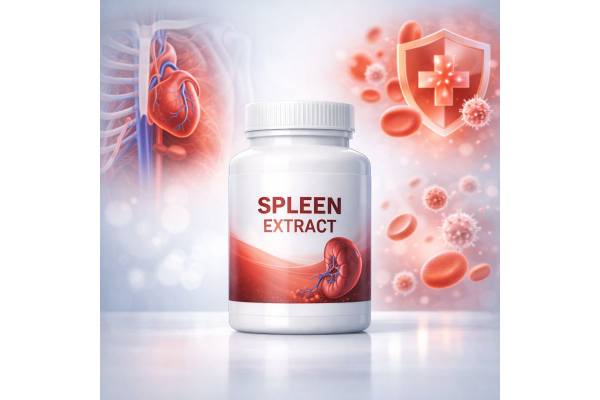
Spleen extract is a niche animal-based supplement made from the spleen tissue of cattle or other animals. It is usually marketed for immune support, energy, and recovery, and sometimes appears in “glandular” blends alongside liver, thymus, or adrenal extracts. In conventional medicine, more purified spleen-derived products called spleen aminopeptides have been studied as prescription-type immunomodulators, especially in children with recurrent infections. However, these preparations are not identical to over-the-counter dietary supplements, and their benefits cannot simply be assumed to transfer.
Because the spleen is a lymphoid organ that filters blood and helps fight infection, many claims focus on immune balance and resilience. At the same time, using animal tissues raises important questions about safety, regulation, and quality control, including theoretical risks related to prion diseases. This guide walks through what spleen extract is, where the evidence stands, how products are typically used, potential dosage ranges, and when it may be safer to avoid it.
Key Insights for Spleen extract
- Spleen extract supplements are usually made from bovine spleen tissue and marketed for immune and general vitality support.
- Human evidence for oral spleen extract as a dietary supplement is limited; most data come from prescription-type spleen aminopeptides used under medical supervision.
- Typical supplement labels provide about 50–500 mg dehydrated spleen tissue per day, but there is no standardized, evidence-based oral dosage.
- Use can cause digestive upset or immune-related side effects, and long-term safety data for supplements are lacking.
- People who are pregnant, immunocompromised, have autoimmune disease, or follow strict infection-control dietary guidelines should avoid spleen extract unless a specialist advises otherwise.
Table of Contents
- What is spleen extract and how does it work?
- Potential benefits of spleen extract for health
- How to take spleen extract safely
- Spleen extract dosage and product forms
- Side effects of spleen extract and risks
- What research says about spleen extract
What is spleen extract and how does it work?
Spleen extract is a preparation derived from animal spleen tissue, most often from cattle (bovine), but sometimes from pigs or other species. In many dietary supplements it appears as freeze-dried (desiccated) spleen concentrate in capsules or tablets. In clinical settings, especially in some Asian countries, more refined pharmaceutical products such as spleen aminopeptide oral solutions or lyophilized powders are used as prescription immunomodulators.
The spleen itself is part of the immune and blood-filtering systems. It contains lymphoid tissue rich in immune cells, including B and T lymphocytes, macrophages, and dendritic cells, as well as specialized structures that help clear damaged red blood cells and circulating microbes. Because of this role, spleen tissue naturally contains peptides, nucleotides, and other molecules that interact with the immune system. Pharmaceutical spleen aminopeptide products isolate some of these components into standardized mixtures designed to modulate immune responses in a controlled way.
Traditional “glandular therapy” used whole animal organs with the belief that eating a specific organ supports the matching human organ or function. Spleen extract fits into this historical pattern, which also included thyroid, adrenal, and liver preparations in the early twentieth century. Modern reviews note that while glandular therapy has deep historical roots, evidence quality is variable and many claims have not been rigorously tested.
Mechanistically, the most plausible effects come from immunomodulatory peptides and small proteins. In experimental models, spleen-derived peptides can influence cytokine production and T-cell function, potentially shifting immune responses toward better viral defense or improved regulation of inflammation. However, in an over-the-counter supplement made from desiccated tissue, the dose, composition, and bioavailability of these compounds are much less predictable than in standardized drugs. That means the biological impact of typical supplement doses is harder to estimate.
Overall, spleen extract is best understood as a traditional and experimental immunonutrient rather than as a mainstream, evidence-based therapy.
Potential benefits of spleen extract for health
Most advertised benefits of spleen extract center on immune function. Labels often claim support for recurrent respiratory infections, post-viral recovery, or general immune “boosting.” In clinical research, prescription spleen aminopeptide products have been studied mostly in children with recurrent respiratory tract infections, viral liver injury, cough-variant asthma, and allergic conditions such as rhinitis with adenoid hypertrophy.
In several randomized or controlled trials, adding spleen aminopeptide to standard therapy in children was associated with reductions in infection frequency, improvements in laboratory immune markers, or better symptom scores. For example, some studies in infants and children with viral-related liver injury reported improvements in liver function tests and clinical recovery when spleen aminopeptide was combined with usual treatment. Others found that combining spleen aminopeptide with inhaled asthma therapies improved lung function and reduced some adverse events or exacerbations compared with standard care alone.
These findings suggest that certain standardized spleen-derived peptide preparations can act as immunomodulators, helping to balance immune responses rather than simply “stimulating” them. Potential mechanisms include:
- Modulating helper T-cell balance and cytokine patterns
- Enhancing phagocytic activity of macrophages
- Supporting regulatory T-cell function
- Influencing mucosal immunity in the respiratory and gastrointestinal tracts
However, there are important limitations:
- Most trials involve specific pharmaceutical formulations manufactured under drug-level quality standards, not generic dietary supplements.
- Many studies are relatively small, often limited to pediatric populations in single countries.
- Long-term outcomes, relapse rates, and comparative effectiveness versus other immunomodulators are still unclear.
For dietary supplements specifically, evidence is much weaker. Consumer-grade spleen extract capsules rarely have published clinical data. Most benefits in this space are extrapolated from traditional use, mechanistic ideas, or studies on different but related spleen-derived drugs. Because of this gap, any claimed benefits for general immune support, energy, or anti-fatigue effects should be considered unproven for non-standardized products.
In practice, spleen extract may be of most interest to people exploring traditional glandular therapies under supervision, or to clinicians in settings where specific spleen aminopeptide preparations are licensed and regulated. Even in these groups, careful risk–benefit evaluation and individualized medical guidance are essential.
How to take spleen extract safely
If you and your healthcare professional decide to trial spleen extract, a cautious, structured approach is important. Unlike vitamins with well-established reference intakes, spleen extract does not have an authoritative recommended daily intake. Safety margins are not clearly defined, especially for long-term use.
For over-the-counter supplements, typical products provide around 50–500 mg of desiccated spleen tissue per capsule, sometimes combined with other glandulars or herbs. Label directions may suggest one to three capsules daily. Because formulations vary widely, the safest starting point is usually the lowest dose on the label, taken once daily with food to reduce digestive discomfort.
Safer use steps often include:
- Medical review before starting
- Discuss your full medical history, including immune disorders, autoimmune diseases, prior cancers, chronic infections, pregnancy, breastfeeding, and any history of organ transplants.
- Review all medicines and supplements to screen for potential interactions or overlapping immune effects.
- Choose reputable products
- Prefer manufacturers that clearly state the animal species (for example, bovine) and country of origin.
- Look for statements about prion-risk control, such as sourcing from countries with negligible bovine spongiform encephalopathy risk and using tissues excluded from high-risk categories in food and medicinal guidelines.
- Third-party testing for contaminants (heavy metals, pathogens) adds an extra layer of reassurance, though it is not a guarantee of safety.
- Start low and monitor
- Begin with once-daily dosing for 1–2 weeks.
- Track digestion, energy, sleep, skin, and infection frequency.
- If problems occur, stop and seek medical advice rather than increasing the dose.
- Time-limit experimental use
- For most people, an initial trial of 8–12 weeks is sufficient to gauge short-term tolerability and any subjective benefits.
- Prolonged continuous use beyond a few months should only continue if clear benefit is documented and risks have been reviewed with a clinician.
- Use under stricter supervision in children
- Children, especially those with chronic infections or immune disorders, should not receive spleen extract supplements without specialist paediatric or immunology guidance.
- Where available, regulated spleen aminopeptide medicines may be preferable to unregulated supplements.
Finally, never use spleen extract as a substitute for indicated vaccines, antibiotics, or other standard medical treatments. At best, it may be considered as an adjunct, and only after careful discussion of uncertainties and alternatives.
Spleen extract dosage and product forms
The term “spleen extract” can refer to several different types of products, and dosage guidance depends heavily on which form is being used.
1. Desiccated spleen dietary supplements
These are the most common consumer products in many regions. They usually contain:
- Freeze-dried bovine spleen powder in gelatin or plant capsules
- Strengths ranging approximately from 50 mg to 500 mg spleen tissue per capsule
- Sometimes combinations with other organ concentrates (liver, thymus, adrenal) or micronutrients
Because there is no standardized therapeutic dose, manufacturers typically recommend 1–3 capsules daily, providing a rough daily intake around 50–1500 mg of dehydrated spleen tissue. Scientific evidence has not established that higher doses lead to better outcomes, so exceeding the upper end of label instructions is not advisable.
2. Spleen aminopeptide pharmaceuticals
In several countries, spleen aminopeptide oral solutions or lyophilized powders are regulated medicines. These products:
- Contain standardized peptides and nucleotides derived from bovine or porcine spleen
- Are prescribed in defined milligram ranges per kilogram of body weight
- Often follow specific schedules (for example, treatment cycles of a few weeks, repeated several times per year)
Clinical trials in children with recurrent infections, allergic diseases, or liver injury have used body-weight–based doses divided over one or more daily administrations, with monitoring of blood tests and infection rates over months. Detailed dosing in this setting belongs to prescribing information and should not be extrapolated to non-medical use.
3. Injectable or parenteral forms
Historically, some spleen extracts were administered by injection. Given the higher theoretical risk of transmitting infectious agents, many countries now tightly regulate or prohibit parenteral use of bovine-derived tissues outside of licensed medicinal products that comply with strict risk controls.
Practical dosage considerations for supplements
- There is no universally accepted “therapeutic dose” for oral spleen extract supplements.
- A cautious range often used in practice is 50–500 mg per day of desiccated spleen, depending on product strength and individual factors.
- Higher doses may increase the likelihood of digestive side effects without proven added benefit.
- Users with smaller body size, older age, or multiple health conditions should err toward the lower end of any range.
Because dose–response data are limited, the guiding principle is minimal effective dose, if any benefit is noted at all, under ongoing professional review.
Side effects of spleen extract and risks
Safety is the central concern with any animal-derived organ supplement. For spleen extract, issues fall into several categories: short-term side effects, immune effects, infection and contaminant risks, and regulatory considerations.
Short-term side effects
Reported or plausible short-term effects include:
- Digestive symptoms such as nausea, stomach discomfort, bloating, or diarrhea
- Headache or fatigue
- Changes in sleep or appetite
- Skin reactions such as rash or itching
These are generally mild and resolve after stopping the product, but formal safety data for supplement-strength doses are limited.
Immune and inflammatory effects
Because spleen extracts are designed to modulate immune function, they may, in theory:
- Exacerbate autoimmune diseases in susceptible individuals
- Alter responses to vaccines or infections
- Interact with other immunomodulatory drugs such as biologics, steroids, or disease-modifying agents
Most clinical trials of spleen aminopeptide have been short-term and conducted in specific patient populations under close monitoring. Extrapolating their safety profile to free-access supplements in broader populations is uncertain.
Infection and prion-related risks
Bovine tissues can theoretically carry infectious agents, including prions responsible for bovine spongiform encephalopathy. Even though risk is now considered low in many countries, regulators maintain strict rules about which tissues can be used and how they must be processed, especially for medicinal products and human food.
Dietary supplements do not always fall under the same stringent controls as licensed medicines. Key concerns include:
- Sourcing from countries with higher historical risk for prion diseases
- Use of tissues classified as higher risk in regulatory guidance
- Limited batch testing for pathogens or contaminants
Reputable manufacturers will follow risk guidelines, source from low-risk herds, and use inactivation steps, but consumers often have limited ways to verify compliance beyond product information.
Who should avoid spleen extract
It is generally safest to avoid spleen extract (supplements or pharmaceuticals) unless a specialist advises otherwise in individuals who:
- Are pregnant or breastfeeding
- Have known or suspected autoimmune diseases
- Are immunocompromised (for example, from HIV, chemotherapy, long-term steroids, or organ transplant)
- Have a history of prion-related disease in the family or other neurological conditions where prion risk is a major concern
- Have severe allergies to bovine or porcine products
- Are following clinical advice to avoid high-risk bovine tissues due to local food and safety regulations
Children, older adults, and people with complex medical histories should only use spleen-derived products within a structured medical plan, if at all.
What research says about spleen extract
Modern research distinguishes between traditional glandular supplements and more precisely defined spleen-derived medicines.
Evidence for spleen aminopeptide medicines
Clinical studies, mainly from China and other Asian countries, have examined spleen aminopeptide oral solutions or lyophilized powders in children. Conditions studied include recurrent respiratory tract infections, viral liver injury, cough-variant asthma, and allergic rhinitis with adenoid hypertrophy.
Randomized or controlled trials have reported improvements in:
- Infection frequency and severity
- Laboratory markers of liver function and immune status
- Lung function measures and asthma symptom scores
- Nasal symptoms and sleep quality in allergic rhinitis with adenoid enlargement
These studies generally found acceptable short-term safety profiles under medical supervision, though sample sizes and follow-up durations are often modest.
Experimental and mechanistic research
Laboratory and animal studies on spleen-derived peptides show:
- Modulation of cytokine patterns
- Enhancement of regulatory T-cell and macrophage activity
- Potential benefits for intestinal barrier function and systemic immune balance
Recent work with immunopeptides from pig spleen, for example, has characterized how peptide structure relates to immunomodulatory activity, contributing to the design of more targeted peptide therapies.
Evidence for dietary spleen extract supplements
By contrast, there is a notable lack of high-quality trials on over-the-counter desiccated spleen supplements in generally healthy adults. Most consumer-oriented discussions describe potential uses, doses, and side effects based on:
- Historical glandular therapy traditions
- Extrapolation from pharmaceutical spleen aminopeptide data
- Case reports or uncontrolled clinical experiences
Well-conducted randomized trials directly testing typical supplement products are rare or absent in the published literature.
How to interpret the evidence
Taken together, current data suggest:
- Certain spleen-derived peptide drugs can act as clinically useful immunomodulators in specific, well-defined patient groups when used under strict supervision.
- These results do not automatically validate generic spleen extract supplements for broad wellness use.
- Safety concerns, especially around tissue sourcing and long-term exposure, remain important in the supplement context.
- For most people, more established strategies for immune support such as vaccination, sleep optimization, nutrition, exercise, and smoking cessation have stronger evidence and lower uncertainty.
Spleen extract, therefore, remains a specialized option best considered in collaboration with an experienced clinician who understands both the potential and the limitations of organ-derived products.
References
- Spleen Extract: Health Benefits, Side Effects, Uses, Dose and Precautions 2024 (Overview)
- Efficacy and safety of spleen aminopeptide oral lyophilized powder in ameliorating liver injury in infants and children with human cytomegalovirus infection: a single-center study in China 2021 (Clinical Study)
- Efficacy and safety of spleen aminopeptide oral solution for children with allergic rhinitis and adenoid hypertrophy: a randomised trial 2024 (Clinical Study)
- Note for guidance on minimising the risk of transmitting animal spongiform encephalopathy agents via human and veterinary medicinal products 2011 (Guideline)
- A Brief History of Glandular Therapy: More than Just Thyroid 2023 (Review)
Disclaimer
The information in this article is for educational purposes only and is not a substitute for personal medical advice, diagnosis, or treatment. Spleen extract and other organ-derived products can have complex effects and potential risks that are not fully understood, especially outside of regulated clinical use. Never start, stop, or change any medication or supplement, including spleen extract, without discussing it with a qualified healthcare professional who is familiar with your medical history, medications, and laboratory results. In emergencies or when serious symptoms are present, seek immediate medical care from local health services.
If you found this guide helpful, please consider sharing it on Facebook, X (formerly Twitter), or any platform you prefer, and follow our work on social media. Your support by sharing our articles helps our team continue to research and produce balanced, high-quality health content.