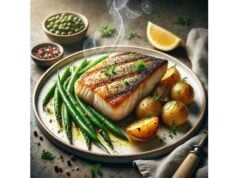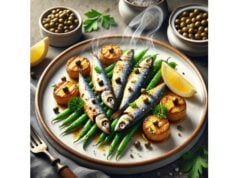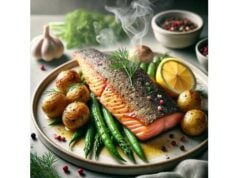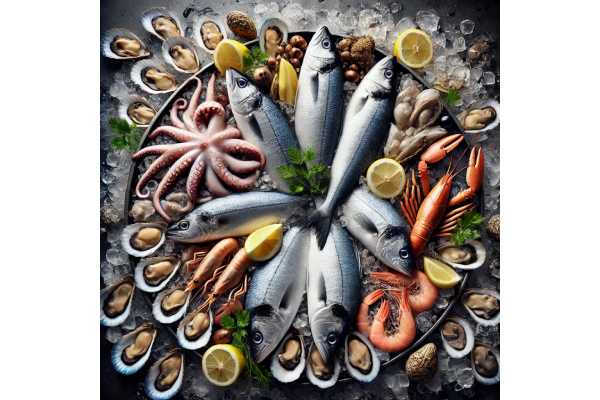
Sprat—often labeled brisling or simply “sprats”—are small, oily fish from the herring family with a delicate texture and a pleasantly rich, savory taste. Eaten whole (bones and skin soft), they deliver an outsized nutrition package: high-quality protein, long-chain omega-3s, vitamin D, vitamin B12, calcium, and selenium in a modest portion. Their small size, fast growth, and low position in the food web make them naturally low in mercury, while canning and smoking expand shelf life and pantry flexibility. Sprats shine on toast, tossed through pastas, layered over salads, or served warm with roasted vegetables. Because many products are canned in oil or brine, smart label reading helps you manage sodium and added fat. This guide brings together practical buying tips, a detailed per-100-gram nutrition profile, balanced health benefits and safety notes, and kitchen methods that protect tenderness and nutrients—so you can enjoy sprats with confidence at home.
Top Highlights
- Per 100 g, sprats provide ~18–22 g protein, ~1.0–2.2 g long-chain omega-3s, and meaningful vitamin D, vitamin B12, calcium (with bones), and selenium.
- Mercury is typically low; main caveats are sodium in brined or smoked products and higher fat in oil-packed cans.
- Typical serving: 100–120 g (drained) once or twice weekly within a varied seafood pattern.
- People on strict sodium restrictions or with fish allergies should choose low-sodium options or avoid sprats.
Table of Contents
- Sprat Detailed Overview
- Sprat Nutrition Profile
- Evidence-Based Health Benefits
- Risks, Allergies and Interactions
- Selecting, Quality, Sustainability and Storage
- Preparation, Cooking and Nutrient Retention
- Portions, Comparisons and FAQs
Sprat Detailed Overview
Sprats (Sprattus sprattus) are small pelagic fish harvested across the North Atlantic and Baltic, sold fresh, smoked, or—most commonly—canned (often in olive oil, sunflower oil, or tomato sauce). In many markets they appear under the trade name “brisling,” referring to small, tender fish prized for their delicate bones and clean, savory flavor. Because sprats are typically eaten whole, you gain nutrients from skin and bones that you would lose with trimmed fillets from larger fish.
Culinarily, sprats behave like a compact flavor concentrate. Canned sprats flake easily into warm grains, enrich a quick tomato sauce, or top rye bread with mustard and pickles. Fresh sprats—when you can find them—cook in minutes: a hot pan, a little oil, and a squeeze of lemon. Smoked sprats bring a ready-to-eat, subtly smoky, umami-rich note to salads or eggs.
Nutritionally, sprats are small but mighty. A 100-gram drained portion routinely delivers ~18–22 grams of complete protein; roughly 10–12 grams of fat in water- or tomato-packed products and more when oil-packed; and long-chain omega-3s (EPA and DHA) that commonly total ~1.0–2.2 grams. Vitamin D and vitamin B12 often reach or exceed daily targets in a typical portion, while the soft, edible bones contribute calcium. Selenium content is consistently useful, and iodine can be present depending on waters and feed.
From a safety and sustainability perspective, sprats are a good news story. Their short life cycle and low trophic level mean low mercury compared with long-lived predators. They are also efficient to produce and, in many regions, harvested under quota systems. Quality varies by brand and pack medium; oil-packed cans taste lush but raise calories and fat, while brined or smoked versions can push sodium high. With a little label savvy and thoughtful pairing (vegetables, whole grains, citrus), sprats become a versatile, affordable way to add nutrient-dense seafood to your week.
Sprat Nutrition Profile
Scope: Values describe sprats per 100 g edible portion, focusing on drained, ready-to-eat canned sprats (bones in) or lightly cooked fresh sprats. Actual values vary by species, season, pack medium, and moisture loss. %DV uses current FDA Daily Values for adults and children ≥4 years.
Macros and Electrolytes (per 100 g):
| Nutrient | Amount (typical range) | %DV |
|---|---|---|
| Energy | 150–210 kcal | — |
| Protein | 18–22 g | 36–44% |
| Total Fat | 9–18 g (lower in water/tomato packs; higher in oil-packs) | 12–23% |
| Saturated Fat | 2.5–6 g | 13–30% |
| Carbohydrates | 0–1 g | 0% |
| Fiber | 0 g | 0% |
| Sodium | 60–400 mg (brand-dependent; smoked/brined higher) | 3–17% |
| Potassium | 250–350 mg | 5–7% |
| Water | ~55–70 g | — |
Fats and Fatty Acids (per 100 g):
| Component | Amount | Notes |
|---|---|---|
| Monounsaturated Fat | ~4–7 g | Often oleic acid predominant (especially oil-packed in olive oil) |
| Polyunsaturated Fat | ~2–4 g | n-3 predominates |
| Long-chain Omega-3s (EPA + DHA + DPA) | ~1.0–2.2 g | Season and habitat influence totals |
| • EPA (eicosapentaenoic acid) | ~0.4–1.0 g | |
| • DHA (docosahexaenoic acid) | ~0.5–1.1 g | |
| Omega-6s (total) | ~0.2–0.6 g | Varies with pack oil |
| Cholesterol | ~75–120 mg | No %DV required on labels |
Protein and Amino Acids (per 100 g):
| Component | Amount |
|---|---|
| Protein (complete) | 18–22 g |
| Lysine | ~1.7–2.0 g |
| Leucine | ~1.6–1.9 g |
| Methionine | ~0.6–0.7 g |
| Threonine | ~0.9–1.0 g |
| Tryptophan | ~0.25 g |
(Amino acid values are scaled from small pelagic profiles; exact values vary with moisture and species.)
Vitamins (per 100 g):
| Vitamin | Amount (typical) | %DV |
|---|---|---|
| Vitamin D (cholecalciferol) | ~8–20 µg | 40–100% |
| Vitamin B12 (cobalamin) | ~5–10 µg | 208–417% |
| Niacin (vitamin B3) | ~6–9 mg | 38–56% |
| Vitamin A (RAE) | ~60–150 µg | 7–17% |
| Vitamin E (alpha-tocopherol) | ~1–3 mg | 7–20% |
| Riboflavin (vitamin B2) | ~0.2–0.4 mg | 15–31% |
| Vitamin B6 (pyridoxine) | ~0.2–0.4 mg | 12–24% |
| Choline | ~60–80 mg | 11–15% |
Minerals (per 100 g):
| Mineral | Amount (typical) | %DV |
|---|---|---|
| Calcium (with bones) | ~100–250 mg | 8–19% |
| Selenium | ~20–40 µg | 36–73% |
| Phosphorus | ~250–350 mg | 20–28% |
| Magnesium | ~30–45 mg | 7–11% |
| Zinc | ~0.5–1.0 mg | 5–9% |
| Iron | ~1.0–2.0 mg | 6–11% |
| Iodine | variable | depends on waters/feed |
Allergens and Intolerance Markers
- Finfish allergen: Sprats are fish; cross-reactivity with other fish is common for those with finfish allergy.
- Sodium: Smoked, brined, or heavily seasoned cans can exceed 350 mg/100 g; choose lower-sodium labels when needed.
Contaminants / Residues
- Mercury: Typically low due to small size and short life cycle.
- Other metals: Trace metals (e.g., cadmium) are generally low in edible muscle; avoid frequent consumption of viscera.
Footnotes
- Values reflect unfortified products; oil-packed sprats vary widely by pack oil and drainage.
- Vitamin D and omega-3s show natural seasonal and regional variation.
Evidence-Based Health Benefits
1) Dense omega-3s in a small portion
A single 100-gram serving of sprats often delivers ~1.0–2.2 grams of EPA plus DHA, a level that makes meaningful progress toward commonly recommended weekly totals. When these long-chain omega-3s replace less healthy fats in the diet, typical outcomes include improved blood lipid profiles and support for heart and brain function. In population research, higher fish intake is associated with modestly lower cardiovascular risk. Because sprats are a lower-mercury species, they are well suited for routine inclusion within a mixed-seafood pattern.
2) Naturally high vitamin D—rare among foods
Small oily fish like sprats are among the few foods that deliver substantial vitamin D naturally, often 8–20 µg per 100 g. For people with limited sun exposure or those living at higher latitudes, sprats offer a dietary route to help cover day-to-day needs without added sugars or refined starch.
3) Big vitamin B12 and selenium for metabolic support
Per 100 g, sprats commonly provide two to four days’ worth of vitamin B12, supporting normal red-blood-cell formation and neurologic function. Selenium (often 20–40 µg per 100 g) contributes to antioxidant enzymes and thyroid hormone metabolism. Together with niacin, riboflavin, and phosphorus, these nutrients form a compact metabolic toolkit in an affordable pantry staple.
4) Bones that boost calcium
Canned sprats are processed so that the bones are soft and fully edible. That means real calcium—often 100–250 mg per 100 g—arrives with your protein and omega-3s. For people who minimize dairy or want calcium from whole foods, sprats are a practical option.
5) Protein quality with culinary flexibility
With ~18–22 g complete protein per 100 g, sprats easily build a high-protein meal without excess calories. They’re also weeknight-friendly: toss through pasta, fold into an omelet, or pile on crusty toast with lemon and herbs. That ease nudges more home-cooked meals where you control sodium and added fats.
6) Sustainability and access
Sprats grow quickly and reproduce in large numbers. Many fisheries manage them with quotas, and canned products travel well with a long shelf life. This pairing—nutrient density and year-round availability—helps households keep seafood in rotation without frequent trips to a fish counter.
Bottom line: Regularly swapping in sprats helps close omega-3, vitamin D, and B12 gaps while delivering high-quality protein and calcium, all with typically low mercury.
Risks, Allergies and Interactions
Allergy to finfish
Sprats are fish, and finfish allergy can be severe and persistent. Symptoms range from hives and oral itching to anaphylaxis. If you have a known finfish allergy, avoid sprats unless specifically cleared by an allergist after medical evaluation. Cross-contamination is common in facilities that also handle crustaceans and mollusks; look for clear labeling and allergen statements.
Mercury and other contaminants
Compared with large, long-lived fish, sprats are typically low in mercury, making them a sensible choice for most adults and older children. If you harvest locally, follow regional advisories for small pelagics, which may reflect historical pollutants in specific waters. Commercially canned sprats generally come from monitored fisheries and undergo standard food-safety checks.
Sodium in brined or smoked products
Brined, smoked, or flavor-packed cans can deliver 300–500 mg sodium per 100 g, sometimes more. If you’re managing blood pressure or advised to follow a lower-sodium diet, choose “no salt added,” water- or tomato-packed options, drain oil or brine thoroughly, and pair with fresh, unsalted foods.
Dietary cholesterol and saturated fat
Sprats contain dietary cholesterol and, depending on packing medium, can include extra saturated fat from added oils. For most people, overall dietary pattern matters more than dietary cholesterol alone. If you have specific lipid goals, favor water- or tomato-packed sprats, add plenty of vegetables, and keep serving sizes moderate.
Parasites, histamine, and handling
Canned sprats are heat-processed and shelf-stable when sealed; once opened, refrigerate promptly and use within a day or two. Fresh sprats should be kept cold (≤4 °C), cooked to a safe internal temperature, and eaten promptly. As with any fish, temperature abuse can cause histamine formation; reject any product with sour or ammonia-like odors.
Medication and nutrient considerations
- Anticoagulants: Typical food-level omega-3 intake from sprats is compatible with anticoagulant therapy; very high supplemental doses are the usual concern.
- Selenium and iodine: Sprats contribute to daily intake; stay within recommended upper limits if you also use high-dose supplements.
- Sodium: If you’re on a sodium-restricted plan, seek low-sodium labels and rinse lightly when appropriate.
Selecting, Quality, Sustainability and Storage
How to choose excellent sprats
- Pack medium:
- Water or tomato sauce: Leaner, lower in calories and saturated fat; sodium varies—check labels.
- Olive oil: Rich flavor and ready-to-serve texture; higher calories and fat.
- Smoked or flavored: Convenient and bold; often higher sodium—reserve for occasional use.
- Label clarity: Look for species (e.g., European sprat), catch area (e.g., North Atlantic, Baltic), ingredients, and straightforward seasonings.
- Texture and smell: For canned products, flesh should be intact, pleasantly firm, and aromatic with clean marine notes—never sour or metallic.
Sustainability cues
- Fishery management: Many sprat fisheries operate under quotas with seasonal closures. Favor brands that disclose catch area and management details on pack or websites.
- Small pelagic advantage: Fast growth and high fecundity reduce pressure on ecosystems compared with slow-growing predators.
- Packaging: BPA-NI or BPA-free linings are common; recycle cans where facilities exist.
Smart storage
- Unopened cans: Store in a cool, dry cupboard; observe “best by” dates.
- After opening: Transfer leftovers to a glass container, cover, refrigerate, and use within 24–48 hours. Keep the fish submerged in its oil or add a thin layer of olive oil to limit oxidation.
- Fresh sprats: Keep on ice or in the coldest refrigerator zone, cook within 24 hours, or freeze promptly.
Budget and versatility tips
- Stock a couple of can types (oil-packed for toast and salads, tomato-packed for sauces).
- Use sprats to replace pricier anchovies in dressings or sauces; mash with garlic and lemon to build quick umami.
- Combine with fiber-rich sides (beans, whole grains, leafy greens) to build balanced meals with steady energy.
Red flags—choose another can if you see:
- Bulging, dented, or rusted cans; cloudy oil; or overpowering odors on opening.
- Unclear origin, “mystery” blends, or labels that hide sodium behind multiple salty additives.
Preparation, Cooking and Nutrient Retention
Ready when you are: canned sprats
Canned sprats are fully cooked. For best texture, warm them gently rather than searing hard. A low oven or quick skillet warm-through keeps flesh intact and limits nutrient loss. Draining oil reduces calories; reserving a tablespoon for finishing preserves flavor without excess.
Simple, reliable blueprints
- Sprat-Tomato Pantry Pasta
- Sauté garlic and chile in olive oil; add canned tomatoes and simmer.
- Fold in drained sprats, capers, and parsley; toss with whole-grain pasta and lemon zest.
- Sprats on Rye with Mustard and Pickles
- Spread rye toast with Dijon; layer sprats, quick-pickled onions, and dill; finish with lemon.
- Mediterranean Sheet-Pan Sprats
- Warm sprats with cherry tomatoes, olives, and zucchini; finish with oregano and a drizzle of oil.
- Sprat Caesar Remix
- Mash sprats with garlic, lemon, and a spoon of yogurt or olive oil; thin with water for a bright, anchovy-like dressing over romaine and roasted potatoes.
- Sprat-and-Bean Skillet
- Simmer white beans with a splash of stock and herbs; fold in warm sprats and wilted greens for a 15-minute, high-protein meal.
Retention pointers
- Omega-3s and vitamin D are reasonably heat-stable during brief warming. Avoid prolonged high heat that drives oxidation or drip loss.
- Minerals and calcium remain stable; eating bones preserves calcium and phosphorus.
- Sodium management: Prefer water/tomato packs, drain well, and balance plates with no-salt-added vegetables and grains.
- Acid and aromatics: Lemon, vinegar, and fresh herbs brighten flavor, letting you use less salt.
Food-safety basics at home
- Open cans just before use; discard any with spurting liquid or off-odors.
- Refrigerate leftovers promptly (within 2 hours; within 1 hour in hot weather).
- Reheat leftovers gently and only once to protect texture.
Portions, Comparisons and FAQs
How much sprat counts as a serving? How often?
For most adults, 100–120 g drained is a practical serving, providing ~18–22 g protein and ~1.0–2.2 g omega-3s. Within a balanced seafood pattern, enjoy sprats once or twice weekly, and mix with other low-mercury fish (salmon, trout, sardines, anchovies, mackerel, pollock).
How do sprats compare with sardines or anchovies?
- Omega-3s: Sprats and sardines are similar per 100 g; anchovies can be comparable but often bring more sodium due to curing.
- Vitamin D and B12: All three are strong sources; sprats often deliver high vitamin D and B12 in modest portions.
- Calcium: Comparable when bones are eaten (canned, bones-in).
- Flavor: Sprats taste slightly milder and sweeter than many anchovies; smoked versions add gentle richness.
Are sprats okay during pregnancy?
Sprats are generally lower-mercury fish and can fit into pregnancy seafood guidance when prepared simply and when sodium is kept moderate. Follow national serving recommendations and choose products with straightforward ingredients. If you have concerns about sodium or reflux, favor water-packed, lightly seasoned cans.
Do sprats raise cholesterol?
They contain dietary cholesterol, but overall dietary pattern and saturated fat intake have greater impact on blood lipids. Choose water/tomato packs or olive-oil packs used in modest amounts, and build plates around vegetables, legumes, and whole grains.
What about bones—are they safe to eat?
Yes. Canning softens bones so they’re safe and easily chewable; they contribute calcium and phosphorus. For young children or those with swallowing difficulties, mash thoroughly into sauces or spreads.
Can I rinse sprats to lower sodium?
A quick rinse of water- or tomato-packed sprats can reduce surface sodium. Pat dry before using, and season with lemon, herbs, and spices instead of extra salt.
Smart substitutions
Use sprats anywhere you’d use canned sardines or anchovies: dressings, sauces, toasts, pastas, grain bowls, and salads. For a milder profile, mix half sprats with half white fish in spreads.
Bottom line
Sprats are a pantry-friendly path to more omega-3s, vitamin D, B12, calcium, and selenium—at low mercury and modest cost. Keep a couple of cans on hand, pair with produce, and rotate with other low-mercury fish for a nutrient-dense seafood habit.
References
- Advice about Eating Fish 2024 (Guidance)
- Technical Information on Development of FDA/EPA Advice About Eating Fish 2020 (Guidance)
- Fish Intake in Relation to Fatal and Non-Fatal Cardiovascular Risk: A Systematic Review and Meta-Analysis of Cohort Studies 2023 (Systematic Review)
- Fish – a scoping review for Nordic Nutrition Recommendations 2023: What are the health effects of fish consumption? 2024 (Scoping Review)
- THE COMPARISON OF PROXIMATE COMPOSITION, FATTY ACIDS AND FAT-SOLUBLE VITAMINS CONTENT OF THE BLACK SEA SPRAT (SPRATTUS SPRATTUS L.) DURING CATCHING SEASONS 2018 (Research)
Disclaimer
This article provides general nutrition and food-safety information and is not a substitute for personalized medical advice, diagnosis, or treatment. Seafood choices and serving frequency should reflect your health status, medications, allergies, and life stage. If you are pregnant or breastfeeding, managing a medical condition, or have been advised to limit sodium or dietary cholesterol, consult your healthcare professional or a registered dietitian for guidance tailored to you.
If you found this guide useful, please consider sharing it on Facebook, X, or any platform you prefer. Your support helps us continue creating practical, evidence-based food resources.