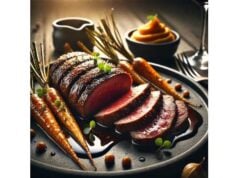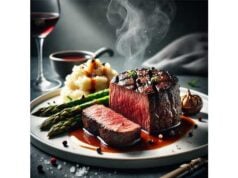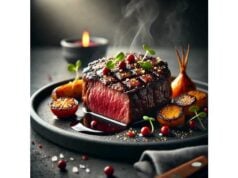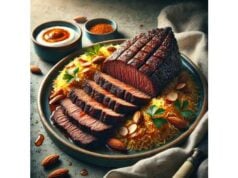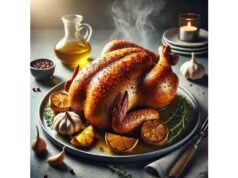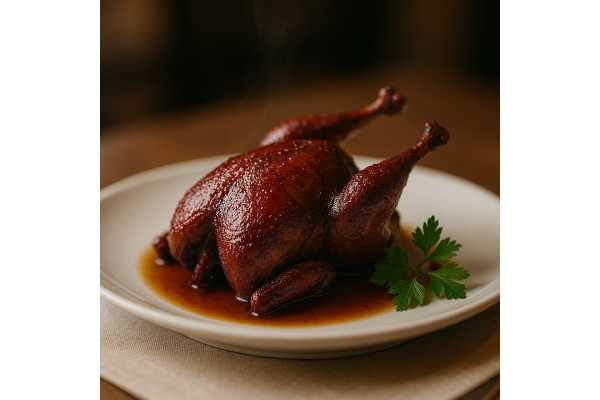
Squab—young domestic pigeon—is a chef’s secret for deeply flavored, tender meat that cooks in minutes. Harvested before flight, it has fine muscle fibers, a small frame, and a rich, savory taste somewhere between duck and dark chicken. Leaner than many red meats yet more succulent than most poultry, squab works for quick pan-roasts as well as low, gentle braises. Nutritionally, it provides high-quality protein, heme iron, and B vitamins with virtually no carbohydrates. Skin-on cuts are higher in fat and calories; skinless light meat is very lean, which lets you tailor meals to your goals. As with all poultry, safe handling and a verified finish temperature matter. If you source wild pigeons, an extra step—asking about non-lead ammunition—helps lower dietary lead risk. In this guide, you will learn how squab’s nutrition compares to chicken and duck, how to buy and store it well, the best cooking methods for moisture and flavor, and who might want to limit intake or select particular cuts. By the end, you will be ready to cook squab confidently, deliciously, and safely.
Key Takeaways
- Per 100 g, meat-only squab offers ~17–18 g protein with ~7–8 g fat; skin-on squab is richer at ~18 g protein and ~24 g fat.
- Treat squab like poultry: avoid cross-contamination and cook to 74 °C (165 °F) internal temperature.
- Typical serving: ~85 g cooked meat (about one breast or half a small bird), enjoyed 1–2 times per week within a varied diet.
- Frequent consumers of wild, lead-shot pigeons—and households with children or during pregnancy—should prefer non-lead sources or limit intake.
- People with known poultry meat allergy or on medically restricted high-purine diets should seek individualized guidance.
Table of Contents
- Squab Basics: What It Is and How It’s Used
- Squab Nutrition Profile (Per 100 g)
- Evidence-Based Health Benefits of Squab
- Risks, Allergies and Interactions
- Selecting, Quality, Sustainability and Storage
- Preparation, Cooking and Nutrient Retention
- Portions, Comparisons and FAQs
Squab Basics: What It Is and How It’s Used
Squab is the culinary term for young domestic pigeon, typically processed at 4–5 weeks of age before the birds can fly. This timing yields unusually tender meat with a fine grain and a gently mineral, slightly sweet flavor. The bird’s compact size—often 400–600 g whole with bone—makes it an ideal single-serve centerpiece or a shared starter. Unlike older pigeons, squab roasts or pan-sears in minutes and stays juicy when handled correctly.
Culinary profile and uses
- Quick cooking: Split or crown-roast breasts in a hot pan, finish in the oven, and rest briefly. Legs benefit from gentle braising or confit to turn connective tissue silky.
- Global fit: You will see squab in Chinese banquet menus (soy, Shaoxing wine, five spice), Moroccan pastilla with warm spices and crisp pastry, French pan-roasts with pan jus, and Mediterranean herb-forward braises with olives and tomatoes.
- Flavor pairing: Squab’s savory depth welcomes bright acids (pomegranate, balsamic, citrus), bitter greens, juniper, thyme, rosemary, garlic, black pepper, star anise, and umami-rich sauces (miso, soy, reduced stock).
Why cooks choose squab
- Texture: Pre-flight birds carry less myoglobin oxidation, so flesh is firm but tender.
- Portion control: A single breast or half-bird offers a defined serving that pairs well with generous vegetables and whole grains.
- Nutrient density: Squab delivers complete protein and bioavailable iron in small portions. Skin-on cuts are more energy-dense for those seeking calories; skinless light meat suits leaner patterns.
Farmed versus wild
In markets, squab almost always means farmed birds (domestic rock pigeon). Wild pigeons or doves eaten as game vary widely in leanness and flavor and can have different safety considerations (see Risks). If you purchase from hunters or specialty suppliers, confirm whether non-lead ammunition was used.
Bottom line
Squab sits at the intersection of weeknight speed and dinner-party elegance. It is forgiving when cooked gently, responsive to assertive seasonings, and easy to portion. Treat it like poultry for storage and safety, and choose skin-on or skinless cuts based on your nutrition goals.
Squab Nutrition Profile (Per 100 g)
How to use this section: Values below summarize common retail forms and are shown per 100 g raw with % Daily Value (%DV) for adults. Real-world numbers vary by cut, feed, and whether skin is included. Cooking reduces water and concentrates nutrients per 100 g of cooked meat.
Macros & Electrolytes — Squab (meat only, raw), per 100 g
| Nutrient | Amount | %DV |
|---|---|---|
| Energy | ~142 kcal | — |
| Protein | ~17.5 g | 35% |
| Total Fat | ~7.5 g | 10% |
| Saturated Fat | ~2.0 g | 10% |
| Carbohydrate | 0 g | 0% |
| Cholesterol | ~90 mg | — |
| Sodium | ~51 mg | 2% |
| Potassium | ~237 mg | 5% |
| Magnesium | ~25 mg | 6% |
| Phosphorus | ~307 mg | 25% |
Vitamins — Squab (meat only, raw), per 100 g
| Vitamin | Amount | %DV |
|---|---|---|
| Thiamin (B1) | ~0.28 mg | 24% |
| Riboflavin (B2) | ~0.29 mg | 22% |
| Niacin (B3) | ~6.9 mg | 43% |
| Pantothenic Acid (B5) | ~0.80 mg | 16% |
| Vitamin B6 | ~0.52 mg | 30% |
| Folate (DFE) | ~7 µg | 2% |
| Vitamin B12 | ~0.48 µg | 20% |
| Vitamin C | ~7.2 mg | 8% |
| Vitamin A (RAE) | ~28 µg | 3% |
Minerals — Squab (meat only, raw), per 100 g
| Mineral | Amount | %DV |
|---|---|---|
| Iron | ~4.5 mg | 25% |
| Zinc | ~2.7 mg | 25% |
| Copper | ~0.60 mg | 67% |
| Selenium | ~13.5 µg | 25% |
| Calcium | ~13–20 mg | 1–2% |
Macros & Electrolytes — Squab (meat and skin, raw), per 100 g
| Nutrient | Amount | %DV |
|---|---|---|
| Energy | ~294 kcal | — |
| Protein | ~18.5 g | 37% |
| Total Fat | ~23.8 g | 30% |
| Saturated Fat | ~8.5 g | 42% |
| Carbohydrate | 0 g | 0% |
| Cholesterol | ~95 mg | — |
| Sodium | ~54 mg | 2% |
| Potassium | ~199 mg | 4% |
| Phosphorus | ~248 mg | 20% |
Vitamins — Squab (meat and skin, raw), per 100 g
| Vitamin | Amount | %DV |
|---|---|---|
| Thiamin (B1) | ~0.21 mg | 18% |
| Riboflavin (B2) | ~0.22 mg | 17% |
| Niacin (B3) | ~6.0 mg | 38% |
| Pantothenic Acid (B5) | ~0.77 mg | 15% |
| Vitamin B6 | ~0.41 mg | 24% |
| Folate (DFE) | ~6 µg | 2% |
| Vitamin B12 | ~0.40 µg | 17% |
| Vitamin C | ~5.2 mg | 6% |
| Vitamin A (RAE) | ~73 µg | 8% |
Minerals — Squab (meat and skin, raw), per 100 g
| Mineral | Amount | %DV |
|---|---|---|
| Iron | ~3.5 mg | 19% |
| Zinc | ~2.2 mg | 20% |
| Copper | ~0.44 mg | 48% |
| Selenium | ~13.3 µg | 24% |
Fats & Fatty Acids (indicative)
Skin-on squab carries substantially more total fat and saturated fat than skinless light meat. Monounsaturated fat (primarily oleic acid) predominates in both forms, with smaller amounts of polyunsaturated fats (including arachidonic acid). Removing the skin markedly reduces fat and calories per 100 g.
Protein & Amino Acids
Squab provides complete protein. Essential amino acids—including leucine, lysine, and methionine—are present in proportions comparable to other poultry, supporting muscle maintenance and repair.
Glycemic & Acid–Base Metrics
- Net carbohydrates: 0 g; estimated glycemic index: ~0.
- PRAL (acid load): positive (higher for meat-only datasets reporting concentrated minerals and protein). Balance meals with potassium-rich vegetables and legumes.
Allergens & Intolerance Markers
Poultry meat allergy is rare compared with egg allergy but can occur. Individuals sensitized to avian proteins (e.g., “bird–egg” cross-reactivity) should proceed cautiously and consult an allergist if uncertain.
Contaminants/Residues
Wild-shot pigeons and doves can contain lead fragments from ammunition; frequent consumers should prefer birds taken with non-lead ammunition or choose farmed squab.
Notes: Values reflect raw meat. Cooking concentrates nutrients per 100 g as water is lost; sauces made from pan juices reclaim water-soluble vitamins and minerals.
Evidence-Based Health Benefits of Squab
1) High-quality protein in small portions
Squab delivers ~17–19 g of protein per 100 g raw—with more per 100 g cooked due to moisture loss—making it easy to meet protein targets without oversized servings. Complete amino acids, particularly leucine and lysine, support muscle protein synthesis and maintenance in active adults and older individuals alike. Because squab is rich and satisfying, it pairs well with vegetable-forward plates where protein quality matters more than sheer volume.
2) Heme iron for energy and oxygen transport
Per 100 g, squab typically provides ~3.5–4.5 mg iron depending on cut and whether skin is included. As heme iron, it is more bioavailable than plant iron. People with low ferritin (for example, endurance athletes or those with heavy menstrual losses) can use squab as one of several iron sources. Combine with vitamin-C-rich sides—citrus salad, peppers, or broccoli—to further support absorption as part of mixed meals.
3) B-vitamin support for metabolism and nerves
Squab contributes niacin (energy metabolism), vitamin B6 (amino acid metabolism and neurotransmitters), and smaller but meaningful amounts of thiamin and riboflavin. Skinless light meat is lean yet remains a solid source of niacin and B6; skin-on cuts deliver similar B vitamins with more calories. These B vitamins help convert macronutrients to usable energy and support normal neurological function.
4) Selenium, zinc, and copper for antioxidant and immune function
Squab supplies selenium (a cofactor for glutathione peroxidases), zinc (cell signaling and immune function), and copper (iron handling and connective tissue). While absolute amounts depend on cut and feed, including squab periodically broadens the mineral profile of your protein rotation.
5) Flexible fat profile you can tune
Choosing skin-on or skinless portions lets you adjust energy density and saturated fat. Skin-on breasts and legs are luxurious and more calorie-dense; skinless light meat is notably lean, which helps maintain a higher protein-to-calorie ratio. For satiety and absorption of fat-soluble compounds, add healthy fats (extra-virgin olive oil, nuts, or olives) to leaner preparations.
6) Low carbohydrate, negligible glycemic impact
Squab contains virtually no carbohydrates, so it has little effect on post-meal glucose by itself. This makes it easy to slot into Mediterranean, lower-carb, or balanced mixed-plate patterns while emphasizing fiber from vegetables, legumes, and whole grains alongside.
7) Culinary advantages that encourage better patterns
Because squab tastes rich in modest portions and cooks quickly, it supports meals where vegetables and whole grains occupy more plate space. Example plates include:
- Pan-roasted squab breast with farro, charred radicchio, and orange.
- Braised squab legs with tomato, olives, and chickpeas.
- Warm grain salad with shredded confit and roasted root vegetables.
Perspective and limits
Very lean, repeatedly eaten without added fats, squab (especially skinless light meat) may leave some people less satisfied. Round out meals with healthy fats and fiber to support fullness and nutrient absorption.
Risks, Allergies and Interactions
Food safety fundamentals
Handle squab like any poultry. Keep cold at or below 4 °C (40 °F), separate raw juices from ready-to-eat foods, and wash hands, knives, and boards after contact. Cook to an internal temperature of 74 °C (165 °F) at the thickest point; verify with a food thermometer. Rest briefly before slicing to preserve juices.
Wild game considerations
- Lead fragments: Birds harvested with lead ammunition can contain tiny metal fragments. Frequent consumers—especially children and pregnant people—should prefer meat sourced with non-lead ammunition or choose farmed squab. Trimming generously around wound channels helps but may not remove microscopic particles.
- Field hygiene: Game birds should be eviscerated and chilled promptly. Discard any carcass with unusual lesions or strong off-odors.
- Pathogens: As with other poultry, raw meat can carry bacteria; adequate cooking and sanitation are the best protections.
Allergy and intolerance
Poultry meat allergy is uncommon but possible. Some individuals sensitized to avian proteins (for example, people with bird-related occupational exposures) may react to meat as well. Seek personalized assessment if you have a history of meat allergies or unexplained reactions to poultry.
Cholesterol and saturated fat
Skin-on squab is higher in saturated fat than skinless light meat. People with specific LDL-cholesterol targets should prefer leaner cuts, remove the skin after cooking, and emphasize unsaturated fats and fiber-rich sides in the overall pattern.
Gout and purines
Like other meats, squab contains purines. Individuals with gout or hyperuricemia should moderate portions, maintain hydration, and balance meals with low-purine foods. Medical guidance is advisable for personalized limits.
Immunocompromised and pregnancy
Choose inspected, farmed squab where possible and avoid undercooked preparations. For households with small children or during pregnancy, minimize intake of wild game potentially taken with lead ammunition.
Bottom line
Apply standard poultry safety and thoughtful sourcing. Most healthy adults can enjoy squab as part of a varied diet by cooking thoroughly and selecting cuts that fit their nutrition goals.
Selecting, Quality, Sustainability and Storage
How to buy smart
- Common formats: Whole birds, crowns (bone-in breasts), halved, or fully jointed. Skin-on pieces are richer; skinless light meat is lean and fast-cooking.
- Visual cues: Flesh should be moist but not wet; color ranges from rose to deep red. Avoid green or gray tones. Packaging should be cold and tight without excess purge.
- Aroma: Clean, mildly mineral. Strong, sour, or ammoniac odors are red flags.
- Consistency: Farmed squab offers reliable size and tenderness; ask for weight to plan portions (many whole birds land around 400–600 g with bone).
Ethical and sustainability notes
Squab production is typically small-scale with efficient feed conversion relative to some larger livestock. When animal welfare and environmental impact matter to you, look for producers who share details on housing, feed, and slaughter practices. Local or regional sourcing can reduce transport time and improve freshness.
Lead-aware sourcing
If buying wild pigeons or doves from hunters, ask whether non-lead ammunition was used. This choice reduces dietary exposure for your household and protects scavenging wildlife from secondary poisoning.
Storage and shelf life
- Refrigeration: Keep squab at ≤4 °C (≤40 °F). Cook within 1–2 days of purchase.
- Freezing: Wrap air-tight and freeze at −18 °C (0 °F) for up to 6–9 months for best quality. Label packages with date and cut.
- Thawing: Defrost in the refrigerator (overnight for small birds) or use a sealed-bag cold-water method, changing the water every 30 minutes.
- Leftovers: Chill within 2 hours of cooking. Store 3–4 days in the refrigerator or freeze promptly.
Waste-smart handling
Plan to use bones and trimmings for a small batch of stock; this recovers flavor, minerals, and water-soluble B vitamins that migrate into cooking liquids. Reduce waste further by portioning raw birds before freezing so you can thaw only what you need.
Quality troubleshooting
- Dry results: Escalate moisture strategies—brine lightly, baste, or finish with a pan sauce.
- Tough legs: Switch to confit or braise until connective tissue yields; reserve quick methods for breasts and loins.
- Excess fat: For skin-on birds, render fat gently, then finish at higher heat for crisp skin without overcooking the meat.
Preparation, Cooking and Nutrient Retention
Brining and marinating
Because squab portions are small, even brief steps make a difference. A 3–5% salt brine (30–50 g salt per liter water) for 30–90 minutes seasons the meat and helps retain moisture. Alternatively, use an oil-based marinade with garlic, thyme, citrus zest, soy, or warm spices. Pat dry before searing to aid browning.
Core methods that respect the cut
- Pan-roast breasts: Sear skin-side down in a hot, lightly oiled pan until well browned; flip, add a knob of butter and aromatics, and finish in a moderate oven. Rest 5 minutes before slicing.
- Braise or confit legs: Brown lightly, add stock, wine, or tomato, and cook gently until fork-tender. Confit in neutral fat for ultra-silky texture, then crisp under a broiler.
- Grill: Oil grates, cook over medium-high heat, and mind carryover. Thicker pieces benefit from two-zone grilling to avoid overcooking.
- Sous vide (advanced): Pre-season, cook in the 60–65 °C range for precise doneness, then sear hard for color. Always finish to a safe internal temperature.
Safety target
Verify a 74 °C (165 °F) internal temperature at the thickest point for all poultry. Carryover cooking can close small gaps, but the thermometer is your decision maker. For mixed dishes and terrines, target the same 74 °C throughout.
Retaining nutrients and maximizing flavor
- Use your juices: Water-soluble vitamins and minerals migrate into drippings and braising liquids. Deglaze pans with stock, wine, or vinegar and reduce to a glossy sauce.
- Avoid overcooking: Squab dries fast. Pull at temperature, rest briefly, and slice across the grain.
- Balance the plate: Pair with bitter greens (radicchio, arugula), sweet-sour elements (pomegranate, cherries), legumes, and whole grains to build fiber and micronutrient breadth.
- Mind the fat: Skinless meat is lean—add healthy fats (olive oil, nuts) for satiety; skin-on cuts need only a light touch of additional fat.
Flavor blueprints
- Mediterranean: Garlic, rosemary, lemon; pan sauce with olives and capers.
- French bistro: Shallot, thyme, Dijon, and a quick red-wine reduction.
- East Asian-inspired: Soy, Shaoxing wine, five spice, and honey-black vinegar glaze.
- North African: Ras el hanout, saffron, and dried fruit, tucked into a crisp pastry or spooned over couscous.
Common pitfalls and fixes
- Rubbery legs: Cook longer at lower heat; collagen needs time.
- Pale skin: Start dryer (refrigerator air-drying, uncovered, 4–12 hours) and sear in a hot pan before roasting.
- Sauce too thin: Reduce with a few crushed bones for gelatin; it adds body without flour.
Portions, Comparisons and FAQs
Practical portions and frequency
- Cooked meat: A realistic portion is ~85 g cooked (about one breast or half a small bird), which fits well on a mixed plate with vegetables and grains.
- Whole birds: One small squab (bone-in) often satisfies one diner when accompanied by sides; hearty appetites may enjoy a whole bird plus extra vegetables.
- How often: Most healthy adults can enjoy squab 1–2 times per week within a varied diet that emphasizes plants, whole grains, legumes, and unsaturated fats.
How squab compares with other poultry
| Per 100 g (raw) | Squab, meat only | Squab, meat & skin | Chicken thigh, meat & skin | Duck, meat & skin |
|---|---|---|---|---|
| Energy (kcal) | ~142 | ~294 | ~209 | ~337 |
| Protein (g) | ~17.5 | ~18.5 | ~16–18 | ~19 |
| Total fat (g) | ~7.5 | ~23.8 | ~14 | ~28 |
| Iron (mg) | ~4.5 | ~3.5 | ~0.9–1.3 | ~2.7 |
Takeaway: Skin drives energy density. Meat-only squab is relatively lean and iron-rich; skin-on squab becomes a concentrated, high-calorie option similar to duck.
FAQs
Is squab red meat or white meat?
It is poultry. The flesh looks dark because of higher myoglobin, but safety and handling are the same as other birds.
Can I safely serve squab medium-rare?
Food-safety guidance treats squab as poultry and recommends 74 °C (165 °F) internal temperature. For tenderness and juiciness, use precise cooking and rest properly rather than undercooking.
Is skinless squab too lean to be satisfying?
Not if you design the plate well. Add olive oil, nuts, or a small portion of skin-on meat and include fiber-rich sides to support fullness.
What about bones and small diners?
Breasts are easy to slice boneless; legs have small bones—serve shredded braises for children or anyone who prefers boneless textures.
Does squab fit a lower-carb or gluten-free plan?
Yes. Squab is naturally low-carb and gluten-free. Pair with non-starchy vegetables and gluten-free grains (quinoa, rice, buckwheat) as needed.
How do I store leftovers?
Cool quickly, refrigerate within 2 hours, and enjoy within 3–4 days. Reheat gently to avoid drying—sauces help.
References
- Nutrition Facts for Squab, (pigeon), meat only, raw 2025 (Dataset)
- Nutrition Facts for Squab, (pigeon), meat and skin, raw 2025 (Dataset)
- Safe Minimum Internal Temperature Chart 2024 (Guideline)
- Cook to a Safe Minimum Internal Temperature 2024 (Guideline)
- EFSA scientific report on dietary exposure to lead in the European population 2025 (Scientific Report)
Disclaimer
This guide is for general education and does not replace personalized medical advice, diagnosis, or treatment. Dietary needs vary by health status, medications, and life stage. If you are pregnant, cooking for children, managing cholesterol or gout, or living with food allergies or chronic conditions, consult a qualified healthcare professional for individualized guidance.
If you found this article helpful, please consider sharing it on Facebook, X (formerly Twitter), or your preferred platform. Your support helps us continue creating clear, evidence-informed nutrition guides.