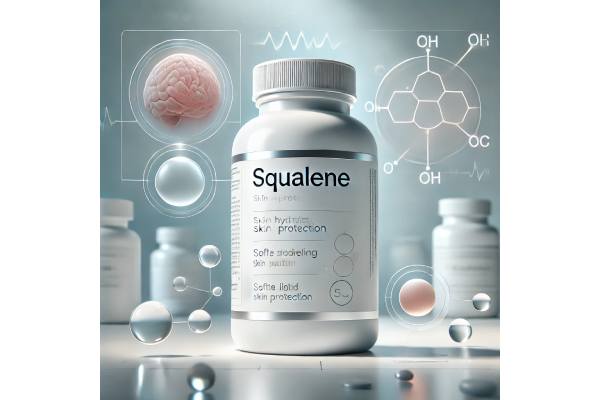
Squalene is a natural oil that your body already makes every day. It sits at a key step in cholesterol production, but it also acts as a powerful antioxidant lipid in your skin and other tissues. You will find squalene in shark liver oil, extra-virgin olive oil, amaranth, and other plant oils, as well as in some dietary supplements and niche skincare products.
Interest in squalene has grown because research links it to support for cardiovascular health, antioxidant defense, immune balance, and even protection from some forms of oxidative damage. At the same time, most human studies are still small, and many benefits come from animal or in-vitro models rather than large clinical trials.
This guide walks you through what squalene is, how it works, where it helps most, how to use it safely, and what dose ranges are typically used in supplements—along with who should be cautious or avoid it altogether.
Key Insights for Using Squalene Wisely
- Squalene is an unsaturated triterpene your body produces that supports antioxidant defense, skin protection, and cholesterol metabolism.
- Oral squalene supplements often range from about 250 to 500 mg per day, with some studies using around 860 mg per day under medical supervision.
- Short-term use appears well tolerated for most healthy adults, but very high doses above 1,000 mg per day may alter blood lipids and should only be used with medical guidance.
- People with uncontrolled high cholesterol, liver disease, bleeding disorders, or those who are pregnant, breastfeeding, or on multiple medications should speak with a clinician before using squalene.
Table of Contents
- What is squalene and how does it work?
- Proven benefits of squalene for health and skin
- How to use squalene in supplements and skincare
- Recommended squalene dosage and intake
- Possible side effects and who should avoid squalene
- What the science says about squalene
What is squalene and how does it work?
Squalene is a 30-carbon, highly unsaturated triterpene (C₃₀H₅₀) that sits in the middle of the mevalonate pathway, the same biochemical route your body uses to make cholesterol, steroid hormones, and vitamin D. In simple terms, your cells convert acetyl-CoA into several intermediate molecules and eventually into squalene. From there, squalene is folded and cyclized into cholesterol and other sterols.
Humans synthesize roughly gram-level amounts of squalene daily, and a notable share of it ends up on the skin surface as part of sebum. Sebum is the oily mixture that keeps skin flexible and forms a barrier against the outside world. Squalene can make up around 10–15 percent of surface skin lipids, helping maintain softness and elasticity while also acting as a sacrificial antioxidant lipid.
Diet also contributes. Traditional Mediterranean-style diets that use generous amounts of extra-virgin olive oil can deliver tens to low hundreds of milligrams of squalene per day, depending on intake and the oil’s origin. Amaranth oil, rice bran oil, wheat germ oil, and some palm fractions are also rich sources. Historically, commercial squalene came from shark liver oil, but there is now a strong move toward plant-based and biotechnological sources to avoid harming shark populations.
Mechanistically, squalene is interesting because:
- Its multiple double bonds allow it to quench singlet oxygen and other reactive species, protecting cell membranes and lipids from oxidative damage.
- Being lipophilic, it integrates into membranes and lipoproteins, where it can influence fluidity and potentially tweak how cholesterol and triglycerides are handled.
- In experimental models, it modulates enzymes such as HMG-CoA reductase and supports antioxidant defenses through pathways linked to glutathione and key enzymes like superoxide dismutase and catalase.
On the skin, squalene can be both protective and problematic. In its reduced, fresh state it helps shield against UV-induced oxidative stress. When it is oxidized by pollution or UV light, however, it can form peroxidation products that may contribute to irritation and comedone formation. This is one reason cosmetic formulators more often use squalane (its hydrogenated, fully saturated cousin) for topical products: squalane is more stable and less prone to oxidize.
Proven benefits of squalene for health and skin
Squalene’s reputation comes mainly from four domains: cardiovascular support, antioxidant protection, immune modulation, and skin health. The strength of evidence varies, with most robust data in animals and mechanistic studies, and a smaller but growing number of human trials.
1. Cardiovascular and lipid profile support
Squalene has been studied as a lipid-modulating nutrient. In human research, doses in the mid-hundreds of milligrams per day have sometimes improved triglycerides and HDL-cholesterol, and in at least one 20-week study, around 860 mg per day led to modest reductions in total and LDL cholesterol along with slight increases in HDL. At the same time, other trials found neutral or mixed effects. Overall, squalene appears capable of shifting lipids in a favorable direction in some contexts but is not a guaranteed cholesterol-lowering supplement.
Proposed mechanisms include:
- Negative feedback on HMG-CoA reductase, similar in direction (though far weaker) than statins.
- Changes in bile acid production and fecal excretion of cholesterol and sterol metabolites.
- Antioxidant protection of lipoproteins, which may reduce oxidative modification of LDL.
2. Antioxidant and anti-inflammatory actions
Squalene’s six double bonds make it highly reactive toward singlet oxygen. In experimental systems, it acts as a “sink” for reactive oxygen species, protecting more delicate lipids from peroxidation. This has been explored in models of myocardial infarction, radiation exposure, and toxin-induced organ damage, where squalene often reduces markers of oxidative stress and tissue injury.
In addition, squalene has been shown to:
- Increase activities of endogenous antioxidant enzymes (glutathione peroxidase, superoxide dismutase, catalase) in animal studies.
- Modulate inflammatory signaling pathways such as NF-κB and Nrf2, which sit at the crossroads of oxidative stress and inflammation.
3. Skin health and barrier support
As a major component of human sebum, squalene helps maintain the flexibility and water-holding capacity of the stratum corneum. It also scavenges UV-generated reactive oxygen species at the skin surface. In experimental settings, squalene has shown:
- Protection of skin from UV-induced peroxidation and structural damage.
- Potential support for wound healing and barrier repair in models of irritation or dermatitis.
However, oxidized squalene (for example, after intense UV exposure or air pollution) behaves differently. Its peroxidation products can irritate follicles and have been associated with comedone development in acne-prone skin. This delicate balance is why most modern skincare uses squalane and formulates with antioxidants to minimize oxidation.
4. Immune function and vaccine adjuvant roles
In medicine, highly purified squalene is a key component of some oil-in-water vaccine adjuvants, most notably MF59 used in certain influenza and other vaccines. In that context, squalene-based emulsions help recruit innate immune cells, promote antigen uptake, and enhance both antibody and T-cell responses while maintaining an excellent safety profile in large populations.
For oral supplements, immune benefits are less clearly defined but may involve similar antioxidant and membrane-modulating effects. Animal studies suggest improved resilience to toxins and infections when squalene is included in the diet.
5. Potential anti-cancer and detoxification effects
High-dose squalene in animal models has reduced the formation of certain chemically induced tumors and enhanced the effects of some chemotherapy drugs. It may also act as a carrier for lipophilic toxins, promoting their elimination. These findings are intriguing but involve doses much higher than typical human supplements and should not be extrapolated to self-treatment of cancer.
How to use squalene in supplements and skincare
Before adding squalene in any form, it helps to understand where it appears in everyday products and what goals you are aiming for.
1. Dietary and supplemental squalene
You can obtain squalene from:
- Dietary fats – Extra-virgin olive oil, amaranth oil, rice bran oil, and wheat germ oil naturally contain squalene. A Mediterranean-style diet with generous olive oil intake may already provide meaningful amounts.
- Dedicated supplements – These typically supply plant-derived squalene in capsules or softgels, often standardized to provide a few hundred milligrams per serving.
When choosing a supplement, consider:
- Source and sustainability – Prefer plant-based or fermentation-derived squalene. Many manufacturers now highlight “olive-derived” or “sugarcane-derived” squalene on labels, reflecting reduced reliance on shark liver.
- Standardized content – Look for products that clearly state “squalene” content per capsule in mg, rather than just listing an oil blend.
- Combination formulas – Some formulations pair squalene with antioxidants like vitamin E or coenzyme Q10, aiming to support lipid and membrane health more broadly.
2. Topical use: squalene versus squalane
In skincare, the terms “squalene” and “squalane” are sometimes used loosely, but they refer to different molecules:
- Squalene is highly unsaturated and prone to oxidation. It is naturally present in sebum and some cosmetic oils, but on its own it can become unstable when exposed to air, light, or heat.
- Squalane is the fully hydrogenated, saturated version. It is far more stable, odorless, non-greasy, and widely used as a light emollient and barrier support oil in facial serums and moisturizers.
For home use:
- Most “squalane serums” on the market actually contain squalane, not squalene, by design.
- If a label lists “squalene,” it is usually present at low percentages and combined with antioxidants and other lipids to reduce the risk of oxidation.
Topical squalene (or more commonly squalane) is typically used to:
- Soften and smooth dry or flaky skin.
- Support barrier recovery after harsh treatments or environmental stress.
- Reduce transepidermal water loss and improve comfort in dry climates.
3. Matching the form to your goals
- If your main interest is systemic antioxidant and lipid support, a moderate-dose oral supplement or a diet richer in squalene-containing plant oils may be more relevant.
- If you primarily want smoother, less dehydrated skin, a topical squalane product is usually more suitable, as it stays in the upper layers of the skin and avoids systemic exposure.
- For sensitive or acne-prone skin, it is generally better to favor well-formulated squalane products rather than pure squalene oils, to minimize the risk of oxidation on the skin surface.
In every case, start low, pay attention to how you feel and how your skin reacts, and coordinate with a health professional if you have underlying conditions or take chronic medications.
Recommended squalene dosage and intake
There is no official daily requirement or “Recommended Dietary Allowance” for squalene. Dosage guidance comes from observational diet data, experimental trials, and safety assessments. The figures below describe what has been used in research and practice, not personal medical recommendations.
1. Background dietary intake
People who eat diets rich in extra-virgin olive oil and other squalene-containing plant oils may naturally consume tens to a few hundred milligrams of squalene per day. This is considered part of a normal dietary pattern and appears well tolerated in healthy adults.
2. Common supplemental ranges
Human trials and expert reviews suggest several practical ranges:
- Low-to-moderate supplemental range: 100–250 mg per day
- Often used for general antioxidant or “wellness” positioning.
- Typically aligns with a diet modestly higher in squalene than average but still within a physiologic ballpark.
- Moderate clinical range: 250–500 mg per day
- Supported by more recent reviews recommending around 500 mg per day as a reasonable exogenous dose for adults.
- Used in studies examining lipid metabolism, antioxidant status, or organ protection, particularly when derived from plant sources.
- Higher trial doses: around 860 mg per day
- At least one 20-week human trial combined pravastatin with 860 mg per day of oral squalene and reported modest improvements in lipid profiles beyond statin alone.
- Such doses should be considered therapeutic and used only under medical supervision.
Older literature and animal studies have explored grams-per-day intakes, sometimes between 2 and 5 g per day for specific purposes like detoxification or experimental cancer models. These intakes are well above normal dietary exposure and cannot be considered routine or long-term safe for humans without more robust data.
3. Practical starting points
For generally healthy adults, many clinicians and nutrition-focused practitioners would consider something like:
- 200–300 mg per day from a high-quality supplement or combination of diet and supplement as a cautious starting point.
- Gradual increases toward 400–500 mg per day if well tolerated and if there is a clear rationale (for example, in the context of cardiovascular risk management supervised by a healthcare professional).
4. Topical exposure
In cosmetics, squalene (and more commonly squalane) is typically used at up to about 10 percent concentrations in leave-on products such as creams or serums, often alongside other emollients and antioxidants. Safety panels have concluded that this level of use is acceptable in the general population when products are formulated appropriately and used as intended.
5. Duration of use
Most human studies last from a few weeks to a few months. For longer-term use:
- Maintain reasonable doses (generally well under 1,000 mg per day without explicit medical oversight).
- Reassess periodically, especially lipid panels and liver function tests if you have cardiovascular risk factors or metabolic conditions.
- Take breaks if using high doses intermittently for experimental or adjunctive reasons, and do so only under supervision.
Possible side effects and who should avoid squalene
Squalene has a strong safety record in both cosmetics and medicine. It has been used as a componentof widely administered vaccine adjuvants and extensively reviewed as a cosmetic ingredient. Nonetheless, side effects and contraindications need to be considered, especially at higher oral doses.
1. Commonly reported issues
At typical supplemental doses (up to roughly 500–860 mg per day in adults), adverse effects are usually mild and infrequent. When they occur, they may include:
- Digestive discomfort, such as nausea, soft stools, or a sense of fullness due to the added oil load.
- Occasional aftertaste or mild body odor changes, particularly with marine-derived products.
These effects often improve when squalene is taken with meals, divided into smaller doses, or switched from shark-derived to plant-derived sources.
2. Effects on blood lipids
Because squalene lies directly upstream of cholesterol in the biosynthetic pathway, there is a theoretical concern that high doses might increase cholesterol levels. Research so far shows:
- Moderate doses around 500–900 mg per day have produced mixed results, with some trials showing improvement in lipid profiles, some showing no change, and a few showing transient increases that normalized at lower doses.
- Very high doses above 1 g per day, especially over long periods, are less studied and may carry a greater risk of raising total or LDL cholesterol in some individuals.
People with hypercholesterolemia, familial lipid disorders, or cardiovascular disease should not self-prescribe high-dose squalene. Any use should be coordinated with a clinician who can monitor lipid panels.
3. Allergies and source-related concerns
- Marine-derived squalene comes from shark liver oil. Individuals with known fish or marine allergies may be more comfortable choosing plant-derived squalene.
- Ethical and environmental concerns are another reason many users prefer olive- or sugarcane-derived squalene instead of shark-based products.
4. Skin reactions
Topically, highly refined squalene and squalane are usually non-irritating and non-sensitizing. However:
- Oxidized squalene on the skin has been linked to irritation and comedone formation in acne, especially when exposed to UV light and urban pollution.
- People with acne-prone or extremely sensitive skin should favor stabilized squalane-based formulas from reputable brands and avoid leaving unstable oils in open containers exposed to heat and light.
5. Groups who should use caution or avoid squalene
You should speak with a healthcare professional before using squalene supplements, and possibly avoid them altogether, if you:
- Are pregnant or breastfeeding, due to limited safety data in these groups.
- Have uncontrolled high cholesterol, familial hypercholesterolemia, or significant cardiovascular disease, especially if already on statins or other lipid-lowering medications.
- Have chronic liver disease, gallbladder disease, or pancreatitis, where additional dietary fats or lipid active compounds may be problematic.
- Take multiple medications with narrow therapeutic windows, particularly drugs affected by fat absorption or metabolism.
- Have a history of unexplained reactions to fish oils, shark liver oil, or certain cosmetics containing squalene.
In all of these situations, squalene should be treated as a pharmacologically active lipid, not as a neutral “natural oil.”
What the science says about squalene
The scientific literature on squalene has expanded significantly in recent years. Modern reviews integrate biochemical, animal, and human data to paint a more complete picture of its roles and possible clinical uses.
1. Absorption and bioavailability
Comprehensive reviews of squalene’s biology report that:
- Around 60–85 percent of dietary squalene is absorbed in the human intestine.
- Absorbed squalene travels in chylomicrons, then is partially taken up by the liver, where it can be converted into sterols or secreted into very-low-density and low-density lipoproteins.
- Squalene’s circulating levels reflect both dietary intake and endogenous synthesis.
This dual origin helps explain why some people show noticeable shifts in blood lipids when supplementing, while others do not.
2. Cardiovascular health evidence
A systematic review of cardiovascular outcomes involving animal and human studies suggests:
- In animal models, squalene frequently improves lipid profiles, reduces atherosclerotic lesion formation, and supports antioxidant defenses in blood vessels.
- Human data are more modest. A few small trials show beneficial changes in triglycerides and HDL-cholesterol at moderate doses, but results are not uniform, and sample sizes are limited.
The overall conclusion is that squalene has potential as an adjunct in cardiovascular health, but evidence is not strong enough to consider it a frontline therapy.
3. Antioxidant and organ protection
Recent research and reviews highlight squalene’s ability to:
- Reduce markers of oxidative stress in heart, liver, and intestinal tissues in models of toxic injury, ischemia, or stress.
- Enhance antioxidant enzyme activity and support mitochondrial and endoplasmic reticulum integrity under stress conditions.
- Improve resilience to early weaning, heat stress, and toxins in animal husbandry contexts, where diets supplemented with hundreds of mg per kg of feed improved performance and reduced markers of damage.
These findings reinforce the idea of squalene as an “antioxidant lipid buffer,” especially under conditions of high oxidative load.
4. Skin and cosmetic safety
Cosmetic safety panels have now twice revisited the safety of squalene and squalane at modern use levels in consumer products. Their conclusions:
- Topically applied squalene and squalane, as used in cosmetics, are safe for the general population at current concentrations and patterns of use.
- Irritation or sensitization is rare and usually associated with impurities or oxidized material rather than with properly refined ingredients.
This aligns with decades of practical experience in skincare and personal-care products.
5. Emerging directions
Contemporary reviews point to several emerging areas:
- Biotechnological production of squalene via engineered microbes, which can provide sustainable, highly pure material without harming marine ecosystems.
- Nanoemulsion and delivery systems that stabilize squalene and enhance its bioavailability or targeted delivery to tissues.
- Exploration of squalene’s roles in gut health, microbiota composition, and barrier function, particularly in animal models.
Despite these promising lines of research, it is important to recognize that much of the excitement comes from preclinical or early-stage work. For now, squalene is best viewed as a potentially useful adjunctive nutrient and cosmetic ingredient, not as a standalone cure or guaranteed treatment for specific diseases.
References
- The Efficacy of Squalene in Cardiovascular Disease Risk-A Systematic Review 2020 (Systematic Review)
- Recent advances in squalene: Biological activities, sources, extraction, and delivery systems 2024 (Systematic Review)
- The physiological function of squalene and its application prospects in animal husbandry 2024 (Review)
- Safety Assessment of Squalane and Squalene as Used in Cosmetics 2016 (Safety Assessment)
- Squalene and its Potential Clinical Uses 1999 (Narrative Review)
Disclaimer
The information in this article is for general educational purposes only and is not a substitute for personal medical advice, diagnosis, or treatment. Squalene can influence lipid metabolism and interacts with many aspects of physiology, so its use may not be appropriate for everyone. Always consult a qualified healthcare professional before starting, changing, or stopping any supplement, especially if you have a medical condition, are pregnant or breastfeeding, take prescription medications, or are considering squalene in combination with other therapies. Never disregard professional medical advice or delay seeking it because of something you have read here.
If you found this guide helpful, you are warmly invited to share it on Facebook, X (formerly Twitter), or any platform you prefer, and to follow our work on social media. Your support by sharing this article helps our team continue creating careful, evidence-informed health content.