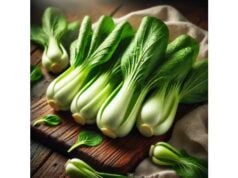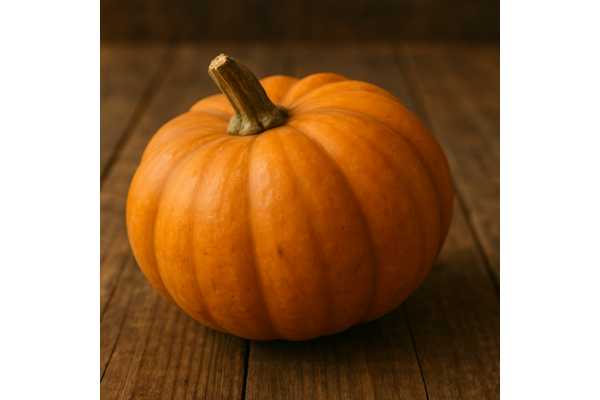
Squash is a remarkably versatile group of vegetables that covers delicate summer types like zucchini and pattypan, as well as hearty winter varieties such as butternut, acorn, kabocha, and pumpkin. All belong to the Cucurbita genus and offer a combination of gentle sweetness, soft texture, and a warm color palette that fits both everyday meals and festive dishes.
Nutritionally, squash tends to be low in calories yet rich in fiber, carotenoids (especially beta carotene), vitamin C, and a range of minerals. This combination supports eye health, immune function, digestion, and cardiometabolic health when paired with an overall balanced diet. At the same time, most people tolerate squash well, and it adapts easily to roasting, soups, curries, purees, salads, and even baked goods.
This guide walks you through how squash supports health, what its nutrition profile looks like, how to buy and store it, ways to cook it while preserving nutrients, and how much to include safely in your routine.
Top Highlights
- Squash is low in calories and provides fiber, potassium, and carotenoids that support heart, eye, and immune health.
- Winter squash, especially butternut and pumpkin, is a concentrated source of provitamin A carotenoids that the body can convert into vitamin A.
- A typical serving is 80–100 g cooked squash (about ½–1 cup), enjoyed several times per week as part of a varied diet.
- People with confirmed squash or pumpkin allergy, or strong reactions to other Cucurbitaceae (cucumber, melon), should avoid squash and discuss options with an allergist.
- Those with advanced kidney disease, strict low-potassium diets, or very low-carbohydrate regimens may need to limit portion sizes and frequency.
Table of Contents
- Squash types culinary roles and history
- Squash nutrition facts in detail
- Research backed health effects of squash
- Potential risks allergies and interactions
- Choosing storing and sustainable use of squash
- Cooking squash while preserving nutrients
- Portion sizes comparisons and common questions
Squash types culinary roles and history
Squash is a broad term for several species in the Cucurbita genus, including C. pepo, C. moschata, and C. maxima. These plants were first domesticated in the Americas and have been staples in Indigenous food systems for thousands of years. Together with beans and maize, squash formed part of the “three sisters” cropping system, where each crop helped support the others agronomically and nutritionally.
Today, squash is usually grouped into two main categories:
- Summer squash: harvested when immature, with tender skin and moist flesh. Examples include zucchini, yellow crookneck, and pattypan. They cook quickly, have very high water content, and a mild flavor that works well in sautés, stir-fries, salads, and quick breads.
- Winter squash: harvested at full maturity, with firm skin and dense, sweet flesh. Common types include butternut, acorn, kabocha, Hubbard, delicata, and many pumpkins. They store well for months and are ideal for roasting, soups, stews, and purees.
From a culinary perspective, squash is flexible. The flesh roasts, steams, boils, or pressure-cooks well; the seeds of many varieties can be roasted and eaten as a snack; and the peels and trimmings can flavor stocks or be turned into vegetable flour. In many cuisines, squash appears in both savory dishes (curries, gratins, tacos, risottos) and sweet dishes (pies, breads, custards).
Nutritionally, winter squash tends to be more concentrated in carbohydrates, fiber, carotenoids, and some minerals than summer squash, which is closer to cucumbers in composition. This is why recipes often use winter squash as a “starchy vegetable” similar to sweet potato, while summer squash often stands in for lower-calorie vegetables like zucchini.
Modern breeding and global trade have expanded the range of shapes, colors, and textures on the market—from small, deeply orange butternut squash bred for baby food production to heirloom pumpkins prized for their flavor and high carotenoid content. At the same time, squash remains relatively affordable and widely available, making it an accessible source of nutrients for many households.
Overall, whether you choose delicate summer squash or dense winter types, these vegetables offer a flexible way to increase vegetable intake, add color to the plate, and introduce gentle sweetness without relying on added sugars.
Squash nutrition facts in detail
The precise nutrition profile of squash varies by species, variety, and cooking method. To give a practical picture, the tables below use cooked butternut squash (a typical winter squash) per 100 g as a reference. Values are approximate and can shift with growing conditions and preparation.
Macros and electrolytes (per 100 g cooked butternut squash)
| Nutrient | Amount per 100 g | %DV* |
|---|---|---|
| Energy | 45 kcal | 2% |
| Total carbohydrates | 10.5 g | 4% |
| Dietary fiber | 2.0 g | 7% |
| Total sugars | ~2.0 g | – |
| Protein | 1.0 g | 2% |
| Total fat | 0.1 g | 0% |
| Saturated fat | 0.02 g | 0% |
| Potassium | 350 mg | 7% |
| Sodium | 4 mg | 0% |
*%DV = Percentage of Daily Value for adults based on a 2,000 kcal diet; estimates only.
This profile shows why squash is considered a low-energy-density food: plenty of volume and fiber for relatively few calories, plus useful potassium to support blood pressure regulation.
Vitamins (per 100 g cooked butternut squash)
Winter squash is especially rich in provitamin A carotenoids, which the body converts to vitamin A as needed. It also contributes vitamin C and several B vitamins.
| Vitamin | Amount | %DV* |
|---|---|---|
| Vitamin A (as provitamin A carotenoids, µg RAE) | ~500 µg | 56% |
| Vitamin C | 20 mg | 22% |
| Vitamin E (alpha-tocopherol) | 1.4 mg | 9% |
| Vitamin K | 1 µg | 1% |
| Thiamin (Vitamin B1) | 0.08 mg | 7% |
| Riboflavin (Vitamin B2) | 0.02 mg | 2% |
| Niacin (Vitamin B3) | 1.2 mg | 8% |
| Vitamin B6 | 0.15 mg | 9% |
| Folate | 25 µg | 6% |
Carotenoids like beta carotene, alpha carotene, lutein, and zeaxanthin are abundant in the orange flesh and, to a lesser extent, in the peel. These compounds also function as antioxidants, and some can be converted to vitamin A, supporting vision, immune function, and skin integrity.
Minerals (per 100 g cooked butternut squash)
| Mineral | Amount | %DV* |
|---|---|---|
| Calcium | 40 mg | 3% |
| Iron | 0.7 mg | 4% |
| Magnesium | 30 mg | 7% |
| Manganese | 0.2 mg | 9% |
| Copper | 0.1 mg | 11% |
| Zinc | 0.15 mg | 1% |
These values highlight squash as a modest source of magnesium, manganese, and copper, minerals involved in energy metabolism, bone health, and antioxidant enzyme function.
Bioactives and glycemic metrics
- Carotenoids: Pumpkin and related squashes can contain hundreds of micrograms of carotenoids per gram of fresh weight, especially beta carotene and other provitamin A carotenoids. Content rises with ripeness and varies by cultivar and growing conditions.
- Polyphenols and pectic polysaccharides: Squash peels and flesh contain phenolic compounds and pectins that may support antioxidant defenses and gut health.
- Glycemic index (GI): Most winter squash varieties fall in the low to moderate GI range, and typical portions have low to moderate glycemic load, especially when eaten with protein, fat, and fiber-rich foods.
Fresh squash is not usually fortified and does not normally contain additives. Processed products (soups, purees, baby foods) may include added salt, sugar, or thickeners, so checking labels is important.
Research backed health effects of squash
Most health research on squash focuses on pumpkin and butternut-type winter squash, their carotenoids, seeds, and peel-derived ingredients. Human data are still limited, but mechanistic and preclinical evidence is growing.
Eye and immune health
The deep orange color of many winter squashes signals high levels of provitamin A carotenoids, particularly beta carotene and alpha carotene. These compounds can convert to vitamin A, which is essential for low-light vision, immune function, and maintaining epithelial barriers in the skin and respiratory tract.
Large observational studies associate higher carotenoid intake—especially from yellow and orange vegetables—with lower risk of some age-related eye diseases and possibly certain cancers, although squash is usually one of many foods contributing to this pattern rather than a stand-alone “treatment.”
Metabolic and cardiovascular effects
Squash offers a combination of fiber, potassium, and low energy density, which are features generally linked to healthier cardiometabolic profiles when part of an overall balanced diet. Fiber helps with satiety and bowel regularity; potassium supports blood pressure regulation; and low calorie density can help manage energy intake.
Several preclinical studies suggest that extracts from Cucurbita moschata and related species may:
- Improve blood glucose control in diabetic animal models
- Enhance antioxidant defenses and reduce markers of oxidative stress
- Improve lipid profiles (lowering triglycerides and LDL cholesterol in some experiments)
A recent systematic review of preclinical studies concluded that Cucurbita species show promising antidiabetic potential, mediated through mechanisms like improved insulin sensitivity, pancreatic beta-cell protection, and reduced oxidative stress. However, the authors emphasize that clinical trials in humans are still lacking, so squash should not replace conventional diabetes treatments.
Gut and digestive health
The combination of soluble and insoluble fibers, including pectins from squash peel and pulp, may contribute to gut health by:
- Adding bulk and softness to stool
- Supporting beneficial gut microbiota through fermentable fibers
- Helping modulate post-meal glucose responses when squash replaces more refined starches
These benefits depend on the entire dietary pattern and lifestyle, but squash can play a useful supporting role.
Antioxidant and anti-inflammatory potential
Reviews of cucurbit plants highlight a wide range of bioactive compounds in squash, including carotenoids, tocopherols (forms of vitamin E), sterols, and phenolic acids. In cell and animal studies, extracts from squash flesh, peel, and seeds have shown antioxidant, anti-inflammatory, and, in some cases, anticancer activities.
At present, these findings are supportive but not definitive. Squash should be viewed as part of a nutrient-dense dietary pattern that may lower chronic disease risk over time, not as a stand-alone functional food or supplement.
Potential risks allergies and interactions
For most people, squash is safe and well tolerated. Still, a few important safety points deserve attention.
Allergies and cross-reactivity
True squash allergy is uncommon but documented. Reactions may involve:
- Oral allergy symptoms (itching, tingling, or mild swelling in the mouth and throat)
- More generalized allergic reactions, including hives, gastrointestinal discomfort, or, rarely, anaphylaxis
People allergic to other Cucurbitaceae family members—such as pumpkin, cucumber, melon, or zucchini—may have cross-reactivity due to similar proteins or pollen-related sensitization. Anyone who has experienced concerning reactions should seek evaluation by an allergist and carry appropriate emergency medication if prescribed.
“Bitter squash” and cucurbitacins
All cultivated edible squash varieties are bred for low levels of cucurbitacins, bitter-tasting triterpenoids that can be toxic at high doses. Very rarely, cross-pollination with ornamental gourds or stress conditions can lead to unusually bitter squash. In those cases:
- Do not eat squash that tastes intensely bitter.
- Spit it out, discard the entire vegetable, and avoid feeding it to others or pets.
Reported cases of “toxic squash syndrome” include severe gastrointestinal upset, but they remain rare.
Digestive tolerance and FODMAPs
Most people tolerate squash well, but:
- Large portions of certain winter squashes can be moderately high in some fermentable carbohydrates, which may trigger bloating or discomfort for people with irritable bowel syndrome (IBS) or very sensitive digestion.
- Starting with smaller amounts (½ cup cooked) and increasing gradually can help gauge tolerance.
Summer squash (like zucchini) is usually better tolerated in low-FODMAP eating patterns than large servings of some winter squashes, but responses vary individually.
Potassium and kidney disease
Squash provides moderate potassium. For most people this is beneficial, but:
- Individuals with advanced chronic kidney disease or those on strict low-potassium diets may need to limit squash or count it within their daily potassium allowance.
- This should be done together with a nephrologist or renal dietitian.
Medication interactions
Squash does not have well-defined direct drug interactions. However:
- Large changes in vitamin A intake from supplements can interact with certain medications; squash alone is unlikely to reach those levels.
- People taking diabetes medications should not alter their treatment based solely on preclinical studies of squash extracts. Instead, they can include squash as part of a carbohydrate-aware meal plan and monitor blood glucose with their care team.
If you experience unusual symptoms after eating squash—especially breathing difficulty, tongue or throat swelling, or severe abdominal pain—seek urgent medical attention.
Choosing storing and sustainable use of squash
Handling squash well helps you get the most nutrition and minimize food waste.
Selecting quality squash
Winter squash (butternut, acorn, kabocha, pumpkin):
- Look for firm fruits with dull, matte skin, fully hardened rind, and a dry, intact stem.
- Skin color should be rich and even; pale or green patches may indicate under-ripeness.
- Avoid cracks, soft spots, or mold, especially around the stem and blossom ends.
Summer squash (zucchini, yellow squash, pattypan):
- Choose small to medium size with glossy, unblemished skin.
- Very large fruits may have more seeds, watery texture, and less flavor.
When possible, buying locally grown squash in season reduces transport-related emissions and often improves freshness.
Storage for safety and nutrition
Whole winter squash:
- Store in a cool, dark, well-ventilated place (around 10–15°C / 50–59°F).
- Under good conditions, many winter squashes keep for several weeks to a few months.
- Avoid storing next to ethylene-producing fruits like apples or bananas for long periods, as they can hasten spoilage.
Cut or peeled squash:
- Refrigerate promptly in an airtight container.
- Use within 3–5 days for best texture and flavor.
- If you cut raw squash into cubes for meal prep, keep them refrigerated and cook thoroughly before eating.
Cooked squash and purees:
- Store in the fridge in sealed containers for up to 3–4 days.
- For longer storage, freeze cooked cubes or purees in portions; label with date and variety.
Reducing food waste and using the whole squash
Squash is naturally compatible with low-waste cooking:
- Roast the seeds of edible varieties with a little oil and seasonings.
- Use peels and trimmings from organic squash to enrich vegetable stock (strain before serving).
- Mix leftover roasted squash into soups, hummus-style dips, pancake batter, or smoothies.
Industrial research shows that peel and seed by-products from squash processing are rich in bioactive compounds and can be repurposed for functional ingredients, highlighting their potential in circular food systems.
If buying baby food, soups, or frozen squash products, check labels for added salt, sugar, or cream, which can alter the health profile substantially compared with plain cooked squash.
Cooking squash while preserving nutrients
How you cook squash affects its texture, flavor, and nutrient availability.
Heat, water, and carotenoids
Carotenoids like beta carotene are fat-soluble and relatively heat-stable. Cooking can:
- Soften cell walls, making carotenoids and pectins more accessible
- Slightly reduce vitamin C (heat-sensitive), but often without eliminating it
Studies on butternut squash used for baby food suggest that industrial freezing and processing can maintain the bioaccessibility of carotenoids, and in some cases increase the bioaccessibility of certain polyphenols compared with fresh squash.
Best everyday methods
- Roasting or baking
- Highlights sweetness and concentrates flavor through moisture loss.
- Use moderate temperatures (around 180–200°C / 350–400°F) and avoid charring.
- Toss with a small amount of oil to support carotenoid absorption.
- Steaming or microwaving
- Ideal when you want soft texture without adding much fat or water loss of nutrients.
- Shorter cooking times help preserve vitamin C and some B vitamins.
- Boiling or simmering in soups
- Nutrients that leach into the cooking water remain in the dish if you serve the liquid (e.g., blended soups).
- Useful for purees and baby foods where a smooth texture is important.
- Pressure cooking
- Fast and convenient, especially for dense varieties.
- Use minimal water and avoid overcooking to retain color and texture.
Practical nutrient-preserving tips
- Leave edible peel on when possible (for delicata or some kabocha), after thorough washing; peels can contain extra fiber and phytonutrients.
- Combine with a small amount of fat (olive oil, nuts, seeds, or dairy) to enhance carotenoid absorption.
- Pair with protein and whole grains to turn squash into a balanced meal rather than a stand-alone carbohydrate side.
- Avoid very long holding times under heat lamps or repeated reheating, which can gradually degrade sensitive vitamins and texture.
Research on processing pumpkin and squash shows that gentle methods and shorter cooking times help preserve bioactives, while certain techniques (like drying or flour-making) can concentrate some nutrients but reduce others.
Portion sizes comparisons and common questions
How much squash is a typical serving?
For most adults, a practical serving of cooked squash is:
- 80–100 g cooked squash, or
- About ½–1 cup cooked cubes or mash
As part of a varied diet, enjoying squash several times per week is reasonable for generally healthy people. Those who rely heavily on squash as a main starch source should balance it with other vegetables, whole grains, and protein.
Squash versus other starchy vegetables
Squash vs sweet potato
- Both are rich in carotenoids and fiber and can fit into a similar “starchy vegetable” slot on the plate.
- Sweet potatoes usually contain more total carbohydrates, slightly more calories, and often more potassium per gram.
- Squash tends to be lighter in calories with a softer flavor and slightly lower glycemic load per typical serving.
Squash vs regular potatoes
- Potatoes provide more starch and potassium but fewer carotenoids unless you choose colored varieties.
- Squash often pairs well with potatoes in mixed dishes, where it can reduce energy density and add color.
Is squash suitable for people with diabetes?
In moderate portions, squash—especially winter varieties—can fit into a carbohydrate-controlled diet:
- It contains carbohydrates, so portions still need to be counted.
- The fiber and relatively low glycemic load of typical servings can be helpful when squash replaces more refined starches.
- For many people with diabetes, ½ cup cooked squash as part of a mixed meal is a reasonable starting portion, with glucose monitoring guiding adjustments.
Preclinical studies on Cucurbita extracts suggest antidiabetic potential, but they do not replace established diabetes medications or care plans.
Is squash safe during pregnancy, breastfeeding, and childhood?
In normal food amounts, squash is generally safe and can be beneficial:
- Provides vitamin A precursors rather than preformed vitamin A, which lowers the risk of exceeding safe upper limits from food alone.
- Fits well into complementary feeding for infants when cooked very soft and blended appropriately, respecting choking-risk guidelines and local infant feeding recommendations.
Any pregnancy or pediatric nutrition plan should be guided by a healthcare professional, particularly if there are allergies, gastrointestinal conditions, or growth concerns.
Can pets eat squash?
Many dogs tolerate small amounts of plain, cooked squash (without seasoning, onion, garlic, or xylitol) as part of a balanced pet diet. However:
- Companion animals have different nutritional needs, and their main diet should be a complete commercial or professionally formulated feed.
- Always check with a veterinarian before making significant changes to a pet’s diet or using squash to address health issues like constipation or weight control.
References
- Physicochemical, nutritional and functional properties of Cucurbita moschata 2021 (Review)
- Bioaccessibility of Carotenoids and Polyphenols in Organic Butternut Squash (Cucurbita moschata): Impact of Industrial Freezing Process 2024 (Experimental Study)
- A Comprehensive Review of the Nutritional and Health-Promoting Properties of Edible Parts of Selected Cucurbitaceae Plants 2025 (Systematic Review)
- Preclinical evidence of the efficacy of cucurbita plants in diabetes management: a systematic review 2025 (Systematic Review)
- Winter Squash • The Nutrition Source 2024 (Guideline/Expert Summary)
Disclaimer
The information in this article is for general education only and is not a substitute for personalized medical advice, diagnosis, or treatment. Nutrient needs, health risks, and safe food choices can differ widely between individuals, especially in the presence of chronic conditions, pregnancy, breastfeeding, childhood, or advanced age. Always consult your physician, registered dietitian, or other qualified health professional before making significant changes to your diet, using foods as part of a treatment strategy, or altering any prescribed medications.
If you found this article useful, you are warmly invited to share it with others—on Facebook, X (formerly Twitter), or any platform you prefer. Thoughtful sharing helps more readers access reliable nutrition information and supports the continued development of high-quality, evidence-informed content.