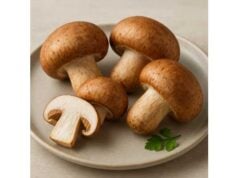
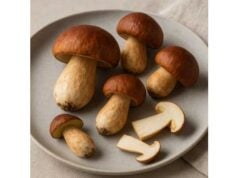
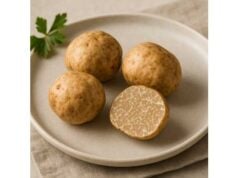
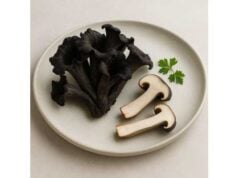
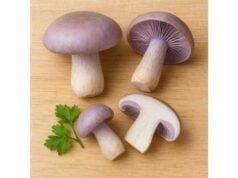
St. George’s mushroom (Calocybe gambosa) is a spring specialty prized across Europe for its flour-like aroma, dense texture, and early-season reliability. It often appears in long-lived rings in April and May, when few other wild mushrooms are available. Beyond flavor, it delivers the same family of fungal nutrients and bioactives that make mushrooms useful in modern diets: low energy density, modest protein, potassium, and notable antioxidants such as ergothioneine. Because C. gambosa is a wild species eaten cooked like most mushrooms (some regional cuisines also slice very fresh specimens into salads), this guide focuses on practical questions: how to identify high-quality specimens, what nutrition you can realistically expect per 100 g and per serving, how to prepare them to keep their delicate bouquet, and how to avoid risks—including lookalikes and allergy considerations. If you love seasonal cooking or you are curious about nutrient-dense ways to add savory depth without a lot of salt or fat, St. George’s mushroom is a worthy addition to your spring kitchen toolkit.
Quick Overview
- Typical serving is 75–100 g cooked (about 1–1½ cups), once or twice per week in season.
- Key upsides: low calories for satisfying volume and mushroom-specific antioxidants such as ergothioneine.
- Main caveat: potential confusion with toxic lookalikes in the field; only eat mushrooms that have been expertly identified.
- People who should avoid or limit: those with confirmed mushroom or mold allergy, and individuals advised to avoid wild foods eaten undercooked.
Table of Contents
- Detailed Overview
- Nutrition Profile
- Evidence-Based Health Benefits
- Risks, Allergies and Interactions
- Selecting, Quality, Sustainability and Storage
- Preparation, Cooking and Nutrient Retention
- Portions, Comparisons and FAQs
Detailed Overview
St. George’s mushroom (also known as St. George’s Day mushroom, “perretxiko” in the Basque Country, and “prugnolo” in parts of Italy) fruits in early spring, often before the first flush of common woodland species. It favors unimproved pastures, grassy verges, and the edges of hedgerows, sometimes forming striking “fairy rings.” The cap is creamy to pallid with a floury scent; white gills are tightly spaced and the spore print is white. In the kitchen, C. gambosa behaves like a firm, meaty mushroom: it browns well, keeps its shape, and lends a gentle cereal-like perfume to eggs, potatoes, polenta, or fresh pasta. Many regional preparations are simple—slow-sauté in olive oil with a splash of stock, then fold into an omelet or drizzle over toasted bread.
From a nutrition perspective, St. George’s mushroom aligns with the broader fungal profile: high water content, minimal fat, modest protein, potassium, and trace minerals. Like other wild fungi, it carries unique small molecules such as ergothioneine and phenolics that have been studied for antioxidant actions. However, nutrient composition varies with soil, weather, and maturity; values reported on a dry-weight basis often differ widely. The takeaway for everyday cooking is consistent: a generous cooked portion adds savory depth and texture at very low caloric cost.
Because C. gambosa is a foraged species, safety depends on correct identification and proper handling. Even experienced cooks rely on trained foragers or local markets when in doubt. As a rule, do not rely on one feature (cap color, for instance); instead, confirm several characteristics together and—if collecting—seek expert confirmation. Also consider environmental quality: roadside or industrial verges may accumulate contaminants that you do not want in your pan.
Culinarily, think of St. George’s mushroom as a spring stand-in for cultivated buttons with more character. Treat it as the star of the plate—pile on toast with herbs, tumble through scrambled eggs, or finish with lemon and parsley over new potatoes—rather than hiding it under heavy sauces. Used this way, it can help you cook with less added salt and fat while still feeling indulgent.
Nutrition Profile
How to read this section. Amounts are per 100 g fresh, raw St. George’s mushroom where available, aligned with values reported for wild Calocybe gambosa and comparable edible mushrooms; % Daily Value (%DV) uses adult reference values. Wild mushrooms are variable; ranges reflect that reality. A conversion box at the end shows a typical cooked serving.
Macros and Electrolytes (per 100 g)
| Nutrient | Amount | %DV |
|---|---|---|
| Energy | 25–40 kcal | — |
| Water | 85–91 g | — |
| Protein | 2.5–4.5 g | 5–9% |
| Total fat | 0.3–1.0 g | 0–1% |
| Carbohydrate | 2.0–5.0 g | 1–2% |
| Dietary fiber | 1.5–3.0 g | 5–11% |
| Sodium | 5–20 mg | 0–1% |
| Potassium | 300–450 mg | 6–10% |
Carbohydrates (detail)
| Component | Amount | Notes |
|---|---|---|
| Total sugars | 0.5–2.0 g | predominantly trehalose and small amounts of mannitol in wild samples |
| Starch | trace | mushrooms store glycogen-like polysaccharides rather than plant starch |
| Beta-glucans (soluble fiber) | 0.3–1.0 g | contributes to viscosity and satiety |
Fats and Fatty Acids
| Class | Typical profile |
|---|---|
| Polyunsaturated fatty acids (PUFA) | Linoleic acid predominates among total fatty acids; overall fat content is low. |
| Monounsaturated fatty acids (MUFA) | Small proportion, mainly oleic acid. |
| Saturated fatty acids (SFA) | Low; palmitic present in small amounts. |
Protein and Amino Acids
| Item | Amount/Notes |
|---|---|
| Protein | 2.5–4.5 g per 100 g fresh; digestible, with glutamic acid and aspartic acid contributing to umami flavor. |
| Limiting amino acid | Methionine often limiting as in many mushrooms; combine with eggs, grains, or dairy for a balanced plate. |
Vitamins (per 100 g)
| Vitamin | Amount | %DV |
|---|---|---|
| Thiamin (B1) | ~0.05 mg | 4% |
| Riboflavin (B2) | ~0.2 mg | 15% |
| Niacin (B3) | 3.0–4.5 mg | 19–28% |
| Folate (B9) | 20–35 µg | 5–9% |
| Vitamin D | 0–3 µg* | 0–15% |
Minerals (per 100 g)
| Mineral | Amount | %DV |
|---|---|---|
| Phosphorus | 80–140 mg | 6–11% |
| Iron | 0.5–1.5 mg | 3–8% |
| Zinc | 0.5–1.2 mg | 5–11% |
| Copper | 0.1–0.3 mg | 11–33% |
| Selenium | 2–8 µg | 4–15% |
| Calcium | 5–20 mg | 0–2% |
Bioactives / Phytonutrients
- Ergothioneine (EGT): a sulfur-containing antioxidant amino acid concentrated in edible fungi; transported in humans by SLC22A4 (OCTN1).
- Phenolic acids and volatile compounds: contribute aroma and in vitro antioxidant activity.
Allergens and Intolerance Markers
- Fungal proteins can cross-react with inhalant mold allergens in susceptible individuals; see Safety for guidance.
Contaminants/Residues
- Roadside or industrial verges may accumulate heavy metals or particulates; choose clean habitats and trusted sources.
Additives & Fortification
- Fresh wild mushrooms are not fortified. Processed products (pickled, jarred) may contain added salt or acids—check labels.
Footnote: Vitamin D in wild mushrooms depends on sunlight exposure and is often negligible unless specifically dried or treated with UV.
Portion reality (per 100 g cooked, starting from ~200–250 g raw):
- ~40–70 kcal, protein 4–6 g, potassium 400–600 mg, fiber ~2–3 g. Cooking concentrates nutrients by removing water.
Evidence-Based Health Benefits
1) Low energy density for high satiety.
Mushrooms offer generous plate volume for very few calories. Replacing part of the meat or cheese in a dish with sautéed St. George’s mushroom reduces total energy and saturated fat while preserving savoriness, thanks to natural glutamates and nucleotides. In practice, swapping 100 g of sautéed mushrooms for 50 g of cheese in a frittata can trim 100–150 kcal while maintaining satisfaction.
2) Dietary source of ergothioneine.
Ergothioneine (EGT) is a diet-derived thiol abundant in fungi and transported by the dedicated SLC22A4 carrier in humans. Reviews discuss its antioxidant and cytoprotective roles and explore relationships between higher circulating EGT and healthier aging indicators. St. George’s mushroom, like other wild mushrooms, contributes EGT when included regularly during the short season. While there is no established daily requirement, including mushrooms a few times per week is a pragmatic way to raise intake.
3) Supportive minerals with spring meals.
A typical cooked serving (100 g) provides potassium in the mid-hundreds of milligrams along with small amounts of copper and selenium. This pattern suits spring plates often rich in eggs, potatoes, or grains; potassium helps counter high-sodium additions, and copper/selenium participate in antioxidant enzyme systems.
4) Fiber and texture that replace salt.
St. George’s mushroom brings chew and juiciness to dishes, letting you season more lightly without sacrificing mouthfeel. A simple tactic is to sauté mushrooms hard to develop fond, then deglaze with a spoonful of stock and finish with lemon. Many cooks find they can cut salt by 20–30% this way while keeping perceived savoriness.
5) Culinary synergy with nutrient-dense partners.
Traditional pairings—eggs (choline and protein), olive oil (monounsaturated fats), parsley (vitamin K and volatile terpenes), and new potatoes (potassium and resistant starch when cooled)—make it easy to assemble balanced, satisfying meals. The mushroom’s umami means you can use smaller amounts of cheese or cured meats for the same impact.
What St. George’s mushroom does not do.
It is not a medicine or a shortcut for weight loss. Evidence for mushrooms focuses on nutrition quality, culinary substitution, and plausible antioxidant contributions, not on disease treatment. Enjoy them as part of a varied diet, not as a cure.
Risks, Allergies and Interactions
Field safety and lookalikes.
The single most important risk with St. George’s mushroom is misidentification. In parts of Europe, inexperienced foragers have confused edible Calocybe gambosa with toxic spring species. Notably, the livid pinkgill (Entoloma sinuatum) has caused numerous poisonings; it differs in spore print (pinkish) and often fruits later, but overlap and variability occur. Because wild mushroom toxins are not neutralized by normal cooking, never eat a specimen unless identification is certain. When in doubt, buy from reliable markets or go with a trained mycologist.
Allergy and cross-reactivity.
People sensitized to molds can experience oral itching, hives, or gastrointestinal symptoms after eating mushrooms due to shared proteins (for example, enolases). If you have a known mushroom allergy or have reacted to raw mushrooms, avoid St. George’s mushroom and speak with an allergist about testing and thresholds. Cooking reduces but does not eliminate risk.
Microbiological concerns.
Like all fresh produce, mushrooms can carry soil microbes. Good practice is to brush off debris, rinse briefly only if needed, and cook thoroughly. High-risk individuals (pregnant people, older adults, those with weakened immunity) should avoid raw or undercooked wild mushrooms.
Environmental contaminants.
Do not collect from busy roadsides, industrial verges, or polluted soils. Mushrooms can accumulate undesirable substances from their environment. If you are unsure about a location, choose another site or purchase from a vetted supplier.
Drug interactions.
There are no well-documented drug interactions specific to C. gambosa. If you have severe food allergies and carry emergency medications, use the same precautions you would with other wild foods.
When to seek help.
If anyone develops nausea, vomiting, abdominal pain, diarrhea, or confusion after eating wild mushrooms, seek medical care immediately and provide a sample of the mushroom if available. Early evaluation improves outcomes.
Selecting, Quality, Sustainability and Storage
How to choose.
- Aroma: look for a clean flour-like scent. Sour or fishy notes indicate age.
- Texture: firm and heavy for size; avoid spongy or waterlogged caps.
- Gills and cap: white, crowded gills; cap creamy to pale tan with an inrolled edge on young specimens.
- Provenance: ask where and when they were picked; early morning harvest handled coolly travels best.
Sustainability notes.
St. George’s mushroom is wild, not cultivated at scale. Responsible foragers harvest lightly and leave part of each ring undisturbed. Buy from local pickers who follow regional guidelines. Avoid damaging turf or compacting soil when you collect; a knife cut at the base and gentle brushing is kinder to the site than pulling. Because the species often recurs in the same spots for decades, good stewardship sustains future flushes.
Storage.
- Refrigeration: keep unwashed mushrooms in a breathable container (paper bag or a box lined with paper towels) at 1–4 °C; change the lining daily.
- Shelf life: use within 3–5 days for best aroma and texture.
- Do not store in sealed plastic: it traps moisture and speeds spoilage.
- Freezing: acceptable after sautéing. Cool quickly, pack flat, and use within 3 months for soups and sauces.
- Pickling or confit: traditional preservation methods; remember that added salt and oil raise sodium and calorie counts.
Quality troubleshooting.
- Slimy caps or ammonia smell: discard.
- Blackened gills or extensive worm tunnels: trim heavily or compost; fly larvae are common in older specimens.
- Sand or grit: indicates meadow/roadside habitat; scrub and rinse briefly just before cooking.
Preparation, Cooking and Nutrient Retention
Cleaning (just before cooking).
- Trim the base and brush off debris with a soft brush.
- If needed, rinse quickly under cool running water; do not soak.
- Pat dry thoroughly—dry surfaces brown better and splatter less.
Core techniques.
- Hard sauté: slice 5–7 mm thick; cook in a wide pan over medium-high heat with minimal oil until edges brown, then season. Deglaze with a spoon of stock or dry white wine and finish with parsley and lemon.
- Spring frittata or omelet: sweat shallot in olive oil, add sliced mushrooms, cook until tender, then fold into eggs; finish with chives and a few curls of aged cheese.
- Potato partner: toss with boiled new potatoes, olive oil, and dill; the starch captures juices, and you can use less salt than usual.
- Brothy toast: simmer sautéed mushrooms in light stock with garlic and thyme for 3–4 minutes; ladle over grilled bread and finish with peppery greens.
Seasoning for less sodium.
Leverage umami: a pinch of salt at the end, a squeeze of citrus, and fresh herbs often replace the need for salted butter or cured meats. If you add cheese, grate finely and use sparingly; the mushroom’s own savoriness will carry the dish.
Nutrient retention tips.
- Cook through but avoid overcooking: 6–10 minutes in the pan is usually enough to soften cell walls and enhance digestibility while preserving texture.
- Minimal water contact: reduces loss of water-soluble vitamins and potassium.
- Pair smartly: eggs or legumes complement amino acids; whole grains add fiber; olive oil aids flavor dispersion with only a small amount.
Food safety reminders.
Always cook wild mushrooms unless a trusted regional preparation says otherwise—and only when identification is certain. For high-risk individuals, stick to well-cooked servings.
Portions, Comparisons and FAQs
How much is a portion?
- Standard cooked portion: 100 g (about 1–1½ cups).
- In mixed dishes: 50–75 g cooked per person enhances flavor without crowding the pan.
- Frequency: once or twice per week in season is typical; there is no established “dose.”
How does St. George’s mushroom compare with common mushrooms?
- Flavor and texture: denser and more aromatic than cultivated button mushrooms; a bit meatier in sauté.
- Nutrition: broadly similar across edible mushrooms at equal weights—low energy, low fat, modest protein, potassium, and mushroom-specific antioxidants.
- Culinary use: behaves much like a firm Agaricus or Pleurotus, but needs less embellishment.
Can I eat it raw?
Some local traditions shave very fresh, carefully cleaned caps into salads. However, many people digest mushrooms better when cooked, and cooking enhances safety by reducing microbial load. If you are in a high-risk group, avoid raw servings.
What are the main lookalikes?
Regional lists vary, but for spring foragers the livid pinkgill (Entoloma sinuatum) is the most cited hazard. Differences include spore print (pinkish vs. white in C. gambosa) and gill color changes with age. If you cannot obtain a spore print and confirm multiple features, do not eat it.
Budget and availability tips.
Season is short; prices rise with weather and demand. Buy when abundant and sauté to freeze in flat packs for later use. If you cannot find C. gambosa, combine cultivated brown mushrooms with a handful of dried porcini to mimic depth in risottos and sauces.
Simple spring menu ideas (one pan):
- Hard-sauté C. gambosa with leeks, deglaze with dry white wine, stir in cooked barley; finish with lemon zest.
- Sauté with asparagus tips and peas; add beaten eggs for a soft scramble over toast.
- Pan-roast mushrooms, toss with parsley, capers, and a spoon of olive oil; serve over crushed new potatoes.
References
- A Step Forward Towards Exploring Nutritional and Biological Potential of Mushrooms: A Case Study of Calocybe gambosa (Fr.) Donk Wild Growing in Serbia 2022 (Study)
- Ergothioneine: An underrecognised dietary micronutrient required for healthy ageing? 2023 (Systematic Review)
- Recent Advances in the Allergic Cross-Reactivity between Fungi and Foods 2022 (Review)
- Mushroom Poisoning 2020 (Review)
- Natural toxins in food 2023 (Guidance)
Disclaimer
This guide is educational and culinary in nature. It does not replace personalized medical advice, diagnosis, or treatment. Only consume St. George’s mushrooms that have been positively identified by an expert and cooked appropriately. If you have food allergies, a compromised immune system, or you are pregnant, consult your healthcare professional before eating wild mushrooms. If symptoms develop after eating mushrooms, seek medical care immediately.
If this article helped you, please consider sharing it on Facebook, X (formerly Twitter), or any platform you prefer. Your support helps us continue producing careful, reader-first resources. Thank you.