Stink beans—better known across Southeast Asia as petai, sataw, or twisted cluster beans—are the bold, sulfur-scented seeds of Parkia speciosa. They divide opinion at the table but reward curious eaters with a concentrated source of plant nutrients, including protein, fiber, potassium, and distinctive sulfur-containing phytonutrients. In regional cuisines, petai is tossed into sambal with shrimp, stir-fried with chilies and anchovies, cooked in coconut milk, or charred in the pod over a fire, where its aroma deepens and its texture softens. Beyond flavor, traditional uses and recent lab research point to antioxidant, antimicrobial, and glucose-modulating effects, although human trials are limited. The same sulfur compounds that give petai its character can make breath and urine smell quite strong after a meal, and some people experience digestive discomfort if they eat a large portion raw. This guide explains exactly what stink beans offer, how to select and cook them to keep nutrients, and how to enjoy them safely—so you can decide whether to add this punchy, underused legume to your rotation.
Fast Facts
- Moderate petai intake can add fiber, potassium, and polyphenols to mixed meals.
- Sulfuric aroma comes from cyclic polysulfides; steaming helps tame odor while preserving key compounds.
- Typical serving: ~50–100 g shelled seeds (about ½–1 cup) up to several times per week, adjusted to tolerance.
- Allergy is uncommon but possible; large raw portions may cause bloating in sensitive individuals.
- People on strict vitamin K management (with fermented condiments) or with kidney stone history should individualize intake and hydration.
Table of Contents
- Stink Beans: Detailed Overview
- Stink Beans Nutrition Profile
- Evidence-Based Health Benefits of Stink Beans
- Stink Beans Risks, Allergies and Interactions
- Selecting Stink Beans: Quality, Sustainability and Storage
- Preparation, Cooking and Nutrient Retention for Stink Beans
- Portions, Comparisons and FAQs on Stink Beans
Stink Beans: Detailed Overview
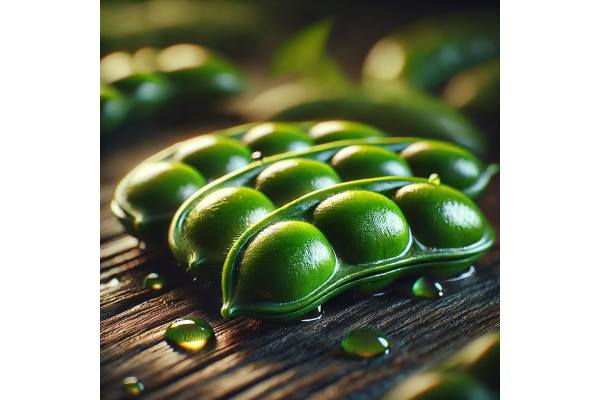
What they are. Stink beans (Parkia speciosa) are large, bright-green seeds nested in long, twisted pods that hang in chains. The seeds are firm and creamy when cooked, with a distinctive garlicky, truffle-like aroma from natural sulfur compounds (cyclic polysulfides). Because of this potent smell, petai is nicknamed “stink beans” in English—but in the pan, that aroma translates into depth and umami.
Where they are eaten. Petai is widely used in Malaysia, Indonesia, southern Thailand, Singapore, Brunei, and parts of Borneo. You will see it in sambal tumis with prawns, nasi goreng, southern Thai sataw pad kapi (stir-fried with chili paste and shrimp paste), and Indonesian rendang-like stews. The seeds can be eaten raw (briefly blanched at the market), lightly stir-fried, grilled in the pod, or simmered in coconut milk.
Why people seek them out. Compared with many vegetables, petai delivers more protein and energy per bite, plus fiber, potassium, magnesium, and phytochemicals. In traditional medicine, different parts of the plant—seeds, pods, bark—have been used for metabolic and antimicrobial purposes. Contemporary lab studies suggest antioxidant activity and effects on bacterial growth and glucose handling in cell and animal models. While these are not substitutes for medical care, they align with culinary uses: petai stands up to chilies, aromatics, and seafood, offering a satisfying, savory contrast.
Flavor and texture. Raw or lightly cooked seeds are crisp with a lingering allium-like sharpness; cooking softens the bite and rounds the flavor. Steaming and simmering mellow the odor more than dry-heat methods like grilling or pan-searing. The outer seed coat (testa) can be left on for chew or slipped off for a gentler texture.
Related foods and look-alikes. Petai belongs to the Parkia genus of tree legumes (not to be confused with soybeans or fava beans). Other species—such as P. biglobosa in West Africa—are used differently and do not necessarily share petai’s trademark aroma.
Culinary versatility. Petai performs like a cross between a vegetable and a legume: toss into stir-fries for crunch, add to curries for heft, or pair with tomatoes and lime for fresh salads. Small amounts go a long way: 50–75 g seeds can season a dish for two to three people, especially when combined with seafood or tofu.
Stink Beans Nutrition Profile
Reference form: Unless stated otherwise, values below refer to raw, shelled petai seeds per 100 g (edible portion). Ranges reflect differences among cultivars, growing conditions, and analytical methods. % Daily Value (%DV) is based on U.S. labeling for adults and children ≥4 years. Energy has no %DV.
Macros and Electrolytes (per 100 g)
| Nutrient | Amount | %DV |
|---|---|---|
| Energy | 170–240 kcal | — |
| Protein | 6.0–27.5 g | 12–55% |
| Total fat | 1.6–13.3 g | 2–17% |
| Saturated fat | ~0.3–3.0 g | 1–15% |
| Carbohydrate | 13.2–52.9 g | 5–19% |
| Dietary fiber | ~2.0–10.0 g | 7–36% |
| Total sugars | ~1–5 g | — |
| Sodium | ~5–20 mg | 0% |
| Potassium | ~200–600 mg | 4–13% |
Fats and Fatty Acids (per 100 g)
| Fatty Acid | Amount | %DV |
|---|---|---|
| Monounsaturated fat | variable (~0.5–4 g) | — |
| Polyunsaturated fat | variable (~0.5–6 g) | — |
| Omega-3 alpha-linolenic acid (ALA) | trace–~0.5 g | — |
| Cholesterol | 0 mg | 0% |
Protein and Amino Acids
| Item | Detail |
|---|---|
| Protein quality | Moderate for a vegetable; pair with grains, nuts, tofu, egg, or seafood for full amino acid coverage. |
| Notable amino acids | Lysine and leucine present in useful amounts; methionine relatively lower, as in many legumes. |
Vitamins (per 100 g)
| Vitamin | Amount | %DV |
|---|---|---|
| Vitamin C | ~8–40 mg | 9–44% |
| Thiamin (B1) | ~0.1–0.3 mg | 8–25% |
| Riboflavin (B2) | ~0.05–0.2 mg | 4–15% |
| Niacin (B3) | ~0.5–3.0 mg | 3–19% |
| Vitamin B6 | ~0.05–0.3 mg | 3–18% |
| Folate (DFE) | ~50–200 µg | 13–50% |
| Vitamin E (alpha-tocopherol) | ~0.2–1.0 mg | 1–7% |
| Vitamin A (RAE) | ~0–10 µg | 0–1% |
| Vitamin K | present in small amounts unless fermented condiments are used with it | — |
Minerals (per 100 g)
| Mineral | Amount | %DV |
|---|---|---|
| Calcium | ~30–120 mg | 2–9% |
| Iron | ~1–6 mg | 6–33% |
| Magnesium | ~40–190 mg | 10–45% |
| Phosphorus | ~80–300 mg | 6–24% |
| Zinc | ~0.5–6.9 mg | 5–63% |
| Copper | ~0.1–2.1 mg | 11–233% |
| Manganese | ~0.2–1.0 mg | 9–43% |
| Selenium | trace–~15 µg | 0–27% |
Carbohydrates
| Component | Amount | Notes |
|---|---|---|
| Starch | variable | Main digestible carbohydrate fraction. |
| Oligosaccharides (raffinose family) | present | Can contribute to gas; reduced by soaking, blanching, or fermenting. |
Bioactives and Phytonutrients
| Compound/Class | Typical Presence | Notes |
|---|---|---|
| Polyphenols (phenolic acids, flavonoids) | moderate–high | Contribute to antioxidant capacity. |
| Cyclic polysulfides (e.g., trithianes, tetrathianes) | characteristic | Drive aroma; show antibacterial activity in lab settings. |
| Phytosterols (β-sitosterol, stigmasterol) | present | Associated with lipid modulation in vitro/animal models. |
Anti-nutrients and Intolerance Markers
| Factor | Impact | Mitigation |
|---|---|---|
| Phytate | Reduces mineral absorption (iron, zinc) | Soak, sprout briefly, or pair with vitamin C–rich foods; cook thoroughly. |
| Oligosaccharides | Gas/bloating in some | Soak and discard soak water; blanch before stir-fry; start with small portions. |
| Heat-labile inhibitors | Interfere with protein digestion if very undercooked | Adequate cooking inactivates most inhibitors. |
Additives & fortification: Plain fresh or frozen seeds are unfortified. Prepared dishes (sambal pastes, fermented condiments) can add sodium and vitamin K (from certain ferments); check labels or recipes if you need to manage these.
Evidence-Based Health Benefits of Stink Beans
Antioxidant capacity from polyphenols. Petai seeds and pods contain phenolic acids and flavonoids that contribute to free-radical–scavenging activity in laboratory assays. While antioxidant assays do not translate directly into disease outcomes, they support petai’s role as a nutrient-dense plant food within a varied diet rich in vegetables, fruits, nuts, and legumes.
Antibacterial activity of sulfur compounds. The very molecules that make petai smell—cyclic polysulfides—have shown inhibitory effects against several gram-positive and gram-negative bacteria in vitro. Steaming and boiling reduce some of these compounds, although gentle steaming tends to preserve more than other cooking methods. In culinary terms, this means you can dial the aroma up or down depending on the method while retaining at least part of the bioactive profile.
Metabolic context and glucose dynamics. Animal and cell studies report hypoglycemic effects linked to phytosterols and other constituents. In everyday eating, petai’s protein, fiber, and low-to-moderate glycemic load may help blunt post-meal glucose spikes when it replaces refined starches and when meals include non-starchy vegetables and quality proteins. People who already eat balanced, minimally processed meals will see benefits in the context of the whole pattern, not from petai alone.
Potassium and blood pressure patterns. Petai contributes potassium—an electrolyte associated with blood-pressure regulation—alongside magnesium. As with other potassium-containing foods, the effect depends on your overall diet and medical context (especially kidney function and medications).
Satiety and nutrient density. Compared with watery vegetables, petai is more energy-dense and protein-rich per 100 g, which can improve satisfaction in mixed dishes. When added to fiber-rich stir-fries or legume-based curries, it can reduce reliance on fatty meats while maintaining flavor intensity.
Traditional use alignment. Across Southeast Asia, petai has been used in folk remedies for metabolic and urinary concerns. While modern evidence is preliminary, the overlap with what the plant offers—polyphenols, fiber, sulfur compounds—makes culinary use a reasonable way to explore its flavors and potential benefits without relying on concentrated extracts.
Who might benefit most?
- Plant-forward eaters seeking variety beyond common legumes.
- Cooks who enjoy bold flavors, using small amounts to deepen dishes.
- People aiming to replace refined starches with fiber-rich vegetables and legumes in stir-fries and curries.
What benefits are not proven? Claims about curing disease, rapid weight loss, or dramatic glucose control are not supported by high-quality human trials. Treat petai as a flavorful component of a balanced pattern, not a stand-alone therapy.
Stink Beans Risks, Allergies and Interactions
Allergy and sensitivity. Documented petai allergy is uncommon but possible, given that it is a legume seed. Symptoms can include oral itching, hives, or—in rare cases—more severe reactions. Anyone with known legume allergies should introduce petai cautiously under medical advice.
Digestive effects. Oligosaccharides may cause gas and bloating, especially when petai is eaten raw in large portions. Mitigation strategies include blanching or steaming, pairing with ginger or garlic (which aid palatability but not carbohydrate digestion), starting with small servings (30–50 g), and avoiding heavy, oily sauces at the same meal.
Odor after eating. Strong breath and urine odor are expected; they can persist for 12–24 hours. This is not harmful for most people. Steaming the seeds, removing the thin seed coat, and using acidic ingredients (lime, tamarind, tomato) in the dish can help moderate the aroma.
Kidney and electrolyte considerations. Because petai contains potassium, people with chronic kidney disease who are on potassium restrictions should account for petai within their renal diet. Good hydration is sensible for everyone, particularly if eating salty condiments with petai. Individuals with a history of calcium-oxalate stones should maintain hydration and a balanced intake of calcium at meals; petai itself is not a proven cause but fits within general stone-prevention guidance.
Medication interactions.
- Anticoagulation: Petai itself is modest in vitamin K; however, it’s often cooked with fermented condiments (certain pastes) that may contribute vitamin K. People on warfarin should keep overall vitamin K intake consistent.
- Hypoglycemic therapy: If you monitor blood glucose closely (e.g., on insulin or sulfonylureas), note how your usual portion of petai within the entire meal affects readings, just as you would with other legumes.
Food safety. Use fresh, undamaged pods; refrigerate promptly; and cook seeds through if you experience discomfort after raw portions. As with other legumes, adequate cooking reduces heat-labile anti-nutrients.
Pregnancy and lactation. Culinary amounts of cooked petai in balanced meals are generally regarded as acceptable; concentrated extracts are not recommended due to limited safety data. As always, follow your clinician’s advice for your context.
Selecting Stink Beans: Quality, Sustainability and Storage
How to choose.
- Pods: Look for firm, glossy, bright-green pods without dark, mushy spots. Pods should be heavy for their size; rattling suggests dried-out seeds.
- Seeds (shelled): Choose plump, evenly green seeds with smooth skins. Avoid seeds with cracks, browning, or sour odors.
- Fresh vs frozen: Frozen, shelled petai offers excellent quality and convenience; it’s often blanched before freezing, which softens the aroma and reduces prep time.
Quality cues. Fresh seeds should snap cleanly when halved, revealing a pale, crisp interior. The thin seed coat can be left on for texture or slipped off for a milder bite. A slightly tacky surface is normal; sliminess or fermentation-like odors are not.
Sustainability notes.
- Petai is a tree legume harvested from forest-edge and cultivated landscapes. Integrating tree legumes into diversified agroforestry supports shade, soil cover, and biodiversity compared with annual monocrops.
- Buying from producers who practice traceable, mixed-species agroforestry encourages resilient landscapes and local livelihoods.
- For imported petai, frozen options reduce spoilage and air-freight waste relative to small, frequent fresh shipments.
Storage guidance.
- Whole pods (fresh): Refrigerate unwashed in a breathable bag; use within 3–5 days.
- Shelled seeds (fresh): Refrigerate in a covered container and cook within 2–3 days.
- Cooked seeds: Refrigerate up to 3–4 days; freeze for 2–3 months in meal-size portions.
- Frozen seeds: Keep at –18°C; cook from frozen (add 1–2 minutes to blanch time).
Buying tips.
- If you’re new to petai, start with frozen shelled seeds; they’re easier to portion and milder in aroma.
- When shopping in Southeast Asian markets, ask whether pods are from the current season and whether they’ve been recently blanched (some vendors do a quick dip to set color and reduce bitterness).
Preparation, Cooking and Nutrient Retention for Stink Beans
Prep basics.
- Shelling: Split the long pod lengthwise; pop out the seeds. Trim away any dark tips.
- Rinse: Briefly rinse the seeds and pat dry. Removing the thin, papery seed coat yields a softer texture and less bite.
- Portion: Plan 50–100 g shelled seeds per adult as a flavor-forward vegetable.
Cooking methods that balance flavor and nutrients.
- Steaming (best balance): Steam 3–5 minutes until vivid green and just tender. This preserves more polyphenols than more aggressive heating and moderates odor. Toss into stir-fries at the end to finish.
- Quick stir-fry: After a 1–2 minute blanch, stir-fry with aromatics for 2–3 minutes to sear without overcooking.
- Boiling/blanching: Blanch 1–2 minutes in salted water to soften sharpness before saucing; prolonged boiling can leach water-soluble vitamins.
- Grilling/char-in-pod: Grill whole pods until blistered; shell and serve. Char brings smoky complexity but can reduce some heat-sensitive compounds.
- Microwaving: Convenient but tends to reduce total phenolics more than steaming; combine with shorter times and a covered dish to limit drying.
Retention tips (practical science):
- Keep heat short and moist when you want antioxidants: steam briefly or blanch then stir-fry quickly.
- Add acidic ingredients (lime, tamarind, tomato) after cooking to protect texture and color.
- For mineral bioavailability, pair petai with vitamin C–rich foods (citrus, pineapple, bell pepper) and adequate protein; soak briefly (2–3 minutes blanch) if you are sensitive to gas-forming oligosaccharides.
Safety and comfort.
- If raw market snacks bother your stomach, switch to lightly steamed or blanched seeds.
- Odor management: cook with fresh herbs (basil, mint), serve with citrus, and ventilate the kitchen.
- Food safety: refrigerate leftovers within 2 hours; reheat thoroughly.
Flavor frameworks that work.
- Sambal petai with shrimp: Stir-fry aromatics and chili paste; add shrimp; fold in blanched petai for the final 1–2 minutes.
- Coconut-milk curry: Simmer vegetables in coconut milk with lemongrass and galangal; add petai for the last 5 minutes.
- Lime-tomato salad: Combine lightly steamed petai with cherry tomatoes, red onion, lime, and fish sauce or soy sauce.
- Vegetarian satay-style: Skewer blanched petai with firm tofu; grill briefly; brush with peanut-lime sauce.
Portions, Comparisons and FAQs on Stink Beans
How much is a serving?
- A practical serving is 50–100 g shelled seeds (about ½–1 cup). This size delivers fiber and potassium without overwhelming the dish. In mixed meals, most people enjoy petai 1–3 times per week, though frequent consumers in Southeast Asia may eat it more often based on preference and tolerance.
How does petai compare with other legumes or vegetables?
- Versus green peas or edamame: Petai is typically stronger in flavor and often higher in energy per 100 g, with more pronounced sulfur notes and a firmer bite. Edamame offers more complete protein; petai contributes distinctive phytonutrients and culinary intensity.
- Versus garlic or onion: Petai’s sulfur signature is comparable in immediacy but chemically different; it behaves more like a vegetable/legume than a seasoning.
- Versus common vegetables: Petai brings higher protein and mineral density than most leafy or watery vegetables, which is useful in plant-heavy meals.
Can petai help with blood sugar?
- In whole-meal contexts, swapping refined starches for petai in vegetable-rich dishes can reduce glycemic impact. This is an eating-pattern effect; people with diabetes should monitor their own responses and work with their care team.
Will the smell linger?
- Yes—on the breath and in urine for up to a day. Steaming, shorter cooking times, and serving with citrus and herbs reduce intensity. Good hydration helps dilute urinary odor.
Is raw petai safe?
- Small raw portions are commonly eaten locally, but raw seeds are harder to digest for some. If you’re new to petai, lightly steam first to improve tolerance while preserving color and crunch.
Who should be more cautious?
- Individuals with potassium-restricted diets (e.g., advanced kidney disease) and those on warfarin who eat vitamin K–rich ferments with petai should coordinate intake with clinicians. Anyone with known legume allergies should consider supervised introduction or avoidance.
Budget and availability tips.
- Frozen shelled petai is often more affordable and wastes less. Because a little goes far, a 250–300 g bag can flavor 4–6 dishes.
References
- Effect of Boiling, Steaming and Microwaving on the Antioxidant and Antibacterial Properties of Parkia speciosa Seeds 2025 (Research)
- Phytochemical Contents and Pharmacological Potential of Parkia speciosa Hassk. for Diabetic Vasculopathy: A Review 2022 (Systematic Review)
- Genus Parkia: Phytochemical, Medicinal Uses, and Pharmacological Properties 2021 (Review)
- Parkia speciosa Hassk.: A Potential Phytomedicine 2013 (Review)
Disclaimer
This article provides general nutrition and culinary information and is not a substitute for personalized medical advice, diagnosis, or treatment. If you have a medical condition, take prescription medications (especially anticoagulants or potassium-altering drugs), are pregnant or breastfeeding, or have food allergies, consult your qualified health professional before making dietary changes or trying new foods like stink beans. If you experience symptoms of an allergic reaction after eating petai, seek urgent care.
If you found this guide useful, please consider sharing it on Facebook, X (formerly Twitter), or any platform you prefer. Your support helps us continue producing careful, evidence-informed food guides.