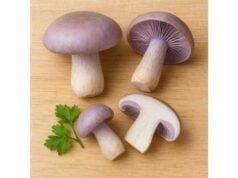
Straw mushrooms (Volvariella volvacea) are delicate, mild, and quick-cooking mushrooms prized across Southeast Asia for their velvety texture and subtle, nutty-sweet flavor. Fresh they’re pearly and egg-shaped; canned versions are more common in Western markets and add gentle savor to stir-fries, soups, and curries. Beyond taste, straw mushrooms are naturally low in calories yet provide meaningful protein for a vegetable food, plus fiber and minerals such as iron and phosphorus. As tropical mushrooms, they’re unusually sensitive to cold—an important storage detail that preserves quality and reduces waste. Emerging laboratory research also explores their polysaccharides and antioxidants, while practical kitchen techniques help retain nutrients during cooking. This guide brings together clear, people-first advice: how straw mushrooms can fit into everyday meals, what nutrition they offer per 100 g, who should take care with allergies or sodium from canned products, and how to shop, store, and cook them for the best flavor and value.
Fast Facts
- A 100 g portion provides about 32 kcal, ~3.8 g protein, ~2.5 g fiber, and very little fat.
- Potential benefit: adds low-calorie bulk and plant protein to meals; contains mushroom polysaccharides with antioxidant activity.
- Safety note: canned versions can be high in sodium; rinse before use and drain well.
- Typical serving: 75–100 g cooked (or ½–1 cup canned, drained), 2–4 times per week as part of varied meals.
- Limit or avoid: anyone with known mushroom or mold allergy; consult a clinician if you have a history of fungal cross-reactivity.
Table of Contents
- Detailed Overview
- Nutrition Profile
- Evidence-Based Health Benefits
- Risks, Allergies and Interactions
- Selecting, Quality, Sustainability and Storage
- Preparation, Cooking and Nutrient Retention
- Portions, Comparisons and FAQs
Detailed Overview
Straw mushrooms (Volvariella volvacea) grow naturally in warm, humid climates and are widely cultivated on pasteurized paddy straw, cotton waste, or similar agricultural by-products—hence the name. They’re harvested at several stages, most famously the “egg” stage when the cap is still enclosed in a thin veil, yielding a tender bite that holds up beautifully to quick, high-heat cooking. In markets outside Asia, straw mushrooms are often sold canned and whole (egg-stage) or sliced. The flavor is mild and clean rather than aggressively “mushroomy,” so they take well to aromatics like garlic, ginger, scallion, and lemongrass, and to sauces with soy, fish sauce, or coconut milk.
Nutritionally, straw mushrooms are notable for being low in energy and fat, while offering useful protein for a vegetable, dietary fiber, and minerals like iron and phosphorus. Like other edible mushrooms, they’re composed largely of water and contain structural polysaccharides (such as beta-glucans) and small amounts of ergothioneine, an antioxidant amino-acid derivative found broadly across culinary mushrooms. The canned product may carry substantial sodium from brine; rinsing under water for 10–15 seconds and draining can lower sodium before cooking.
From a practical perspective, fresh straw mushrooms are more perishable than temperate mushrooms such as button or cremini. They do not tolerate standard refrigerator temperatures well and are best held closer to 14–15 °C when fresh—an unusual storage requirement that explains why supply chains often favor canning or rapid consumption near the point of harvest. In the kitchen, their small, uniform size makes them ideal for quick wok or skillet applications, and their texture lends itself to meat-stretching strategies in dumplings, mapo tofu, or minced stir-fries.
Culinarily versatile, modestly nutritious, and quick to prepare, straw mushrooms are an easy way to add volume, texture, and subtle umami to weekday meals while keeping calories low and satisfaction high.
Nutrition Profile
Scope and format. The following values reflect canned, drained straw mushrooms per 100 g, with % Daily Value based on adult DVs used on U.S. nutrition labels. Amounts are rounded to practical precision for home use.
Macros and electrolytes (per 100 g)
| Nutrient | Amount | %DV |
|---|---|---|
| Energy | 32 kcal | — |
| Protein | 3.85 g | 8% (50 g DV) |
| Total fat | 0.66 g | 1% (78 g DV) |
| Saturated fat | 0.16 g | 1% (20 g DV) |
| Carbohydrate | 4.62 g | 2% (275 g DV) |
| Dietary fiber | 2.53 g | 9% (28 g DV) |
| Total sugars | — | — |
| Sodium | ~384 mg | 17% (2,300 mg DV) |
| Potassium | ~78 mg | 2% (4,700 mg DV) |
| Water | ~90 g | — |
Minerals (per 100 g)
| Mineral | Amount | %DV |
|---|---|---|
| Iron | ~1.43 mg | 8% (18 mg DV) |
| Phosphorus | ~61 mg | 5% (1,250 mg DV) |
| Calcium | ~10 mg | 1% (1,300 mg DV) |
Notes: Values are scaled from commonly available canned-product nutrient data. Rinsing and draining before use can lower sodium. Fresh, unprocessed straw mushrooms may differ in electrolytes and moisture.
Carbohydrates
- Very low available carbohydrate per 100 g (≈2 g net after fiber).
- Glycemic load is expected to be minimal at typical serving sizes.
Protein and amino acids
- ~3.8 g protein per 100 g, comparable to many other cultivated mushrooms.
- Complements grains or legumes to improve overall amino acid balance in a meal.
Fats and fatty acids
- Naturally very low in total fat and saturated fat.
Bioactives/phytonutrients
- Contains mushroom polysaccharides (e.g., beta-glucans) and low levels of ergothioneine.
- Canned processing does not eliminate polysaccharides, though blanching and brining can alter some soluble compounds.
Contaminants/residues
- Main consideration is sodium from brine. Commercial canning adheres to food-safety standards; discard dented, bulging, or leaking cans.
Allergens and intolerance markers
- Not a top-eight allergen, but cross-reactivity with other fungi is possible in sensitized individuals (see safety section).
Fortification and additives
- Plain canned straw mushrooms are typically unfortified; flavored products may include salt, spices, or preservatives—check labels.
Quick tip: lower the sodium. Rinse canned mushrooms in a colander under cool water for ~10–15 seconds and drain thoroughly; then finish with low-sodium stock or fresh aromatics for flavor.
Evidence-Based Health Benefits
Weight-smart volume and satiety. With about 32 kcal per 100 g and notable fiber and water, straw mushrooms add satisfying bulk to meals without driving up calories. Swapping half the meat in a stir-fry or filling with chopped mushrooms keeps portions generous while moderating saturated fat.
Plant protein support. At roughly 3.8 g protein per 100 g, straw mushrooms offer a useful bump to plant-forward meals. Paired with tofu, edamame, or whole grains, they contribute to a complete amino acid profile across the plate.
Mineral contributions for varied diets. Iron and phosphorus appear in modest amounts, helpful where overall diet quality is high but meat intake is low. For vegetarians, using straw mushrooms alongside vitamin C-rich vegetables (bell pepper, broccoli) can support non-heme iron absorption at the meal level.
Functional polysaccharides under study. Like many cultivated mushrooms, straw mushrooms contain complex polysaccharides such as beta-glucans that are being studied in vitro and in animal models for antioxidant and immune-modulating properties. These laboratory findings do not substitute for clinical recommendations, but they help explain why mushrooms feature in diverse traditional cuisines and modern research agendas.
Culinary replacement for sodium-heavy ingredients. Their gentle umami allows cooks to reduce added salt or high-sodium sauces in certain recipes. Combining sautéed straw mushrooms with aromatics and a splash of rice vinegar or citrus brightens flavor without relying on soy sauce alone.
Digestive comfort for many. The fiber profile (including insoluble chitin and soluble fractions) can support regularity when introduced gradually and cooked well, especially in mixed meals that include fluids and other fibers.
Practical benefit: fast, uniform cooking. Uniform “egg” or quartered pieces cook evenly in 3–5 minutes, easing weeknight prep and minimizing overcooking that could degrade texture and some heat-sensitive nutrients.
Bottom line. Straw mushrooms deliver light calories, moderate protein for a vegetable, and culinary umami that can help rebalance plates toward plants. Functional compounds are promising in research settings, but everyday benefits mainly come from displacing higher-calorie or sodium-heavy ingredients while adding fiber and texture.
Risks, Allergies and Interactions
Allergy and cross-reactivity. People sensitized to molds or other fungi may experience cross-reactive responses to edible mushrooms, including oral itching, hives, or gastrointestinal symptoms. Anyone with a known mushroom or mold allergy should avoid straw mushrooms unless cleared by an allergist. New or unusual symptoms after eating mushrooms warrant medical advice.
Sodium considerations with canned products. Canned, drained straw mushrooms can contain ~380 mg sodium per 100 g. For those monitoring blood pressure or on sodium-restricted diets, rinsing and choosing low-sodium brands can meaningfully reduce intake. Fresh mushrooms, when available, are naturally low in sodium.
Digestive tolerance. Mushrooms contain chitin and other fibers that can cause bloating in some people if eaten in large amounts or undercooked. Finely slicing and thorough sautéing improve tolerance. Introduce larger portions gradually if you’re sensitive to high-fiber foods.
Food safety. As with any canned product, discard dented, bulging, or leaking cans. Refrigerate unused portions promptly in a clean container and use within 3–4 days. For fresh mushrooms, rapid spoilage is a risk; see storage guidance below.
Medication interactions. No specific, clinically established drug interactions are associated with straw mushrooms. If you’re on immunosuppressive therapy or have a history of severe food allergies, discuss new foods with your clinician.
Purines and gout. Mushrooms contain purines, though typically less than organ meats. If you manage gout or hyperuricemia, follow personalized guidance from your clinician; moderate portions of mushrooms can often fit into balanced eating plans.
Wild foraging caution. Straw mushrooms resemble some inedible or toxic wild species in shape and color. Consume only commercially cultivated or confidently identified mushrooms from trusted sources.
Selecting, Quality, Sustainability and Storage
Buying canned. Choose cans without dents or bulges. Whole, “egg-stage” mushrooms deliver the best texture in quick sautés; sliced versions are convenient for soups and braises. Scan the ingredient list: ideally just mushrooms, water, and salt. “Low-sodium” labels help if you’re watching salt.
Buying fresh (where available). Look for closed, intact “eggs” with a smooth, pale exterior and no sliminess or strong odors. Because fresh straw mushrooms are highly perishable, buy close to when you plan to cook them.
Sustainability snapshot. Straw mushrooms are commonly grown on agricultural residues like paddy straw or cotton waste, valorizing by-products and reducing landfill pressure. Local production near tropical urban centers shortens supply chains, though refrigerated transport is tricky because these mushrooms prefer milder storage temperatures than most produce.
How to store canned. Keep unopened cans in a cool cupboard. After opening, transfer leftovers with their liquid (or clean water if rinsed) to a covered container and refrigerate; use within 3–4 days.
How to store fresh. Unlike button or oyster mushrooms, straw mushrooms do poorly at standard refrigerator temperatures. Fresh quality holds best around 14–15 °C with high humidity and gentle airflow. If you must refrigerate, use the warmest part of the fridge, minimize time, and cook within 24 hours. Avoid crushing; a shallow, breathable container lined with a paper towel works better than sealed plastic.
Shelf-life expectations. Fresh straw mushrooms last 1–2 days at room temperature and only a bit longer under sub-refrigeration conditions near 14–15 °C. Browning, veil opening, and softening indicate rapid senescence—plan meals accordingly. Canned products remain shelf-stable for months; check best-by dates.
Waste-cutting tips.
- Buy smaller cans if cooking for one or two.
- Rinse and freeze leftover canned mushrooms for quick broths and sautés (expect softer texture after thawing).
- For fresh, cook promptly; even a light pre-sauté with oil, ginger, and a splash of soy can buy you an extra day in the fridge for later reheat.
Preparation, Cooking and Nutrient Retention
Prep basics. If canned, drain (and rinse to reduce sodium) before use. If fresh, trim any discolored base and brush away substrate—avoid soaking, which can dilute flavor and speed spoilage. Halve or quarter larger “eggs” for even cooking.
Heat methods and results.
- Stir-fry or sauté (3–5 minutes): Best for canned or fresh; preserves bite and concentrates flavor. Add near the end to avoid over-softening.
- Simmer in soups (5–10 minutes): Maintains shape; use lower-sodium broths if starting from canned mushrooms.
- Roast (10–12 minutes at high heat): Works with drained canned mushrooms; pat dry first for better browning.
- Steam (3–6 minutes): Gentle texture; minimal added fat.
Flavor building. Aromatics (garlic, ginger, scallion), dry spices (white pepper), and umami partners (toasted sesame oil, a splash of soy or fish sauce) are classic. For plant-forward meals, combine with tofu, snap peas, baby corn, or bell pepper; finish with citrus or rice vinegar to brighten.
Retaining nutrients. Because straw mushrooms are low in labile vitamins to begin with, the main nutritional priorities are retaining minerals and fiber while limiting added sodium and fat. Quick, covered cooking with minimal water preserves soluble minerals. Rinsing canned mushrooms reduces sodium; season late and taste before adding salt. Avoid long boiling, which can leach minerals and soften texture excessively. If you need a broth, keep the cooking liquid in the dish rather than discarding it.
Everyday applications.
- Weeknight stir-fry: Garlic-ginger base; add mushrooms and thin-sliced chicken or tofu; finish with light soy and a squeeze of lime.
- Tom kha–style soup: Simmer mushrooms with lemongrass and galangal; add coconut milk and lime leaf; finish with lime juice and herbs.
- Vegetable mapo: Swap half the minced meat for finely chopped mushrooms; simmer in a chili-bean sauce; serve over rice.
- Egg foo young or omelet: Fold in sliced straw mushrooms and scallions; top with a low-sodium gravy.
Kitchen safety. Heat mushrooms to steaming hot throughout. Reheat leftovers to a simmer and consume within 48 hours for best quality.
Portions, Comparisons and FAQs
Reasonable portion. For most adults, 75–100 g cooked (about ½–1 cup canned, drained) is a practical serving, offering ~3–4 g protein and ~2–3 g fiber with minimal fat. Enjoy 2–4 times per week in varied meals if you like the taste and tolerate mushrooms well.
How they compare to other mushrooms (per 100 g, canned or cooked):
- Straw vs button: Similar calories and protein; straw mushrooms tend to be softer and milder.
- Straw vs shiitake: Shiitake have deeper umami and more chew; straw mushrooms are gentler and quicker-cooking.
- Straw vs oyster: Both are delicate; oyster mushrooms may offer a bit more potassium when fresh, while canned straw mushrooms may carry more sodium from brine.
Who benefits most.
- Calorie-conscious cooks: Add bulk without many calories.
- Flexitarians: Replace part of the meat with chopped mushrooms to improve the calorie-to-protein ratio of mixed dishes.
- Busy households: Canned versions are shelf-stable and ready in minutes.
Frequently asked questions
Are canned straw mushrooms nutritious? Yes. They’re low in calories and provide protein and fiber, with modest minerals. Sodium is the main caveat; rinsing helps.
Do straw mushrooms taste the same as button mushrooms? They’re milder and slightly sweeter, with a tender, less “earthy” profile—great for light broths and fast stir-fries.
Can I eat them raw? They’re best fully cooked for flavor, texture, and digestibility. Cooking also reduces potential microbial risks.
How long do fresh straw mushrooms last? Fresh quality declines within 1–2 days at room temperature and only slightly longer even under careful, cool (but not cold) storage. Plan to cook them promptly.
Are they suitable for vegetarian and vegan diets? Absolutely—just check labels for any flavorings in canned products.
Any simple way to lower sodium when using canned? Rinse under cool water for 10–15 seconds, drain well, and build flavor with aromatics, acid, and herbs rather than extra salt.
References
- FoodData Central 2021 (Database)
- Nutrition Facts for Canned Straw Mushrooms 2024 (Database)
- Volvariella volvacea (paddy straw mushroom) 2024 (Review)
- Fresh Mushroom Preservation Techniques 2021 (Review)
- Comparative Proteomics Study on the Postharvest Senescence of Volvariella volvacea 2022 (Research)
- Recent Advances in the Allergic Cross-Reactivity between Fungi and Foods 2022 (Review)
Disclaimer
The information in this article is for general education and is not a substitute for personalized medical advice, diagnosis, or treatment. Always seek the guidance of a qualified healthcare professional with questions about your diet, allergies, medications, or any health condition.
If you found this helpful, please consider sharing it on your favorite platform to support our work. Your thoughtful shares help us keep creating practical, evidence-based guides. Thank you.