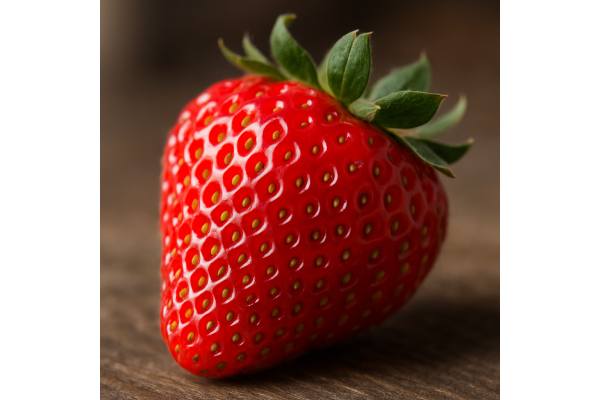
Strawberries bring bright flavor, balanced sweetness, and a surprising amount of nutrition for very few calories. A 100-gram serving (about ¾ cup, sliced) provides roughly 32 kcal, vitamin C in abundance, small amounts of folate and manganese, plus water and fiber that help you feel satisfied. Their vivid red color signals anthocyanins—bioactive compounds linked to heart and metabolic health. In the kitchen, strawberries are versatile: eat them fresh, freeze them, roast them to intensify flavor, or blend into smoothies, salsas, and vinaigrettes. They pair well with yogurt, oats, leafy greens, soft cheeses, balsamic vinegar, and dark chocolate. Practical, too: they’re quick to rinse, easy to portion, and kid-friendly. This guide explains what makes strawberries good for you, how their nutrients stack up, the best ways to buy and store them, and how to prepare them to preserve flavor and vitamins—along with safety notes for allergies and blood sugar. Whether you’re meal-prepping or planning desserts, strawberries can fit nearly any pattern, from Mediterranean to plant-forward and lower-carb styles.
Nutrition Snapshot
- One 100 g serving supplies ~58.8 mg vitamin C (about two-thirds of daily value) and 2 g fiber.
- Typical portion: 1 cup sliced (166 g) 3–5 times weekly fits most balanced eating patterns.
- Safety: raw strawberries can trigger oral allergy symptoms in pollen-sensitive individuals; cook if needed.
- Those with prediabetes may benefit from pairing strawberries with protein or yogurt to moderate glucose response.
Table of Contents
- Strawberry overview
- Nutrition profile (per 100 g)
- Evidence-based health benefits
- Risks, allergies and interactions
- Selecting, quality, sustainability and storage
- Preparation, cooking and nutrient retention
- Portions, comparisons and FAQs
Strawberry overview
Strawberries (Fragaria × ananassa) are aggregate fruits—each “seed” on the surface is actually a tiny fruit called an achene. Modern strawberries are hybrids bred for sweetness, aroma, and firmness. Common types include June-bearing (short, intense harvest), everbearing (two to three crops), and day-neutral (fruit continuously in favorable temperatures). Varieties like Albion, Seascape, Camarosa, and Mara des Bois differ in firmness, perfume, and sweetness; markets may list origin rather than cultivar, but local farm stands often highlight the variety.
From a nutrition standpoint, strawberries are mostly water with modest natural sugars and a good fiber-to-sugar balance. They stand out for vitamin C, manganese, folate, potassium, and a spectrum of polyphenols—especially anthocyanins such as pelargonidin-3-glucoside, which gives the fruit its scarlet hue. Because they are delicate climacteric-like fruits (they don’t truly ripen off the plant), flavor depends heavily on harvest maturity and post-harvest handling. Refrigeration slows softening and aroma loss, but long storage dulls flavor.
Culinary range is broad. Fresh berries brighten salads, yogurt bowls, and grain dishes. Light roasting concentrates sugars and juices for desserts or savory sauces. Strawberries purée smoothly for coulis, popsicles, and overnight oats; they also freeze well when hulled and spread in a single layer before bagging. For savory pairings, try strawberries with basil, black pepper, balsamic, feta, or goat cheese. In beverages, they lend body to smoothies without the heavier glycemic load of many tropical fruits.
Strawberries fit many dietary patterns: Mediterranean (with nuts and olive oil), DASH (paired with yogurt), plant-forward (with legumes and whole grains), and lower-calorie plans due to their high water content. For athletes, they contribute hydration, quick carbs, and vitamin C, which supports collagen synthesis—a factor in tendon and ligament health. For families, their snack-ready format and naturally small size make portion control easy.
Nutrition profile (per 100 g)
The values below reflect raw strawberries, edible portion. Percent Daily Values (%DV) use standard adult DVs.
Macros and electrolytes (per 100 g)
| Nutrient | Amount | %DV |
|---|---|---|
| Energy | 32 kcal | — |
| Water | 91 g | — |
| Protein | 0.67 g | 1% |
| Total fat | 0.3 g | 0% |
| Carbohydrate | 7.7 g | 3% |
| Dietary fiber | 2.0 g | 7% |
| Total sugars | 4.9 g | — |
| Sodium | 1 mg | 0% |
| Potassium | 153 mg | 3% |
Vitamins (per 100 g)
| Vitamin | Amount | %DV |
|---|---|---|
| Vitamin C | 58.8 mg | 65% |
| Folate (B9) | 24 µg | 6% |
| Vitamin B6 | 0.05 mg | 3% |
| Niacin (B3) | 0.39 mg | 2% |
| Pantothenic acid (B5) | 0.13 mg | 3% |
| Thiamin (B1) | 0.02 mg | 2% |
| Riboflavin (B2) | 0.02 mg | 2% |
| Vitamin A (RAE) | 1 µg | 0% |
| Vitamin E | 0.29 mg | 2% |
| Vitamin K | 2.2 µg | 2% |
| Choline | 5.7 mg | 1% |
Minerals (per 100 g)
| Mineral | Amount | %DV |
|---|---|---|
| Manganese | 0.39 mg | 17% |
| Calcium | 16 mg | 1% |
| Iron | 0.41 mg | 2% |
| Magnesium | 13 mg | 3% |
| Phosphorus | 24 mg | 2% |
| Zinc | 0.14 mg | 1% |
| Selenium | 0.4 µg | 1% |
Carbohydrate detail (per 100 g)
| Component | Amount |
|---|---|
| Starch | ~0.04 g |
| Glucose | ~2.0 g |
| Fructose | ~2.4 g |
| Sucrose | ~0.47 g |
Fats and fatty acids (per 100 g)
| Component | Amount |
|---|---|
| Saturated fat | 0.02 g |
| Monounsaturated fat | 0.043 g |
| Polyunsaturated fat | 0.155 g |
| Omega-3 (ALA) | ~0.065 g |
| Omega-6 (linoleic) | ~0.09 g |
| Cholesterol | 0 mg |
Bioactives / phytonutrients
- Anthocyanins (notably pelargonidin glycosides); total polyphenol content varies by variety and ripeness.
- Ellagitannins and ellagic acid derivatives.
- Minor carotenoids (lutein/zeaxanthin) in the seeds and flesh.
Glycemic metrics
| Metric | Typical Value | Notes |
|---|---|---|
| Glycemic Index (GI) | ~38–40 | Low GI; variety and ripeness affect value. |
| Glycemic Load (GL) per 100 g | ~3 | Low GL based on ~7.7 g available carbs. |
Footnote: Values reflect raw, unfortified fruit. Trace amounts and ranges vary by cultivar, season, and growing conditions.
Evidence-based health benefits
Cardiometabolic support. Controlled human trials show that daily strawberry intake can improve markers tied to insulin resistance and blood lipids in at-risk adults. In people with prediabetes, a daily strawberry dose for several weeks improved insulin resistance and related cardiometabolic factors. Other randomized trials using freeze-dried strawberry powder have reported favorable changes in LDL particle profiles and oxidized LDL—mechanisms relevant to atherosclerosis. These effects are modest on their own but clinically meaningful when combined with diet and activity.
Post-meal glucose moderation. Strawberries have a low glycemic index and a low glycemic load per typical serving. When eaten with carbohydrate-rich meals (e.g., oats, cereal, or toast), they can contribute sweetness and volume with fewer available carbs than many fruits. Polyphenols, especially anthocyanins and ellagitannins, may slow carbohydrate digestion and reduce oxidative stress after meals, supporting healthier post-prandial responses.
Vascular function and inflammation. Polyphenols in strawberries can influence endothelial function, nitric oxide availability, and inflammatory signaling. Trial data show reductions in oxidized LDL and trends toward improved HDL functionality, suggesting better vascular resilience. Antioxidant capacity measured in serum often increases after strawberry interventions, consistent with their polyphenol content.
Skin and connective tissues. With about two-thirds of the daily vitamin C per 100 g, strawberries help meet needs for collagen formation. Vitamin C supports wound healing and maintenance of gums, skin, and cartilage. While vitamin C is widely available across foods, strawberries offer a flavorful way to cover a significant portion of daily intake.
Weight-management friendly. At ~32 kcal per 100 g, strawberries deliver fiber and volume with minimal calories. This combination can improve satiety for snacks and desserts. Swapping sugary toppings for sliced strawberries reduces added sugars while maintaining a sense of indulgence.
Digestive comfort for many. The fiber profile includes both soluble and insoluble fractions. Gentle preparation (e.g., slicing, macerating with citrus) can make them easy to digest for most people. For those who experience bloating with higher-FODMAP fruits, strawberries are typically well-tolerated in standard portions.
Practical performance nutrition. For athletes, strawberries provide quick hydration, electrolytes like potassium, and vitamin C that supports collagen turnover. As part of a recovery snack—such as Greek yogurt with strawberries and nuts—they fit well within balanced macros after training.
How much makes sense? Research protocols often use 2–2.5 servings daily (fresh equivalent), but benefits appear on a spectrum. For everyday eating, 1 cup sliced (about 166 g) several days a week is a realistic, budget-friendly target that contributes meaningful polyphenols and vitamins.
Risks, allergies and interactions
Allergy considerations. Some people with pollen sensitivities experience oral allergy syndrome (also called pollen-food allergy syndrome) when eating raw strawberries. Typical symptoms include mouth or throat itching shortly after ingestion and usually resolve quickly. Cooking or baking denatures many of the proteins involved and may improve tolerance. Anyone with a history of severe reactions should seek medical advice before reintroducing strawberries, even cooked.
Histamine and sensitivity. Strawberries can provoke histamine release in susceptible individuals. If you follow a low-histamine plan, introduce small amounts and monitor symptoms, or choose well-cooked preparations.
Kidney and oxalate. Strawberries contain moderate oxalates compared with spinach or rhubarb. People with a history of calcium-oxalate kidney stones should keep portions moderate and pair strawberries with calcium-containing foods (e.g., yogurt), which can bind oxalate in the gut.
Blood sugar. Fresh strawberries have a low glycemic load in typical portions. Still, very large servings or heavily sweetened preparations (syrups, jams, sugary smoothies) can raise blood glucose. Pairing strawberries with protein or yogurt and choosing whole fruit over juice supports steadier responses.
Medication interactions. Strawberries are naturally low in vitamin K, so they are unlikely to significantly affect vitamin K–sensitive medications at usual intakes. As with all high-fiber foods, sudden large increases in total fiber may alter absorption of certain medications; spacing doses from high-fiber meals by a couple of hours is a prudent general practice.
Food safety. Wash strawberries under cool running water just before eating. Avoid soaps or detergents. Dry on clean towels and refrigerate promptly. Discard bruised or moldy berries, and keep cut fruit in the refrigerator in covered containers. These simple steps reduce risk from microbes introduced during handling.
Selecting, quality, sustainability and storage
At the store or market
- Appearance: Look for uniformly red berries with fresh green caps (calyx) attached. Pale shoulders or white tips suggest they were picked underripe and may taste tart.
- Aroma: Ripe strawberries are fragrant; lack of aroma often means lower flavor.
- Texture: Choose firm, plump berries with dry surfaces. Avoid those that are mushy, leaking juice, or crushed.
- Package check: Turn clamshells over to look for bruising or hidden mold. A few soft berries can spoil the rest quickly.
Season and sourcing
- Peak flavor: Local, in-season berries are often sweeter and more aromatic because they can be picked closer to full ripeness.
- Frozen option: IQF (individually quick frozen) strawberries are harvested ripe and flash-frozen, preserving nutrients and reducing waste. They are excellent for smoothies, sauces, and baking.
- Sustainability notes: Strawberries are delicate and water-intensive to grow. Reducing waste—by buying amounts you’ll use within a few days, freezing extras, and storing properly—has the biggest environmental payoff for most households.
Storage
- Short term (2–3 days): Keep unwashed strawberries refrigerated in a breathable container. Lining with a paper towel helps absorb moisture.
- Longer (up to a week): For high-humidity refrigerators, store berries in their original vented clamshell or a container with the lid slightly ajar to prevent condensation.
- Freezing: Hull and lay berries in a single layer on a tray until solid, then transfer to freezer bags. Label with date; best quality for ~8–12 months.
- Flavor rescue: If berries are slightly underripe, macerate with lemon juice and a small amount of sugar or honey; roasting also concentrates flavor.
Quality troubleshooting
- Watery berries: Roast at 200–220°C (390–430°F) for 15–25 minutes to intensify sweetness.
- Sour notes: Balance with dairy (yogurt, ricotta) or a touch of balsamic reduction.
- Texture issues: For softer fruit, make compote, coulis, chia jam, or cook into oatmeal.
Preparation, cooking and nutrient retention
Rinse right before eating. Washing ahead of time invites mold. When ready to use, rinse under cool running water, then dry gently. For salads, pat dry thoroughly to prevent sogginess.
Hull with care. Removing only the white core (hull) preserves surrounding flesh. A small paring knife or a dedicated huller minimizes waste.
Cut size to purpose. Halves or thick slices hold shape in salads; thin slices release juice for shortcakes; quartered berries soften quickly in compotes and porridge. Smaller pieces increase surface area, enhancing flavor perception but also speeding vitamin C loss once cut.
Heat and nutrients. Vitamin C is heat-sensitive and water-soluble. To retain it:
- Prefer quick heat methods (brief sauté, rapid roast) over long simmering.
- Add berries near the end of cooking for hot cereals or sauces.
- Use minimal water and avoid prolonged boiling.
Best uses for each form
- Fresh: Snacks, salads, yogurt bowls, salsas.
- Frozen: Smoothies, compotes, baking, overnight oats.
- Roasted: Topping for pancakes, ice cream, ricotta toast; deglaze with balsamic for savory sauces.
- Purée: Popsicles, coulis for cheesecake or panna cotta, vinaigrettes (blend with olive oil and vinegar).
Pairings that protect nutrients and steady glucose
- Protein and dairy: Greek yogurt or cottage cheese adds protein and calcium; pairing may blunt rapid glucose rise.
- Whole grains and seeds: Oats, chia, and flax provide soluble fiber, creating a thicker matrix that slows carbohydrate absorption.
- Citrus and herbs: Lemon/lime brightens flavor; basil and mint complement aroma without added sugar.
Minimal-sugar ideas
- Mash strawberries with chia seeds for a quick, lightly sweet “jam.”
- Marinate sliced berries with orange zest and a drop of vanilla; serve over skyr or ricotta.
- Blend frozen strawberries with a splash of kefir for a two-ingredient smoothie.
Food safety essentials
- Keep cold: store cut strawberries at ≤4°C (≤40°F).
- Clean boards and knives after hulling; strawberries are often eaten raw.
- When picnicking, keep chilled dishes in insulated bags with ice packs.
Portions, comparisons and FAQs
Practical portions
- Everyday serving: 1 cup sliced (~166 g).
- Fresh equivalent in trials: roughly 2–2.5 servings per day were used in some studies; for daily life, aim for variety across fruits.
- Children: ½ cup for young children is a sensible start, adjusting for appetite and age.
How do strawberries compare with other fruits?
- Versus bananas: Strawberries have fewer calories and carbs per 100 g, more vitamin C, and a lower glycemic load; bananas provide more potassium and vitamin B6.
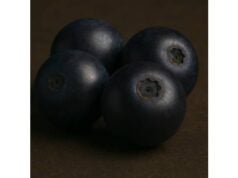
- Versus blueberries: Both are rich in polyphenols. Strawberries typically have slightly lower total sugar and more vitamin C; blueberries offer more vitamin K and different anthocyanins (delphinidins, malvidins).
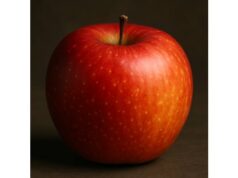
- Versus apples: Strawberries supply more vitamin C and less fiber per 100 g; apples are sturdier for storage and snacking.
Are organic berries more nutritious? Nutrient differences are small compared with the impact of ripeness and variety. Choose the freshest berries you can access and afford. Wash all berries thoroughly.
Can people with prediabetes eat strawberries? Yes, in moderate portions. Their low GL and fiber help; pairing with protein (yogurt, nuts) and choosing whole berries over juice further supports glucose control.
Do frozen strawberries lose nutrients? Freezing shortly after harvest preserves vitamin C and polyphenols well. Thaw gently in the refrigerator or use frozen in smoothies and cooked dishes.
What about juices and jams? Juicing removes fiber and concentrates sugars; jams usually add sugar. For a lighter spread, make a quick chia strawberry jam with minimal sweetener.
Shelf life tips
- Buy close to when you’ll use them.
- Store unwashed; rinse just before serving.
- Freeze extras to prevent waste.
Budget ideas
- Buy in peak season and freeze.
- Use frozen berries year-round for smoothies and baking.
- Combine smaller amounts of fresh berries with more budget-friendly fruits (apples, bananas) in salads to stretch flavor.
References
- Nutrition Calculation For Strawberries 2025.
- Strawberries Improve Insulin Resistance and Related Cardiometabolic Markers in Adults with Prediabetes: A Randomized Controlled Crossover Trial 2025 (RCT).
- Randomized Double-Blind Controlled Trial of Freeze-Dried Strawberry Powder on Oxidized LDL and Insulin Resistance in Adults with Abdominal Adiposity and Elevated LDL Cholesterol 2023 (RCT).
- Dietary Strawberries Improve Serum Metabolites of Cardiometabolic Health: A Randomized Controlled Crossover Trial 2023 (RCT/Metabolomics).
- LET’S TALK STRAWBERRIES – Glycemic Index 2025.
Disclaimer
This information is educational and is not a substitute for personalized medical advice, diagnosis, or treatment. Always consult a qualified healthcare professional about your specific health needs, including allergies, medication interactions, and nutrition goals. If you experience symptoms after eating strawberries—such as oral itching, hives, or breathing difficulty—seek medical care promptly.
If you found this guide useful, please consider sharing it with friends or colleagues on Facebook, X, or your favorite platform. Your support helps us continue creating clear, trustworthy resources.