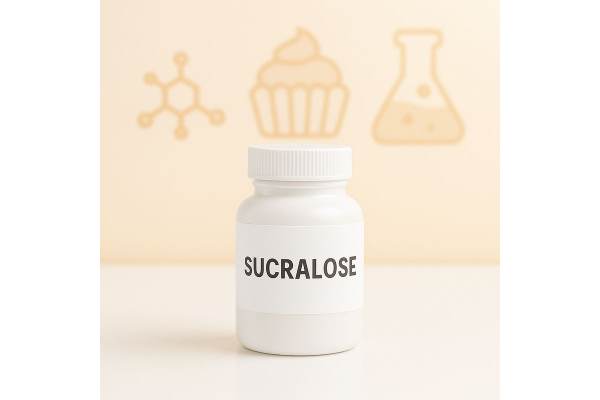
Sucralose is one of the most widely used artificial sweeteners in the world. It delivers intense sweetness with almost no calories, and it appears in everything from diet sodas and protein powders to chewing gum and “sugar free” desserts. For people trying to lower sugar intake, manage weight, or control blood glucose levels, sucralose can look like an easy swap: same sweet taste, far fewer calories.
However, the picture is more complex. Research over the last decade has raised important questions about sucralose and its long term effects on metabolism, gut microbiota, and overall health, even while regulatory agencies continue to view approved intakes as safe. This guide walks you through what sucralose is, how it behaves in the body, where it is most useful, what typical dosage ranges look like, and which side effects and uncertainties you should keep in mind. The goal is not to scare you away from sucralose, but to help you use it consciously and in an informed way.
Key Insights for Sucralose Use
- Sucralose is an intensely sweet, almost non-caloric sugar substitute that is roughly 400–600 times sweeter than table sugar.
- It can help reduce added sugar intake and calorie load in drinks and processed foods when used instead of sugar.
- Typical daily intakes for most users are well below regulatory limits, which range from about 5 to 15 mg per kg of body weight per day.
- People with ongoing gut issues, inflammatory bowel conditions, or concerns about long term metabolic health may wish to limit frequent, high sucralose intake.
- Children, pregnant or breastfeeding individuals, and people with poorly controlled diabetes should discuss regular sucralose use with a healthcare professional before relying on it heavily.
Table of Contents
- What is sucralose and how does it work?
- Is sucralose helpful for weight and blood sugar?
- Where you will encounter sucralose in everyday products
- How much sucralose per day is considered safe?
- Possible side effects and long term safety questions
- Who should be cautious and how to use sucralose wisely
What is sucralose and how does it work?
Sucralose is a synthetic sweetener made by modifying ordinary table sugar (sucrose). In the sucralose molecule, three hydroxyl (–OH) groups on sucrose are replaced with chlorine atoms. That small structural change makes sucralose intensely sweet, non nutritive, and largely resistant to digestion. It is typically 400–600 times sweeter than sucrose by weight, so only tiny amounts are needed to sweeten foods and drinks.
Because the body does not break sucralose down for energy in the same way it handles sugar, it contributes essentially no usable calories. Most ingested sucralose passes through the digestive tract unchanged. Human pharmacokinetic studies suggest that roughly 10–20% of a dose is absorbed and then excreted in the urine, while the majority is eliminated via the stool, mostly as unchanged sucralose. A small fraction of the absorbed amount is transformed into more water soluble metabolites before excretion.
On the tongue, sucralose activates sweet taste receptors, especially the T1R2/T1R3 receptor complex. These receptors do not only exist in the mouth; they also appear in the gut and other tissues. That means sucralose can act as a “sweet signal” in places beyond taste, potentially influencing hormone release, intestinal transporters, and appetite related pathways. This signaling role is one reason researchers continue to study sucralose beyond its basic calorie free sweetness.
In food manufacturing, sucralose is valued for its stability. Unlike some other sweeteners, it stays sweet in acidic drinks and withstands many processing steps. It is often combined with bulking agents such as maltodextrin in tabletop packets and baking blends to make it easier to measure and use. When you see “sucralose (E955)” on an ingredient list, it is this chlorinated sugar derivative, not ordinary sugar, that you are consuming.
Is sucralose helpful for weight and blood sugar?
Sucralose entered the market as a tool for people who needed to cut sugar: individuals with diabetes, those living with obesity, and anyone trying to manage calorie intake. In theory, replacing sugar with a non caloric sweetener should lower energy intake and help stabilize blood sugar. In practice, the evidence is mixed and depends heavily on context.
Short term trials where sucralose directly replaces sugar in beverages or foods usually show lower immediate calorie intake and smaller post meal glucose rises. If you swap a sugar sweetened soda for a sucralose sweetened one, you do avoid that particular sugar load. For people with diabetes, this can be meaningful, especially when they replace multiple high sugar drinks each day.
However, longer term studies following people over months or years tell a more complex story. Some observational research links higher intake of non sugar sweeteners, including sucralose, with increased risk of weight gain, type 2 diabetes, and cardiovascular disease. These studies cannot fully separate cause and effect: people at higher risk may choose diet drinks more often, or diet products may cluster with other lifestyle factors.
Randomized trials where people are assigned to use non sugar sweeteners instead of sugar suggest modest benefits for body weight in some groups, but not dramatic changes. Importantly, in 2023 the World Health Organization issued a conditional recommendation advising against using non sugar sweeteners as a primary strategy for weight control or for reducing the risk of noncommunicable diseases. The guidance reflects uncertainty about long term metabolic effects and a wish to encourage less overall sweetness in the diet, whether from sugar or sweeteners.
For blood sugar, sucralose does not behave like glucose or sucrose. It does not provide carbohydrate, and in many studies it has minimal direct effect on fasting glucose or insulin when used in realistic amounts. Yet emerging research hints that, in some individuals, sucralose may subtly influence insulin responses, gut hormone release, or glucose tolerance, especially when combined with carbohydrates. These findings are not yet fully consistent, but they support a cautious approach: sucralose can help reduce sugar exposure, but it is not a magic shield against metabolic risk.
Where you will encounter sucralose in everyday products
Sucralose appears in far more places than most people realize. Recognizing its typical sources can help you estimate your exposure and make deliberate choices instead of consuming it by default.
The most obvious category is diet and “zero” soft drinks. Many colas, flavored waters, iced teas, and energy drinks rely on sucralose either alone or in combination with other sweeteners such as acesulfame potassium. Even some beverages labeled “no sugar added” use sucralose to keep sweetness while limiting added sugars.
Tabletop sweeteners are another common source. These come as yellow or white packets, spoonable powders, or liquid drops designed to sweeten coffee, tea, or home baking. Often the sucralose content is only one or a few percent of the product, with the rest made of bulking agents that mimic sugar’s volume and texture. Because sucralose is so potent, the actual sucralose dose per serving is usually small, but frequent use adds up.
In the sports and fitness world, sucralose is widely used in protein powders, branched chain amino acid drinks, pre workout formulas, and electrolyte mixes. It helps mask bitter or metallic tastes from amino acids, minerals, and caffeine without adding sugar. If you regularly consume flavored powders or ready to drink shakes, you may be getting sucralose several times per day.
Sucralose also appears in:
- Sugar free chewing gums and mints
- “Light” or diet yogurts and puddings
- Reduced sugar jams, syrups, and chocolate spreads
- Some breakfast cereals and granola bars
- Over the counter medications and vitamin gummies
Because manufacturers can change formulations, the only reliable way to know whether a product contains sucralose is to read the ingredient list. It may be listed by name, as “sucralose (E955),” or in some regions under its E number alone. If you aim to track or reduce your intake, it helps to review the labels of regularly consumed products such as your usual drinks, flavored dairy products, and supplements.
How much sucralose per day is considered safe?
Regulatory agencies set “acceptable daily intake” (ADI) values to define the amount of a substance that can be consumed every day over a lifetime without appreciable risk. For sucralose, different bodies have arrived at slightly different numbers, but they are all well above typical daily intakes for most consumers.
In the European Union, scientific committees have established an ADI of 0–15 mg of sucralose per kg of body weight per day. This means that a 70 kg adult would have an ADI of about 1050 mg per day. In the United States, the Food and Drug Administration has set a lower ADI of 5 mg per kg, which equals 350 mg per day for the same 70 kg adult. These values include large safety margins above the doses that produced no adverse effects in animal studies.
To put these numbers into real world terms, consider a common scenario. A can of diet soda might contain around 30–40 mg of sucralose. A couple of sucralose based tabletop sweetener packets could add another 10–20 mg. A scoop of sucralose sweetened protein powder might contribute 20–40 mg. Even with multiple such products, most people will remain well below the ADI thresholds, especially when using the lower FDA figure as a reference point.
However, heavy users who consume several large diet drinks, multiple flavored supplements, and multiple sweetener packets every day can approach or exceed these levels, particularly if they are lighter in body weight. Children reach ADI limits more quickly due to smaller body size, and some research shows that children can have higher blood levels of sucralose than adults when given the same drink volume.
The ADI is not a toxic “line in the sand” above which harm suddenly appears, but it is a useful benchmark. If you find that your regular routine brings you close to or beyond the ADI, it is sensible to cut back. Options include diluting diet drinks with plain water, choosing unflavored or lightly flavored supplements, and alternating sucralose sweetened items with unsweetened alternatives. For most people who use sucralose occasionally or in modest amounts, actual intake is far below the levels that regulators consider concerning.
Possible side effects and long term safety questions
For many years, sucralose was described as essentially inert: it passed through the gut unchanged, did not interact with microbiota, and carried no cancer or toxicity concerns at approved doses. More recent research suggests a more nuanced picture, particularly for the gut environment and metabolic signaling, even though standard toxicology testing has not identified clear carcinogenic or mutagenic effects at normal exposures.
In the short term, most people tolerate sucralose without noticeable problems. A minority report gastrointestinal symptoms such as bloating, gas, or loose stools when they consume high amounts, especially from several diet drinks or strongly sweetened products in a short period. It can be difficult to separate sucralose’s effects from those of other ingredients in these products, such as sugar alcohols or high caffeine, but some people find that reducing sucralose helps their symptoms.
The gut microbiome is an area of active study. Animal experiments have shown that sucralose can alter the composition of intestinal bacteria and may affect metabolites linked to inflammation and metabolic health. Human data are more limited and sometimes conflicting. Some small trials suggest changes in certain bacterial groups or markers of gut barrier function, while others show minimal impact at typical intakes. The emerging consensus is not that sucralose is definitively harmful to the microbiome, but that it is not completely neutral either, particularly with long term, high dose exposure.
Regarding metabolism, several lines of research examine how sucralose interacts with sweet taste receptors in the gut and pancreas. These receptors can influence insulin secretion and incretin hormones. Some studies report that sucralose consumed close to carbohydrate containing meals may alter glucose and insulin responses in certain individuals, while others do not see major effects. Differences in study design, dose, and population make it hard to draw firm conclusions.
Newer work looks at potential oxidative stress, DNA damage, and environmental persistence. Certain laboratory studies have raised concerns about sucralose or its metabolites causing DNA strand breaks or promoting oxidative changes under specific experimental conditions. At the same time, comprehensive reviews note that regulatory safety evaluations, which include long term animal studies and genotoxicity testing, have not found convincing evidence of cancer risk at dietary doses.
In practice, this means that sucralose remains approved and is considered safe by major regulatory agencies at existing ADI levels, but scientific debate continues about more subtle and long term effects, especially in sensitive groups. For an individual, the most balanced approach is to treat sucralose as a tool to reduce sugar intake when needed, while avoiding constant, heavy reliance on it as the main source of sweetness in the diet.
Who should be cautious and how to use sucralose wisely
Not everyone responds to sucralose in the same way, and some groups have particular reasons to be cautious. Understanding where the uncertainties lie can help you decide how sucralose fits into your own nutrition plan.
Children are one key group. They often consume concentrated sources of sucralose through diet sodas, flavored waters, or sugar free treats. Because their body weight is lower, their intake in mg per kg can be much higher than adults drinking the same volume. Some studies report higher blood sucralose levels in children after typical servings. Since long term effects across decades of life are not fully understood, many clinicians suggest minimizing routine use in young children and focusing primarily on reducing both sugar and overall sweetness.
Pregnant and breastfeeding individuals should also be thoughtful. Sucralose has been detected crossing the placenta and appearing in breast milk. Regulatory assessments still consider it acceptable at standard intakes, but more recent reviews highlight gaps in knowledge about subtle developmental or epigenetic effects. It is reasonable to treat sucralose similarly to other non essential additives in pregnancy: occasional exposure is unlikely to be harmful, but heavy daily use is best avoided unless there is a specific medical reason and a clinician’s guidance.
People with existing gut issues—such as irritable bowel syndrome, inflammatory bowel diseases, or a history of antibiotic associated dysbiosis—may find that large amounts of sucralose aggravate symptoms. While evidence is not definitive, individual experimentation can be useful: track how you feel when you reduce or eliminate sucralose for a few weeks, and reintroduce in small amounts if desired.
For individuals with diabetes or prediabetes, sucralose can be a helpful tool to replace sugar in certain contexts, especially beverages. Still, it should sit within a broader strategy that includes whole foods, fiber, and reduced ultra processed products. It should not be used to justify larger portion sizes or frequent consumption of heavily processed “diet” foods.
Practical guidelines for wise use include:
- Prefer water, unsweetened tea, coffee, and plain dairy as everyday drinks.
- Use sucralose sweetened products strategically to replace high sugar items you would otherwise consume, not simply to add extra sweet options.
- Rotate sweeteners and include periods of lower overall sweetness to help your palate adjust.
- Pay special attention to cumulative intake in children and small adults who use several sucralose containing products daily.
- If you notice symptoms such as digestive discomfort, headaches, or changes in appetite around sucralose use, experiment with reducing or removing it and discuss persistent issues with a healthcare professional.
Used in this measured way, sucralose can be part of a lower sugar diet, but it should not distract from the core goals of eating mostly minimally processed foods and keeping both sugar and sweetness levels in a moderate range.
References
- Sucralose: From Sweet Success to Metabolic Controversies—Unraveling the Global Health Implications of a Pervasive Non-Caloric Artificial Sweetener 2024 (Systematic Review)
- Sucralose metabolism and pharmacokinetics in man 2000 (Pharmacokinetics Study)
- Use of non-sugar sweeteners: WHO guideline 2023 (Guideline)
- Acceptable daily intake of sweeteners in the EU 2025 (Regulatory Summary)
- Sucralose: A Review of Environmental, Oxidative and Genomic Stress 2025 (Review)
Disclaimer
The information in this article is intended for general educational purposes and does not replace personalized medical advice, diagnosis, or treatment. Sucralose tolerance and health risks can vary between individuals based on medical history, medications, and overall diet. Always discuss significant diet changes, including heavy use or complete avoidance of artificial sweeteners, with a qualified healthcare professional who knows your health background. Never disregard professional medical advice or delay seeking it because of something you have read here.
If you found this guide useful, please consider sharing it on Facebook, X (formerly Twitter), or any platform you prefer, and follow us on social media. Your support in sharing our work helps our team continue creating balanced, evidence informed articles on nutrition and health.