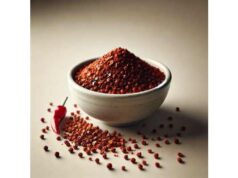
Sumac is one of those spices that quietly transforms a plate. A sprinkle of its deep crimson powder adds a bright, lemony tang that can lift grilled meats, vegetables, salads, dips, and even roasted nuts. Traditionally used across the Eastern Mediterranean, Middle East, and parts of Central and Western Asia, sumac comes from the dried, ground fruits of shrubs in the Rhus genus, most commonly Rhus coriaria.
Beyond its distinctive flavor and color, sumac is rich in polyphenols, tannins, and anthocyanins that contribute antioxidant and potential anti-inflammatory effects. In recent years, it has attracted attention as a functional spice, with research exploring roles in supporting metabolic health, vascular function, and cellular protection.
At the same time, confusion with toxic “poison sumac” and questions about safe intake can make people hesitant. This article explains how culinary sumac is produced, what is known about its nutrients and active compounds, which health effects are best supported by evidence, and how to use it safely and sustainably in everyday cooking.
Key Takeaways
- Culinary sumac (Rhus coriaria) is a tangy, antioxidant-rich spice that is distinct from toxic “poison sumac.”
- Sumac provides polyphenols, anthocyanins, and tannins that show antioxidant, antimicrobial, and anti-inflammatory effects in experimental and early clinical research.
- A practical culinary serving is about 1–2 g (roughly ½–1 teaspoon) of ground sumac per person, a few times per week, as part of varied meals.
- People with strong allergies to cashew, pistachio, mango, or a history of severe plant allergies should be especially cautious with sumac and avoid foraging wild plants.
Table of Contents
- Sumac Background and Culinary Role
- Sumac Nutrition and Key Compounds
- Research Based Benefits of Sumac
- Sumac Risks Allergies and Interactions
- Choosing Sustainable High Quality Sumac
- Preparing Sumac and Preserving Nutrients
- Sumac Portions Comparisons and FAQs
Sumac Background and Culinary Role
Culinary sumac usually refers to the dried, ground fruits of Rhus coriaria, a shrub in the Anacardiaceae family. This is the same botanical family that includes cashew, mango, and pistachio, as well as species such as poison ivy and poison sumac. That family link explains both some of sumac’s interesting chemistry and the need to distinguish edible species from toxic relatives.
Edible sumac shrubs typically grow on dry, sunny hillsides and produce dense clusters of dark red berries. Poison sumac, by contrast, prefers bogs and swamps and bears pale, drooping berries. Culinary sumac berries are harvested when ripe, then dried and ground. Some producers grind the whole fruit, including the seed, while others separate the outer flesh from the seed before grinding to achieve a softer, more intensely sour powder.
Sumac has a long history in the cuisines of the Levant, Turkey, Iran, and neighboring regions. Common uses include:
- Sprinkling over salads such as fattoush for bright acidity
- Mixing with sliced onions to top dishes like musakhan
- Seasoning grilled meats, kebabs, and fish
- Dusting over hummus, labneh, and other dips
- Adding tang to roasted vegetables and potatoes
It also features in spice blends such as za’atar in many parts of the Eastern Mediterranean, where it balances herbal notes and the richness of sesame. Historically, various Rhus species have been used not only for food flavoring, but also for tanning leather and dyeing fabrics because of their high tannin content, highlighting how valued this plant group has been across different trades.
Today, chefs around the world use sumac as a dry, shelf-stable acidifier that can stand in for or complement lemon juice and vinegar. Because it contributes both acidity and color, it is particularly useful for dishes where added liquid might dilute texture. A pinch on avocado toast, roasted cauliflower, or even scrambled eggs can completely change the flavor balance.
From a culinary standpoint, you can think of sumac as “lemon and berry in powder form”: sour but rounded, capable of cutting through richness while adding a subtle fruity depth and a striking red visual accent.
Sumac Nutrition and Key Compounds
Like most spices, sumac is consumed in small quantities, so it contributes only modest amounts of calories and macronutrients. Its real nutritional interest lies in its polyphenolic profile and pigments.
Analyses of Rhus coriaria fruits show that, per 100 g of dried material, sumac contains a mix of carbohydrates, a little protein and fat, and dietary fiber. It also provides minerals such as potassium, calcium, and magnesium in meaningful concentrations. However, because a typical serving is only 1–2 g, these macronutrients and minerals make up a minor portion of total daily intake.
Where sumac stands out is in its phytochemistry. Studies of its fruits and leaves have identified:
- Phenolic acids such as gallic, ellagic, caffeic, and chlorogenic acids
- Flavonoids including quercetin, rutin, kaempferol, luteolin, and apigenin derivatives
- Hydrolysable tannins, notably gallotannins and ellagitannins
- Anthocyanins, the pigments responsible for its deep red color, such as cyanidin and delphinidin derivatives
These compounds collectively provide strong antioxidant capacity in laboratory assays and have been linked to anti-inflammatory, antimicrobial, and other protective actions in experimental models.
Sumac also contains organic acids, including malic and others, which give its characteristic sourness. Small amounts of unsaturated fatty acids and phytosterols are present, especially in the seeds. When the entire berry is ground, some of these lipids appear in the final spice, though again, serving sizes are small.
Processing and storage influence this composition. Factors such as:
- Harvest time and ripeness
- Drying temperature and air exposure
- Particle size after grinding
all affect the measured content of phenolics and antioxidants. Gentle drying and minimal heat can help preserve anthocyanins and flavonoids, while extremely high heat or prolonged storage in bright, warm conditions tends to reduce both color and antioxidant capacity.
From a practical diet perspective, each teaspoon of sumac adds only a small fraction of daily polyphenol needs, but frequent use across meals can add up, especially when combined with other spices, herbs, fruits, and vegetables. Sumac’s value is not in delivering large amounts of any single nutrient, but in broadening the diversity of bioactive compounds in your diet.
Research Based Benefits of Sumac
Research on sumac has expanded significantly in the last decade. While most studies use extracts or higher doses than typical culinary amounts, their findings help explain why traditional cuisines have long valued this plant.
Antioxidant and anti-inflammatory properties
Laboratory studies consistently show that sumac extracts have strong antioxidant capacity. Phenolic acids, tannins, and flavonoids from the fruits scavenge free radicals, protect lipids from peroxidation, and may help stabilize cell membranes under oxidative stress. In animal models, sumac extracts have reduced markers of oxidative damage and improved activity of antioxidant enzymes such as superoxide dismutase and catalase.
These antioxidant effects often overlap with anti-inflammatory actions. Experimental work suggests that sumac can modulate inflammatory signaling by reducing production of certain pro-inflammatory molecules and enzymes. In animal models of induced inflammation, sumac extracts have attenuated swelling and tissue damage, particularly when tannin- and anthocyanin-rich fractions are used.
Antimicrobial and food-protective effects
Sumac extracts have demonstrated antimicrobial effects against a range of bacteria and fungi in vitro, including organisms commonly associated with food spoilage and contamination. Alcoholic and water-based extracts, as well as phenolic fractions, have inhibited growth or reduced viability of several pathogens in laboratory settings.
This antimicrobial activity has prompted interest in using sumac as a natural preservative, either directly in foods or incorporated into packaging materials and edible coatings. While sprinkling sumac on food is not a substitute for refrigeration or hygiene, integrating it into marinades, rubs, and surface seasonings may modestly contribute to microbial control, especially alongside proper storage.
Cardiometabolic markers and liver health
Several clinical trials have examined sumac’s impact on cardiometabolic outcomes:
- Some studies in adults with overweight or obesity, high blood pressure, or metabolic syndrome have reported improvements in systolic blood pressure, triglycerides, and LDL cholesterol after a period of sumac supplementation compared with control conditions.
- In people with type 2 diabetes, sumac powder or extracts have been associated in some trials with improved fasting glucose, insulin resistance measures, and hemoglobin A1c, alongside lifestyle advice.
- Research in individuals with non-alcoholic fatty liver disease has also suggested potential benefits for liver enzyme levels and certain aspects of lipid metabolism when sumac supplements are used for several weeks.
These findings point toward a modest supportive role for sumac in cardiometabolic health. However, doses used in trials usually range from several grams of powdered sumac per day to standardized extracts, which is higher than most culinary use. Study durations are relatively short, and participants often make other changes at the same time. Sumac should therefore be seen as a helpful adjunct, not a replacement for prescribed treatments or broader dietary changes.
Other emerging areas
Preclinical work has explored additional possibilities, such as:
- Cytotoxic effects of sumac extracts on certain cancer cell lines in vitro
- Potential wound-healing support when formulated into creams or dressings
- Development of sumac-enriched functional foods, such as gums or beverages, that aim to harness its antioxidant and antimicrobial qualities
These lines of research are promising but preliminary. There is not yet enough evidence to recommend sumac as a stand-alone therapy for any specific disease. Instead, the most realistic and safe use for most people is as a flavorful spice that also brings small, cumulative contributions to an overall health-supportive diet.
Sumac Risks Allergies and Interactions
Culinary sumac from Rhus coriaria is generally considered safe when used in normal food quantities. Nonetheless, it belongs to a plant family with well-known allergens and toxic members, so it is wise to understand where risks lie.
Edible sumac versus poison sumac
The most critical distinction is between edible sumac and poison sumac. Poison sumac (Toxicodendron vernix) is a different genus within the same family and contains urushiol, the oily compound responsible for the severe skin reactions seen with poison ivy and poison oak. Contact with poison sumac can cause intense dermatitis, and inhalation of smoke from burning plants can lead to serious respiratory injury.
Key differences:
- Poison sumac tends to grow in wet, swampy areas and bears smooth, pale berries in loose clusters.
- Edible sumac species for culinary use grow on drier sites and produce upright, dense clusters of fuzzy red or burgundy berries.
For most people, the safest approach is to buy sumac from trusted suppliers rather than foraging wild plants, eliminating the risk of misidentification.
Allergic reactions and cross-sensitivity
Because sumac is related to cashews, pistachios, and mangoes, there is potential for cross-reactivity in people with strong allergies to these foods, although documented cases involving sumac itself are limited. Possible signs of an allergic reaction include:
- Itching, tingling, or swelling of the lips, tongue, or throat
- Hives or rash on the skin
- Wheezing, tight chest, or difficulty breathing in more serious cases
Anyone with a history of severe reactions to Anacardiaceae family foods should discuss the use of sumac with an allergist and, if approved, introduce it cautiously in very small amounts.
Digestive and oral tolerance
Sumac is naturally acidic and tannin-rich. In most people, this profile is well tolerated at culinary doses, but larger amounts may cause discomfort, particularly in individuals with:
- Active gastritis or peptic ulcer disease
- Very sensitive teeth or mouth tissues
- Frequent acid reflux that worsens with acidic foods
Symptoms might include mouth dryness, a puckering sensation, or upper abdominal discomfort. If these occur, reducing the amount of sumac used, or pairing it with fatty or creamy foods that buffer acidity, can help.
Drug interactions and supplement use
Evidence on direct drug interactions is limited. However, given that some trials have shown effects on blood pressure, blood lipids, and glycemic control, high-dose sumac supplements may theoretically interact with medications in these areas. Caution is especially warranted for people taking:
- Antihypertensive drugs
- Insulin or oral hypoglycemic agents
- Lipid-lowering medications
In such cases, any decision to use sumac in capsule or concentrated extract form should be made together with a healthcare professional, who can monitor relevant lab values and adjust drug doses if necessary.
Pregnancy, breastfeeding, and children
There are no large controlled studies specifically evaluating sumac’s safety in pregnancy or breastfeeding. Traditional cooking practices have used sumac in family meals, suggesting that modest culinary amounts are acceptable for most people without specific contraindications. However, high-dose supplements should be avoided in pregnancy and lactation unless specifically recommended and supervised by a clinician.
Children can usually enjoy small amounts of sumac as part of family dishes. As with any new food, introduce it slowly, observe for any unusual reactions, and avoid concentrated supplemental forms.
In summary, culinary sumac from reputable sources is low risk for most healthy adults when used as a seasoning. The main considerations involve avoiding toxic look-alike plants, respecting allergies and digestive sensitivities, and being cautious with supplements, particularly in the context of medication use or pregnancy.
Choosing Sustainable High Quality Sumac
Quality strongly influences not only the flavor of sumac but also its potential contribution of beneficial compounds. Because phenolics and pigments can degrade over time or with poor handling, it pays to choose and store sumac thoughtfully.
How to recognize good sumac
High-quality ground sumac typically has:
- A deep burgundy or brick-red color, sometimes slightly lighter if mixed with salt
- A bright, lemony aroma when you open the jar
- A clean, sour, slightly fruity taste, with moderate but not overwhelming astringency
- A relatively uniform texture, without many coarse, hard seed fragments or foreign particles
If the powder appears grayish or dull brown, smells musty or flat, or tastes primarily bitter without much brightness, it may be old or poorly processed.
Chemical studies of sumac show that anthocyanins, flavonoids, and tannins decline with exposure to heat, air, and light. Fruits harvested at appropriate ripeness and dried gently tend to retain more of these compounds and show better color and flavor. That is why some specialty producers emphasize sun exposure, harvest timing, and careful drying in their marketing: these steps genuinely affect the spice’s properties.
Whole fruits versus ground powder
Sumac is sold as:
- Whole berry clusters or loose fruits
- Coarsely ground sumac, sometimes with visible seed pieces
- Finely ground powder, often the most common retail form
Whole fruits keep well and can be steeped in water or ground as needed. They are ideal if you want to prepare infusions or control grind size. Finely ground powder is convenient for sprinkling and blending into spice mixes but loses volatile components and color more quickly.
If you use sumac frequently, buying finely ground powder in modest amounts and refreshing your supply every year or so is practical. For occasional use or longer storage, whole berries may offer better stability, provided they are stored in airtight containers.
Best storage practices
To preserve quality:
- Store sumac in an opaque, airtight container away from light.
- Keep it in a cool, dry cupboard rather than near the stove or oven.
- Avoid opening the jar above steaming pots, which introduces moisture and heat.
- Label containers with the date of purchase so you can monitor age.
Even under good conditions, sumac’s aroma and color gradually fade. Replacing long-forgotten jars with fresh stock is often the simplest flavor upgrade you can make in your spice cabinet.
Sustainability and sourcing considerations
Sumac shrubs are relatively hardy and can grow on marginal soils, which makes them useful for erosion control and rural livelihoods in hilly or semi-arid regions. Their fruits, leaves, and bark can all be used in various industries, from tanning to natural dyes, which diversifies income for growers.
To support more sustainable and equitable supply chains:
- Look for brands that clearly indicate country or region of origin.
- Favor producers who share information about cultivation and drying methods.
- Consider smaller, ethically minded companies that work directly with farmers or cooperatives, when available in your market.
- Buy only what you will realistically use within a year, reducing waste and allowing you to support producers with repeat purchases of fresh product.
High-quality, responsibly sourced sumac may cost slightly more, but the intensity of flavor and color, together with the likely higher retention of beneficial compounds, usually make it a better value over time.
Preparing Sumac and Preserving Nutrients
Because sumac’s value lies primarily in its acidity, aroma, and polyphenols, the way you prepare and cook with it has a direct impact on both flavor and nutritional contribution.
Use as a finishing spice
One of the simplest and most protective ways to use sumac is to add it at the end of cooking or directly at the table. This strategy:
- Preserves volatile aromatic compounds that might otherwise dissipate with long heating.
- Protects anthocyanins and certain phenolics from excessive thermal breakdown.
- Keeps the color vivid, enhancing visual appeal.
Examples include sprinkling sumac just before serving on:
- Grilled or roasted vegetables
- Grain salads and tabbouleh-style dishes
- Yogurt dips, hummus, and labneh
- Fried eggs, avocado toast, or flatbreads
In marinades and rubs
Sumac also shines in marinades and dry rubs. Its acidity and tannins can help gently tenderize the surface of meats and add depth to plant-based proteins such as tofu or tempeh. Practical ideas:
- Stir sumac into olive oil with garlic, onion, and herbs for poultry or lamb.
- Combine with yogurt, garlic, and warm spices for a marinade that delivers both tang and richness.
- Add to dry rubs for oven-roasted or grilled vegetables, then finish with a fresh dusting after cooking.
When used in marinades, sumac spends part of its life in a moist, slightly acidic environment, which can help extract phenolics into the surrounding liquid. Because the food absorbs that liquid, more of these compounds may end up in the final dish.
Infusions and drinks
Steeping sumac in water to make a tart, pinkish drink is a traditional practice in some regions. To make a simple infusion:
- Rinse whole or coarsely ground berries briefly if dusty.
- Pour hot (not vigorously boiling) water over them.
- Steep for 10–20 minutes, then strain.
- Sweeten lightly or blend with other herbs if desired.
This process extracts organic acids and soluble phenolics. Avoiding prolonged boiling and minimizing repeated reheating helps preserve both flavor and color.
Heat and antioxidant retention
Controlled studies on sumac and similar spices indicate that extended high-temperature cooking can reduce measurable antioxidant activity, while moderate heating and certain physical processing methods can increase extractability of some phenolics. In home cooking, this suggests:
- Limiting very long frying or toasting of sumac on its own.
- Preferring gentle warming or late-stage addition for dishes that simmer for a long time.
- Grinding small amounts fresh from high-quality stock rather than relying on old, pre-ground product.
Creative ways to add sumac without overcooking
To integrate sumac into your routine while respecting its heat sensitivity, you might:
- Blend it with fresh herbs, garlic, and lemon zest as a finishing sprinkle for soups and stews.
- Toss warm roasted chickpeas or nuts in a mixture of oil, salt, and sumac right after baking.
- Mix it into salad dressings shortly before serving, rather than hours in advance.
- Stir it into yogurt or soft cheese spreads at the last moment.
These techniques keep heat exposure modest, protect delicate phytochemicals, and make it easy to use sumac frequently without needing to overhaul your cooking style.
Sumac Portions Comparisons and FAQs
Because sumac is potent in flavor and rich in tannins, it is usually used sparingly. Understanding realistic portion sizes and how sumac compares with other acidic seasonings can help you find the right level for your meals.
Typical portion sizes and frequency
There are no official dietary intake guidelines for sumac. Culinary practice and research use suggest these reasonable ranges for healthy adults:
- About ½–1 teaspoon (roughly 1–2 g) of sumac per person in salads, grilled dishes, or dips.
- One to two tablespoons spread across a large platter of roasted vegetables, grain salad, or shared appetizer.
- For supplemental or experimental uses in research, several grams per day of sumac powder or extract, taken for weeks under supervision.
For everyday home use, incorporating sumac into meals a few times per week is a sensible pattern. People with very sensitive digestion may prefer to start at the low end of the range and increase only if comfortable.
Comparison with other acidic seasonings
- Lemon juice: Provides vitamin C and a sharp, bright sourness with little astringency. Sumac gives a more rounded, berry-like acidity and adds color. Using both together can allow you to reduce added salt while maintaining flavor.
- Vinegar (such as red wine or apple cider): Offers strong acidity and distinct flavor notes. Sumac is gentler and more integrated into the solid components of a dish. Vinegar is better for pickling and long marinades, while sumac excels as a finishing touch or dry component.
- Tamarind and pomegranate molasses: These ingredients have deeper sweetness and complex fruit notes; sumac is lighter and drier. Combining them can create layered acidity and complexity.
If you are transitioning from heavy use of salt to a more herb- and spice-focused approach, sumac can be one of several acidic seasonings that keep dishes lively without excessive sodium.
Who might need stricter limits?
While most people can enjoy sumac freely at culinary doses, the following groups should be more cautious:
- Individuals with severe allergies to cashew, pistachio, mango, or a previous reaction to sumac or related plants.
- People with active peptic ulcers, very severe reflux, or other conditions that flare with acidic or tannin-rich foods.
- Those taking medications for blood pressure, blood sugar, or cholesterol who are considering sumac supplements rather than food-level use.
- Pregnant or breastfeeding individuals thinking about high-dose sumac powders or extracts instead of small amounts in cooking.
In these situations, medical or dietetic advice is important before using sumac regularly, especially in concentrated forms.
Frequently asked questions
Is sumac healthier than lemon or vinegar?
They are best seen as complementary rather than competing. Sumac contributes polyphenols, anthocyanins, and tannins, while lemon and vinegar provide different acids and compounds. A diverse mix of acidic seasonings can make meals more enjoyable and may support overall dietary quality.
Can I use sumac every day?
Many people can include small amounts daily, particularly if they enjoy Mediterranean or Middle Eastern-style cooking. If you notice mouth irritation or digestive discomfort, cut back and see whether symptoms improve.
Does sumac help with weight loss?
Sumac alone is unlikely to drive weight loss. Some research suggests it may modestly support metabolic markers, but sustainable weight change depends on overall energy balance, dietary pattern, movement, sleep, and other factors. Sumac’s main contribution is helping create flavorful, satisfying meals that fit within a healthful pattern.
Is homemade sumac tea safe?
If you use culinary sumac from a trustworthy source, occasional infusions are generally safe for most people. As always, if you have allergies, kidney disease, or are on multiple medications, discuss new herbal drinks with your healthcare provider.
Can children have sumac?
Yes, in small culinary amounts. It can be a gentle way to introduce sour flavors and colorful spices. As with any new ingredient, start with modest quantities and observe for any signs of intolerance or allergy.
References
- Phytochemical and Nutritional Properties of Sumac (Rhus coriaria L.): A Comprehensive Review 2024 (Systematic Review)
- Rhus coriaria L. (Sumac), a Versatile and Resourceful Plant for Food and Health 2022 (Review)
- Pharmacological and Antioxidant Activities of Rhus coriaria L. (Sumac) 2021 (Review)
- Effects of Sumac Supplementation on Metabolic Markers in Adults with Overweight and Obesity 2023 (RCT)
- The Effect of Sumac on Cardiometabolic Parameters in Adults: A Clinical Trial 2024 (RCT)
Disclaimer
The information in this article is intended for general educational purposes and does not replace personalized medical advice, diagnosis, or treatment. Sumac and other herbs or spices can affect people differently, especially in the presence of allergies, chronic illnesses, pregnancy, breastfeeding, or regular use of prescription medications. Always consult a qualified healthcare professional or registered dietitian before making significant changes to your diet, using herbal products for therapeutic purposes, or if you have questions about how this information applies to your personal health situation.
If you found this guide useful, you are kindly invited to share it with others on Facebook, X (formerly Twitter), or any platform you prefer. Your considerate support helps more readers access balanced, evidence-informed nutrition content and encourages the continued development of high-quality educational resources.