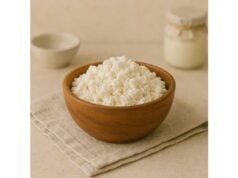
Süzme yogurt is the thick, creamy strained yogurt found across Türkiye and neighboring cuisines. Made by slowly draining the whey from cultured milk, it concentrates milk’s complete proteins, calcium, and tangy flavor while reducing lactose and water. The result is spoonable yet sturdy—lush enough for meze dips like haydari, reliable in marinades, and versatile in sauces, desserts, and breakfast bowls. Compared with regular stirred yogurt, süzme yogurt offers more protein per bite and a silkier mouthfeel; compared with Greek yogurt, it’s often a touch milder and slightly looser unless strained very dry. Plain versions keep sugars naturally low and show a gentler glycemic response than sweetened yogurts. In the kitchen, it doubles as sour cream, light cream, or mayonnaise, trimming calories and saturated fat in many dishes without sacrificing texture. This guide explains how süzme yogurt is made, what its nutrition looks like per 100 g, which benefits are most credible, how to manage allergies and medication timing, and practical ways to select, store, cook, and portion it for everyday eating.
At a Glance
- High in complete protein and calcium; typically ~95–105 kcal per 100 g when made from whole milk.
- Plain süzme yogurt has a naturally low glycemic impact; choose unsweetened to avoid added sugars.
- Safety: avoid with milk allergy; separate from levothyroxine and certain antibiotics by several hours.
- A practical serving is 150 g; most adults do well with 3–7 servings per week within a balanced diet.
- Limit or avoid if you have milk allergy, galactosemia, or advised restrictions on fermented foods.
Table of Contents
- Süzme Yogurt: Detailed Overview
- Süzme Yogurt Nutrition Profile (per 100 g)
- Health Benefits of Süzme Yogurt
- Risks, Allergies and Interactions for Süzme Yogurt
- Selecting, Quality, Sustainability and Storage for Süzme Yogurt
- Preparation, Cooking and Nutrient Retention with Süzme Yogurt
- Portions, Comparisons and FAQs
Süzme Yogurt: Detailed Overview
What it is and how it’s made
Süzme yogurt is strained yogurt. Milk is first fermented with the standard yogurt starters—Lactobacillus delbrueckii subsp. bulgaricus and Streptococcus thermophilus. After a gentle set, the yogurt is passed through cloth or a fine filter (traditionally a muslin sack) so part of the watery whey drips away. This step concentrates milk solids: proteins, milk fat, and minerals. The longer the drain, the thicker and more “spoon-standing” the result. Some producers add a light stir for uniform texture; others keep it very dense. In stores, you’ll find süzme yogurt made from cow’s milk most often, with occasional sheep’s or goat’s milk versions in specialty markets.
Süzme yogurt vs Greek yogurt vs labneh
- Süzme yogurt: Turkish-style strained yogurt, creamy and tangy, typically 8–10 g protein per 100 g if made from whole milk and strained to a thick texture. It’s versatile—great for meze, soups, marinades, and baking.
- Greek yogurt: Also strained; often slightly higher in protein density per 100 g and sometimes tangier. Commercial Greek yogurt may be strained or ultrafiltered; both aim for thickness.
- Labneh: A further-strained yogurt cheese, spreadable and richer; often salted and drizzled with olive oil. Nutritionally, it is denser per 100 g and best treated like a soft cheese.
Texture, flavor, and kitchen behavior
Süzme yogurt’s hallmark is its satiny body and gentle acidity. Because it’s strained, it resists watering-off in dips and dressings and holds up well on hot foods as a cool dollop. In heated sauces, it can still curdle if boiled; the fix is temperature control (see Section 6). Whole-milk versions taste rounder and less sharp; low-fat versions are lighter but may split more quickly under heat.
Lactose, sugars, and sweetness
Fermentation converts some lactose (milk sugar) into lactic acid, and straining removes some lactose-rich whey. Plain süzme yogurt therefore contains less lactose than milk and has naturally low sugars for a dairy food. Sweetened or fruit-on-the-bottom tubs can add a significant sugar load; plain is the most flexible base.
When to choose süzme yogurt
- You want creamy texture with fewer calories than sour cream per tablespoon.
- You need a stable, tangy base for meze (cacık, haydari), dressings, and sauces.
- You prefer lower lactose and higher protein than regular stirred yogurt.
- You cook across Mediterranean, Middle Eastern, or South Asian flavors and want an ingredient that bridges savory and sweet.
Buying snapshot
Pick plain tubs with “milk + cultures” as the core ingredients. A short list is a good sign. Fortified vitamin D is optional and appears on some labels. If you see slight whey on top, stir it back—it carries water-soluble nutrients.
Süzme Yogurt Nutrition Profile (per 100 g)
Values reflect plain, whole-milk strained yogurt (typical of Greek/süzme styles). Actual numbers vary by brand, milk type, drain time, and fortification. %DV uses current U.S. Daily Values.
Macros and Electrolytes (per 100 g)
| Nutrient | Amount | %DV |
|---|---|---|
| Energy | 97 kcal | — |
| Protein | 9.0 g | 18% |
| Total Fat | 5.0 g | 6% |
| Saturated Fat | 2.4 g | 12% |
| Carbohydrate (total) | 4.0 g | 1% |
| Total Sugars (naturally occurring) | 4.0 g | — |
| Added Sugars | 0 g | 0% |
| Fiber | 0 g | 0% |
| Sodium | 35 mg | 1% |
| Potassium | 141 mg | 3% |
| Cholesterol | 13 mg | 4% |
Vitamins (per 100 g)
| Vitamin | Amount | %DV |
|---|---|---|
| Vitamin A (RAE) | 2 µg | 0% |
| Riboflavin (B2) | 0.28 mg | 21% |
| Vitamin B12 | 0.75 µg | 31% |
| Vitamin B5 (Pantothenic acid) | 0.33 mg | 7% |
| Vitamin B6 | 0.06 mg | 4% |
| Folate (DFE) | 5 µg | 1% |
| Vitamin D* | 0 µg | 0% |
| Choline | 15.1 mg | 3% |
Minerals (per 100 g)
| Mineral | Amount | %DV |
|---|---|---|
| Calcium | 100 mg | 8% |
| Phosphorus | 135 mg | 11% |
| Magnesium | 11 mg | 3% |
| Zinc | 0.52 mg | 5% |
| Selenium | 9.7 µg | 18% |
| Iodine** | ~42 µg | — |
- Vitamin D appears only if fortified (check label).
** Iodine varies with feed and region; numbers are approximate when listed.
Fats and Fatty Acids (per 100 g)
| Component | Amount |
|---|---|
| Monounsaturated Fat | ~2.14 g |
| Polyunsaturated Fat | ~0.47 g |
| Omega-3 Fatty Acids (ALA) | ~0.02 g |
| Omega-6 Fatty Acids (LA) | ~0.21 g |
| Trans Fat | ~0 g |
Protein quality and amino acids
Süzme yogurt contains complete milk proteins (casein and whey), naturally rich in leucine—the amino acid that triggers muscle protein synthesis. At 9 g per 100 g, it’s a compact way to add high-quality protein to breakfasts, snacks, and sauces.
Carbohydrates and glycemic response
Most carbohydrate is lactose. Fermentation and straining lower lactose compared with milk, and plain süzme yogurt has a low glycemic impact in mixed meals. Pairing it with fruit and nuts further slows digestion.
Glycemic and acid–base context
Plain strained yogurt typically shows low glycemic behavior compared with sweetened dairy desserts. Potential renal acid load is modest relative to aged cheeses; pairing with vegetables and legumes supports an overall balanced acid–base load.
Additives and fortification notes
Stabilizers are uncommon in traditional süzme yogurt but may appear in some brands (e.g., pectin) for creaminess. Vitamin D fortification is optional and varies by market. Fruit flavors often add sugars; plain keeps the nutrient density highest per calorie.
Health Benefits of Süzme Yogurt
1) Supports lactose digestion of the product in people with lactose maldigestion
Because süzme yogurt is fermented with live cultures, many people who experience lactose intolerance tolerate it better than milk. The bacteria’s enzymes help digest the yogurt’s own lactose during and after fermentation. Practically, smaller portions with meals are a sensible starting point if you are sensitive.
2) Protein density for satiety and muscle maintenance
Straining concentrates complete proteins. A 150 g serving commonly supplies ~13–15 g protein, enough to improve meal balance and prolong fullness. For active adults and older adults targeting muscle maintenance, combining süzme yogurt with fiber-rich carbohydrates and healthy fats (fruit, oats, nuts) creates a satisfying, nutrient-dense bowl.
3) Bone and dental support
Süzme yogurt delivers calcium and phosphorus with a neutral-to-gentle acidity that is tooth-friendly compared with sugary desserts. If you choose a fortified product, vitamin D adds to the bone health package. Consistent intake across the week helps meet mineral targets without large single servings.
4) Cardiometabolic markers: overall neutral to favorable
Across randomized trials, dairy intake—yogurt included—shows little evidence of harm on standard cardiometabolic markers and, in some contexts, small improvements (for example, HDL cholesterol or systolic blood pressure). Choosing plain yogurt helps avoid the added sugars often found in flavored products, maintaining a more favorable nutrient profile.
5) Low glycemic impact in real meals
Plain strained yogurt’s protein and fermentation pattern contribute to a low glycemic impact. Breakfasts that pair süzme yogurt with berries and nuts or with whole-grain muesli generally produce steadier energy than sweet yogurts or pastries. This makes süzme yogurt a versatile base in lower-sugar dietary patterns.
6) Culinary versatility with nutritional upsides
Swapping süzme yogurt for sour cream or cream-heavy sauces often trims calories and saturated fat per serving while preserving creaminess. In savory cooking, its mild tang rounds flavors; in sweets, it adds body without excessive sugar. This “swap power” can improve overall diet quality through small, repeatable choices.
What benefits depend on
- Type: plain vs sweetened; added probiotic strains; fat level; fortification.
- Portion: benefits accrue within balanced dietary patterns, not from single servings.
- Individual response: lactose tolerance, taste preferences, and overall energy needs.
Practical template: Combine 150–200 g plain süzme yogurt with ¾ cup berries and 1–2 tablespoons nuts or seeds. The bowl delivers protein, fiber, and healthy fats with minimal added sugar.
Risks, Allergies and Interactions for Süzme Yogurt
1) Milk allergy and galactosemia
- Milk allergy: Completely avoid dairy, including süzme yogurt, unless your allergist provides a medically supervised protocol.
- Galactosemia: Standard yogurt contains lactose/galactose and is contraindicated unless a specialized product is prescribed.
2) Lactose intolerance
Fermentation lowers lactose and live cultures can aid digestion of the yogurt’s lactose, but tolerance is individual. Start with 100–150 g portions with meals. If symptoms persist, try lactose-free yogurt (produced with lactase enzyme), or trial smaller, more frequent portions.
3) Added sugars and sweeteners
Plain süzme yogurt is naturally low in sugar. Fruit-flavored or dessert-style products often include added sugars or syrups. If monitoring glucose or energy intake, buy plain and add fresh fruit or a small drizzle of honey yourself.
4) Medication timing to avoid nutrient-drug interactions
- Levothyroxine (thyroid hormone): Calcium in dairy can bind the medicine and reduce absorption. Take levothyroxine on an empty stomach and separate yogurt (and calcium supplements) by about 4 hours.
- Tetracycline and some fluoroquinolone antibiotics: Minerals in dairy can reduce absorption; separate dosing per your clinician’s guidance.
- Bisphosphonates (e.g., alendronate): Require fasting and separation from calcium-rich foods.
5) Immunocompromised considerations
Commercial süzme yogurt from regulated facilities is safe for the general population. People with severe immunocompromise or central lines should discuss high-dose probiotic products with their care team. Standard yogurt portions are rarely a concern, but personalized advice matters.
6) Histamine sensitivity and migraines
Fermented foods, including yogurt, can provoke symptoms in people sensitive to dietary histamine. If you notice flushing, headache, or congestion after yogurt, consider a short pause and a cautious re-trial. Keep a brief symptom log to identify patterns.
7) Food safety
Store yogurt at ≤4 °C and minimize time above 5 °C. Discard if the tub is puffy, smells yeasty or intensely sour, or shows visible mold. A thin layer of whey is normal—stir it back to retain water-soluble nutrients.
Selecting, Quality, Sustainability and Storage for Süzme Yogurt
Label reading in 30 seconds
- Ingredients: Look for milk + live cultures as the core. Traditional süzme yogurt rarely needs stabilizers; occasional pectin or starch is acceptable for smoothness.
- Added sugars: Choose plain (0 g added sugars) for maximum flexibility; sweeten at home with fruit.
- Protein per 100 g: For strained styles, ~8–10 g is a solid benchmark.
- Calcium per 100 g: Around 8–12% DV is common for whole-milk strained yogurt; fortification levels vary.
- Vitamin D: Present only if fortified—check the label.
Quality cues you can see and taste
- Appearance: Glossy, uniform surface; slight whey separation is normal.
- Aroma: Clean, milky, pleasantly tangy—avoid sharp or solvent-like notes.
- Texture: Thick yet creamy; it should mound on a spoon and fold smoothly.
- Flavor: Mildly tart with a sweet-milk finish; bitterness suggests over-acidification or age.
Smart storage
- Keep unopened tubs cold and use by the date on the package.
- After opening, reseal promptly; consume within 5–7 days for best quality.
- Freezing: Possible, but texture becomes grainy after thawing—best used in smoothies or baking.
Sustainability and value
- Bigger plain tubs typically reduce packaging waste and unit cost; portion into small containers at home.
- Local dairies may cut transport distances.
- Organic vs conventional: Nutrient profiles are broadly similar; choose based on farming and animal-welfare priorities.
- Food waste: Stir back whey rather than draining; it contains minerals and water-soluble B-vitamins.
Shopping checklist
- Plain, unsweetened base.
- Protein ≥ 8 g/100 g.
- Calcium around 8–12% DV/100 g.
- Live cultures identified on pack (starters plus any added strains).
- No or minimal stabilizers if you prefer a traditional texture.
Preparation, Cooking and Nutrient Retention with Süzme Yogurt
Keep cultures alive when you want them
If you’re seeking the benefits of live cultures inherent to yogurt, serve süzme yogurt cold or gently warmed. High heat kills most live bacteria; keep the yogurt below ~50 °C when the goal is live cultures. For hot dishes, add yogurt off-heat just before serving, or use it as a cool topping.
Prevent curdling in warm dishes
Yogurt can split if boiled, especially low-fat versions. To stabilize:
- Temper: Whisk several spoonfuls of hot sauce into the yogurt to warm it gradually.
- Starch-stabilize: For a cooked sauce, add 1–2 teaspoons cornstarch per cup of yogurt.
- Use whole-milk yogurt: Fat buffers proteins and resists curdling better than nonfat.
- Finish off-heat: Stir yogurt in after you turn off the burner, then serve.
Marinades and tenderizing
Süzme yogurt’s lactic acid and enzymes help tenderize proteins and carry spices. For chicken or lamb, marinate 2–12 hours with yogurt, salt, garlic, and spices; wipe off excess before cooking to promote browning. Yogurt marinades are gentler than strong acid marinades (like pure lemon juice), reducing risk of mushy textures.
Everyday savory ideas
- Cacık-style sauce: Thin süzme yogurt with cold water, add grated cucumber, garlic, dill, salt, and a drizzle of olive oil; serve with grilled meats or vegetables.
- Haydari meze: Beat süzme yogurt with crushed garlic, dill or mint, and a splash of olive oil; top with chili flakes.
- Herbed dressing: Whisk 2 parts yogurt to 1 part olive oil, plus lemon and herbs; ideal on roasted veg or grains.
Everyday sweet ideas
- Breakfast bowl: 150–200 g yogurt + ¾ cup berries + 1–2 tablespoons nuts or seeds; add a sprinkle of cinnamon.
- Baking swap: Replace sour cream 1:1 in cakes or quick breads; thin slightly with milk if needed.
- Frozen swirl: Blend yogurt with fruit purée and a touch of honey; freeze in popsicle molds.
DIY süzme at home
Line a sieve with clean cheesecloth and set over a bowl. Spoon in plain yogurt, cover, and refrigerate:
- 2–4 hours: thicker but still spoonable (classic süzme).
- Overnight: very thick, close to labneh—add a pinch of salt if serving as a dip.
Save the whey for smoothies, broths, or baking liquid to recapture nutrients.
Nutrient retention pointers
- Prefer plain styles and add whole fruit for fiber and phytonutrients.
- Straining increases protein density per 100 g but may slightly reduce calcium per 100 g of the final thickened yogurt because some minerals leave with whey; stirring whey back into soups or smoothies balances this.
Portions, Comparisons and FAQs
What is a practical serving?
A standard cup in many markets is 150 g (about 5.3 oz). Most adults thrive with 3–7 servings per week, calibrated to appetite, protein goals, and overall calories. For children, adjust to appetite and growth needs.
Süzme vs Greek vs regular stirred yogurt
| Product | Texture | Protein (per 100 g) | Typical Uses |
|---|---|---|---|
| Süzme yogurt | Thick, creamy | ~8–10 g | Meze, sauces, marinades, breakfasts |
| Greek yogurt | Very thick, dense | ~8–10 g | High-protein snacks, dips, baking |
| Regular stirred yogurt | Spoonable, lighter | ~3–5 g | Smoothies, soups, baking, everyday cups |
Is süzme yogurt good for blood sugar?
Plain süzme yogurt has a low glycemic impact compared with sweetened dairy desserts. Combine it with fiber-rich fruits and nuts to further smooth post-meal glucose. If you monitor blood glucose, note your personal response—the matrix of protein, fat, and fermentation often helps.
Which fat level should I buy?
- Whole-milk: Creamiest, best heat stability, excellent in sauces and dips.
- Low-fat/nonfat: Lighter; great chilled, but more prone to splitting in hot dishes.
Pick what fits your taste and diet pattern; both can suit cardiometabolic goals when overall diet quality is high.
If I’m lactose intolerant, can I eat it?
Many people with lactose intolerance tolerate plain yogurt in modest portions, especially with meals. Start with 100–150 g. If symptoms persist, try lactose-free yogurt or smaller portions more often.
Any reasons to limit or avoid it?
Avoid with milk allergy or galactosemia. People with severe histamine intolerance may react to fermented foods. If you take levothyroxine or certain antibiotics, separate yogurt by several hours to avoid absorption issues.
Budget and convenience tips
Buy large plain tubs and portion into jars; add your own fruit compotes or herb pastes. Keep toasted nuts or seed blends on hand for rapid, nutrient-dense toppings. Compare unit prices per 100 g to stretch your grocery budget.
References
- Response Letter to Petition for a Qualified Health Claim for Yogurt and Reduced Risk of Type 2 Diabetes Mellitus (Docket No. FDA-2019-P-1594) (Corrected April 3, 2024) 2024 (Guidance/Regulatory).
- Effects of Dairy Intake on Markers of Cardiometabolic Health in Adults: A Systematic Review with Network Meta-Analysis 2023 (Systematic Review).
- Lactose digestion from yogurt: mechanism and relevance 2014 (Review).
- Levothyroxine: MedlinePlus Drug Information 2019 (Drug Information).
- Nutrition Facts for Plain Greek Yogurt (Whole Milk, Full Fat) 2025 (Data Compilation from USDA FoodData Central).
Medical Disclaimer
This guide is informational and not a substitute for personalized medical advice, diagnosis, or treatment. Always speak with a qualified health professional about your individual health, allergies, and medications—especially if you have milk allergy or galactosemia, manage lactose intolerance, are immunocompromised, or take medicines affected by calcium or meal timing (for example, levothyroxine, tetracyclines, or bisphosphonates).
If you found this article helpful, please consider sharing it on Facebook, X, or any platform you prefer. Your support helps us continue creating clear, evidence-informed resources. Thank you.