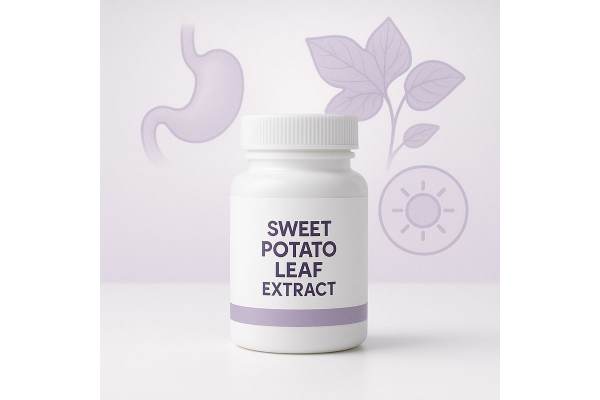
Sweet potato leaves are often treated as farm waste, yet they are one of the most concentrated natural sources of plant polyphenols, including chlorogenic acids, caffeic acid, and rutin. Modern extraction techniques turn these tender greens into sweet potato leaf extract, a standardized powder or liquid rich in antioxidants with potential anti-inflammatory, metabolic, and anticancer properties. Early research in cells and animals suggests the extract may help reduce oxidative stress, modulate inflammatory pathways, and influence blood sugar regulation. A small human study using purple sweet potato leaves has also shown reduced markers of DNA damage and lipid peroxidation. Still, clinical evidence is limited, dosages are not fully standardized, and supplement quality can vary widely. This guide walks you through what sweet potato leaf extract is, where it may help, how to use it safely, and which side effects and precautions to keep in mind before adding it to your routine.
Key Insights on Sweet Potato Leaf Extract
- Provides concentrated polyphenols with strong antioxidant and potential anti-inflammatory activity.
- Early research suggests benefits for oxidative stress, inflammation, metabolic health, and cellular protection.
- Typical supplemental range is about 250–1,000 mg per day of standardized sweet potato leaf extract.
- May cause digestive upset or interact with medications that affect blood sugar, clotting, or immunity.
- People who are pregnant, breastfeeding, have kidney stones, or take multiple medications should avoid it unless a clinician advises otherwise.
Table of Contents
- What is sweet potato leaf extract?
- Evidence-based benefits and properties
- How to take sweet potato leaf extract
- Best uses and combinations
- Side effects and safety considerations
- Who should avoid it and practical tips
What is sweet potato leaf extract?
Sweet potato leaf extract is a concentrated preparation made from the green leaves (and sometimes stems) of the sweet potato plant, Ipomoea batatas. Unlike the familiar orange or purple tuber, the leaves are mainly consumed in parts of Asia and Africa as a leafy vegetable. When processed into an extract, they provide a dense, standardized source of polyphenols and other phytochemicals that would otherwise require large servings of cooked greens to match.
Manufacturers typically dry the leaves at low temperatures, grind them, and then extract them using water or hydroalcoholic solvents. The resulting liquid is filtered and concentrated, then spray-dried into a powder or encapsulated. High-quality products often standardize the extract to a minimum percentage of total polyphenols or specific compounds such as chlorogenic acids. This standardization is important: it allows more predictable dosing and easier comparison between products.
Phytochemically, sweet potato leaf extract is rich in:
- Phenolic acids: especially mono- and dicaffeoylquinic acids (various chlorogenic acids) and caffeic acid.
- Flavonoids: including rutin, quercetin derivatives, and other flavonols and flavones.
- Minor components: carotenoids (including some β-carotene), vitamin C, minerals, and fiber fragments.
These compounds give the extract strong antioxidant capacity in vitro and may help explain its anti-inflammatory and metabolic effects observed in experimental studies. However, the extract is not a single molecule drug; it is a complex blend, and different batches or brands can vary depending on the cultivar, growing conditions, and extraction method.
In the supplement market, sweet potato leaf extract is usually positioned as:
- An antioxidant and anti-inflammatory botanical.
- A potential support for blood sugar balance and metabolic health.
- A general cellular-protection or “longevity” ingredient often blended into greens powders or polyphenol complexes.
Because clinical evidence is still emerging, most health claims should be seen as preliminary. The extract is best viewed as a supportive dietary tool rather than a standalone treatment for any disease.
Evidence-based benefits and properties
Most of what we know about sweet potato leaf extract comes from laboratory and animal studies, with a few early human investigations using whole leaves or leaf-rich foods. The best-supported properties so far relate to antioxidant, anti-inflammatory, and potential anticancer effects, with additional clues for metabolic health.
1. Strong antioxidant capacity
Extracts from sweet potato leaves consistently show high total polyphenol content and robust free-radical scavenging activity in chemical assays. Experiments using liver cell models have demonstrated that leaf polyphenols can reduce intracellular reactive oxygen species and protect cells exposed to oxidative stress. Together, these findings suggest that the extract could help buffer oxidative damage caused by aging, pollution, exercise, or chronic disease, though direct confirmation in humans is still modest.
2. Anti-inflammatory activity
Polyphenol-rich extracts from sweet potato stems and leaves have been shown to dampen inflammatory signaling in immune cell models. They reduce the production of key inflammatory messengers such as TNF-α, IL-1β, and IL-6, and they appear to act partly by inhibiting the NF-κB and MAPK pathways that drive many chronic inflammatory processes. This positions sweet potato leaf extract as a potential adjunct for low-grade inflammation linked to metabolic, cardiovascular, or joint concerns, though again human trials are sparse.
3. Potential anticancer actions (preclinical)
In cancer cell lines and mouse models, sweet potato greens extracts have demonstrated the ability to:
- Inhibit proliferation of various cancer cells, including prostate and colon lines.
- Trigger apoptosis (programmed cell death) through mitochondrial pathways and caspase activation.
- Reduce tumor growth in xenograft models without obvious toxicity.
These results are promising but firmly preclinical. They cannot be translated into specific anticancer recommendations for humans. At best, they suggest that a diet rich in these polyphenols could be one component of a broader cancer-preventive lifestyle.
4. Support for DNA and lipid protection
A small human trial using purple sweet potato leaves as a food showed reductions in markers of lipid peroxidation and DNA damage after several weeks of consumption. While this study used cooked leaves, not an isolated extract, it supports the idea that the polyphenols can exert systemic antioxidant effects in humans and may help protect cell membranes and genetic material from oxidative harm.
5. Possible metabolic and vascular benefits
Animal research has hinted that sweet potato leaves and their extracts may:
- Improve glucose tolerance and insulin sensitivity.
- Modulate incretin hormones such as GLP-1.
- Lower blood lipids in some models.
- Support vascular function through improved nitric-oxide signaling and reduced oxidative stress in vessels.
These findings are biologically plausible given the polyphenol profile, but until well-designed human studies are published, any claims about blood sugar control, cholesterol management, or blood pressure reduction must be considered speculative.
In summary, sweet potato leaf extract appears to be a potent source of antioxidant and anti-inflammatory polyphenols with intriguing preclinical data in cancer and metabolic models, along with limited early human evidence for oxidative stress reduction. Its benefits are best framed as supportive rather than curative.
How to take sweet potato leaf extract
Because sweet potato leaf extract is relatively new as a supplement ingredient and not yet widely standardized, there is no universally accepted clinical dosage. Most available products extrapolate from:
- Traditional intake of fresh leaves as a vegetable.
- Polyphenol content comparable to other green-leaf extracts.
- Safe ranges observed in animal toxicity studies.
Typical supplemental dosage ranges
For adults with no major medical conditions, manufacturers often suggest:
- Capsules or tablets: 250–500 mg of sweet potato leaf extract once or twice daily, for a total of 250–1,000 mg per day.
- Powders: 0.5–1 teaspoon per day (often around 1–3 grams), sometimes in blends with other greens; actual sweet potato leaf content may be lower depending on the formula.
- Liquid extracts or tinctures: 1–3 mL once or twice daily, depending on concentration.
These ranges are practical rather than evidence-based therapeutic doses. If you are starting a new product, it is sensible to begin at the lower end (for example, 250 mg once daily) for one to two weeks to gauge tolerance before increasing.
Timing with meals
Sweet potato leaf extract is usually taken with food to:
- Improve absorption of fat-soluble components like carotenoids.
- Minimize digestive side effects such as nausea or cramping.
A common pattern is once with breakfast and, if a second dose is used, again with lunch or dinner. Late-evening doses are generally acceptable since the extract is not known to be stimulating, although people sensitive to any supplement may prefer earlier timing.
Standalone vs. blends
You might find sweet potato leaf extract:
- As a solo ingredient in capsules (helpful if you want controllable dosing).
- Inside broader “greens” or “polyphenol” blends with ingredients like green tea, grape seed, or olive leaf.
Standalone products offer the most transparency about dose. Blends can be useful for general antioxidant support but often list only a total proprietary blend amount, making it hard to know how much sweet potato leaf extract you are actually taking. If you are targeting a specific daily range, look for labels that specify milligrams of sweet potato leaf extract or “sweet potato leaves (standardized extract)” per serving.
Duration of use
For general antioxidant support, many people use such extracts continuously in the same way they might consume a daily multivitamin or greens powder. For more targeted goals—such as recovering from a period of intense exercise or stress—some choose time-limited courses of 8–12 weeks, then reassess with their clinician.
Because long-term human safety data are limited, it is wise to:
- Take periodic breaks (for example, 1–2 weeks off every 2–3 months) if using higher doses.
- Monitor any changes in digestion, energy, or lab work (if you undergo regular blood tests).
Always follow the instructions on your specific product and discuss any sustained high-dose or therapeutic use with a healthcare professional.
Best uses and combinations
Sweet potato leaf extract is not a magic bullet, but it can play a supportive role within a broader nutrition and lifestyle strategy. How you use it depends on your goals and your overall health status.
1. General antioxidant and inflammation support
If your aim is broad cellular protection—because of aging, high training loads, or a high-stress lifestyle—sweet potato leaf extract can fit into an antioxidant “stack” that also includes:
- A varied diet rich in colorful vegetables and fruits.
- Other polyphenol-rich botanicals such as green tea extract, grape seed extract, or rosemary.
- Adequate omega-3 intake from fatty fish or supplements.
In this context, the extract acts as an extra source of chlorogenic acids and related compounds that may complement other antioxidants without relying on massive doses of any single compound.
2. Metabolic and blood sugar support
Preclinical research suggests that sweet potato leaf polyphenols may influence insulin sensitivity, glucose uptake, and incretin hormones. For people working on blood sugar balance (alongside diet, exercise, and medications when prescribed), the extract might be combined with:
- Cinnamon or berberine (under professional guidance) for additional insulin and glucose pathway support.
- Fiber supplements like psyllium or inulin to slow carbohydrate absorption.
Because some of these ingredients can lower blood sugar, combinations should be approached cautiously, especially if you already take diabetes medications. Monitoring blood glucose more closely at the start of use is essential.
3. Exercise recovery and oxidative stress
Athletes and physically active individuals sometimes use polyphenol extracts to mitigate exercise-induced oxidative stress and muscle damage. Sweet potato leaf extract could be added to a post-workout stack that includes:
- Whey or plant-based protein.
- Tart cherry, pomegranate, or blueberry extracts.
- Electrolytes and hydration support.
The goal here is not to eliminate all oxidative stress—which is part of training adaptation—but to prevent excessive damage during intense blocks of training or competition.
4. Skin and vascular health
Given its antioxidant and anti-inflammatory profile, sweet potato leaf extract is occasionally incorporated into formulations marketed for:
- Skin health and photoprotection.
- Microcirculation and vascular function.
In such formulas, it may be paired with vitamin C, vitamin E, grape seed extract, and carotenoids like lutein. While mechanistically reasonable, human trials specifically targeting these outcomes are still limited, so expectations should remain modest.
5. Combinations to approach carefully
Because of overlapping effects, certain pairings warrant extra caution:
- Multiple strong blood sugar–lowering herbs (for example, berberine, bitter melon, high-dose cinnamon) plus sweet potato leaf extract, especially if you use insulin or oral hypoglycemics.
- High-dose anticoagulant or antiplatelet drugs (warfarin, certain antithrombotics) plus large amounts of polyphenol-rich extracts that might subtly influence clotting or vessel function.
- Very high polyphenol intake from many supplements at once, which in rare cases could contribute to digestive upset or iron absorption issues.
When in doubt, start with one new product at a time, introduce it gradually, and keep your healthcare team informed about everything you are taking.
Side effects and safety considerations
Overall, sweet potato leaves are widely consumed as a food and are considered safe for most healthy people. Toxicity studies using concentrated leaf extracts in animals have generally shown low acute toxicity and acceptable organ safety at doses much higher than those used in human supplements. However, extracts concentrate certain compounds and bypass some of the natural limits of whole foods, so a cautious approach is still appropriate.
Common, usually mild side effects
At typical supplemental doses, the most frequently reported issues are digestive and tend to resolve with dose reduction or taking the extract with meals:
- Mild nausea.
- Stomach discomfort or cramping.
- Loose stools or, less often, constipation.
- Increased gas or bloating.
These effects are likely due to polyphenols, residual fiber, or solvent residues in poorly purified products. Choosing reputable brands and starting with a low dose can minimize them.
Allergy and sensitivity
Documented allergies specifically to sweet potato leaves are rare, but any plant extract can trigger reactions in susceptible individuals. Warning signs include:
- Rash, itching, or hives.
- Swelling of lips, tongue, or throat.
- Difficulty breathing or tightness in the chest.
These symptoms require immediate medical attention and permanent avoidance of the product. People with known allergies to foods in the Convolvulaceae family should exercise extra caution.
Kidney stones and oxalate concerns
Like many leafy greens, sweet potato leaves can contain oxalates, which may contribute to kidney stone formation in predisposed individuals. It is not yet fully clear how much oxalate ends up in standardized extracts, as processing can either concentrate or reduce these compounds.
If you have:
- A history of calcium oxalate kidney stones.
- Diagnosed hyperoxaluria.
it is prudent to avoid sweet potato leaf extract or use it only under close medical supervision, prioritizing hydration and an overall low-oxalate diet.
Interactions with medications
Potential interaction areas include:
- Blood sugar–lowering drugs: The extract may modestly improve insulin sensitivity or glucose handling. When combined with insulin or oral diabetes medications, this could theoretically increase the risk of hypoglycemia. Monitoring blood glucose and adjusting drug doses (under professional guidance) may be necessary.
- Anticoagulants and antiplatelet agents: High polyphenol intakes can sometimes influence platelet function and endothelial health. While there is no clear evidence of major risk, it is wise to be cautious if you are on warfarin, DOACs, or dual antiplatelet therapy. Report any unusual bleeding or bruising and keep your prescriber informed.
- Immunosuppressants: Because polyphenols can modulate immune and inflammatory pathways, people on strong immunosuppressive regimens after transplantation or for autoimmune disease should always clear new botanicals with their specialist.
Pregnancy, breastfeeding, and children
There are no robust clinical trials of sweet potato leaf extract in pregnant or breastfeeding people or young children. While moderate intake of cooked leaves as food is generally accepted, concentrated extracts provide far higher doses of active compounds, and their safety is unknown in these groups.
Until more evidence is available:
- Avoid sweet potato leaf extract during pregnancy and breastfeeding unless specifically recommended by a clinician who knows your case.
- Do not give sweet potato leaf extract supplements to children unless directed by a pediatric healthcare provider.
Who should avoid it and practical tips
Not everyone is a good candidate for sweet potato leaf extract, and even for those who are, a few practical guidelines can make its use safer and more effective.
Who should avoid sweet potato leaf extract
Generally, you should not use a sweet potato leaf extract supplement (unless a clinician explicitly approves it) if you:
- Are pregnant, planning pregnancy, or breastfeeding.
- Have a history of recurrent kidney stones, especially calcium oxalate stones.
- Are on intensive immunosuppressive therapy (for example, post-transplant regimens).
- Have a known allergy to sweet potato or related plants.
- Have advanced liver or kidney disease where any new supplement could add metabolic burden.
People taking multiple prescription medications—especially for diabetes, heart disease, clotting disorders, or autoimmune illnesses—should only start the extract after reviewing it with their healthcare team.
How to choose a high-quality product
Because supplement regulation varies by country, choosing a reputable brand is crucial. Look for:
- Clear labeling of the plant part (“sweet potato leaves” or “sweet potato stems and leaves”), not just “sweet potato extract.”
- Standardization to a defined polyphenol content (for example, “standardized to ≥20% total polyphenols” or “≥10% chlorogenic acids”).
- Evidence of third-party testing for purity, heavy metals, and microbial contamination.
- Transparent disclosure of excipients (fillers, binders) and absence of unnecessary artificial colors or preservatives.
If possible, prefer brands that disclose the sweet potato cultivar, country of origin, and extraction method (water vs. ethanol-water). These details signal a more careful manufacturing process.
Practical tips for safe use
- Start low: Begin with 250 mg once daily for one to two weeks to assess tolerance, especially if you are sensitive to new supplements.
- Pair with food: Take your dose with a meal that contains a little healthy fat (olive oil, avocado, nuts) to improve absorption and reduce stomach upset.
- Track your response: Note any changes in digestion, energy, sleep, or symptoms; if you track lab markers such as fasting glucose or lipids, review them over time with your clinician.
- Avoid “stack overload”: If you already use several high-dose polyphenol supplements, ask whether consolidating or rotating them makes more sense than simply adding another one.
Putting it all together
For a generally healthy adult, a conservative, evidence-informed pattern might look like:
- 250–500 mg standardized sweet potato leaf extract with breakfast.
- Optional second 250–500 mg dose with lunch for short periods (8–12 weeks) if additional antioxidant support is desired.
- Regular reassessment of need, especially if you change medications or health status.
Used thoughtfully, sweet potato leaf extract can be one more tool in a diet-first, lifestyle-centered approach to supporting oxidative balance and low-grade inflammation, rather than a replacement for medical care or foundational habits.
References
- Purification, Composition, and Anti-Inflammatory Activity of Polyphenols from Sweet Potato Stems and Leaves 2025 (Experimental Study)
- Chemical Characterization and Antioxidant Properties of Ethanolic Extract and Its Fractions from Sweet Potato (Ipomoea batatas L.) Leaves 2019 (Experimental Study)
- Polyphenol-rich sweet potato greens extract inhibits proliferation and induces apoptosis in prostate cancer cells in vitro and in vivo 2013 (Experimental Study)
- The In Vitro Antioxidant Activity and Inhibition of Intracellular Reactive Oxygen Species of Sweet Potato Leaf Polyphenols 2018 (Experimental Study)
- SAFETY ASSESSMENT OF IPOMOEA BATATAS (L). LAM LEAF EXTRACT, A TRADITIONAL HAEMATINIC; IN MALE WISTAR RATS 2015 (Toxicology Study)
Disclaimer
The information in this article is for educational purposes only and is not a substitute for personalized medical advice, diagnosis, or treatment. Sweet potato leaf extract is a dietary supplement, not a drug, and it has not been approved by regulatory authorities to prevent, treat, or cure any disease. Always consult a qualified healthcare professional before starting, stopping, or changing any supplement, especially if you are pregnant or breastfeeding, have a medical condition, or take prescription or over-the-counter medications. Never delay seeking or disregard professional medical advice because of something you read here.
If you found this guide helpful, you are warmly invited to share it with others on Facebook, X (formerly Twitter), or any platform you prefer, and to follow our work on social media. Your support in sharing the article helps our team continue creating well-researched, high-quality content for readers around the world.