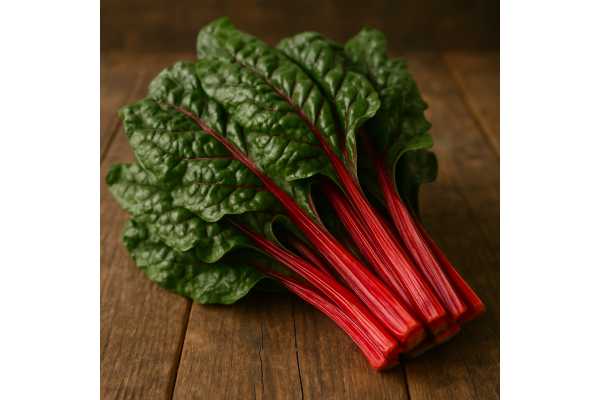
Swiss chard is one of the most nutrient-dense leafy greens you can put on your plate, yet it often sits quietly behind spinach and kale. A member of the beet family (Beta vulgaris subsp. cicla), it is also known as silverbeet, perpetual spinach, or simply “chard.” Its broad, dark leaves and brightly colored stems (white, yellow, pink, or red in “rainbow” chard) bring both visual appeal and impressive nutrition.
Despite a delicate, slightly earthy flavor, Swiss chard delivers substantial amounts of vitamin K, vitamin A, vitamin C, magnesium, potassium, and antioxidant polyphenols, all for very few calories. It fits smoothly into many styles of eating, from Mediterranean and vegetarian to low-energy density weight management plans. You can enjoy it raw in salads, quickly wilted into pastas and grain bowls, or braised with olive oil and garlic as a simple side.
This guide walks through Swiss chard’s nutrition profile per 100 g cooked, evidence-based health benefits, potential risks (including oxalates and vitamin K), sustainable selection and storage, cooking strategies to preserve nutrients, and practical portion advice.
Essential Insights
- Swiss chard is very low in calories yet rich in vitamin K, vitamin A, vitamin C, magnesium, and potassium, supporting bone, heart, and immune health.
- Like other leafy greens, Swiss chard contains high levels of natural nitrates that may help lower blood pressure when eaten regularly as part of a balanced diet.
- A practical serving is about 75–100 g cooked Swiss chard (roughly ½–1 cup), enjoyed most days of the week alongside a variety of other vegetables.
- Swiss chard is high in oxalates; people with a history of calcium oxalate kidney stones or on low-oxalate diets may need to limit portions or use boiling to reduce oxalate content.
- Because Swiss chard is extremely rich in vitamin K, individuals taking warfarin or other vitamin K–sensitive anticoagulants should keep their intake consistent and coordinate with their clinician.
Table of Contents
- Swiss chard background and culinary roles
- Swiss chard nutrition profile explained
- Evidence based benefits of Swiss chard
- Risks allergies and Swiss chard interactions
- Selecting storing and sustainable Swiss chard
- Preparing Swiss chard and saving nutrients
- Portions comparisons and Swiss chard questions
Swiss chard background and culinary roles
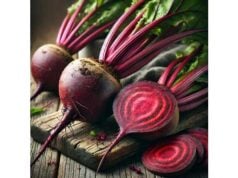
Swiss chard belongs to the same species as beetroot but has been bred for its broad leaves and crunchy stems rather than its root. Botanically, it is Beta vulgaris subsp. cicla, sometimes labeled as silverbeet or perpetual spinach in European and Australian markets. The “Swiss” label is historical rather than geographic; chard is cultivated widely in Mediterranean, Middle Eastern, and temperate regions around the world.
There are two main horticultural types:
- Green or white-stem chard, with thick white ribs and deep green leaves.
- Rainbow or colored chard, which is actually a mix of red, yellow, pink, and orange-stemmed varieties such as ‘Bright Lights.’
Despite sometimes being compared with spinach, Swiss chard has its own profile: the leaves are tender when cooked but a little sturdier than spinach, and the stems have a mild, slightly sweet, faintly beet-like taste. Both leaves and stems are edible.
Culinary uses span many traditions:
- Mediterranean and Middle Eastern cooking – braised with olive oil, garlic, onions, and lemon; folded into pies, frittatas, and grain dishes.
- Central European and US cuisines – added to soups, stews, omelets, or simply sautéed with aromatics.
- Health-focused recipes – blended into smoothies, finely shredded into salads, or used as a base for grain bowls in place of lettuce.
The stems, which many people discard, can be:
- Chopped and sautéed first (they take a bit longer to soften than leaves).
- Pickled or quick-brined.
- Roasted or baked in gratins, where their color and mild sweetness stand out.
From a nutrition and sustainability perspective, using both leaves and stems helps reduce waste while maximizing the nutrient density per euro or dollar spent.
Swiss chard nutrition profile explained
Most people eat Swiss chard cooked. The following tables summarize cooked, boiled, drained Swiss chard without added salt per 100 g, using USDA-based data and representative analyses.
Macros and electrolytes (per 100 g cooked, boiled, drained)
| Nutrient | Amount per 100 g | Approximate %DV* |
|---|---|---|
| Energy | 20 kcal | 1% |
| Total carbohydrate | 4.1 g | 1% |
| Dietary fiber | 2.1 g | 8% |
| Total sugars | ~1.0–1.9 g | – |
| Protein | 1.9 g | 4% |
| Total fat | 0.1 g | 0% |
| Saturated fat | 0.01–0.02 g | 0% |
| Sodium | ~170–180 mg | 7–8% |
| Potassium | ~549 mg | 12% |
*%DV based on a 2,000 kcal diet; values rounded.
Swiss chard is very low in calories and fat, with modest carbohydrates and a notable amount of fiber given its low energy content. The relatively high potassium and moderate sodium (even without added salt) make it particularly interesting for blood pressure and fluid balance, especially when it replaces high-sodium foods.
Vitamins (per 100 g cooked)
| Vitamin | Amount | Approximate %DV* |
|---|---|---|
| Vitamin K (phylloquinone) | ~327 µg | 270%+ |
| Vitamin A (as RAE) | ~157 µg | ~17% |
| Vitamin C | ~18 mg | 20% |
| Vitamin E | ~1.9 mg | 13% |
| Vitamin B6 | 0.085 mg | 5% |
| Folate (DFE) | 9 µg | 2% |
| Thiamin (Vitamin B1) | ~0.04–0.06 mg | 3–5% |
| Riboflavin (Vitamin B2) | ~0.1–0.14 mg | 8–12% |
| Niacin (Vitamin B3) | ~0.36–0.63 mg | 2–4% |
Swiss chard is exceptionally rich in vitamin K, with a single cooked cup (175 g) providing nearly 480% of the daily value, and it contributes meaningful amounts of vitamin A (via carotenoids), vitamin C, and vitamin E.
Minerals (per 100 g cooked)
| Mineral | Amount | Approximate %DV* |
|---|---|---|
| Magnesium | ~86 mg | 20% |
| Potassium | ~549 mg | 12% |
| Calcium | ~58 mg | 4% |
| Iron | ~2.3 mg | 13% |
| Manganese | ~0.33 mg | 14% |
| Phosphorus | ~33 mg | 3–4% |
| Copper | ~0.16 mg (from scaled data) | ~18% |
| Zinc | ~0.4–1.0 mg (varies by source) | 3–7% |
Magnesium, potassium, iron, manganese, and copper stand out. One cooked cup can provide around one-third of an adult’s magnesium needs and 20% of potassium, both important for blood pressure control and nerve and muscle function.
Bioactives, phytonutrients, and glycemic metrics
Swiss chard is more than a “vitamin K vegetable.” Research has identified:
- Phenolic antioxidants and flavonoids
- Includes syringic acid, kaempferol, and apigenin, which contribute to antioxidant and anti-inflammatory activity.
- Carotenoids
- Beta carotene and lutein–zeaxanthin support eye health and may protect against oxidative stress.
- Nitrates
- Leafy greens like Swiss chard are naturally nitrate rich, and dietary nitrate can be converted to nitric oxide, a signaling molecule that relaxes blood vessels.
From a glycemic perspective, Swiss chard has very low carbohydrate content and is estimated to have low glycemic index and low glycemic load, meaning it has minimal direct impact on blood glucose when eaten alone.
Evidence based benefits of Swiss chard
Swiss chard’s health effects stem from its unique combination of nutrients (particularly vitamin K, magnesium, potassium, and carotenoids) and its polyphenol and nitrate content. While there are relatively few trials on Swiss chard alone, many findings can be inferred from research on leafy greens, beet family vegetables, and nitrate-rich plant foods.
Cardiovascular and blood pressure support
Leafy greens, including Swiss chard, are important sources of dietary nitrate, potassium, and magnesium, all three of which influence vascular tone and blood pressure:
- Large cohort data link higher intakes of nitrate-rich vegetables with a lower risk of cardiovascular disease, partly through improved nitric oxide availability.
- Meta-analyses of nitrate-rich vegetable or beetroot interventions show modest but significant reductions in systolic and diastolic blood pressure in people with and without hypertension.
- One cup of cooked Swiss chard provides roughly 20% of daily potassium and around one-third of daily magnesium, both associated with better blood pressure control and lower cardiovascular risk when consumed as part of an overall healthy diet.
Bone health and coagulation
Swiss chard is one of the highest vitamin K vegetables known. Vitamin K1 is crucial for:
- Activating proteins involved in normal blood clotting.
- Carboxylating osteocalcin, a protein needed for proper bone mineralization.
Observational studies suggest that diets rich in vitamin K–containing leafy greens are associated with better bone density and lower fracture risk, especially when combined with adequate calcium and vitamin D. Swiss chard also contributes some calcium and magnesium, both important for bone structure.
Antioxidant and anti-inflammatory potential
Studies on Swiss chard extracts demonstrate significant antioxidant activity, largely attributed to phenolic compounds and flavonoids:
- Early work identified strong radical-scavenging capacity in Swiss chard leaf extracts, suggesting potential protection against oxidative stress.
- More recent analyses of Beta vulgaris leaves, including Swiss chard, highlight a rich profile of polyphenols and carotenoids with anti-inflammatory and antimicrobial properties.
- In animal models, flavonoid-rich extracts from Swiss chard have shown protective effects against certain types of kidney damage, although this does not translate directly to supplement recommendations for humans.
Metabolic and blood sugar regulation
Swiss chard is extremely low in calories, has modest carbohydrate, and provides meaningful fiber, which together can help:
- Increase meal volume without adding many calories, potentially supporting weight management.
- Slow carbohydrate absorption when combined with higher-carb foods, thanks to its fiber and low glycemic load.
Leafy greens in general are repeatedly linked with reduced risk of type 2 diabetes and cardiometabolic diseases in observational studies, and Swiss chard fits well into those patterns when eaten regularly alongside other vegetables.
Eye, brain, and general health
The carotenoids lutein and zeaxanthin in Swiss chard accumulate in the retina and may help protect against age-related macular changes. Vitamin A and vitamin C support healthy epithelial tissues and immunity, while magnesium and potassium contribute to nerve signaling and muscle function.
Overall, Swiss chard is best viewed as a high-impact leafy green that supports multiple systems — vascular, skeletal, metabolic, and immune — when used as part of an overall plant-rich dietary pattern rather than as a standalone “superfood.”
Risks allergies and Swiss chard interactions
For most healthy people, Swiss chard is safe and beneficial. However, several specific issues deserve attention.
Oxalates and kidney stones
Swiss chard is one of the high-oxalate leafy greens, with reported oxalate levels reaching several hundred to over one thousand milligrams per 100 g fresh weight. Oxalate can bind calcium to form calcium oxalate stones in susceptible individuals. Key points:
- For people with a history of calcium oxalate kidney stones, guidelines often recommend limiting high-oxalate foods, including Swiss chard, spinach, beets, and rhubarb.
- Boiling high-oxalate vegetables and discarding the cooking water can substantially reduce soluble oxalate (by ~30–87% in experimental studies), whereas steaming is less effective.
- Pairing high-oxalate foods with calcium sources (such as dairy or fortified alternatives) at the same meal can help bind oxalate in the gut, reducing absorption.
Individuals with recurrent kidney stones or prescribed low-oxalate diets should consult their nephrologist or dietitian to decide whether small, occasional portions of Swiss chard are acceptable.
Vitamin K and anticoagulant medication
Because Swiss chard is extremely rich in vitamin K1, large fluctuations in intake can interfere with vitamin K–sensitive anticoagulants like warfarin:
- Clinical and patient education resources emphasize keeping vitamin K intake consistent, not eliminating it, so that warfarin doses can be accurately adjusted.
- Abruptly increasing or decreasing leafy green intake can change INR (a measure of blood clotting) and alter bleeding risk.
Anyone on warfarin or similar medications should discuss their typical leafy green intake (including Swiss chard) with their prescribing clinician before making major diet changes.
Nitrates and general safety
Concern has historically existed about nitrates and nitrites in processed meats, but nitrates from vegetables behave differently:
- Reviews and meta-analyses show that dietary nitrate from vegetables can lower blood pressure and support vascular health, with no clear evidence of harm at usual dietary levels.
- The main cautions relate to infants consuming high-nitrate well water or certain high-nitrate vegetable juices; regular food portions of leafy greens like Swiss chard are not typically an issue for older children and adults.
Allergy, intolerance, and digestion
True allergy to Swiss chard is uncommon, but as with any food:
- Isolated case reports describe reactions to beet family vegetables, and cross-reactivity is conceivable in highly sensitive individuals.
- Swiss chard’s fiber and polyols may cause bloating or gas in people with irritable bowel syndrome or very sensitive digestion, especially in large servings or when eaten very quickly.
Starting with smaller portions (½ cup cooked) and monitoring symptoms is a practical approach for those with sensitive guts.
Heavy metals and environmental contaminants
Recent analyses of Swiss chard and related leaves show that the plant can accumulate trace elements, including lead and cadmium, when grown in contaminated soils. For most consumers buying from regulated markets this is unlikely to be a major risk, but it underscores the importance of:
- Avoiding growing leafy greens in soils near heavy traffic, industrial sites, or treated wood.
- Washing leaves thoroughly to remove soil particles and surface residues.
Selecting storing and sustainable Swiss chard
Choosing high-quality Swiss chard and handling it well at home protects both its nutrition and its safety.
How to choose fresh Swiss chard
When shopping:
- Look for crisp, vibrant leaves with no yellowing, wilting, or slimy areas.
- Stems should be firm and brightly colored (in rainbow chard) or clean white (in standard Swiss chard), without cracks or dark spots.
- Avoid bunches with a strong “swampy” odor or significant decay at the stem base; these are signs of age or improper storage.
Swiss chard is often in peak condition from late spring through autumn, but in many regions it grows year-round in greenhouses or mild climates. Local, in-season chard typically has better flavor and texture and a smaller environmental footprint.
Storage for freshness and safety
Swiss chard is more perishable than root vegetables but less fragile than delicate salad greens:
- Refrigeration: Wrap unwashed bunches loosely in a reusable bag or cloth, ideally with a slightly damp paper towel around the stems, and store in the crisper drawer. Use within 3–5 days for best quality.
- Prepping: Just before cooking, rinse leaves and stems thoroughly under cool running water to remove soil and grit, paying special attention to the base where soil can collect.
- Cut surfaces: If you must pre-chop, store in an airtight container in the refrigerator and use within 1–2 days to limit vitamin C loss and microbial growth.
Cooked Swiss chard should be refrigerated within two hours of cooking and eaten within 3–4 days, or frozen for longer storage.
Sustainability notes
From a sustainability standpoint, Swiss chard has several advantages:
- It is relatively high yielding and can be harvested multiple times from the same plant, reducing the need for replanting.
- It tolerates heat and cooler weather, making it suitable for extended growing seasons, including small home gardens and urban plots.
- Both leaves and stems are edible, so there is little unavoidable food waste if you use the whole plant.
Choosing locally grown chard where possible supports regional agriculture and can reduce transport-related emissions. For those growing their own, avoiding excess nitrogen fertilizer can reduce the risk of overly high nitrate accumulation in leaves while protecting soil health.
Preparing Swiss chard and saving nutrients
How you cook Swiss chard changes its flavor, texture, and nutrient profile. Some nutrients are made more available by heat, while others are lost in cooking water or steam.
Cleaning and basic prep
- Rinse thoroughly: Fill a large bowl or sink with cool water, submerge the leaves, agitate gently, and let grit sink to the bottom. Repeat if necessary.
- Separate stems and leaves:
- Cut off the very base where stems join if it is tough.
- Slice stems into smaller pieces; they require slightly longer cooking.
- Tear or chop leaves into ribbons or large pieces.
Cooking methods and nutrient impact
- Sautéing or quick braising
- Lightly sauté stems in olive oil with garlic or onion, then add leaves with a splash of water or broth.
- This method preserves fat-soluble vitamins (like vitamin K and carotenoids) and enhances their absorption due to the presence of oil.
- Steaming
- Gentle steaming softens leaves without fully immersing them in water, helping retain vitamin C compared with long boiling.
- For those limiting oxalate, steaming is less effective than boiling at reducing soluble oxalate.
- Boiling
- Boiling chard in ample water and draining reduces soluble oxalate significantly, a strategy often recommended for people with kidney stone risk.
- However, it also leaches some water-soluble vitamins (vitamin C, folate, some B vitamins) into the cooking water.
- Microwaving
- Brief microwaving with minimal water can be a good compromise: quick, convenient, and relatively gentle on vitamins, especially if you use just enough water to create steam.
Balancing nitrate, oxalate, and vitamin retention
For most people, the priorities are flavor and overall nutrient density:
- Sautéing or steaming with a small amount of healthy fat preserves flavor, texture, and many vitamins, and supports carotenoid and vitamin K absorption.
- Those with calcium oxalate kidney stones may deliberately choose boiling and discard the cooking water to reduce oxalate load, then pair the meal with calcium-containing foods.
Dietary nitrate is relatively heat stable, so usual cooking methods still leave useful amounts that can contribute to blood pressure and vascular benefits as part of a nitrate-rich diet.
Practical meal ideas
- Toss wilted chard with whole grains, legumes, and a lemon-tahini dressing for a balanced bowl.
- Add chard leaves near the end of cooking soups, stews, or curries to preserve color and texture.
- Use chopped leaves as a partial replacement for spinach in lasagna or savory pies.
- Sauté stems separately and fold them into omelets, frittatas, or grain salads for crunch.
These approaches allow you to enjoy Swiss chard regularly without relying on a single cooking style, and they make it easier to fit into different dietary patterns.
Portions comparisons and Swiss chard questions
Typical serving sizes and frequency
Common guidance for leafy greens suggests at least several cups per week, and often 1 cup cooked or 2 cups raw leafy greens per day as part of a heart-healthy pattern.
For Swiss chard specifically:
- Cooked serving: ~75–100 g (about ½–1 cup)
- Raw serving: ~40–50 g (1–2 loosely packed cups, depending on chop)
Most people can enjoy Swiss chard most days of the week, rotating with other greens (spinach, kale, cabbage, lettuce) for variety. Those with kidney stones, on low-oxalate plans, or taking warfarin should tailor frequency and portion size under clinical guidance.
Swiss chard versus other leafy greens
- Swiss chard vs spinach
- Both are high in vitamin K and oxalates.
- Spinach generally has even higher oxalate levels; Swiss chard often provides more magnesium per cup cooked.
- Swiss chard vs kale
- Kale is rich in vitamin K and vitamin C, with lower oxalate content than Swiss chard.
- Chard tends to be more tender when cooked and may be easier to incorporate in large volumes.
- Swiss chard vs beet greens
- Beet greens are closely related and also high in oxalates and micronutrients; flavor is somewhat stronger and more “beety.”
Rotating among different greens helps spread the benefits and avoid over-reliance on any single high-oxalate vegetable.
Frequently asked questions
Is Swiss chard okay for people with diabetes?
Yes, in appropriate portions. Swiss chard is low in carbohydrates and energy and has a low estimated glycemic load, so it can help add volume and nutrients without significantly raising blood sugar when combined with other foods. Individual responses still vary, so people with diabetes should monitor their glucose and discuss patterns with their care team.
Can you eat Swiss chard raw?
Yes. Tender young leaves are good in salads or as a wrap for fillings. Raw chard provides more vitamin C but may be harder to digest for some people, and oxalate content remains high. Blanching or light cooking can improve digestibility.
Is Swiss chard safe during pregnancy and breastfeeding?
In normal food amounts, Swiss chard is generally considered safe and can contribute vitamin K, folate, magnesium, and other micronutrients. Pregnant and breastfeeding individuals with a history of kidney stones or on anticoagulants should discuss leafy green intake with their healthcare provider.
Do I need to buy organic Swiss chard?
Leafy greens can carry pesticide residues, but washing under running water and using a brief soak can remove a substantial portion. Buying organic or from trusted local growers is an option if available and affordable, but rinsing thoroughly is important either way.
Can pets eat Swiss chard?
Small amounts of plain, cooked chard are sometimes included in homemade dog diets, but oxalate content and differing nutrient needs mean that significant quantities should only be fed under veterinary guidance. Cats are generally not good candidates for high-vegetable diets.
References
- Nutrition Facts for Cooked Swiss Chard (Boiled, Drained) 2023 (Database)
- Exploring the Biochemical Profile of Beta vulgaris L. 2025 (Research Article)
- The Cardioprotective Role of Nitrate-Rich Vegetables 2024 (Systematic Review)
- Nitrate Derived From Beetroot Juice Lowers Blood Pressure in Patients With Arterial Hypertension: A Systematic Review and Meta-Analysis 2022 (Systematic Review)
- Kidney Stone Diet Plan and Prevention 2019 (Guideline/Patient Resource)
Disclaimer
The information in this article is intended for general education about Swiss chard and is not a substitute for personalized medical or nutrition advice. Individual needs vary based on age, health status, medications, and overall dietary pattern. If you have kidney disease, a history of kidney stones, clotting disorders, are taking blood thinners such as warfarin, or have any other medical condition, discuss your leafy green and oxalate intake with your physician or a registered dietitian before making major dietary changes. Never disregard or delay seeking professional advice because of something you have read here.
If you found this article useful, you are warmly encouraged to share it with friends, family, or colleagues on Facebook, X (formerly Twitter), or any platform you prefer. Thoughtful sharing helps more people access reliable, evidence-informed nutrition guidance and supports the continued creation of high-quality educational content.