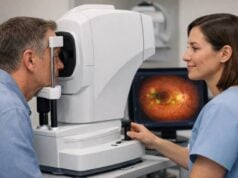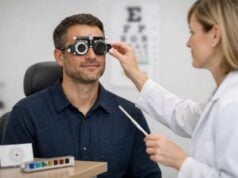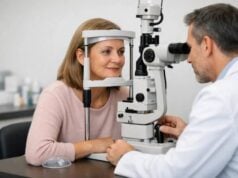
Waking up with puffy, swollen eyelids can be unsettling—especially when one eye looks different, the skin feels tight, or blinking suddenly hurts. The reassuring news is that many cases are caused by common, manageable problems such as allergies, irritation, or a blocked eyelid gland. The important part is learning how to tell “annoying but safe” swelling from swelling that signals infection or a deeper issue around the eye. Small clues—itch versus pain, both eyes versus one, fast onset versus gradual—often point to the right next step.
This guide explains the most likely causes of swollen eyelids, what you can do at home to reduce inflammation and discomfort, and when it is smarter to stop self-care and get evaluated. You will also find practical prevention tips for people who get recurrent puffiness, styes, or eyelid irritation.
Quick Facts for Calmer Eyes
- Cold compresses and oral antihistamines often reduce allergy-related lid swelling within 24 hours.
- Warm compresses help when swelling is tied to clogged oil glands, styes, or eyelid inflammation.
- Rapidly worsening one-sided swelling with pain, fever, or spreading redness needs prompt medical assessment.
- Avoid rubbing, eye makeup, and contact lenses until the swelling and irritation clearly improve.
- Use compresses for 10 minutes, 3–5 times daily, and reassess if symptoms are not improving by the next day.
Table of Contents
- How to read your symptoms fast
- Allergies and irritants: common and treatable
- Infections and when swelling is urgent
- Styes, chalazia, and blepharitis swelling patterns
- Home care that actually helps
- When to see a clinician and what to expect
- Prevention for recurrent puffy eyelids
How to read your symptoms fast
Eyelid swelling looks dramatic because eyelid skin is thin and holds fluid easily. The same degree of inflammation that would barely show on your forearm can cause obvious puffiness around the eye. That is why the “look” alone does not tell you how serious it is. Instead, use a few symptom signals to quickly sort likely causes and decide what to do next.
Itch usually points to allergy
Itching, watery eyes, sneezing, and swelling in both eyelids often indicate allergy. The lid skin may look pink and feel puffy rather than hot. If you can still open the eye normally and your vision is unchanged, home care is often reasonable.
Pain and tenderness suggest inflammation or infection
Painful swelling—especially if it is one-sided—raises suspicion for a stye, an infected gland, or cellulitis around the eyelid. Tenderness along the lash line or a focal bump points toward an eyelid-gland issue. Pain that feels deep behind the eye, or pain with eye movement, is more concerning and warrants prompt evaluation.
Red flags that should override everything
Seek urgent medical care if you notice any of the following:
- fever, chills, or feeling unwell
- rapidly spreading redness or swelling into the cheek or brow
- difficulty moving the eye, pain with eye movement, or the eye appearing to bulge
- double vision, new significant blurry vision, or loss of vision
- inability to open the eye due to swelling
- a swollen lid after significant trauma or a chemical exposure
These signs can indicate infection involving tissues around the eye or other urgent problems that should not be managed at home.
Timing also matters
- Minutes to hours: allergy, irritation, insect bite, or contact reaction
- Overnight: allergy, eye rubbing, fluid retention, or early infection
- Days: stye, blepharitis flare, conjunctivitis-related swelling
- Weeks: chalazion, chronic inflammation, or dermatitis
Finally, consider “what changed.” New mascara, nail products, a new face wash, seasonal pollen, a recent cold, sleeping in contacts, or a new pet can all be meaningful triggers. A clear timeline often narrows the cause faster than any single symptom.
Allergies and irritants: common and treatable
Allergies are one of the most frequent reasons eyelids swell, and they often come with a recognizable pattern: itchiness, watery eyes, and a sense of puffiness that may be worse in the morning. The eyelids can swell from both direct exposure (pollen, dust, pet dander) and from inflammation spreading from the conjunctiva, the thin tissue covering the white of the eye.
Seasonal and indoor allergies
Allergic swelling is often bilateral, meaning both eyes are affected, though one side may look worse. Common clues include:
- itching that makes you want to rub
- watery or stringy discharge rather than thick pus
- sneezing, runny nose, or throat tickle
- symptoms that flare in specific environments (bedroom, outdoors, around pets)
Rubbing becomes a major amplifier. It mechanically irritates the lid skin and releases more inflammatory mediators, which can make swelling balloon quickly.
Contact dermatitis: the “it started after a new product” story
The eyelids are especially prone to dermatitis because the skin barrier is thin. Swelling may develop hours to a couple of days after exposure and can be accompanied by:
- dryness, flaking, or a burning sensation
- redness that looks like a rash
- swelling that involves the whole lid rather than a focal bump
Common culprits include fragranced skincare, retinoids, harsh cleansers, sunscreen, eye makeup, lash glue, and even nail products that transfer to the lids.
Irritants that mimic allergy
Not all swollen eyelids are allergic. Irritation from smoke, wind, chlorine, heavy screen time, and dry-eye flares can lead to reflex tearing and eyelid puffiness. In these cases, the eyes may feel gritty or burning rather than itchy.
What helps most in the first day
- Stop suspected products immediately and keep the routine minimal
- Use cool compresses to reduce swelling and itch
- Consider an oral antihistamine if allergy symptoms are clear
- Avoid rubbing, eye makeup, and contact lenses until better
If swelling is severe, recurrent, or accompanied by facial swelling or breathing symptoms, seek urgent care, as that pattern can suggest a more significant allergic reaction.
Infections and when swelling is urgent
Infection-related eyelid swelling tends to feel different from allergy swelling. It is often more painful, sometimes warm to the touch, and more likely to be one-sided. The challenge is that early infection can resemble irritation, so it helps to know which patterns deserve quicker medical attention.
Conjunctivitis can cause lid swelling
Viral conjunctivitis often causes watery discharge, redness of the eye itself, and puffy lids. It commonly follows a cold. Bacterial conjunctivitis can produce thicker discharge and crusting, and the lids may swell from inflammation. In both cases, hygiene is crucial because conjunctivitis can spread easily through hand contact.
Typical supportive steps include:
- frequent hand washing
- avoiding eye makeup and contact lenses
- using lubricating drops and compresses for comfort
But if you have significant pain, light sensitivity, or vision changes, an evaluation is important because those symptoms can indicate corneal involvement or other conditions that require targeted care.
Preseptal cellulitis: infection of eyelid tissues
Preseptal cellulitis can occur after a stye, a skin break, sinus infection, or an insect bite. The eyelid becomes swollen, red, and tender. Many people can still move the eye normally and do not have vision changes, but it still often requires medical treatment.
Orbital cellulitis: rare but urgent
Orbital cellulitis involves deeper tissues behind the septum. It is less common but potentially serious. Urgent symptoms include:
- pain with eye movement or restricted eye movement
- bulging of the eye
- double vision
- decreased vision
- fever and significant illness
This needs immediate medical evaluation, often in an emergency setting.
Herpes-related eye and lid issues
Herpes viruses can cause eyelid swelling, pain, and blistering lesions near the eye. Because some forms can involve the cornea, prompt evaluation matters if you notice clustered blisters, significant pain, or new light sensitivity.
In short, infection risk rises when swelling is painful, rapidly progressive, unilateral, or accompanied by fever or changes in eye function. When those signs appear, home care should shift from “treat and watch” to “get assessed.”
Styes, chalazia, and blepharitis swelling patterns
A large share of swollen eyelids come from problems at the lid margin where oil glands open. These conditions are common, often recurrent, and highly responsive to the right type of compress.
Stye: focal, tender swelling near the lash line
A stye is usually an acute infection of an eyelid gland. It often begins as:
- a tender spot you feel when blinking
- a red bump on the lid edge or just inside the lid
- localized swelling that may spread to the full lid for a day or two
Styes are usually painful early, and the lid may look diffusely swollen even if the infection is focal.
Chalazion: a firmer lump that lingers
A chalazion forms when a meibomian gland becomes blocked and inflamed. It is often:
- less painful than a stye
- deeper in the lid, away from the lash line
- slower to develop and slower to resolve
Some chalazia start as tender swelling and then become a painless nodule after the acute inflammation fades.
Blepharitis and meibomian gland dysfunction
Blepharitis is chronic inflammation of the eyelid margins. It can cause puffy lids and contribute to both styes and chalazia. Common signs include:
- crusting at the lash base
- morning irritation or “sticky” lids
- gritty sensation and fluctuating dryness
- redness along the lid margin
Meibomian gland dysfunction involves thickened oils that do not flow well. It may not cause a visible lump at first, but it can create diffuse swelling and irritation that worsens with screen time or dry environments.
Why compress type matters
- Warm compresses soften oils and support gland drainage, making them the best first step for styes, chalazia, and gland-related swelling.
- Cool compresses reduce itch and edema, making them better for allergy-driven puffiness.
A common reason people do not improve is using the wrong approach consistently—cool compresses for a blocked gland or warm compresses for an allergy flare. Once you align the compress with the underlying pattern, symptoms usually become more predictable and manageable.
Home care that actually helps
Home care works best when it is targeted to the likely cause and paired with a short, clear timeframe for reassessment. The eyelids respond quickly to the right approach, so you should typically see at least modest improvement within a day for allergies and within a few days for gland-related issues.
Step one: choose warm or cool
Use cool compresses when swelling is itchy, allergy-driven, or tied to irritation:
- Apply a cool compress for 10 minutes, 3–5 times daily.
- Add an oral antihistamine if you have clear allergy symptoms.
- Avoid rubbing, which can undo the benefit immediately.
Use warm compresses when swelling is tender, associated with a focal bump, or linked to oily lid inflammation:
- Apply a warm compress for 10–15 minutes, 3–5 times daily.
- Re-warm the compress as it cools so the heat stays consistent.
- After warmth, gently massage the lid toward the lash line with clean hands.
Supportive steps that help most people
- Pause eye makeup and contact lenses until the lid looks and feels improved.
- Use preservative-free lubricating drops if the eye feels gritty or dry.
- Keep the eyelids clean with gentle lid hygiene if you have crusting or blepharitis tendencies.
- Sleep with your head slightly elevated if puffiness is worst in the morning.
- Reduce triggers: smoke exposure, heavy fragrances, harsh skincare near the eyes, and prolonged screen time without breaks.
What not to do
- Do not squeeze a stye or chalazion.
- Do not use leftover antibiotic drops unless directed by a clinician.
- Do not apply essential oils or strong antiseptics near the eye.
- Do not keep wearing contact lenses through significant redness or discharge.
A simple “24-hour check”
If the swelling is mild and you have no red flags, try targeted care for one day. If it is allergy, you often see meaningful change in 24 hours. If it is gland-related, you may see early improvement in comfort and tenderness even if the bump remains.
If symptoms are worsening, spreading, or not improving on a reasonable timeline, that is your cue to stop improvising and seek evaluation.
When to see a clinician and what to expect
Knowing when to seek care can prevent complications and shorten recovery. Many people wait too long because they assume all swollen eyelids are allergies, or they go too early with mild puffiness that would settle with basic care. Use symptom intensity, speed of progression, and functional changes to guide your decision.
Seek urgent care the same day if
- swelling is rapidly worsening over hours
- there is significant pain, fever, or spreading redness
- you have pain with eye movement, double vision, bulging, or reduced vision
- the eye itself is very red with marked light sensitivity
- you are immunocompromised, have uncontrolled diabetes, or the swelling follows trauma
These features raise concern for cellulitis or deeper involvement and typically require medical treatment.
Schedule a non-urgent visit if
- swelling persists beyond 48–72 hours without improvement
- a stye is not improving after 7–10 days of warm compresses
- a chalazion lasts 4–6 weeks or keeps recurring
- you have frequent blepharitis symptoms or recurrent lid bumps
- swelling is associated with chronic lid rash or flaking that keeps returning
What a clinician may do
Evaluation focuses on the eyelid margin, the eye surface, and the tissues around the orbit. Depending on findings, treatment may include:
- topical medication for eyelid infection or significant lid-margin inflammation
- oral medication if there is cellulitis or certain inflammatory patterns
- guidance on structured lid hygiene for blepharitis and gland dysfunction
- drainage or office-based treatment for persistent chalazia in selected cases
- allergy management strategies when triggers are recurring
If there is concern for a lesion that behaves atypically, a clinician may recommend further evaluation. This is most relevant when a “chalazion” keeps returning in the same location, causes lash loss, or has an unusual appearance.
How to prepare for your appointment
Bring details that speed diagnosis:
- time of onset and how quickly it changed
- itch versus pain, one eye versus both
- new products, makeup, or nail treatments
- contact lens use and cleaning routine
- recent illness, sinus symptoms, or known allergies
A clear story often leads to a faster, more targeted plan than repeated trial-and-error at home.
Prevention for recurrent puffy eyelids
Prevention is most effective when it targets the pattern you actually have. Some people swell mainly from allergies, others from eyelid-gland blockage and blepharitis, and many have a mix. A small routine done consistently is usually more effective than aggressive “rescue” treatment done occasionally.
If allergies are the main driver
- Reduce rubbing by treating itch early with cool compresses and appropriate allergy management.
- Keep bedroom allergens lower by washing pillowcases regularly and keeping pets off pillows if that is a trigger.
- Rinse lids gently after heavy outdoor exposure during high-pollen days.
- Consider daily non-sedating antihistamines during peak season if symptoms are predictable.
If blepharitis or gland dysfunction is the main driver
A brief daily lid routine can reduce flares:
- Warm compress for 5–10 minutes once daily
- Gentle lid cleaning focused at the lash base
- Short lid massage toward the lash line after warmth
Consistency matters more than intensity. The goal is to keep oil flowing and prevent glands from becoming fully blocked.
If dermatitis is recurring
- Simplify products around the eyes and avoid fragrance and harsh actives on the lids.
- Introduce new products one at a time, spaced by at least a week.
- Be aware that nail products can transfer allergens to eyelids through touch.
General habits that protect eyelids
- Replace eye makeup regularly and remove it thoroughly.
- Do not share eye cosmetics.
- Clean screens, wash hands, and avoid touching eyes during work.
- Manage dry eye triggers such as direct air vents and long screen sessions without breaks.
When prevention needs a clinician’s plan
If you get frequent swelling episodes, recurrent styes or chalazia, or persistent redness at the lid margin, ask about a structured plan for eyelid inflammation and tear-film stability. Preventive care is not about perfection; it is about reducing frequency, shortening flares, and keeping small issues from becoming disruptive.
When your routine matches your pattern, swollen eyelids become a solvable problem rather than an unpredictable one.
References
- AAO Preferred Practice Pattern® Guidelines. Blepharitis. 2023 (Guideline)
- Allergic conjunctivitis: an update on diagnosis and management 2022 (Review)
- Efficacy of Care and Antibiotic Use for Chalazia and Hordeola 2022 (Clinical Study)
- Periorbital Cellulitis 2023 (Clinical Reference)
- Orbital cellulitis: current concepts in diagnosis and management 2023 (Review)
Disclaimer
This article is for educational purposes and does not replace individualized medical advice, diagnosis, or treatment. Eyelid swelling is often due to allergies or gland inflammation, but infections around the eye can worsen quickly and require prompt care. Seek urgent medical evaluation for fever, rapidly spreading redness, severe pain, pain with eye movement, bulging of the eye, double vision, or any vision changes. If you are immunocompromised, have diabetes, are pregnant, or are caring for a child with significant eyelid swelling, consider a lower threshold for professional assessment.
If you found this guide useful, please consider sharing it on Facebook, X (formerly Twitter), or any platform you prefer.