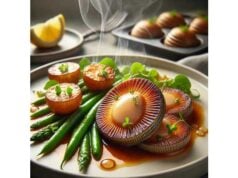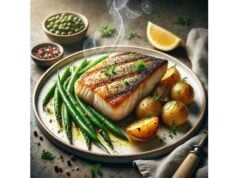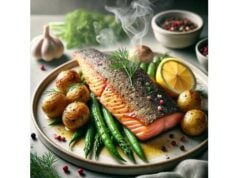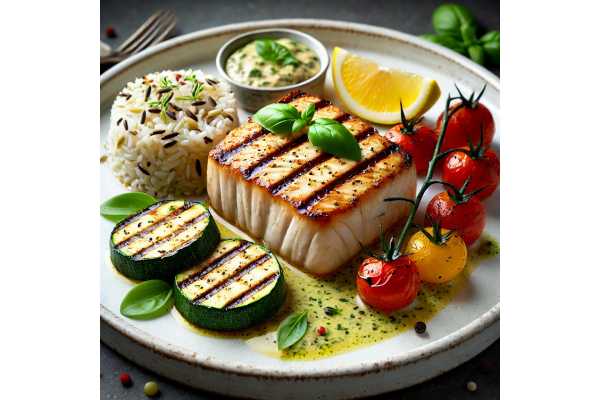
Swordfish is rich, meaty, and versatile—a steak-like fish that sears beautifully and holds up to bold flavors. A 100-gram cooked portion delivers over 23 grams of complete protein, abundant niacin and vitamin B6, meaningful vitamin B12, and standout amounts of vitamin D and selenium. It also supplies heart-healthy omega-3s (mostly DHA and EPA) with virtually no carbohydrates. Yet, as a long-lived predator, swordfish can accumulate mercury, so smart selection, prudent portions, and proper handling matter. This guide translates the latest science and food-safety guidance into practical advice you can use in the kitchen and at the fish counter—from understanding the nutrition profile to minimizing risks, choosing sustainable options, and cooking for maximum flavor and nutrient retention.
Top Highlights
- 100–150 g cooked swordfish provides ~23 g protein, ~1.1 g omega-3s, and high vitamin D and selenium.
- Due to mercury, pregnant or breastfeeding people and young children should avoid swordfish; others should limit intake.
- Typical serving: 100–150 g cooked, enjoyed occasionally rather than weekly.
- Individuals who are pregnant, trying to conceive, breastfeeding, or serving young children should choose lower-mercury fish instead of swordfish.
Table of Contents
- Swordfish at a Glance
- Nutrition Profile per 100 g
- Research-Backed Benefits
- Risks, Allergies and Interactions
- Buying, Sustainability and Storage
- Preparation, Cooking and Retention
- Portions, Comparisons and FAQs
Swordfish at a Glance
Swordfish (Xiphias gladius) is prized for its dense, steak-like texture and mild, slightly sweet flavor—qualities that invite grilling, pan-searing, oven-roasting, and skewering without flaking apart. Culinary pros often treat it like beef: a quick hard sear, assertive seasonings (lemon-garlic butter, chimichurri, capers, miso-ginger, or peppercorn crust), and ample browning to amplify savoriness. Because the loins are thick and even, swordfish is easy to cook evenly for a tender, juicy center.
Nutritionally, swordfish is a high-protein, low-carb food with meaningful fat quality. Per 100 grams cooked, it typically provides ~23 g of complete protein and ~7.9 g total fat, including ~1.1 g of long-chain omega-3s (mostly DHA with some EPA and DPA). It is naturally carbohydrate-free and contains no fiber. Micronutrient standouts include vitamin D (often ~16–17 µg, ~80% DV) and selenium (~68 µg, ~120% DV), plus niacin (~9.3 mg, ~58% DV), vitamin B6 (~0.62 mg, ~36% DV), vitamin B12 (~1.6 µg, ~69% DV), phosphorus (~24% DV), and potassium (~11% DV). The combination of DHA-rich fat and vitamin D is unusual among commonly eaten foods, making swordfish nutritionally dense in small portions.
The main caveat is mercury: as a large, long-lived predator, swordfish bioaccumulates methylmercury. Sensitive groups (pregnant or breastfeeding people and young children) should avoid swordfish and choose lower-mercury options. Everyone else should enjoy it occasionally, not as a weekly staple. From a sustainability lens, harpoon-caught or hand-line swordfish from well-managed fisheries are preferred; longline-caught fish can be associated with bycatch concerns depending on the fishery.
Flavor affinities that flatter swordfish include citrus (lemon, orange), briny elements (capers, olives), pungent herbs (oregano, thyme), heat (chiles), and umami boosters (anchovy, miso, soy). It pairs well with bright salads (fennel-orange), grilled vegetables (zucchini, peppers), or starchy sides (farro, herbed couscous). When cooked properly to a safe internal temperature, it’s succulent, not dry; a brief rest after cooking helps redistribute juices.
Nutrition Profile per 100 g
Below are typical values for cooked swordfish, dry heat, per 100 g edible portion. %DV uses current FDA Daily Values for adults and children ≥4 years.
Macros and Key Electrolytes (per 100 g, cooked):
| Nutrient | Amount | %DV |
|---|---|---|
| Energy | 172 kcal | — |
| Protein | 23.4 g | 47% |
| Total Fat | 7.9 g | 10% |
| Saturated Fat | 1.9 g | 9% |
| Carbohydrates | 0 g | 0% |
| Sodium | 97 mg | 4% |
| Potassium | 499 mg | 11% |
| Water | ~68 g | — |
Fats and Fatty Acids (per 100 g):
| Component | Amount | Notes |
|---|---|---|
| Monounsaturated Fat | ~3.54 g | Predominantly oleic acid |
| Polyunsaturated Fat | ~1.37 g | Enriched in n-3 |
| Omega-3s (total, long-chain) | ~1.07 g | High DHA with some EPA and DPA |
| • EPA (eicosapentaenoic acid) | ~0.13 g | |
| • DPA (docosapentaenoic acid) | ~0.17 g | |
| • DHA (docosahexaenoic acid) | ~0.77 g | Major omega-3 |
| Omega-6s (total) | ~0.08 g | Low |
| Cholesterol | ~78 mg | ~26% DV (for labels that use 300 mg DV) |
Protein and Amino Acids (per 100 g):
| Component | Amount |
|---|---|
| Protein (complete) | 23.4 g |
| Lysine | ~2.2 g |
| Leucine | ~1.9 g |
| Methionine | ~0.7 g |
| Threonine | ~1.0 g |
| Tryptophan | ~0.27 g |
(Amino acid distribution supports muscle protein synthesis; exact values vary with cut and cooking moisture.)
Vitamins (per 100 g):
| Vitamin | Amount | %DV |
|---|---|---|
| Vitamin D | ~16.6 µg | 83% |
| Vitamin B12 (cobalamin) | ~1.65 µg | 69% |
| Niacin (vitamin B3) | ~9.3 mg | 58% |
| Vitamin B6 (pyridoxine) | ~0.62 mg | 36% |
| Vitamin E (alpha-tocopherol) | ~2.35 mg | 16% |
| Vitamin A (RAE) | ~43 µg | 5% |
| Folate | ~2 µg | 0% |
| Choline | ~77.5 mg | 14% |
Minerals (per 100 g):
| Mineral | Amount | %DV |
|---|---|---|
| Selenium | ~68.5 µg | 124% |
| Phosphorus | ~304 mg | 24% |
| Potassium | ~499 mg | 11% |
| Magnesium | ~35 mg | 8% |
| Zinc | ~0.78 mg | 7% |
| Calcium | ~6 mg | 0% |
| Iron | ~0.45 mg | 2% |
Contaminants / Residues
- Mercury: Swordfish is a high-mercury species. Sensitive populations should avoid; others should limit frequency and portion size.
- Histamine risk (scombrotoxin): Not inherent to the fish but can occur with temperature abuse during handling, emphasizing the need for proper cold chain.
Notes on Variability
- Nutrient values vary with cooking method, doneness, cut, water loss, and the fish’s diet and habitat.
- Vitamin D can be especially variable among wild fish.
- %DV values are rounded; label conventions may differ slightly.
Research-Backed Benefits
1) High-quality protein that’s easy to use.
Swordfish provides ~23 g of complete protein per 100 g cooked, with a robust essential amino acid profile (lysine, leucine, methionine, threonine). That’s efficient support for muscle maintenance, repair, and satiety while adding virtually no carbohydrates. For individuals seeking lower-carb or moderate-carb patterns, swapping a refined-starch entrée for a swordfish steak can improve the meal’s protein density and reduce post-meal glycemic load.
2) Dense in vitamin D—rare among foods.
Most diets fall short on vitamin D; swordfish often delivers ~80% of the Daily Value in a modest 100-gram serving. Dietary vitamin D supports bone health, immune function, and muscle performance. While sunlight and fortified foods also contribute, naturally vitamin D-rich seafood provides an efficient dietary source without added sugars or calories.
3) Omega-3s led by DHA.
Long-chain omega-3s (EPA, DPA, and especially DHA) are prominent in swordfish—about 1.1 g per 100 g cooked. DHA-rich patterns are linked with cardiovascular and neurocognitive benefits across life stages. In mixed-seafood research syntheses, higher omega-3 intake is associated with improved blood lipid profiles and modest blood-pressure support. For omnivores who rarely eat fatty fish, an occasional swordfish entrée can help close the gap—though lower-mercury fish like salmon, sardines, trout, or Atlantic mackerel are better weekly omega-3 staples.
4) Selenium powerhouse.
At ~68 µg per 100 g, swordfish supplies over 100% DV for selenium, a mineral critical to antioxidant enzymes (glutathione peroxidases, thioredoxin reductases) and thyroid hormone metabolism. Adequate selenium supports redox balance and may help buffer oxidative stress from strenuous exercise or inflammatory states. Many land-based diets undersupply selenium; a single swordfish meal can replete daily needs.
5) B-vitamin support for energy metabolism.
Niacin (~58% DV), vitamin B6 (~36% DV), and B12 (~69% DV) are all well-represented. Together they support macronutrient metabolism, homocysteine regulation, and normal neurologic function. People limiting red meat sometimes under-consume B12; fish like swordfish can help fill the gap.
6) Practical culinary advantages that support healthier eating patterns.
Because swordfish is sturdy and evenly thick, it’s beginner-friendly: you can reliably achieve even doneness and a savory crust without specialized equipment. That ease increases the odds you’ll cook at home, control salt and added fats, and pair the fish with vegetables or whole grains. It also suits batch-cooking for next-day meals without falling apart.
7) When to consider alternatives.
The mercury caveat matters. If you’re aiming for 2–3 seafood meals per week, choose lower-mercury species (salmon, sardines, trout, pollock, cod, anchovies, Atlantic mackerel) as your routine choices. Keep swordfish for occasional variety or special occasions.
Bottom line: Swordfish is an unusually nutrient-dense, culinary-friendly fish that delivers high protein, DHA-rich fat, vitamin D, and selenium. Use it strategically—enjoyed occasionally—within a broader pattern that prioritizes lower-mercury seafood.
Risks, Allergies and Interactions
Mercury (primary concern).
Swordfish is a high-mercury species. Mercury exposure is most harmful during fetal and early childhood neurodevelopment. Public health guidance recommends that those who are pregnant, trying to conceive, or breastfeeding, and young children, avoid swordfish and instead eat 2–3 servings per week of lower-mercury, nutrient-rich seafood. Adults outside these groups who choose swordfish should keep portions modest (100–150 g cooked) and enjoy it occasionally, balancing with low-mercury fish the rest of the time.
Allergy.
Finfish allergy is among the more common food allergies in adults and tends to persist. Symptoms range from hives and oral itching to anaphylaxis. Cross-reactivity across fish species is common; if you have a known fish allergy, avoid swordfish unless cleared by an allergist after supervised testing.
Histamine (scombrotoxin) illness.
Improperly chilled fish can accumulate histamine due to bacterial activity, triggering rapid-onset flushing, rash, headache, and gastrointestinal symptoms. Though classically linked to tuna and mackerel, similar illness can occur with other species when the cold chain fails. Buy from reputable sellers, reject fish with off-odors, and keep it cold from purchase to cooking.
Parasites (when eating raw or undercooked fish).
Wild-caught fish intended for raw consumption should be previously frozen under validated conditions to inactivate parasites. Home freezers vary and may not reach or hold appropriate temperatures reliably; when in doubt, cook swordfish thoroughly rather than serving it rare or raw.
Medication and nutrient interactions.
- Vitamin D: High dietary vitamin D is generally safe at the amounts in a typical swordfish portion; those on vitamin D therapy should consider total intake.
- Selenium: A single serving can exceed daily needs; overall dietary selenium from multiple sources should remain below the Tolerable Upper Intake Level (400 µg/day for adults).
- Anticoagulants: Omega-3 intakes from food at common levels are compatible with anticoagulants, though very high supplemental intakes warrant clinical oversight.
Food safety practices.
- Keep fish refrigerated at ≤4 °C and cook to an internal temperature of 63 °C (145 °F) as measured with a food thermometer.
- Store leftovers promptly (within 2 hours; within 1 hour if ≥32 °C ambient), and reheat to steaming hot before serving.
Who should limit or avoid swordfish?
- Avoid: Pregnant or breastfeeding individuals, those trying to conceive, and children.
- Limit: People who eat seafood very frequently (e.g., multiple times weekly) should treat swordfish as an occasional choice to keep mercury exposure low.
Buying, Sustainability and Storage
1) How to choose quality swordfish at the counter
- Appearance: Steaks should be moist but not wet, with tight muscle texture and no gaping. Flesh ranges from ivory to light pink or orange (diet-dependent) with a dark “bloodline” that should be firm and not brown or mushy.
- Smell: Clean, ocean-fresh aroma—never sour, ammonia-like, or “fishy.”
- Cut: Even-thickness loins or center-cut steaks (2–3 cm) cook more consistently.
- Skin and trim: If present, the skin should be tight and silver; ask the fishmonger to remove skin if you plan to pan-sear.
- Ask questions: When and where was it caught? Which gear (harpoon/handline vs longline)? How was it handled and how long has it been on ice?
2) Sustainability signals
- Gear matters: Harpoon and handline fisheries generally have low bycatch and are considered better environmental choices than some longline fisheries, which can interact with non-target species.
- Certification and guides: Look for Marine Stewardship Council (MSC)-certified swordfish where available, and consult reputable regional guides when choosing among sources.
- Origin: Management quality varies by region; domestic and certain well-managed international fisheries offer stronger oversight.
3) Smart storage and handling
- Transport cold: Bring an insulated bag or small cooler if you have a long trip home.
- Refrigeration: Store on a plate lined with paper towels, covered loosely, at ≤4 °C. Use within 24 hours (48 hours if very fresh and very cold).
- Freezing: For best quality, wrap tightly (plastic plus freezer paper or vacuum-seal) and freeze at −18 °C or below. Use within 2–3 months for peak texture. Thaw overnight in the refrigerator on a tray to catch drips.
- Raw preparations: If preparing crudo or sushi-style dishes, purchase fish labeled for raw consumption from suppliers who use validated parasite-destruction steps. When in doubt, cook.
4) Red flags that mean “skip it”
- Dull, browning, or mushy flesh; strong fishy or ammoniacal odor.
- Excess purge (watery drip), wide gaps in muscle flakes, or dried surfaces—signs of poor handling or age.
- Steaks with very large, discolored bloodlines (can taste metallic/bitter).
Takeaway: Favor high-quality, responsibly caught swordfish, keep it cold, and cook it soon after purchase to preserve texture and flavor.
Preparation, Cooking and Retention
Safe internal temperature and doneness
Cook swordfish to an internal temperature of 63 °C (145 °F). At this point, the flesh turns opaque and flakes lightly but remains juicy. Because steaks are thick, a probe thermometer is the most reliable gauge. After cooking, rest for 2–3 minutes to redistribute juices.
Moisture, fat, and nutrient retention
- Quick, high-heat methods (grilling, pan-searing, broiling) minimize vitamin losses and water-soluble nutrient drip.
- Overcooking drives moisture loss and can reduce heat-sensitive vitamins; aim for just-done.
- Pairing with a small amount of heat-stable oils can improve absorption of fat-soluble nutrients (vitamin D, omega-3s), and acidic marinades (lemon, vinegar) can brighten flavor while supporting tenderness.
Practical cooking blueprints
- Pan-Seared Swordfish with Lemon-Caper Pan Sauce
- Pat steaks dry; season with salt and cracked pepper.
- Sear in a preheated heavy pan 2–3 minutes per side.
- Deglaze with white wine; add lemon juice, capers, and a knob of butter; simmer briefly and spoon over fish.
- Finish with chopped parsley.
- Grilled Mediterranean Swordfish
- Marinate 30 minutes: olive oil, garlic, oregano, lemon zest, paprika.
- Grill over medium-high heat 3–4 minutes per side until the thermometer reads 63 °C.
- Serve with tomato-cucumber-olive salad.
- Miso-Ginger Broiled Swordfish
- Brush with a thin glaze of white miso, grated ginger, rice vinegar, and honey.
- Broil 5–7 minutes, turning once, to caramelize surface while keeping the center moist.
Marinades and sodium
Swordfish accepts bold flavors; use acid + aromatics + herbs to keep sodium moderate. For example, swap soy sauce for citrus and herbs, or use reduced-sodium tamari and add fresh ginger and scallions for punch.
Food safety in the kitchen
- Keep raw fish separated from ready-to-eat foods; sanitize boards and knives.
- Refrigerate leftovers within 2 hours; consume within 2–3 days or freeze promptly.
- Reheat leftovers until steaming hot; avoid multiple reheat cycles to preserve texture.
Raw or undercooked swordfish?
Because of parasite and bacterial concerns and the mercury issue, swordfish is best enjoyed cooked. If you choose raw preparations, rely on professional suppliers that use validated freezing protocols and maintain impeccable cold-chain control.
Portions, Comparisons and FAQs
Recommended portion and frequency
- Portion: 100–150 g cooked (about the size of your palm for most adults).
- Frequency: Enjoy occasionally rather than weekly—especially if you also eat other predatory fish. Fill your regular seafood pattern (2–3 meals/week) with lower-mercury choices like salmon, sardines, trout, pollock, anchovies, cod, or Atlantic mackerel.
How does swordfish compare with salmon or tuna?
- Omega-3s: Salmon (especially wild or farmed Atlantic) usually contains more total omega-3s per 100 g than swordfish, and with lower mercury—making salmon the better weekly omega-3 workhorse.
- Vitamin D: Swordfish is a top vitamin D source, often rivaling or exceeding salmon per 100 g.
- Protein: All three provide ~20–25 g protein per 100 g.
- Mercury: Swordfish is high; many tunas are moderate to high depending on species; salmon and small oily fish are low.
Is swordfish “keto-friendly” or “low-carb”?
Yes. Swordfish has 0 g carbohydrates, making it compatible with low-carb or ketogenic patterns. Pair with non-starchy vegetables and a modest portion of healthy fats for balance.
Can I eat swordfish if I’m pregnant or breastfeeding?
No—choose lower-mercury fish instead (salmon, sardines, cod, pollock, shrimp, trout). These deliver DHA and iodine with minimal mercury.
Is there a safe way to enjoy swordfish rare?
Cooking to 63 °C (145 °F) is the safest approach. If you insist on “medium,” understand the increased risk of parasites and bacteria, and the absence of benefit relative to properly cooked swordfish.
What about the “bloodline” taste?
The dark red muscle (bloodline) can be stronger or metallic. Trim some or all of it before cooking for a milder flavor.
Budget and availability tips
- Buy frozen when fresh quality is inconsistent; properly frozen swordfish can be excellent.
- Consider trim pieces for skewers or stews; they’re typically less expensive and cook quickly.
Quick substitutions
- For similar texture: tuna steak, mahi-mahi, marlin (note: mercury varies—research before choosing).
- For omega-3s with lower mercury: salmon, trout, sardines, Atlantic mackerel.
Bottom line
Swordfish can play a role in a varied, seafood-forward pattern when you prioritize safer weekly options and treat swordfish as an occasional, skill-building centerpiece.
References
- Advice about Eating Fish 2024 (Guidance)
- Safe Food Handling 2024 (Guidance)
- Nutrition Facts for Cooked Swordfish 2024 (Database derived from USDA)
- CPG Sec 540.525 Scombrotoxin (Histamine)-forming Fish and Fishery Products – Decomposition and Histamine (CPG 7108.24) 2024 (Guidance)
- GUIDANCE ON VIABLE PARASITES IN FISHERY PRODUCTS 2011 (Guidance)
Disclaimer
This article is for general education and is not a substitute for personalized medical advice, diagnosis, or treatment. Nutrition needs and safety considerations vary by age, health status, medications, and life stage. Always consult your healthcare professional or a registered dietitian about dietary choices—especially if you are pregnant, breastfeeding, planning pregnancy, managing a medical condition, or making significant changes to your diet.
If you found this guide useful, please consider sharing it on Facebook, X, or your preferred platform to help others cook and eat well. Your support helps us keep creating practical, evidence-based food guides.