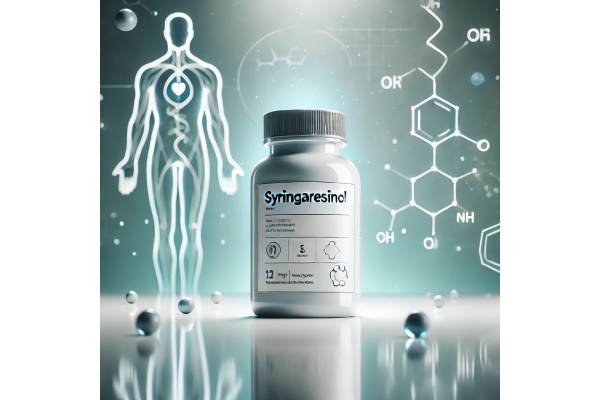
Syringaresinol is a plant-derived lignan, a type of polyphenol that naturally occurs in many cereals, seeds, and traditional medicinal herbs. Over the last decade, it has attracted attention for a wide range of laboratory and animal findings: antioxidant and anti-inflammatory activity, protection of the gut barrier, potential benefits for skin photoaging, and even early data suggesting mood-supporting effects.
At the same time, syringaresinol is not yet a mainstream supplement with large human trials. Most of the evidence comes from cell and animal studies, plus a few toxicology assessments, so expectations must stay realistic.
This guide walks you through what syringaresinol is, where it comes from, how it might work, and what is known so far about potential benefits, practical use, dosage questions, and safety. The goal is to give you enough context to have an informed discussion with your healthcare professional and to understand why, despite interesting signals, syringaresinol should still be considered an experimental nutraceutical rather than a proven therapy.
Key Insights on Syringaresinol
- Syringaresinol is a dietary lignan with antioxidant and anti-inflammatory actions that may support gut, skin, joint, and metabolic health based on preclinical research.
- Early animal data suggest possible mood-supporting and neuroprotective effects, but no human clinical trials have confirmed these outcomes.
- There is no evidence-based standalone human dose; a cautious supplemental range sometimes considered is about 1–10 mg syringaresinol per day within a plant extract, under professional supervision, staying close to dietary exposure levels.
- People who are pregnant or breastfeeding, have hormone-sensitive cancers, significant heart disease, or take multiple medications should avoid self-experimenting with syringaresinol without medical advice.
Table of Contents
- What is syringaresinol and how does it work?
- What are the main benefits of syringaresinol?
- How to get syringaresinol from foods and supplements?
- Syringaresinol dosage: what is realistic?
- Side effects, interactions and who should avoid it?
- What does the current research really show?
What is syringaresinol and how does it work?
Syringaresinol is a lignan, a group of phenolic compounds built from two linked “monolignol” units. In this case, it is formed from two sinapyl alcohol molecules arranged in a characteristic furofuran (β–β) structure.
Recent reviews show that syringaresinol has been identified in many plant species across numerous botanical families. Its richest documented sources include genera such as Acanthopanax (also known as Eleutherococcus), Albizia, Cinnamomum (cinnamon species), and Panax ginseng, along with various cereals and other medicinal plants.
From a mechanistic point of view, syringaresinol acts as:
- An antioxidant: it can directly scavenge reactive oxygen species and upregulate antioxidant enzymes such as superoxide dismutase and glutathione-related systems in cell and animal models.
- An anti-inflammatory modulator: it downregulates key inflammatory pathways, including NF-κB and MAPK signaling, which in turn lowers expression of cytokines like TNF-α, IL-1β, and IL-6 in several models.
- A signaling regulator: in specific tissues, syringaresinol influences transcription factors and enzymes such as Nrf2, AP-1, and matrix metalloproteinases (MMPs), which are involved in oxidative stress responses, tissue remodeling, and photoaging.
A recent antidepressant-focused study adds another layer: syringaresinol can act as a noncompetitive inhibitor of the serotonin transporter (SERT) in mice, hinting at central nervous system activity that goes beyond classic antioxidant effects.
Importantly, most of this evidence comes from in vitro experiments and animal models, not from human trials. Mechanisms observed at high concentrations in cells or rodents may not fully translate to oral doses people can safely consume. When thinking about syringaresinol as a supplement, it is best to treat these mechanisms as promising hypotheses rather than proven clinical actions.
What are the main benefits of syringaresinol?
Because syringaresinol is still emerging as a nutraceutical, “benefits” should be understood primarily as potential effects seen in non-human research. The most consistent themes across studies and recent reviews include gut health, skin aging, inflammation, and brain-related outcomes.
1. Gut and intestinal barrier support
Recent work in colitis models reported that (-)-syringaresinol eased symptoms of ulcerative colitis in mice. It improved intestinal barrier function, reduced inflammatory cytokines, and helped preserve tight-junction proteins that keep the gut lining intact.
These findings suggest that syringaresinol may:
- Reduce inflammatory damage in the colon
- Support barrier integrity and help limit “leaky gut” in inflamed tissue
- Modulate immune signaling in the gut environment
However, the model was acute, and no human patients were involved, so this should not be interpreted as proof of efficacy for inflammatory bowel disease.
2. Skin and photoaging
In skin cells, syringaresinol has been shown to counteract UVA- and UVB-induced damage. In human keratinocytes and dermal fibroblasts, it suppressed MMP-1 production (an enzyme that breaks down collagen), reduced inflammatory mediators, and helped maintain collagen synthesis after UVA exposure.
In practical terms, this points to potential roles in:
- Cosmetic formulations for photoaging
- Supporting skin firmness and elasticity in the context of UV stress
- Complementing sunscreens and antioxidants in skincare routines
Again, the data are laboratory-based; no long-term human cosmetic studies with quantified syringaresinol content are available yet.
3. Anti-inflammatory and joint-related effects
Experimental work suggests syringaresinol and its glycosides can dampen inflammatory pathways relevant to osteoarthritis and gouty arthritis models. They appear to modulate NF-κB signaling, reduce pro-inflammatory mediators, and may influence newer cell death pathways such as cuproptosis in chondrocytes.
This raises the possibility that syringaresinol-containing extracts could one day be explored as adjuncts in joint health products. For now, these ideas remain preclinical.
4. Brain and mood
A recent mouse study on depression-like behavior reported that (-)-syringaresinol reduced stress-induced behavioral changes and normalized synaptic protein expression, with effects comparable in magnitude to a standard SSRI in that specific model. Mechanistically, this was tied to noncompetitive inhibition of the serotonin transporter.
These results are intriguing but very preliminary. They do not mean syringaresinol is an antidepressant in humans. At most, they justify further research.
5. Metabolic and cardiometabolic hints
Broader lignan research (not limited to syringaresinol) links higher dietary lignan intake with better cardiometabolic markers in humans. Syringaresinol-specific data are mostly animal-based, suggesting improvements in glucose handling, lipid profiles, and protection against diabetic complications in organs such as the heart and kidneys.
These models support the idea that syringaresinol could contribute to overall metabolic resilience as part of a lignan-rich diet, but they do not justify using syringaresinol as a stand-alone treatment for diabetes or cardiovascular disease.
How to get syringaresinol from foods and supplements?
For most people, syringaresinol exposure currently comes from foods and traditional herbal extracts, not from single-ingredient capsules.
Dietary sources
Database work and phytochemical surveys show that syringaresinol appears in:
- Certain cereals and grain products
- Oilseeds and nuts (often alongside other lignans)
- Herbs such as Acanthopanax species (Siberian ginseng), Albizia julibrissin, cinnamon species, and Panax ginseng
- Various regional spices, fruits, and medicinal plants used in traditional formulas
Because syringaresinol content varies widely between plant parts, growing conditions, and processing methods, it is difficult to estimate an exact daily intake from a typical diet. Nonetheless, reviews suggest that overall lignan exposure from a varied diet is usually in the low milligram range per day, with syringaresinol as one contributor among many.
Choosing more whole grains, nuts, seeds, and diverse herbs is a practical way to raise overall lignan intake in a food-first manner, which is generally safer and better studied than focusing on one isolated compound.
Supplement forms
At the time of writing, syringaresinol is more commonly found as:
- A quantified component within complex herb extracts (for example, extracts of Albizia, Acanthopanax, or other lignan-rich plants)
- A cosmetic or cosmeceutical ingredient for anti-photoaging products
- A research reagent or “ingredient-for-formulators” sold to manufacturers, not directly to consumers
Stand-alone syringaresinol supplements marketed directly to consumers are still relatively rare compared with more established lignans like sesamin or secoisolariciresinol. When syringaresinol is present in multi-herb or multi-lignan supplements, the label often lists only the total extract amount, not the precise milligrams of syringaresinol itself.
Because of this, practical steps if you are interested in syringaresinol include:
- Start with food and whole-herb extracts. Support your lignan intake through diet and, if appropriate, traditional herbal formulas prescribed by a qualified practitioner.
- Check whether syringaresinol is standardized. If you consider a supplement, look for products that specify active constituents and have third-party quality testing.
- Avoid “research only” ingredients. Do not self-dose pure syringaresinol powders designed for laboratories; their safety and dosing are not established for human self-use.
Until better human data are available, using syringaresinol as one component of a balanced, plant-rich pattern is far more defensible than chasing high-dose isolated syringaresinol capsules.
Syringaresinol dosage: what is realistic?
Unlike common vitamins or minerals, syringaresinol does not yet have an agreed-upon supplemental dose for humans. No randomized controlled trials have systematically tested different oral doses in people for efficacy or safety. Most of the available dosing information comes from:
- Animal models, often using intraperitoneal or relatively high oral doses
- Cell studies using micromolar concentrations
- Toxicology work estimating margins of safety around likely dietary exposures
Because of this, any dosage discussion must be cautious and framed as provisional.
1. Dietary-level exposures
Toxicological testing indicates that syringaresinol is present in cereals and processed foods at levels that, when translated into human intake estimates, remain well below doses that caused concerning effects in in vitro genotoxicity assays.
From a practical standpoint, this supports the idea that:
- Food-based syringaresinol intake appears safe at typical dietary levels.
- Building intake through whole foods and traditional herb usage is the lowest-risk way to benefit from lignans in general.
2. Extrapolating from supplements and lignan experience
Some ingredient suppliers and experimental formulas appear to use syringaresinol in the low milligram range per day as part of complex products. However, precise labeled doses are rarely disclosed publicly, and these are not backed by large clinical trials.
By analogy with other lignans and the limited safety data, a cautious experimental supplemental range sometimes considered is roughly:
- Around 1–10 mg syringaresinol per day,
- Always as part of a multi-component plant extract,
- Used under professional supervision,
- Not exceeding the dose recommended on the product label.
This is not a medically endorsed standard. It is simply a conservative range that stays near or modestly above dietary-level exposure rather than pushing toward pharmacological doses used in some animal models.
3. Practical dosing guidelines if you and your clinician decide to try it
If you and a knowledgeable clinician decide that trying a syringaresinol-containing supplement makes sense, practical steps include:
- Follow the label, start low. Begin at the lower end of the manufacturer’s recommended dose; do not exceed it.
- Use time-limited trials. For example, evaluate response over 4–8 weeks rather than taking it indefinitely.
- Monitor for changes. Track blood pressure, heart rate, digestive symptoms, mood, skin changes, and any unusual reactions.
- Avoid stacking with other stimulatory or serotonergic agents (for example, high-dose caffeine stacks, certain antidepressants), because mechanisms such as SERT inhibition and possible cardiovascular effects remain under investigation.
Given the current evidence, syringaresinol should not be used as a self-prescribed high-dose therapy. It is better viewed as an experimental component within broader lifestyle and medical care, if used at all.
Side effects, interactions and who should avoid it?
Formal documentation of syringaresinol side effects in humans is very limited. There are no large trials that report classic adverse event tables as you see for approved drugs. Most of what we know comes from:
- General lignan safety experience in foods
- In vitro and animal toxicology testing
- Recent safety discussions in syringaresinol reviews
1. Toxicology findings
A dedicated toxicology study evaluated syringaresinol and related enterolignans using standard in vitro assays and concluded that:
- Syringaresinol did not show strong acute toxicity at concentrations relevant to expected dietary exposure.
- Some tests pointed to clastogenic or genotoxic signals at higher concentrations, which are well above typical food-related intake but relevant for concentrated ingredients.
- Overall, researchers recommended respecting a margin of safety and avoiding excessive exposure beyond what is needed for technological or nutritional purposes.
This reinforces the idea that “more is not better,” especially with purified syringaresinol.
2. Possible side effects to watch for
Although systematic human data are lacking, potential side effects extrapolated from mechanistic work include:
- Gastrointestinal upset (nausea, cramping, loose stools) when starting new plant extracts
- Headache, restlessness, or sleep changes in sensitive individuals, especially if combined with other serotonergic or stimulating agents, given the SERT-related activity in animals
- Skin reactions with topical use, such as irritation or sensitivity, similar to other cosmetic actives
If you notice any of these after starting a syringaresinol-containing product, discontinue use and discuss it with a healthcare professional.
3. Potential interactions
Based on mechanisms and broader lignan experience, cautious interaction points include:
- Antidepressants and other serotonergic drugs. Because syringaresinol can modulate the serotonin transporter in animal models, combining high doses with SSRIs, SNRIs, MAOIs, or other mood medications could theoretically increase the risk of serotonin-related side effects.
- Cardiovascular medication. Any compound that influences vascular function, inflammation, or signaling pathways may interact subtly with antihypertensives or antiarrhythmic drugs, although this has not been specifically documented.
- Hormone-sensitive conditions. Lignans can have weak phytoestrogenic properties, so extra caution is warranted in people with estrogen- or androgen-sensitive cancers or conditions, even though syringaresinol-specific hormone data are sparse.
4. Who should avoid self-experimentation?
Until more human research is available, it is prudent for the following groups to avoid self-directed syringaresinol supplementation (beyond normal dietary intake) without explicit medical supervision:
- Pregnant or breastfeeding individuals
- Children and adolescents
- People with known hormone-sensitive cancers (breast, uterine, ovarian, prostate, etc.)
- Individuals with complex cardiovascular disease or arrhythmias
- Anyone taking multiple prescription medications, especially antidepressants or anticoagulants
For these groups, focusing on food-based lignan intake and standard medical care is a safer approach.
What does the current research really show?
Recent reviews paint syringaresinol as a versatile dietary lignan with a broad pharmacology profile, but they consistently emphasize that most data are still preclinical.
Key strengths of the evidence
Across cell and animal models, syringaresinol has shown:
- Robust antioxidant and anti-inflammatory actions in several tissues
- Protective effects in models of ulcerative colitis by stabilizing the gut barrier and reducing inflammatory mediators
- Anti-photoaging activity in skin cells by reducing UVA- and UVB-induced MMP-1 expression and helping maintain collagen
- Modulation of novel inflammatory and cell-death pathways in cartilage and joint models
- Antidepressant-like effects in stressed mice via noncompetitive inhibition of the serotonin transporter
These findings make syringaresinol a compelling candidate for further research in gut health, dermatology, rheumatology, and neuropsychopharmacology.
Key limitations and gaps
However, significant limitations remain:
- Almost no human clinical trials. The modern literature contains reviews and mechanistic studies but lacks well-controlled human supplementation trials with defined doses and endpoints.
- Unclear pharmacokinetics in humans. While some work has begun to map absorption, metabolism, and excretion in animals, human pharmacokinetic data for pure syringaresinol are limited.
- Dose and formulation questions. We do not know which dose or delivery form (pure compound vs. plant extract vs. functional food) is optimal for a given health goal.
- Long-term safety. Toxicology studies provide reassurance at dietary-level exposures but also highlight the need to avoid overstating safety at high supplemental doses.
How to interpret syringaresinol today
Putting all of this together:
- Syringaresinol is best viewed as a promising bioactive lignan, not as an evidence-based standalone supplement.
- It makes sense to prioritize food and traditional herbal patterns that naturally contain syringaresinol and related lignans, especially as part of a plant-rich diet.
- If used in supplement form, it should be low-dose, time-limited, and supervised, ideally as part of a broader strategy that includes lifestyle, nutrition, and appropriate medical treatment.
- Health claims that sound too definitive or disease-specific (“cures colitis,” “reverses depression,” “stops aging”) are ahead of the data and should be treated with skepticism.
Future research in humans will be needed to answer basic questions about optimal use, long-term safety, and which populations—if any—derive meaningful, clinically relevant benefits.
References
- A comprehensive review on the plant sources, pharmacological activities and pharmacokinetic characteristics of Syringaresinol 2025 (Systematic Review)
- Syringaresinol: Exploring Its Natural Sources, Bioactivity, and Health Benefits 2025 (Systematic Review)
- (-)-Syringaresinol attenuates ulcerative colitis by improving intestinal epithelial barrier function and inhibiting inflammatory responses 2024 (Experimental Animal Study)
- Syringaresinol Inhibits UVA-Induced MMP-1 Expression by Suppression of MAPK/AP-1 Signaling in HaCaT Keratinocytes and Human Dermal Fibroblasts 2020 (Experimental Study)
- Toxicological testing of syringaresinol and enterolignans 2020 (Toxicology Study)
Disclaimer
The information in this article is for general educational purposes only and is not a substitute for personalized medical advice, diagnosis, or treatment. Syringaresinol is an emerging bioactive compound with limited human research, and most data discussed here come from cell and animal studies. Actual benefits and risks in people are not yet well defined.
Do not start, stop, or change any medication, supplement, or treatment plan based on this article without consulting a qualified healthcare professional who can consider your individual medical history, current medications, and overall health status. In particular, individuals with chronic illnesses, those who are pregnant or breastfeeding, and those taking prescription drugs should seek medical guidance before using syringaresinol-containing products.
If you found this guide useful, you are warmly invited to share it on Facebook, X (formerly Twitter), or any platform you prefer, and to follow our work on social media. Your support in sharing our content helps our team continue to research, write, and update in-depth, evidence-informed articles like this one.