
Tag: Antimicrobial

Cytinus hypocistis health benefits, key compounds, and medicinal uses
Cytinus (Cytinus hypocistis) is a rare-looking medicinal plant not because it is colorful or fragrant, but because it lives almost entirely hidden. It is...

Cypress Essential Oil for Circulation, Varicose Veins, Swelling, and Safety
Cypress (Cupressus sempervirens), often called Mediterranean or Italian cypress, is an evergreen conifer long valued for its crisp, resinous aroma and its traditionally “tightening”...

Cutleaf Coneflower tea, tincture, and topical uses with dosage and safety
Cutleaf coneflower (Rudbeckia laciniata) is a tall, bright-yellow wildflower in the daisy family (Asteraceae), best known for its deeply lobed leaves and its ability...

Curry Leaf key ingredients, medicinal properties, and safe use
Curry leaf (Murraya koenigii) is an aromatic leaf used daily in many South Asian kitchens and respected in traditional wellness systems for far more...

Culantro tea uses, digestive support, dosage range, and safety precautions
Culantro (Eryngium foetidum) is a bold, citrusy herb with serrated leaves and a flavor that many people describe as “cilantro turned up a notch.”...

Cubeb Berry (Piper cubeba) Uses for Digestion and Respiratory Support, Dosage,...
Cubeb berry—sometimes called cubeb pepper or tailed pepper—is the dried fruit of Piper cubeba, a climbing vine in the pepper family. It has a...

Croton (Croton tiglium) croton oil effects, medical risks, and who should...
Croton (Croton tiglium) is a tropical plant whose seeds yield “croton oil,” a substance historically used as an extremely strong laxative. Today, it’s best...

Crinum Lily active compounds, medicinal properties, and toxicity risks
Crinum lily, also known as Crinum asiaticum, is a dramatic, tropical-looking plant with long strap-like leaves and showy, starry flowers. In many places it...

Creeping Thyme for Cough, Digestion, Benefits, and Dosage
Creeping thyme (Thymus serpyllum), often called wild thyme, is a low-growing aromatic herb prized for its earthy, resinous scent and its long history in...

Creeping Buttercup (Ranunculus repens) key ingredients, protoanemonin risks, and medicinal properties
Creeping buttercup (Ranunculus repens) is a common meadow and lawn plant with cheerful yellow flowers and a less cheerful reality: its fresh sap can...
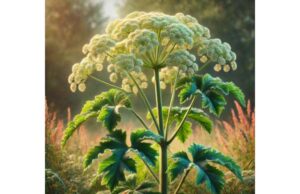
Cow Parsnip traditional uses, modern evidence, and safety considerations
Cow parsnip (Heracleum maximum) is a large, native North American member of the carrot family (Apiaceae) that grows in moist meadows, stream edges, forest...

Copaiba Uses for Skin and Oral Care, Benefits, and Side Effects
Copaiba is a fragrant plant resin (often called copaiba oil-resin or oleoresin) traditionally tapped from Copaifera trees in South America. Unlike many “herbal oils,”...

Comptonia (Sweetfern) tea benefits, digestive support, topical uses, and side effects
Comptonia peregrina—better known as sweetfern—is a fragrant, fern-like shrub native to eastern North America. Despite its delicate appearance, it’s a surprisingly sturdy plant with...

Cocklebur for allergic rhinitis, sinus support, traditional uses, and risks
Cocklebur is a prickly, weedy plant best known for the burrs that cling to clothing and animal fur—but it also has a long, complicated...

Chervil (Anthriscus cerefolium) health benefits, nutrition, medicinal properties, uses, and side...
Chervil (Anthriscus cerefolium) is a delicate culinary herb in the parsley family, prized for its soft, feathery leaves and subtle anise-like aroma. Often called...

Chaparral for skin, topical uses, precautions, and best practices
Chaparral, also known as creosote bush (Larrea tridentata), is a resin-coated desert shrub best recognized for its sharp, “rain-in-the-desert” scent and a long history...

Chameleon Plant health benefits, key compounds, and how to use it...
Chameleon plant (Houttuynia cordata) is a strongly aromatic herb native to East Asia and widely used as both food and traditional medicine. You may...

Celandine for Warts, Digestive Support, Dosage, and Safety Guide
Celandine—more precisely greater celandine (Chelidonium majus)—is a vivid yellow-flowering plant known for its bright orange sap. For centuries, people have used that latex on...

Canella health benefits, medicinal properties, digestive uses, and precautions
Canella (Canella winterana) is an aromatic Caribbean tree whose bark has been used for centuries as both a warming spice and a practical household...

California Bay Laurel for congestion relief, headache risks, topical uses, and...
California bay laurel (Umbellularia californica) is an aromatic evergreen native to the Pacific Coast of North America. Its glossy leaves look similar to culinary...

Calamus uses for digestion, calming support, preparation methods, and safety precautions
Calamus (Acorus calamus), often called sweet flag, is an aromatic wetland plant whose rhizome has a long history in traditional systems for digestion, respiratory...

Calamint tea benefits, how to use it, dosage, and safety
Calamint (Clinopodium nepeta) is an aromatic Mediterranean herb in the mint family, valued for its bright, mint-oregano scent and its long history as a...

Cajeput essential oil benefits, medicinal properties, topical uses, and precautions
Cajeput (often spelled cajuput) refers most commonly to the essential oil distilled from the leaves and small twigs of Melaleuca cajuputi, a paperbark tree...

Bull Thistle health benefits, medicinal properties, uses, and safety
Bull thistle (Cirsium vulgare) is a prickly biennial plant best known as a pasture weed, yet it has a quieter history as a traditional...