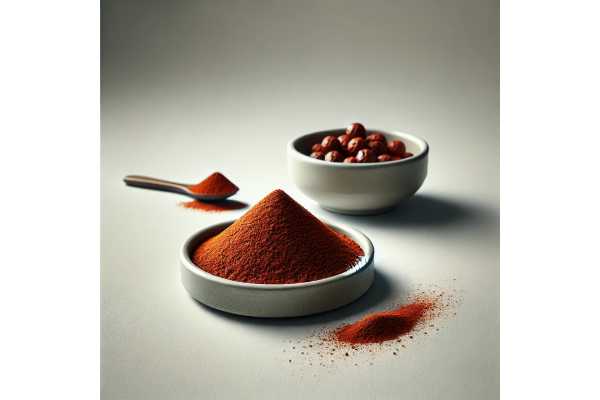
Tamarind powder captures the tangy, sweet-sour character of tamarind fruit in a convenient, shelf-stable form. It is made by dehydrating tamarind pulp and grinding it into a fine powder, sometimes with a small amount of carrier or anti-caking ingredient. Cooks across South and Southeast Asia, the Middle East, Africa, and the Caribbean rely on tamarind for sourness in chutneys, curries, beverages, snacks, and sauces; tamarind powder offers the same flavor without the need to soak or strain sticky pulp.
Beyond flavor, tamarind pulp and its powders provide organic acids, natural sugars, fiber, and a range of polyphenols with antioxidant capacity. Emerging research also explores how tamarind might influence blood lipids, blood pressure, and blood sugar regulation. At the same time, its acidity, natural sugar content, and potential interactions with certain medications mean it should be used thoughtfully. This guide walks through what tamarind powder is, its nutrients and active compounds, potential benefits, safety considerations, and practical ways to use it in everyday cooking.
Quick Overview
- Tamarind powder is a concentrated, shelf-stable souring agent that supplies organic acids, natural sugars, and antioxidant polyphenols.
- Experimental and early human research suggests tamarind products may support antioxidant defenses and some cardiometabolic markers when used regularly.
- A practical culinary portion is about 1–3 g (roughly ½–1½ teaspoons) per person in dishes, used a few times per week for most healthy adults.
- People with diabetes, planned surgery, very sensitive teeth or reflux, or those taking blood-sugar-lowering or blood-pressure medications should be cautious with concentrated tamarind products and discuss them with a healthcare professional.
Table of Contents
- Tamarind Powder Background and Uses
- Tamarind Powder Nutrition and Components
- Evidence Based Benefits of Tamarind Powder
- Tamarind Powder Risks Allergies Interactions
- Choosing Quality Tamarind Powder Sustainably
- Cooking with Tamarind Powder and Nutrients
- Tamarind Powder Portions Comparisons FAQs
Tamarind Powder Background and Uses
Tamarind powder is derived from the fruit of Tamarindus indica, a leguminous tree native to tropical Africa and widely grown across South Asia, Southeast Asia, and Latin America. The tree bears brown pods filled with sticky, dark pulp surrounding hard seeds. Traditionally, home cooks and food manufacturers use the pulp as a souring agent: it is soaked in water, kneaded, and strained to yield a tart extract used in curries, soups, chutneys, sauces, and beverages.
Tamarind powder offers a more convenient alternative. Manufacturers typically remove the shells and seeds, concentrate and dry the pulp (using drum drying, spray drying, or other dehydration methods), and mill it into a free-flowing powder. Some products are made from pure pulp; others may include carriers such as maltodextrin or small amounts of salt or sugar to improve flow and stability. The result is a sour, slightly sweet powder that dissolves easily and keeps its flavor for many months when stored correctly.
In the kitchen, tamarind powder plays several roles:
- Fast replacement for soaked tamarind pulp in curries, lentil dishes, rasam, and sambar
- Flavoring in snack seasonings, spice blends, instant soups, and noodle mixes
- Sour component in dry rubs for grilled meats, fish, or tofu
- Ingredient in powdered drink mixes and sherbets
- Tangy note in chutneys, dips, and salad dressings without extra moisture from liquid tamarind
Because the powder is easy to measure and disperse, it suits packaged foods, catering, and home cooks who want tamarind flavor without handling sticky pulp. It can also be useful where refrigeration is limited, since properly dried powders are shelf-stable.
There are variations in style. Some products emphasize a pure, intense sour taste, while others are milder and slightly sweet. Some are formulated from “sour tamarind” varieties; others from sweeter cultivars blended to balance flavor. A powder based on sour tamarind pulp will deliver more assertive acidity and a sharper flavor curve, which can be helpful for cutting through rich or oily dishes.
For people familiar with tamarind paste, it helps to think of tamarind powder as a concentrated, dry form that you can either sprinkle directly or reconstitute. One teaspoon of a pure, spray-dried tamarind powder can approximate the sourness of a tablespoon or more of diluted pulp, though exact equivalence depends on the brand and the dish.
Tamarind Powder Nutrition and Components
Because tamarind powder is made from dehydrated pulp, its basic nutritional pattern reflects that of the fresh pulp, only more concentrated by weight. Composition studies of ripe tamarind pulp report significant amounts of tartaric acid, reducing sugars, pectin, and modest protein and fiber, with the exact proportions varying by variety and growing region.
In general, tamarind pulp (and powders derived from it) contains:
- Carbohydrates as natural sugars (mainly glucose and fructose) and some starch
- Organic acids, especially tartaric acid, which provides most of the sour taste
- Dietary fiber, including pectin and other soluble and insoluble components
- Small amounts of protein and minimal fat
- Minerals such as potassium, magnesium, phosphorus, calcium, and trace elements
Spray-dried tamarind pulp powder retains much of this pattern. Studies comparing fresh pulp with spray-dried powders show that, per 100 g, both offer notable potassium and calcium, alongside measurable phenolic content and antioxidant activity, though some loss of phenolics can occur during drying.
The phytochemical profile is a major reason tamarind attracts interest as a functional ingredient. Tamarind pulp, seeds, and by-products contain:
- Phenolic acids such as ferulic, caffeic, and p-coumaric acids
- Flavonoids like catechin, epicatechin, and procyanidins
- Tannins, particularly in the seed coat and fibrous residues
- Carotenoids and other minor antioxidant compounds
Both pulp and seed fractions demonstrate antioxidant activity in vitro, with seed-rich powders often showing especially high phenolic and tannin levels. Food scientists have explored incorporating tamarind seed powder into juices and other products to boost overall phenolic content and radical-scavenging capacity.
Commercial tamarind powders may differ in how much seed material they include. A powder based solely on pulp will be higher in sugars and organic acids, while one that uses some seed or peel components can raise fiber and phenolic content. Labels rarely spell this out, but darker color, slightly more astringent taste, and higher insoluble residue when mixed with water sometimes hint at seed-derived fractions.
From a practical nutrition viewpoint, typical culinary servings of tamarind powder (1–3 g) add only a small number of calories—mostly from natural sugars—but they can contribute modest amounts of potassium and polyphenols. Sprinkling tamarind powder across multiple meals each week is a low-effort way to introduce more varied plant compounds into the diet.
Evidence Based Benefits of Tamarind Powder
Most research examines tamarind fruit pulp, seeds, or standardized extracts rather than branded tamarind powder itself. Still, these studies help explain why tamarind-based products may offer more than flavor when used within a balanced diet.
Laboratory and animal research demonstrates robust antioxidant activity from tamarind pulp, seed, and seed coat extracts. Polyphenols and procyanidin-rich fractions can scavenge free radicals, protect lipids from oxidation, and support cellular antioxidant enzymes. Extracts have also shown antimicrobial activity against certain bacteria and fungi, suggesting potential as natural preservatives or supportive agents against minor infections.
A number of experimental studies explore tamarind’s effects on metabolic health. Models indicate that tamarind extracts may help lower blood lipids, improve aspects of glucose handling, and reduce blood pressure, possibly through combined antioxidant, vasodilatory, and enzyme-modulating actions. Review articles summarize these findings, describing tamarind as a diet-based candidate for supporting lifestyle-related conditions, while emphasizing the need for more high-quality human trials.
Human research, while more limited, is growing. Clinical work with tamarind pulp products has reported:
- Modest improvements in lipid profiles and blood pressure in people with elevated cardiometabolic risk when tamarind beverages or preparations were consumed regularly over weeks.
- Potential benefits in certain digestive complaints and traditional uses such as mild laxative effects and support for bowel regularity, mainly from its fiber, acids, and bioactive compounds, though controlled data are sparse.
- Experimental anti-arthritic and cartilage-protective effects of tamarind seed extracts in animal models, laying groundwork for future joint-health applications, though not directly studied with culinary powders.
Tamarind’s organic acid and fiber content may also influence appetite and glycemic response when part of mixed meals. The sourness can encourage the use of less salt or added sugar while keeping dishes appealing, helping some people align with dietary recommendations. Its mild laxative tendency at higher intakes, while potentially uncomfortable for some, can support bowel regularity for others.
It is important to keep expectations realistic. The doses used in controlled trials often involve concentrated preparations or daily amounts higher than what most people will use as a seasoning. Tamarind powder sprinkled onto food is better viewed as one contributor to an overall plant-rich diet rather than a stand-alone treatment for high cholesterol, diabetes, or hypertension.
In practical terms, the best supported role for tamarind powder is as a flavorful, antioxidant-containing souring agent that can help make legumes, vegetables, and whole grains more enjoyable. When these foods form the foundation of meals, cardiometabolic benefits tend to follow from the overall pattern.
Tamarind Powder Risks Allergies Interactions
For most people, tamarind powder used in normal culinary amounts is safe. Tamarind fruit has a long history of use in traditional cuisines, suggesting a favorable safety profile. However, a few considerations are important.
Because tamarind is quite acidic, consuming large amounts can irritate sensitive teeth, contribute to enamel erosion, or aggravate symptoms in people with active reflux, gastritis, or peptic ulcers. Some individuals also notice a laxative effect when they consume tamarind-rich dishes or drinks in excess. Reducing portion size, combining tamarind with other ingredients, and avoiding constant sipping of very sour beverages can help minimize these issues.
Allergic reactions to tamarind are relatively uncommon but possible. Symptoms can range from oral itching and mild swelling to more serious reactions in people with strong legume or seed allergies. Because tamarind belongs to the Fabaceae family (alongside beans, lentils, and peanuts), people with severe legume allergies should be cautious when trying tamarind products for the first time. Skin or respiratory reactions after exposure warrant medical evaluation and avoidance.
Another important area is the potential for interactions with medications, especially for people with diabetes or those preparing for surgery. Some evidence suggests that tamarind may enhance blood-sugar-lowering effects, raising the risk of hypoglycemia when combined with diabetes medications, at least theoretically. Similar concerns apply in the perioperative period, when tight glucose control is needed. Conservative guidance is to monitor blood sugar more closely if you consume tamarind regularly and use glucose-lowering drugs, and to avoid high supplemental doses in the weeks before planned surgery unless cleared by your medical team.
Tamarind powders sometimes include additional ingredients such as salt, sugar, or anticaking agents. For individuals managing hypertension, kidney disease, or diabetes, it is worth checking labels. A “seasoning” tamarind powder used for snacks may contain far more sodium than a pure pulp powder used for cooking.
Children, pregnant individuals, and those who are breastfeeding can generally consume tamarind-containing foods as part of standard diets, as long as there are no specific contraindications. High-dose tamarind extracts, capsules, or medicinal preparations, however, should be approached with the same caution given to other herbs and supplements in these life stages and only used under professional supervision.
As with any concentrated plant ingredient, a useful rule of thumb is: if you have a chronic condition, take regular prescription medications, or are planning a procedure, treat tamarind powder supplements as something to disclose and discuss with your healthcare provider, while enjoying culinary amounts mindfully.
Choosing Quality Tamarind Powder Sustainably
Not all tamarind powders are equal in flavor, acidity, or potential functional value. Quality is shaped by the variety of tamarind used, how ripe the pods were at harvest, how the pulp was separated and dried, and whether seeds or peels were included.
High-quality tamarind powder should have a uniform, fine texture with minimal hard grit or fibrous clumps. The color typically ranges from golden brown to deeper reddish-brown, depending on the fruit variety and drying method. Aroma should be distinctly tangy and fruity, not dusty or stale. When mixed with water, good tamarind powder produces a smooth, sour solution without excessive off-flavors.
Spray-dried powders made from carefully processed pulp can retain significant phenolic content and antioxidant capacity, though some loss is inevitable compared with fresh pulp. Powders that incorporate residues or seed fractions may offer higher fiber and phenolics but can be more astringent and slightly darker in color. Work on valorizing tamarind by-products as powders highlights their potential as sources of protein, fiber, and antioxidants, supporting the idea that different powder types can serve different nutritional and functional roles.
When reading labels, look for clues such as:
- “Pure tamarind pulp powder” or similar language if you want a clean ingredient list
- Disclosure of carriers (for example, maltodextrin) if you need to manage carbohydrate sources
- Added salt or sugar, which may be desirable or undesirable depending on your health priorities
For freshness and sustainability:
- Choose brands that indicate production or best-by dates so you can avoid very old stock.
- Buy quantities you can realistically use within 12–18 months to maintain flavor and reduce waste.
- Store tamarind powder in airtight containers away from heat, light, and moisture to slow flavor and color degradation.
From an ecological and social perspective, tamarind trees are often grown by smallholder farmers and can thrive in semi-arid regions, providing shade, food, and income. Using tamarind pulp, seeds, and residues in multiple value chains—such as food, animal feed, and natural products—can support more sustainable livelihoods and reduce waste. Where possible, supporting producers or brands that communicate about fair sourcing, local processing, and waste reduction aligns everyday kitchen choices with broader sustainability goals.
Cooking with Tamarind Powder and Nutrients
Tamarind powder behaves a little differently from the more familiar tamarind paste or block. Understanding how it dissolves, responds to heat, and interacts with other ingredients will help you get the most from its flavor and preserve delicate components where possible.
Because tamarind powder is dry and concentrated, it is best either dissolved in liquid or well dispersed in moist foods. Adding it directly to very hot oil can cause scorching and uneven flavor. A simple approach is to mix the powder with a small amount of warm water to form a slurry, then add it to curries, soups, or sauces toward the middle or end of cooking. This approach mirrors how traditional tamarind pulp water is used.
For dry applications, such as snack coatings, roasted nuts, or spice blends for popcorn, tamarind powder can be combined with salt, chili, and other spices and then dusted over foods that are slightly moist or freshly oiled. The natural acidity brightens flavors and can reduce reliance on excessive salt or added sugar in seasonings.
In terms of nutrient retention, the organic acids and most phenolics in tamarind powder are relatively stable under normal cooking conditions, though prolonged high-heat exposure and repeated reheating can reduce antioxidant activity and alter subtle flavor notes. Research on dried tamarind products and leaves suggests that moderate drying and gentle cooking preserve more polyphenols than very high temperatures or lengthy boiling.
To balance flavor and retention:
- Avoid frying tamarind powder in very hot oil for long periods; instead, add it after aromatics and spices have bloomed.
- For soups and stews, add the powder during the last third of cooking to maintain brightness.
- In chilled dishes, such as salads or dips, add tamarind powder near serving time to prevent flavor dulling over long refrigeration.
Some practical ideas for using tamarind powder include:
- Stirring a small amount into lentil soups or dal for gentle acidity.
- Adding it to marinades for fish, chicken, or tofu, where it tenderizes and adds depth.
- Mixing into tomato-based sauces to provide complex sourness beyond tomato acidity alone.
- Blending into spice mixes for roasted chickpeas, potatoes, or vegetables.
- Creating a quick “tamarind drink” by dissolving powder in water with a touch of sweetener and salt, adjusting to taste.
Because tamarind powder integrates easily with other seasonings, it works well in plant-forward recipes that feature legumes, whole grains, and vegetables. This versatility makes it a helpful ingredient when you want to build satisfying, lower-sodium, or more fiber-rich meals without sacrificing pleasure.
Tamarind Powder Portions Comparisons FAQs
With its intense sourness, tamarind powder goes a long way. The aim is to find a level that brightens food without causing mouth or stomach discomfort.
For most healthy adults, a reasonable culinary portion is about 1–3 g of tamarind powder per serving, roughly ½–1½ teaspoons depending on brand strength and the dish. A pot of curry or soup for four might use 2–4 teaspoons total, while a large tray of roasted vegetables might need 1–2 teaspoons in the seasoning mix. These amounts are consistent with how much tamarind pulp is traditionally used when cooking from blocks or pastes, after accounting for concentration.
Comparing tamarind powder to other souring ingredients:
- Lemon or lime juice provides sharp acidity and vitamin C but adds liquid; tamarind powder offers a more mellow, fruity sourness in dry form.
- Vinegar delivers clean acidity and distinct flavor depending on type; tamarind powder adds body, slight sweetness, and a deeper, more complex profile.
- Sumac or dried mango powder (amchur) also bring dry sourness; tamarind powder is generally more intense and carries more natural sugars and organic acids, especially tartaric acid.
The best choice depends on the recipe and your taste preferences. Using a mix of sour ingredients can create depth and allow you to reduce reliance on salt.
Some people should take extra care with tamarind powder portions:
- Individuals with active reflux, gastritis, or sensitive teeth may need smaller amounts or less frequent use to avoid irritation.
- People with diabetes or those on glucose-lowering medications should avoid large supplemental doses and pay attention to blood sugar when they start using tamarind products more regularly.
- Anyone with known allergies to tamarind or related legumes should avoid it altogether.
Common questions include:
Can tamarind powder help with weight loss?
On its own, tamarind powder is unlikely to cause weight loss. It may support a healthier pattern by adding satisfying sourness to vegetable- and legume-rich meals, potentially reducing the need for heavy sauces or excess sugar, but overall energy balance and habits are more critical.
Is tamarind powder better than tamarind paste?
Neither is inherently better; they simply suit different needs. Paste or block forms are less processed and can deliver slightly different flavor nuances; powder is more convenient, consistent, and easy to measure, store, and transport.
Can children eat foods containing tamarind powder?
Yes, in small culinary amounts, most children can enjoy tamarind-flavored foods. Introduce it gradually because its sourness is strong, and watch for any signs of allergy or digestive upset.
Can I use tamarind powder every day?
Many people can safely use small amounts in daily cooking. If you notice mouth soreness, reflux, or bowel changes, reduce the amount and frequency. People with medical conditions or those taking certain medications should seek professional advice, especially before using concentrated preparations.
Treat tamarind powder as you would any strong seasoning or functional food: flavor first, benefits as a bonus, and moderation guided by your body’s feedback and your clinician’s advice.
References
- Tamarind: A Diet-Based Strategy Against Lifestyle Maladies 2019 (Review)
- Tamarindus indica and Its Health Related Effects 2014 (Review)
- Evaluation on the Effects of Tamarindus indica L. Fruit on Cardiometabolic Risk Factors 2020 (RCT)
- Tamarind: A Mini Review 2017 (Review)
- Comparative Study of Ripe Tamarind Pulp and Spray Dried Tamarind Pulp Powder 2018 (Original Research)
Disclaimer
The information in this article is intended for general educational purposes and does not replace personalized medical advice, diagnosis, or treatment. Tamarind powder and other plant-based products can affect people differently, especially in the presence of allergies, chronic health conditions, pregnancy, breastfeeding, or regular use of prescription medications. Always consult a qualified healthcare professional or registered dietitian before making significant changes to your diet, using herbal or concentrated tamarind preparations for therapeutic purposes, or if you have questions about how this information applies to your personal health.
If you found this article helpful, you are warmly invited to share it with others on Facebook, X (formerly Twitter), or any platform you prefer. Your considerate support helps more readers discover balanced, evidence-informed nutrition content and encourages the continued creation of high-quality educational resources.