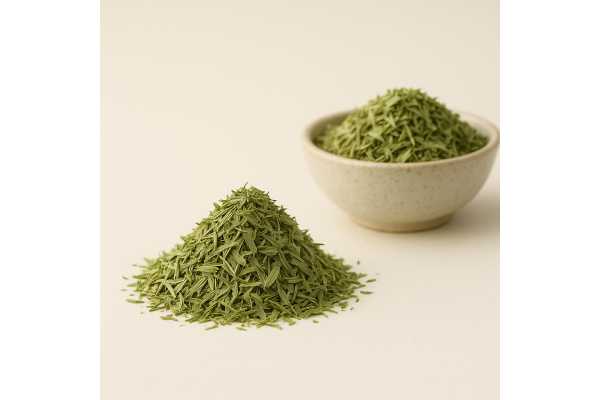
Tarragon is a slender, aromatic herb with a distinctive anise-like flavor that can transform simple dishes into something refined. Best known from French cooking, it is a key ingredient in sauces, vinegars, and classic pairings with chicken, fish, and eggs. The plant most often used in the kitchen is French tarragon (Artemisia dracunculus), valued for its soft leaves and complex, sweet-bitter aroma.
Beyond its culinary reputation, tarragon carries an interesting profile of phytochemicals, including polyphenols and essential oil constituents such as estragole, which have been studied for potential effects on metabolism, blood sugar regulation, and inflammation. At the same time, estragole is also the reason safety questions arise around high-dose tarragon extracts and essential oils.
This guide explains what tarragon is, how it is used, what is known about its nutrients and active compounds, and how to enjoy it safely and sustainably as part of a varied diet.
Key Takeaways
- Tarragon is a fragrant herb rich in flavor, polyphenols, and essential oils that can make lighter, plant-forward meals more satisfying.
- Experimental and early human studies suggest that certain tarragon extracts may modestly support blood sugar control and aspects of metabolic health, though evidence is still limited.
- A typical culinary serving is about 1–2 g dried tarragon (½–1 teaspoon) or 2–5 g fresh leaves per person, used several times per week as part of mixed dishes.
- People who are pregnant, have hormone-sensitive cancers, take blood-sugar-lowering medications, or use essential oils should be particularly cautious with concentrated tarragon preparations and seek professional advice.
Table of Contents
- Tarragon Herb Background and Culinary Uses
- Tarragon Nutrition Profile and Compounds
- Research Based Health Benefits of Tarragon
- Tarragon Safety Allergies and Interactions
- Choosing and Storing Tarragon Sustainably
- Cooking with Tarragon and Nutrient Care
- Tarragon Portions Comparisons and FAQs
Tarragon Herb Background and Culinary Uses
Tarragon (Artemisia dracunculus) is a perennial herb in the Asteraceae family. The most prized culinary type is French tarragon, which has tender, narrow leaves and a complex flavor that blends anise, vanilla, and subtle bitterness. Russian tarragon is a hardier cultivar with a coarser, more bitter taste, often used as a medicinal or research plant rather than a fine culinary herb. Mexican “tarragon” (Tagetes lucida) is a different species with a similar licorice note, sometimes used as a substitute.
French tarragon’s essential oil is rich in estragole (also called methyl chavicol), a volatile compound that contributes to its characteristic aroma. This essential oil content makes the herb highly fragrant but also underlies some safety debates at high doses. In the kitchen, though, tarragon is generally used in small quantities, mainly for flavor.
Culinary traditions highlight several classic uses:
- As part of fines herbes, a delicate blend with chervil, chives, and parsley for omelets, fish, and light sauces
- In Béarnaise and tarragon butter sauces for steak, salmon, and vegetables
- Infused in vinegar to create sharp, aromatic dressings and marinades
- Chopped into chicken salad, potato salad, or creamy spreads
- Paired with eggs, poultry, mild fish, and mushrooms, where its aromatic profile shines
Fresh tarragon is more delicate than many robust herbs. The leaves bruise easily and lose aroma quickly once chopped, which is why they are often added near the end of cooking or used raw in dressings and garnishes. Dried tarragon is convenient but can taste flatter or slightly more medicinal because some of the finer volatile notes are lost during drying.
Beyond European cuisines, tarragon and related species have traditional uses in central and western Asia, Russia, and North America. Historical records describe tarragon as a digestive aid, a breath freshener, and a remedy for toothache or minor aches, usually in the form of teas, tinctures, or chewed leaves. While these uses have inspired modern research, they should not be equated with proven medical treatments.
Today, home cooks and chefs value tarragon primarily as a way to add complexity to simple, healthful ingredients. A handful of fresh leaves in a yogurt sauce, a tarragon-infused vinaigrette on lentils, or a few sprigs tucked under roast chicken skin can shift a familiar dish into something fragrant and memorable.
Tarragon Nutrition Profile and Compounds
Most people use tarragon in teaspoon quantities rather than as a main ingredient, so its direct impact on daily macronutrient intake is small. Still, understanding its composition helps explain both its flavor and potential health effects.
Dried tarragon, per 100 g, provides about 295 kcal, with a macronutrient profile of roughly 50 g carbohydrate, 23 g protein, and 7 g fat, plus around 7 g of fiber. It is particularly notable for its mineral density: analysis of dried tarragon reports very high levels of potassium, magnesium, calcium, and iron on a per-weight basis.
Typical culinary portions are far smaller. A teaspoon of dried tarragon weighs around 0.6 g, contributing roughly 2 kcal and small amounts of minerals and fiber. A tablespoon of fresh leaves supplies a little more water, chlorophyll, and vitamin C but still only a modest amount of nutrients. The key value of tarragon in the diet is therefore not calories or macronutrients, but micronutrients and phytochemicals spread across many meals.
Phytochemical investigations of tarragon highlight several groups of compounds:
- Essential oils: Estragole is often the dominant constituent in French tarragon oil, along with other terpenes such as sabinene, ocimene, and various oxygenated monoterpenes and sesquiterpenes.
- Phenolic compounds: These include flavonoids and phenolic acids with antioxidant potential, such as derivatives of quercetin, luteolin, and caffeic acid.
- Coumarins and other secondary metabolites: Some tarragon chemotypes, especially Russian tarragon and specific breeding lines, contain distinct chalcones and other phenolic structures that have been studied for metabolic effects.
The chemical profile varies by species, cultivar, growing conditions, harvest time, and plant part. Russian tarragon in particular has been developed into standardized extracts that reduce estragole content while concentrating phenolic compounds of interest for metabolic research.
Processing also matters. Drying can reduce some heat-sensitive and volatile components, which is why dried tarragon often has a different aromatic balance than fresh. Essential oils are most concentrated in flowering tops and young leaves, and their composition can shift with plant maturity and climate.
From a day-to-day nutrition perspective:
- Small amounts of tarragon add negligible calories but contribute to overall mineral and phytochemical diversity.
- When used consistently in cooking, it helps increase exposure to plant polyphenols and aromatic compounds that may support antioxidant defense.
- The mineral content, while high on a per-100 g basis, will only make a modest contribution at normal culinary doses but still adds up when herbs and spices are used widely.
This combination of low energy density and high flavor density makes tarragon a useful tool when building meals focused on vegetables, legumes, and lean proteins.
Research Based Health Benefits of Tarragon
Tarragon has a long history of traditional use for digestion, appetite stimulation, and minor aches. Modern research explores how its extracts might influence metabolic health, inflammation, and microbial balance. It is important to distinguish between concentrated extracts used in studies and the modest amounts generally used in cooking.
Reviews of tarragon’s traditional uses, phytochemistry, and pharmacology summarize multiple laboratory and animal experiments showing antioxidant, antimicrobial, and anti-inflammatory actions from various tarragon preparations. Extracts from aerial parts and roots can scavenge free radicals, modulate inflammatory signaling, and inhibit growth of certain bacteria and fungi in vitro. These findings support the idea that tarragon contributes bioactive compounds rather than being a neutral flavoring.
One of the best-studied areas is metabolic health, particularly with Russian tarragon extracts. In cell and animal models, specific fractions have improved insulin signaling, reduced fasting blood glucose, and favorably influenced lipid metabolism. These effects appear to involve modulation of enzymes related to glucose production and improved insulin sensitivity in muscle tissue.
Human data, while still limited and preliminary, include:
- A randomized, double-blind crossover trial in non-diabetic men using an aqueous Russian tarragon extract before an oral glucose load, where the extract slightly lowered post-challenge glucose levels compared with placebo.
- Short-term studies examining Russian tarragon extract alongside creatine supplementation, hinting at possible influences on muscle creatine handling and performance-related outcomes.
- Small clinical work with tarragon powders or related herbal mixtures in people with metabolic risks, reporting improvements in some glucose and lipid markers.
Beyond metabolism, experimental work indicates that tarragon essential oil and extracts may:
- Reduce certain pain and spasm-related symptoms in animal models, aligning with traditional use for cramps and toothache
- Influence central nervous system targets related to sleep and mood, although robust human evidence is lacking
- Provide antibacterial and antifungal effects against selected microorganisms, supporting its role as a natural preservative in some foods
What does this mean in practice?
- Culinary use of tarragon is unlikely to deliver the same doses used in experimental settings, but it does help incorporate small, repeated amounts of potentially beneficial compounds.
- Extracts standardized for specific chemotypes (often Russian tarragon with reduced estragole) are the focus of most metabolic studies and should not be confused with essential oils or simple dried herbs.
- For most people, tarragon’s realistic health role is as part of an overall pattern that emphasizes herbs, spices, vegetables, whole grains, and healthy fats, rather than as a stand-alone remedy.
Anyone considering concentrated tarragon supplements for blood sugar or weight management should consult a healthcare professional, especially if already using medications for these conditions.
Tarragon Safety Allergies and Interactions
Tarragon is widely used as a culinary herb and is generally considered safe at the amounts typically added to food. Safety questions arise mainly with long-term internal use of essential oils or high-dose extracts, largely due to estragole.
Estragole is a naturally occurring compound present in several herbs, including tarragon, basil, fennel, and anise. Toxicological evaluations describe estragole as a genotoxic carcinogen based on rodent data, in which high doses promoted liver tumors via reactive metabolites that bind to DNA. At the same time, these assessments emphasize that risk is strongly dose-dependent and that dietary exposure from normal culinary herb use is many times lower than doses causing harm in animal experiments.
Because essential oils can deliver much higher estragole doses per drop than whole herbs provide per serving, some safety experts advise against prolonged internal use of tarragon essential oil and against its use in children, pregnancy, breastfeeding, and people with liver disease or hormone-sensitive cancers. Short-term culinary or external use in diluted products is generally viewed as lower risk.
Other safety considerations include:
- Allergy and sensitivity: Tarragon belongs to the Asteraceae family, which also includes ragweed, chamomile, and many other plants. People with strong allergies to this family may have a higher risk of reaction, though documented tarragon allergies are relatively rare. Symptoms might include oral itching, hives, or respiratory difficulty; any such reaction warrants medical attention.
- Blood sugar–lowering effects: Given that some tarragon extracts appear to influence glucose metabolism, there is theoretical potential for additive blood-sugar-lowering effects when combined with diabetes medications. While culinary amounts are unlikely to cause sudden hypoglycemia, high-dose supplements should only be used under professional supervision.
- Drug interactions and sedation: Tarragon has been used traditionally as a mild relaxant and sleep support, and it may enhance the effects of sedative medications or alcohol when taken in concentrated forms, though hard data are limited.
Special populations:
- Pregnancy and breastfeeding: Culinary use of tarragon in food is generally regarded as acceptable. However, due to estragole content and limited safety data, high-dose supplements and internal essential oil use are usually discouraged in these life stages.
- Children: Children can typically consume tarragon-flavored foods in small quantities. Essential oils and concentrated herbal preparations should be avoided unless guided by a pediatric specialist.
- People with liver disease or hormone-sensitive conditions: Because estragole is metabolized in the liver and has shown estrogen-like and carcinogenic properties in high-dose animal studies, individuals with liver issues or hormone-sensitive cancers should be particularly cautious about concentrated tarragon products.
In summary, fresh or dried tarragon used as a seasoning in normal cooking is considered low risk for most healthy adults. The main safety concerns relate to essential oils and long-term or high-dose extracts, where professional guidance is prudent.
Choosing and Storing Tarragon Sustainably
Good tarragon can be the difference between a flat-tasting sauce and something perfumed and complex. Quality also influences the levels of volatile and phenolic compounds you ultimately consume.
For fresh tarragon, look for:
- Bright green, narrow leaves with no yellowing or slimy spots
- A strong, sweet-anise aroma when you gently rub a leaf between your fingers
- Slender, flexible stems rather than large, woody stalks
Fresh French tarragon can be harder to find than common herbs like parsley. When available, it is often sold in clamshells or small bunches and may be imported or grown locally in cooler months. Fresh tarragon is perishable; store it loosely wrapped in a damp paper towel inside an airtight container in the refrigerator, or keep stems in a glass of water like a bouquet and change the water every few days.
For dried tarragon, choose:
- A product with a clear “best by” date and ideally an origin country listed
- Leaves that still show a greenish hue rather than dull brown or gray
- A noticeable aroma when you open the container; if it smells faint or dusty, it is probably old
Bulk bins can be economical, but herbs stored in clear jars under strong lights may lose volatile oils more quickly. Sealed, opaque packaging helps preserve aroma.
To store dried tarragon at home:
- Keep it in a tightly sealed jar away from heat, moisture, and direct light
- Avoid opening the jar above steaming pots
- Replace dried tarragon every 12–18 months to maintain flavor intensity
From a sustainability angle, tarragon has several advantages. It is a perennial herb in many climates, which means a home garden plant can produce for multiple seasons with modest inputs. Commercially, it is often grown on small farms or as part of diversified herb operations. Because herbs are consumed in small quantities, their environmental footprint per serving is relatively low compared with many animal products.
To make more sustainable choices:
- Buy from local growers or farmers markets when possible, reducing transport distances and supporting smaller-scale producers
- Consider organic or low-input cultivation, especially if you use large amounts of fresh herbs and want to minimize pesticide exposure
- Grow your own tarragon in pots or garden beds if you have space and sunlight, harvesting only what you need
Minimizing waste is another sustainability step. Instead of letting leftover fresh tarragon wilt in the fridge, you can:
- Freeze chopped leaves in ice cube trays with water or olive oil
- Make tarragon vinegar with stems and leaves and store it for months
- Combine spare herbs into compound butters or pesto-like sauces that freeze well
These practices help you get the most from each plant while aligning your kitchen habits with broader environmental goals.
Cooking with Tarragon and Nutrient Care
Tarragon’s delicate, volatile flavor compounds and polyphenols respond differently to heat and handling than sturdier herbs like rosemary or thyme. A few simple techniques can help you preserve both taste and potential benefits.
Fresh versus dried
Fresh tarragon is best when you want a bright, layered flavor in:
- Creamy sauces for fish or chicken
- Egg dishes such as omelets or frittatas
- Salads, dressings, and chilled sauces like aioli or yogurt dips
Add fresh leaves near the end of cooking or use them raw. Prolonged high-heat cooking can cause the flavor to turn muddy or bitter.
Dried tarragon is better suited to:
- Long-simmered dishes where it has time to rehydrate
- Dry rubs and seasoning blends
- Infusions into stocks, soups, or stews early in the cooking process
Because drying reduces some volatile components, you may need fractionally more dried herb than fresh to achieve the same aromatic impact, but the conversion is not exact; it also depends on quality.
Gentle techniques to protect aroma and compounds
Studies on herbs and spices show that extended high-heat exposure can reduce some antioxidant activity and break down volatile oils, whereas moderate heat and short cooking times can maintain or even improve extractability of certain phenolics. For tarragon, practical strategies include:
- Sautéing aromatics (onion, garlic) first, then adding tarragon partway through cooking or near the end
- Stirring fresh tarragon into warm dishes just before serving
- Using tarragon-infused vinegar or oil to capture aroma without prolonged heating
Classic and creative uses
Some ideas for weaving tarragon into daily meals:
- Make a simple tarragon vinaigrette with vinegar, mustard, olive oil, and chopped leaves for green salads or roasted vegetables.
- Stir chopped tarragon into Greek yogurt with lemon and pepper as a sauce for salmon, lentils, or grilled vegetables.
- Add a small handful of fresh leaves to a pot of simmering chicken broth near the end for a subtle aromatic lift.
- Mix dried tarragon with paprika, garlic powder, and black pepper for an all-purpose seasoning for roasted potatoes or chicken thighs.
- Prepare tarragon vinegar by steeping fresh sprigs in white wine vinegar for several weeks, then straining; use it wherever you would normally add a bright, herbal acid note.
Because tarragon has a pronounced flavor, a little goes a long way. Starting with small amounts and tasting as you go prevents overpowering a dish, especially if you are new to its flavor profile.
Tarragon Portions Comparisons and FAQs
Tarragon does not have official dietary intake recommendations, but typical culinary habits provide reasonable benchmarks.
For most healthy adults:
- Around ½–1 teaspoon dried tarragon (about 0.6–1.2 g) per person in a dish is enough to give noticeable flavor.
- When using fresh leaves, 1–2 tablespoons per serving (2–5 g) is usually sufficient, depending on the dish and your taste.
Using tarragon several times per week at these levels is consistent with traditional eating patterns in cuisines where it is common. People who enjoy its taste may use it daily, much as others use parsley or basil, as long as overall diet and health status allow.
How does tarragon compare with similar herbs?
- Versus basil: Both have sweet, anise-like notes depending on variety, but tarragon is more intense and less minty. Basil is often used in larger quantities and can be lower in estragole for many cultivars, while tarragon tends to be used sparingly.
- Versus fennel or anise seed: Fennel seeds and anise seeds are stronger, more straightforward licorice flavors, commonly used in breads and spice blends. Tarragon gives a softer, more herbal flavor and is better suited to delicate dishes and sauces.
- Versus dill: Dill has a fresher, grassy aroma and no licorice note. It can sometimes substitute for tarragon in fish or potato dishes if you want an herbal touch without anise-like flavor.
Who should limit or avoid tarragon?
- People with known allergies to tarragon or severe reactions to other Asteraceae plants
- Individuals with hormone-sensitive cancers or significant liver disease, particularly regarding concentrated tarragon products or long-term essential oil use
- Those taking blood-sugar-lowering medications who are considering high-dose tarragon extracts rather than modest culinary use
In these cases, it is prudent to discuss tarragon, especially in supplemental form, with a healthcare professional.
Frequently asked questions
Can I use tarragon every day?
In food-level amounts, many people can enjoy tarragon daily without issue. Pay attention to how you feel, and reduce intake if you notice digestive discomfort, headaches, or other symptoms.
Is dried tarragon as healthy as fresh?
Both forms can contribute beneficial compounds. Fresh tarragon offers more vitamin C and very fresh volatile oils; dried forms concentrate some polyphenols but lose some aroma. Using both across different dishes provides variety.
Is tarragon tea safe?
Occasional cups made from modest amounts of dried or fresh tarragon are usually well tolerated for healthy adults. However, drinking very strong infusions daily or using essential oil internally is not recommended without professional guidance, especially because of estragole content.
Can children and older adults eat tarragon?
Yes, in normal food quantities, tarragon can be part of meals for most age groups. As always, introduce new herbs gradually and observe for any signs of allergy or intolerance.
Harness tarragon’s strengths by using it primarily as a flavor-enhancing herb, within a diverse menu of fruits, vegetables, whole grains, pulses, and other herbs and spices.
References
- Artemisia dracunculus (Tarragon): A Review of Its Traditional Uses, Phytochemistry and Pharmacology 2021 (Systematic Review)
- Public Statement on the Use of Herbal Medicinal Products Containing Estragole 2023 (Guideline)
- Potential Application of Russian Tarragon (Artemisia dracunculus L.) in the Management of Metabolic Syndrome 2011 (Review)
- Effects of Short-Term Ingestion of Russian Tarragon Prior to Creatine Monohydrate Supplementation 2014 (RCT)
- Estragole: Toxicology and Carcinogenesis Summary 2010 (Toxicology Assessment)
Disclaimer
The information in this article is intended for general educational purposes only and is not a substitute for individualized medical advice, diagnosis, or treatment. Tarragon and other herbs can interact with medications and underlying health conditions, especially when used in concentrated forms such as extracts or essential oils. Always consult a qualified healthcare professional or registered dietitian before making significant changes to your diet, using herbal preparations for therapeutic purposes, or if you have questions about how the information here applies to your personal health situation.
If you found this article useful, you are kindly invited to share it with others on Facebook, X (formerly Twitter), or any platform you prefer. Thoughtful sharing helps more readers access balanced, evidence-informed nutrition content and supports the continued creation of high-quality educational resources.