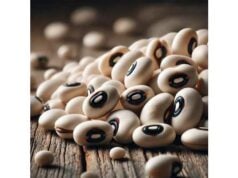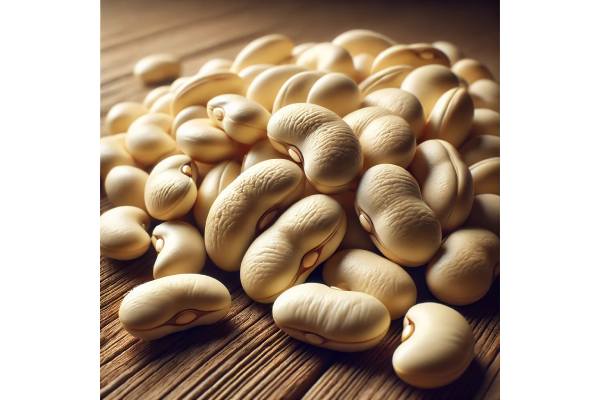
Tarwi—also called Andean lupin, chocho, or Lupinus mutabilis—is a high-protein legume native to the Andes that’s finally getting global attention. Drought tolerant and nitrogen-fixing, tarwi thrives where other crops struggle. Its seeds are unusually rich in protein and healthy fats for a bean, with a mild, nutty flavor once the characteristic bitterness is removed. In the Andes, families cook, soak, and rinse the beans over several days to flush out bitter alkaloids, then fold the tender pearls into stews, grain bowls, cebiches de chochos, or creamy spreads. Home cooks elsewhere can buy pre-debittered, ready-to-cook beans in jars or vacuum packs, which makes using tarwi as easy as chickpeas. Beyond versatility, tarwi brings dense nutrition—quality protein, fiber, iron, magnesium, and folate—plus a sustainable footprint. This guide explains how tarwi differs from better-known lupins, what the nutrition numbers mean in plain terms, how to select safe products, and exactly how to prepare it so you keep nutrients while getting that signature creamy bite.
Core Points
- Tarwi provides concentrated plant protein (≈14–18 g per 100 g cooked) with fiber, magnesium, and folate.
- Only debittered tarwi is edible; proper soaking and rinsing remove quinolizidine alkaloids that cause bitterness.
- Typical serving: ¾–1 cup cooked (120–150 g) in meals, enjoyed several times per week as a legume swap.
- People with lupin or peanut allergy—or those on strict potassium/sodium limits—should review the safety section first.
Table of Contents
- Tarwi: Detailed Overview
- Tarwi Nutrition Profile
- Evidence-Based Health Benefits of Tarwi
- Tarwi Risks, Allergies and Interactions
- Selecting Tarwi: Quality, Sustainability and Storage
- Preparation, Cooking and Nutrient Retention for Tarwi
- Portions, Comparisons and FAQs on Tarwi
Tarwi: Detailed Overview
Tarwi (Lupinus mutabilis) is an Andean “lost crop” now re-emerging as a climate-smart protein. Unlike chickpeas or lentils, tarwi’s dried seeds start out bitter due to natural quinolizidine alkaloids (primarily lupanine and sparteine). Traditional processing—gentle cooking, then repeated soaking and rinsing in flowing or frequently changed water—leaches those compounds to safe, low levels. The result is a tender, ivory bean with a buttery texture and delicate, slightly earthy taste that pairs well with citrus, tomatoes, herbs, chiles, garlic, and onions.
In Ecuador, Peru, and Bolivia, tarwi appears in cebiche de chochos (a citrusy street-food salad), creamy soups, potato and quinoa stews, and spreads. Its composition is unusual for a legume: high-quality protein and meaningful unsaturated fat, with very little starch compared with most beans. That profile puts tarwi somewhere between a pulse and a nut in culinary function. It thickens soups without flour, adds body to salads without heaviness, and blends into dairy-free dips and “hummus” variations with ease.
Agronomically, tarwi fixes atmospheric nitrogen through root symbiosis, supporting rotations that reduce synthetic fertilizer needs. It also tolerates cool nights, high elevation, and irregular rainfall—useful traits as farming faces climate variability. Breeders are developing low-alkaloid (“sweet”) lines to shorten processing and expand use in ready-to-eat foods.
If you’re new to tarwi, think in swaps: use it anywhere you’d use chickpeas or cannellini beans, and notice how smaller portions still feel satisfying. Start with pre-debittered beans or reliable jarred products; if you work from dry seeds, follow the debittering method in the prep section to ensure safety and good flavor.
Tarwi Nutrition Profile
Reference form: Unless noted, values below refer to debittered, cooked tarwi beans per 100 g (drained if jarred). Ranges reflect cultivar and processing. % Daily Value (%DV) is based on U.S. labeling DVs (adults and children ≥4 years).
Macros & Electrolytes (per 100 g)
| Nutrient | Amount | %DV |
|---|---|---|
| Energy | 105–140 kcal | — |
| Protein | 14–18 g | 28–36% |
| Total fat | 3–6 g | 4–8% |
| Saturated fat | 0.4–1.0 g | 2–5% |
| Carbohydrate | 6–12 g | 2–4% |
| Dietary fiber | 4–7 g | 14–25% |
| Total sugars | ~1–2 g | — |
| Sodium* | 5–450 mg | 0–20% |
| Potassium | 280–520 mg | 6–11% |
| Water | ~60–70 g | — |
*Sodium varies widely; brined or jarred beans can be high. Rinse before use to reduce sodium.
Fats & Fatty Acids (per 100 g)
| Component | Amount | Notes |
|---|---|---|
| Monounsaturated fat | ~1.5–3.0 g | Predominantly oleic acid |
| Polyunsaturated fat | ~1.0–2.5 g | Mainly linoleic (omega-6); small alpha-linolenic (omega-3) |
| Cholesterol | 0 mg | Plant food |
Protein & Amino Acids
| Item | Detail |
|---|---|
| Protein quality | High for a legume; methionine is relatively limiting—pair with grains, seeds, or eggs for completeness. |
| Use in meals | 100 g cooked often replaces ~2 eggs or ~60–70 g cooked chicken for protein quantity in mixed dishes. |
Vitamins (per 100 g)
| Vitamin | Amount | %DV |
|---|---|---|
| Folate (DFE) | 80–140 µg | 20–35% |
| Thiamin (B1) | 0.12–0.25 mg | 10–21% |
| Vitamin B6 | 0.1–0.2 mg | 6–12% |
| Niacin (B3) | 1.1–2.0 mg | 7–13% |
| Vitamin E (alpha-tocopherol) | 0.5–1.5 mg | 3–10% |
| Vitamin K | Trace–15 µg | 0–13% |
Minerals (per 100 g)
| Mineral | Amount | %DV |
|---|---|---|
| Magnesium | 40–80 mg | 10–19% |
| Iron | 1.5–3.0 mg | 8–17% |
| Phosphorus | 140–220 mg | 11–18% |
| Calcium | 25–60 mg | 2–5% |
| Zinc | 1.0–2.2 mg | 9–20% |
| Copper | 0.15–0.35 mg | 17–39% |
| Manganese | 0.3–0.8 mg | 13–35% |
| Selenium | 1–6 µg | 2–11% |
Carbohydrates
| Component | Amount | Notes |
|---|---|---|
| Starch | Low–moderate | Lower than many beans; lends a lower glycemic load in mixed meals. |
| Oligosaccharides (raffinose family) | Present | Can cause gas; reduced with soaking/debittering. |
Bioactives/Phytonutrients
| Class | Presence | Notes |
|---|---|---|
| Phytosterols | Present | May support healthy lipid profiles as part of overall diet. |
| Polyphenols | Moderate | Concentrated in seed coat; vary by cultivar and processing. |
| Quinolizidine alkaloids | Trace after proper debittering | Bitter, potentially toxic if not reduced; see Safety. |
Allergens & Intolerance Markers
| Factor | Notes |
|---|---|
| Lupin proteins | Recognized allergen; cross-reactivity with peanut is documented in some individuals. |
| FODMAPs | Oligosaccharides may trigger symptoms in sensitive people; debittering rinses reduce load. |
Anti-nutrients
| Compound | Impact | Mitigation |
|---|---|---|
| Phytic acid | Binds minerals | Soaking, cooking, fermentation, and vitamin C-rich foods improve absorption. |
| Trypsin inhibitors | Reduce protein digestion when raw | Adequate cooking inactivates. |
Fortification & additives: Plain dry or cooked tarwi is unfortified. Jarred or canned products may contain salt; some snacks include added oils or flavorings—check labels.
Evidence-Based Health Benefits of Tarwi
A concentrated plant protein that fits daily meals. With ~14–18 g protein per 100 g cooked, tarwi delivers more protein per bite than most beans, while bringing fiber and minerals. That makes it a strong anchor for bowls, salads, and stews when you want to reduce red meat but keep meals satisfying.
Cardiometabolic support from whole lupin foods. Clinical and translational research on lupins (the broader Lupinus genus) shows encouraging patterns: whole lupin foods can improve satiety, support modest reductions in blood pressure, and help glycemic control when they replace refined carbohydrates. Tarwi shares this whole-food matrix (protein + fiber + unsaturated fats + micronutrients), so you can expect similar directional benefits when it displaces refined grains or processed meats and is part of a balanced pattern rich in vegetables and fruits.
Digestive and appetite advantages. The fiber in tarwi—both insoluble and soluble fractions—adds bulk and slows gastric emptying. In practice, people often report that tarwi makes salads and soups feel “complete,” helping curb between-meal snacking. Debittering reduces oligosaccharides that can cause gas, improving tolerance compared with many other beans.
Mineral density that matters. Tarwi meaningfully contributes magnesium (for energy metabolism and muscle/nerve function), iron (for oxygen transport), phosphorus (for bone and energy), and zinc (for immunity and repair). Pairing tarwi with vitamin C–rich foods (tomato, citrus, bell pepper) can boost non-heme iron uptake.
Culinary flexibility that drives adherence. Behaviorally, foods you can cook fast, in many ways, are the ones you’ll actually eat. Pre-debittered tarwi can be tossed into a pan with aromatics in minutes, blended into dips, or folded into breakfast scrambles. That versatility helps you meet weekly legume goals without boredom.
Sustainability upsides. Choosing tarwi supports crop diversity. As a nitrogen fixer, it can reduce synthetic fertilizer inputs in rotations and enhance soil health. For eaters trying to reduce environmental impact, replacing some animal protein with tarwi aligns well with lower-emission meal planning.
Expectation setting. Tarwi is a nutrient-dense food, not a supplement. Benefits accumulate when it regularly replaces lower-quality calories within an overall thoughtful eating pattern, adequate sleep, and active living.
Tarwi Risks, Allergies and Interactions
Alkaloids in untreated seeds. Raw, untreated tarwi contains quinolizidine alkaloids (e.g., lupanine, sparteine) that taste bitter and can cause nausea, vomiting, dizziness, and other neuro-gastro symptoms if consumed in significant amounts. Proper debittering—cooking, then repeated soaking and thorough rinsing—reduces alkaloids to safe, low levels. Commercial products labeled “debittered,” “sweet,” or jarred for immediate use have been processed; home cooks must follow safe methods (see Prep section).
Allergy and cross-reactivity. Lupin is a recognized allergen in many regions. Cross-reactivity with peanut occurs in a subset of people due to shared protein epitopes. Reactions range from mild oral itching to anaphylaxis. If you have peanut or lupin allergy—or unexplained reactions to baked goods containing lupin flour—seek medical guidance before trying tarwi.
FODMAP sensitivity. As with other legumes, oligosaccharides may trigger gas or bloating in sensitive individuals. Proper soaking and rinsing reduce FODMAP load. Starting with small portions (½ cup cooked) and increasing slowly can improve tolerance.
Sodium and potassium considerations. Jarred or brined lupins can be salty; rinse well and account for sodium if you manage blood pressure. Tarwi contributes potassium; those with advanced kidney disease who restrict potassium should discuss appropriate portions with their renal team.
Pregnancy and children. Culinary amounts of properly debittered tarwi are generally acceptable. Avoid raw or insufficiently processed seeds. For children, offer small portions first, watch for allergy symptoms, and choose low-sodium products.
Medication notes. No widely documented drug interactions exist for properly prepared tarwi. If you experience reflux, avoid heavily spiced or high-fat tarwi dishes late at night rather than avoiding the legume itself.
Food safety. As with all cooked legumes, refrigerate leftovers within two hours and eat within 3–4 days, or freeze in meal-size portions for up to three months.
Bottom line: choose debittered tarwi, rinse brined beans, and confirm allergy status when relevant. These steps keep risk low while you enjoy the benefits.
Selecting Tarwi: Quality, Sustainability and Storage
Formats and what to look for
- Dry seeds (for home processing): Choose reputable sources that specify Lupinus mutabilis and, if possible, “sweet/low-alkaloid” lines. Seeds should be uniform, intact, and free of cracks or pests.
- Jarred or vacuum-packed beans: Look for “debittered” or “ready to eat.” Ingredients should be beans, water, and possibly salt. Avoid products with off odors or cloudiness after rinsing.
- Flour and snacks: Tarwi flour or crisps can boost protein in baking or snacking; check sodium and added oils.
Quality cues
- Color and aroma: Debittered tarwi ranges from ivory to light tan and should smell nutty or neutral, never medicinal or harshly bitter.
- Texture: A good bean is tender and creamy when bitten, with a thin skin that doesn’t peel excessively.
Sustainability notes
- Tarwi grows in challenging environments and fixes nitrogen, supporting diversified agroecosystems.
- Dry beans store and ship efficiently, reducing waste. Buying from Andean cooperatives or transparent brands supports smallholders and crop biodiversity.
Smart storage
- Dry seeds: Airtight container, cool and dark, up to 12–18 months.
- Jarred/cooked beans: Once opened, refrigerate in clean water and use within 3–4 days; change water daily.
- Cooked from scratch: Portion and freeze for up to 3 months; thaw in the refrigerator and reheat gently.
Cost and availability
- In specialty or Latin markets, pre-debittered jars are often the easiest entry point. Online shops carry both dry seeds and ready-to-eat options. When comparing prices, note that tarwi’s higher protein means smaller portions can replace costlier animal protein in recipes.
Preparation, Cooking and Nutrient Retention for Tarwi
Safe debittering from dry seeds (home method)
- Sort and rinse. Pick out stones or damaged seeds; rinse thoroughly.
- Soak. Cover with plenty of water (at least 4:1 water:beans) and soak overnight (8–12 hours). Drain.
- Cook. Add fresh water and simmer gently 60–90 minutes until just tender (pressure cooker: 20–25 minutes natural release).
- Leach alkaloids. Drain the cooking water (discard). Cover beans with warm water and soak at least 24 hours, changing the water every 3–4 hours (or keep under a trickle of running water where permitted). Taste periodically: bitterness should fade to a mild, pleasant nuttiness.
- Final rinse and store. Rinse well. Refrigerate up to 3–4 days (in water, changed daily) or freeze.
Time-saving options
- Use pre-debittered jarred tarwi: rinse well and cook immediately.
- If starting from dry, cook a double batch and freeze in 1–1½ cup portions (the equivalent of a can of beans).
Cooking techniques that protect nutrition and texture
- Sauté and fold-in (5–7 minutes): Warm cooked tarwi with olive oil, garlic, cumin, and paprika; finish with lemon.
- Simmered stews (15–20 minutes): Add to tomato-based vegetable stews or quinoa-potato soups; simmer gently to infuse flavor without breaking skins.
- Cold salads: Toss with tomatoes, red onion, cilantro, and lime (cebiche de chochos style).
- Purées and spreads: Blend with tahini, lemon, and roasted peppers for a creamy, high-protein dip.
Retention tips
- Discard only the first bitter cooking liquid; once debittered, keep beans in minimal fresh water and avoid prolonged boiling to limit mineral losses.
- Add acidic ingredients (tomato, lime) toward the end to maintain a tender skin.
- Pair with vitamin C–rich foods to enhance iron absorption.
Flavor frameworks that love tarwi
- Andean bright: Lime, aji amarillo, red onion, tomato, cilantro.
- Mediterranean: Olive oil, lemon, garlic, oregano, roasted peppers.
- Smoky-spicy: Chipotle, cumin, coriander, charred corn, scallions.
- Herby-green: Parsley, mint, dill, cucumber, yogurt (or dairy-free alt.), sumac.
Common pitfalls—and fixes
- Persistent bitterness: Extend the soak with more frequent water changes; briefly simmer again and repeat the soak.
- Tough skins: Beans were old or cooked too hard; next time, soak longer and keep the simmer gentle.
- Excess salt from brine: Rinse thoroughly; simmer 5 minutes in fresh water; season the dish later.
Portions, Comparisons and FAQs on Tarwi
How much is a serving?
A practical cooked serving is ¾–1 cup (120–150 g). That typically provides 17–24 g protein, 5–9 g fiber, and substantial magnesium and folate, depending on brand and processing. Most adults aiming for 25–35 g protein per meal can reach the target by combining tarwi with grains, nuts/seeds, or eggs.
How does tarwi compare to other beans and soy?
- Versus chickpeas: Tarwi has more protein and less starch per 100 g cooked, with a creamier, less mealy texture.
- Versus edamame (green soybeans): Similar protein ballpark per cup, but tarwi’s flavor is nuttier and its starch content is lower; edamame offers more isoflavones.
- Versus canned lupini (Mediterranean L. albus): Texture is firmer in lupini; tarwi tends to be creamier and used in larger portions within dishes.
Is tarwi low carb?
Per 100 g cooked it is lower in net carbs than most beans, making it a useful choice in moderate-carb patterns. In very low-carb diets, small portions can still add texture and micronutrients.
Can athletes use tarwi for recovery?
Yes. Combine tarwi with a carbohydrate source (e.g., rice, potatoes, or whole-grain bread) and vegetables after training to support glycogen repletion, muscle repair, and micronutrient repletion.
What about IBS and FODMAPs?
Debittering reduces oligosaccharides, improving tolerance for some people. During strict low-FODMAP elimination, start with ½ cup portions and assess symptoms; many can liberalize later.
How do I know my home-processed tarwi is safe?
Taste is your guide: properly debittered beans are not bitter. If any bitterness remains, continue soaking and changing the water until it’s gone. When in doubt, buy pre-debittered products from reputable brands.
Budget and meal-prep tips
- Cook once, freeze in portions, and keep a jar of roasted peppers or a bag of frozen spinach handy—instant high-protein meals.
- For a week of lunches: make a big batch of cebiche-style tarwi salad; keep dressing and aromatics separate until serving to maintain crunch.
References
- Scientific opinion on the risks for animal and human health related to the presence of quinolizidine alkaloids in feed and food, in particular in lupins and lupin-derived products 2019 (Guidance/Opinion).
- Lupins and Health Outcomes: A Systematic Literature Review 2022 (Systematic Review).
- The micronutrient content in underutilized crops: The Lupinus mutabilis Sweet case 2022 (Research).
- Lupin allergy: Another member of the peanut gallery? 2023 (Review).
- Diversity and Agronomic Performance of Lupinus mutabilis Sweet: A Global Perspective 2022 (Research).
Disclaimer
This article is for general education and does not replace personalized medical advice, diagnosis, or treatment. If you have a history of lupin or peanut allergy, chronic kidney disease requiring electrolyte restriction, or you are pregnant or feeding young children, consult a qualified health professional before introducing tarwi. Always use properly debittered tarwi; raw or insufficiently processed seeds can be harmful.
If this guide was useful, please consider sharing it on Facebook, X (formerly Twitter), or any platform you prefer. Your support helps us continue producing careful, evidence-informed food guides.