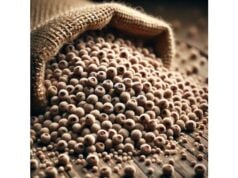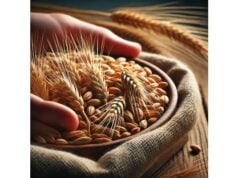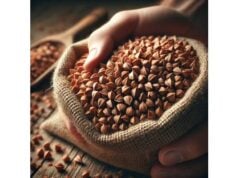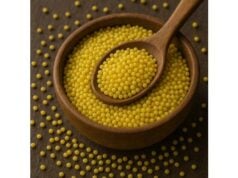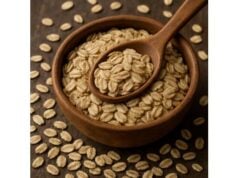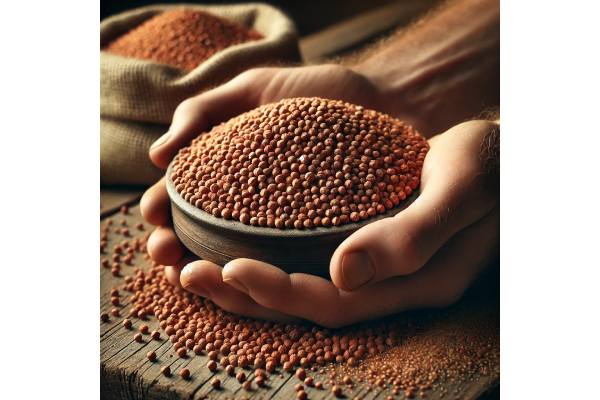
Teff is a tiny whole grain with an outsized reputation. Native to the Horn of Africa, it is the backbone of Ethiopian and Eritrean cuisine and the traditional base for injera, a soft, sourdough flatbread. As a pantry staple, teff is practical: the whole grain cooks quickly for porridge or grain bowls, and the flour blends smoothly into gluten-free batters without a gritty aftertaste. Nutritionally, teff stands out for its fiber, iron, and calcium, plus useful amounts of magnesium and zinc. It is naturally gluten-free, so it suits people who need or prefer to avoid gluten, while still offering true whole-grain benefits. Teff’s mild, slightly nutty flavor works in both sweet and savory recipes—from breakfast porridge and pancakes to soups, salads, and skillet breads. In this guide you will find a complete look at what teff offers: how it compares to other grains, how to cook and store it safely, how to select quality products, and how much to eat to fit your goals. The goal is simple—help you use teff with confidence and enjoy it often.
Nutrition Snapshot
- Whole-grain teff provides steady energy, ~12–13 g protein and ~7–9 g fiber per 100 g dry grain.
- Naturally gluten-free; choose certified products if strict avoidance is required.
- Typical serving: ½ cup cooked (≈100–125 g cooked, ~35–40 g dry) once daily or a few times weekly.
- People with celiac disease can include teff; those with iron overload or very high calcium restrictions should tailor portions with a clinician.
Table of Contents
- Teff Explained: Detailed Overview
- Teff Nutrition Profile
- Evidence-Based Health Benefits
- Risks, Allergies and Interactions
- Selecting, Quality, Sustainability and Storage
- Preparation, Cooking and Nutrient Retention
- Portions, Comparisons and FAQs
Teff Explained: Detailed Overview
Teff (Eragrostis tef) is one of the world’s smallest cereal grains—each seed is about the size of a poppy seed—yet it delivers big on versatility. In Ethiopia and Eritrea it is ground into flour, fermented, and cooked on a large griddle to make injera, a spongy flatbread that doubles as plate and utensil. Outside its homeland, cooks use teff in many forms: whole grains for porridge or pilaf, flour for pancakes, waffles, tortillas, and quick breads, and flakes for muesli and granola. The flavor is mild and gently sweet with notes of hazelnut and cocoa, especially in brown varieties. Ivory teff tastes slightly lighter and blends easily into baked goods without darkening them.
Teff’s structure shapes how it behaves in the kitchen. Because the grain is so small, it cooks faster than most whole grains and thickens liquids readily. The bran and germ are built into every kernel (you cannot “polish” teff the way you would rice), so most retail teff is naturally whole grain. This matters: whole-grain teff keeps its fiber, minerals, and phytochemicals, rather than losing them to milling. It is also naturally gluten-free, which makes it a mainstay in gluten-free baking. On its own, teff flour behaves more like fine whole-wheat pastry flour than like starchy gluten-free flours; blending it with a binder (psyllium, flax gel, chia gel, or egg) creates structure where gluten would normally provide elasticity.
Beyond the kitchen, teff’s agronomy is notable. It grows well in a range of soils, tolerates drought better than many cereals, and matures quickly, which lets farmers plant and harvest in tight seasonal windows. Its tiny grain size spreads risk—if a storm damages part of a field, the remainder may still mature quickly. For shoppers, this resilience shows up as stable year-round availability and forms the backbone of many fair-trade and community-based supply chains from East Africa.
Finally, a word on authenticity. Injera made with 100% teff flour is naturally gluten-free and has a gently sour, complex flavor. Some restaurants outside Ethiopia and Eritrea blend teff with wheat or other grains for cost and handling reasons. If you need strict gluten avoidance, ask how the bread is made or choose dishes that do not rely on mixed flours. For home cooks, 100% teff injera is very achievable with a simple sourdough-style process and safe fermentation practices.
Teff Nutrition Profile
Basis: Unless stated otherwise, values below are for raw, whole-grain teff per 100 g. Cooked values will be lower per 100 g due to water uptake (typically 2.5–3×). % Daily Value (%DV) reflects U.S. DVs for adults and children 4+ on a 2,000-kcal diet.
Macros and Electrolytes (per 100 g, raw)
| Nutrient | Amount | %DV |
|---|---|---|
| Energy | 367 kcal | — |
| Carbohydrate | 73.0 g | 27% |
| Dietary Fiber | 7.5–8.0 g | 27–29% |
| Total Sugars | ~1.5 g | — |
| Protein | 13.0 g | 26% |
| Total Fat | 2.4 g | 3% |
| Saturated Fat | 0.5 g | 3% |
| Sodium | 12 mg | <1% |
| Potassium | 427 mg | 9% |
| Water | ~8–10 g | — |
Carbohydrates
| Component | Amount | Notes |
|---|---|---|
| Starch (approx.) | ~66–68 g | Mix of rapidly and slowly digestible fractions; some resistant starch forms during cooling. |
| Soluble Fiber | ~1–2 g | Contributes to viscosity and satiety. |
| Insoluble Fiber | ~6 g | Supports bowel regularity. |
Fats and Fatty Acids
| Component | Amount |
|---|---|
| Monounsaturated Fat | ~0.6–0.8 g |
| Polyunsaturated Fat (primarily linoleic) | ~1.0–1.2 g |
| Alpha-Linolenic Acid (omega-3) | ~0.05–0.1 g |
| Trans Fat | 0 g |
Protein and Amino Acids
| Item | Value/Note |
|---|---|
| Protein (total) | ~13 g |
| Limiting Amino Acid | Lysine is relatively low (grain-typical). |
| Complementary Pairings | Combine with legumes, dairy, soy, eggs, fish, or meat across the day for complete amino acid coverage. |
Vitamins (selected, per 100 g)
| Vitamin | Amount | %DV |
|---|---|---|
| Thiamin (B1) | ~0.39 mg | 33% |
| Riboflavin (B2) | ~0.28 mg | 22% |
| Niacin (B3) | ~3.4 mg | 21% |
| Vitamin B6 | ~0.48 mg | 28% |
| Folate (DFE) | ~85 µg | 21% |
| Vitamin E (alpha-tocopherol) | ~0.1–0.2 mg | 1% |
Minerals (selected, per 100 g)
| Mineral | Amount | %DV |
|---|---|---|
| Calcium | ~150–180 mg | 12–14% |
| Iron | ~7–8 mg | 39–44% |
| Magnesium | ~180–190 mg | 43–45% |
| Phosphorus | ~400–430 mg | 32–34% |
| Manganese | ~8–9 mg | 348–391% |
| Zinc | ~4–5 mg | 36–45% |
| Copper | ~0.8–0.9 mg | 89–100% |
| Selenium | ~3–5 µg | 5–9% |
Bioactives / Phytonutrients
- Teff contains phenolic acids (e.g., ferulic), flavonoids, and small amounts of carotenoids. Brown and red teff have higher phenolic content than ivory. Bran fractions carry the highest concentrations.
Allergens and Intolerance Markers
- Naturally gluten-free; watch for cross-contact in mixed facilities or restaurant kitchens.
- Teff allergy is rare but possible; reactions resemble other cereal grain allergies.
Anti-nutrients
- Phytate in the bran can bind iron, zinc, and calcium. Traditional fermentation (e.g., injera batter), soaking, sprouting, and pairing with vitamin C-rich foods can improve mineral availability.
Contaminants / Residues
- As with all grains, high humidity storage can promote molds and mycotoxins. Buy from reputable brands and store cool and dry.
Glycemic and Acid–Base Metrics
- Whole-grain teff foods generally produce moderate glycemic responses, with lower spikes when grains are intact, preparations are fermented, or dishes are balanced with protein, fats, and vegetables.
- PRAL (acid–base balance) is mildly acid-forming, similar to other whole cereals.
Footnote: Nutrient values vary by cultivar (brown vs ivory), growing conditions, and milling. Enriched or fortified mixes will differ; check labels.
Evidence-Based Health Benefits
Steadier energy and balanced meals. Teff is dense with slowly digestible carbohydrates and fiber, making it a useful base for meals that aim for steady energy rather than rapid spikes. When served as intact grains or in fermented foods like injera, it often yields a gentler post-meal blood-glucose curve than refined grain options. For everyday cooking, that translates to fewer energy dips and better satiety when teff is paired with vegetables and protein.
Meaningful minerals in small portions. A defining feature of teff is mineral density. Per 100 g raw grain, teff typically provides substantial iron, magnesium, phosphorus, manganese, and zinc, along with calcium in amounts that are notable among cereals. This package supports red blood cell formation (iron), neuromuscular function and energy metabolism (magnesium), bone mineralization (calcium and phosphorus), and antioxidant enzyme systems (manganese, copper, zinc). For people who limit meat or dairy, teff is a practical way to diversify mineral sources.
Fiber for digestive regularity and fullness. Teff’s fiber content—often ~7–9 g per 100 g dry grain—adds bulk and helps keep digestion regular. Fiber also increases feelings of fullness, which can support weight management when teff replaces refined grains. Cooling cooked grains (for next-day salads) increases resistant starch, a slower-to-digest carbohydrate that may further blunt post-meal rises in blood sugar.
Naturally gluten-free with culinary range. Teff brings substance to gluten-free cooking without relying solely on refined starches. As flour, it contributes mild sweetness, a tender crumb, and a pleasing color—particularly in pancakes, muffins, quick breads, and cookies. As whole grains, it provides chew and body in salads and soups. This means gluten-free eaters can build meals around truly whole foods rather than ultra-processed substitutes.
Traditional fermentation supports mineral uptake. The sourdough-style fermentation used to make injera activates enzymes that break down phytate, a natural compound that binds minerals. The result is improved bioavailability of iron and zinc at the meal level. Even a simple overnight soak or a 12–24-hour batter fermentation can meaningfully lower phytate content compared with quick-cook methods.
Cardiometabolic pattern benefits. Swapping refined starches for whole-grain teff nudges daily totals toward more fiber, magnesium, and polyphenols—nutrients associated with healthier blood pressure regulation, better glycemic control, and improved lipid profiles over time when part of an overall balanced diet. The benefit is not from teff alone but from the pattern it helps create: more plants, more intact grains, fewer refined flours.
Who benefits most?
- People seeking gluten-free whole-grain options with better mineral density than many rice-based products.
- Individuals aiming for steadier energy and digestive regularity.
- Home cooks who want a quick-cooking whole grain that adapts to sweet and savory dishes.
Simple ways to capture the benefit
- Rotate teff into your week 3–5 times as a side or breakfast porridge.
- Choose 100% teff or high-teff blends for injera and flatbreads, and ferment batters overnight when possible.
- Build bowls: teff + lentils or chickpeas + colorful vegetables + yogurt-tahini or olive-oil dressing.
Risks, Allergies and Interactions
Gluten and cross-contact. Teff is naturally gluten-free. For people with celiac disease or medically diagnosed gluten sensitivity, the main risk is cross-contact during farming, milling, or baking. Choose products labeled gluten-free and, when possible, made in dedicated facilities. Ask restaurants whether injera is 100% teff or blended with wheat.
Allergy considerations. Teff allergy is uncommon but documented. Symptoms can mirror other grain allergies: itching or tingling in the mouth, hives, wheezing, or gastrointestinal upset. Individuals with significant grass pollen allergy can, rarely, show cross-reactivity. If you suspect allergy, avoid teff until evaluated by a clinician; seek emergency care for any signs of anaphylaxis.
Anti-nutrients and mineral absorption. The same bran that carries minerals also carries phytate, which lowers the absorption of iron, zinc, and calcium. Practical kitchen strategies—soaking, sprouting, and fermenting batters—help reduce phytate. Pair teff meals with vitamin C-rich foods (citrus, bell peppers, tomatoes) to improve non-heme iron absorption. In communities with iron-deficiency risk, these practices are especially valuable.
Food safety in fermentation and leftovers. For injera and other fermented batters, use clean utensils, potable water, and a covered container. Keep batter between cool room temperature and mild warmth; if it smells putrid, shows visible mold, or separates into layers with a sulfurous odor, discard and start over. For cooked teff, cool quickly, refrigerate within 1–2 hours, and reheat until steaming hot; use refrigerated leftovers within 3–4 days or freeze.
Mycotoxins and storage. Poor post-harvest handling or humid storage can promote molds that produce mycotoxins. Buy from trusted brands, avoid musty or clumped grain, and store airtight in a cool, dry place. Freezing flour can extend freshness and protect natural oils.
Medication and condition notes.
- Iron management: Teff is iron-rich; individuals with hemochromatosis or those advised to limit iron should count teff within daily iron totals.
- Kidney disease: Teff contributes potassium and phosphorus. People with advanced chronic kidney disease should fit portions within individualized limits.
- Diabetes: Glycemic responses vary by preparation. Intact grains, fermented batters, and balanced plates are generally better choices than finely milled, sweetened baked goods.
Bottom line. For most people, teff is safe and beneficial when stored properly, prepared with simple techniques that improve mineral availability, and eaten in portions that match energy needs.
Selecting, Quality, Sustainability and Storage
How to choose the right teff
- Color and variety:
- Brown teff has a fuller, cocoa-like flavor and deeper color—great for porridge and hearty baked goods.
- Ivory teff is lighter in flavor and color—ideal when you want a subtler taste or paler crumb.
- Whole grain by default: Because teff is so small, most retail products are whole grain even when the label does not shout it. Choose packages that clearly state “whole-grain teff” or list teff as the sole ingredient.
- Flour vs grain:
- Whole grains are best for porridges, bowls, and soups.
- Flour is best for injera, pancakes, muffins, cookies, crackers, and as a portion of gluten-free bread blends.
- Certification for gluten-free needs: If you require strict gluten avoidance, look for third-party gluten-free certification. For injera at restaurants, ask whether the recipe is 100% teff.
Quality cues at purchase
- Aroma and feel: Fresh grain smells clean and slightly sweet; stale flour can smell paint-like or bitter. Avoid any bag with moisture, clumping, or insect activity.
- Packaging: Prefer oxygen-resistant bags or sturdy paper lined with a barrier layer. Milling and “best by” dates help you buy fresh flour.
- Supplier transparency: Brands that share origin, milling dates, or lab testing add confidence.
Sustainability profile
- Water and climate resilience: Teff grows with relatively modest water needs and tolerates drought better than many cereals, which supports production in semi-arid regions.
- Crop diversity and livelihoods: Buying teff supports agricultural biodiversity and, when sourced responsibly, smallholder livelihoods in East Africa. Look for fair-trade or direct-trade programs when available.
- Packaging and waste: Buy in quantities you can use within a few months (for flour) to avoid rancidity and waste; store grains in reusable airtight jars.
Storage and shelf life
- Whole grains: Store in airtight containers, cool and dark. Pantry: 6–12 months. Refrigeration or freezing extends quality beyond a year.
- Flour: Pantry: 2–3 months; refrigerator or freezer: 6–12 months. Keep dry and sealed to prevent clumping and off flavors.
- Cooked teff: Refrigerate within 1–2 hours; keep 3–4 days; freeze up to 3 months. Label dates to track rotation.
Budget and availability
- Teff may cost more per kilogram than rice or wheat but goes far in recipes. Stretch it by blending with oats or buckwheat in baked goods and by using it as a nutrient-dense topper over soups and salads rather than as the sole base.
Preparation, Cooking and Nutrient Retention
Rinsing and soaking
- Rinse whole teff under cool running water to remove dust.
- Soak 2–8 hours to reduce cook time, improve tenderness, and begin phytate breakdown. If you soak, discard the soak water before cooking.
Core cooking methods (whole grain)
- Creamy porridge
- Ratio: 1 cup teff : 3–4 cups water or milk.
- Bring to a simmer, whisk often for 12–20 minutes until creamy and softly spoonable.
- Finish with fruit, nuts, yogurt, or soft cheese and herbs for savory bowls.
- Pilaf or “grain bowl” base
- Toast rinsed, drained teff in a little oil for 2–3 minutes to deepen flavor and help separate grains.
- Add 1 cup teff : 2½–3 cups broth, simmer 15–20 minutes until tender with a slight bite.
- Rest covered for 5 minutes, then fluff gently.
- Pressure cooker
- 1 cup teff : 2½ cups water, high pressure 5–7 minutes, natural release 10 minutes.
- Great for consistent texture when meal-prepping.
- Thicken and enrich
- Stir cooked teff into soups or stews during the last 10 minutes to add body and fiber without changing the dish’s identity.
Injera and other fermented batters
- Basic 100% teff injera approach:
- Mix teff flour with water into a thin batter.
- Ferment 24–72 hours at cool room temperature in a clean, covered container.
- Reserve a ladle of cooked batter (“absit”) to fold back in if you want more lift and eyes (“eyes” are the characteristic bubbles).
- Cook on a preheated nonstick skillet or specialized griddle; cover briefly to steam.
- Safety notes: Use clean utensils and potable water. If the batter smells rotten (not pleasantly sour) or grows visible mold, discard it.
Nutrient retention strategies
- Ferment or sprout to reduce phytate and improve iron and zinc absorption.
- Pair wisely: Combine teff dishes with vitamin C sources (lemon, peppers, tomatoes) to increase non-heme iron uptake.
- Avoid overcooking: Gentle simmering preserves texture and flavor; prolonged high heat can dull aroma and darken porridge excessively.
- Mind enrichment: If using a fortified mix, minimize excessive rinsing to avoid washing off surface-added nutrients.
Gluten-free baking with teff flour
- Start with blends: 40% teff flour + 30% oat or buckwheat + 20% tapioca/arrowroot + 10% almond or seed meal offers balance.
- Binders for structure: Use psyllium husk, ground chia or flax gels, or eggs to replace gluten’s elasticity.
- Hydration and rest: Teff absorbs water gradually; resting batters 10–20 minutes improves crumb and moisture.
- Flavor builders: Cocoa, coffee, spices, brown butter, and toasted nuts complement teff’s natural warmth.
Everyday ideas
- Savory breakfast: Teff porridge with soft-cooked egg, sautéed greens, and a spoon of chili-garlic oil.
- Weeknight bowl: Teff pilaf, roasted carrots, chickpeas, tahini-lemon sauce, herbs.
- Easy pancakes: Teff flour, yogurt or plant yogurt, egg or chia gel, baking powder, cinnamon.
- Comfort soup: Stir cooked teff into tomato-lentil soup for extra body and minerals.
Portions, Comparisons and FAQs
Portion guidance
- Side portion (cooked): ½ cup (≈100–125 g) alongside protein and vegetables.
- Main portion (cooked): ~1 cup (≈180–200 g) in a grain bowl or hearty porridge.
- Athletes or high-energy days: Increase portions to meet carbohydrate targets, especially around training.
- Weight-management focus: Favor ½ cup portions, pair with non-starchy vegetables and protein, and season generously to satisfy with fewer calories.
How teff compares
- Teff vs quinoa: Quinoa offers a more complete amino acid profile (higher lysine), but teff often delivers more iron, calcium, and manganese per dry weight. Both are gluten-free and cook quickly.
- Teff vs millet: Millet is mild and fluffy but typically lower in minerals per 100 g than teff. Teff’s porridge is creamier; millet’s pilaf is lighter.
- Teff vs brown rice: Teff is denser in iron, magnesium, and manganese, with similar cook time. Brown rice has a firmer chew and larger grain; arsenic concerns that apply to rice are generally not highlighted for teff.
- Teff vs buckwheat: Buckwheat provides rutin and a distinct flavor; teff provides more iron and a subtler taste for baked goods.
FAQs
Is teff good for blood sugar?
Teff can support steady energy, especially when eaten as intact grains or in fermented foods and paired with protein and vegetables. Cooling cooked teff and serving it in salads increases resistant starch, which digests more slowly.
Can babies and toddlers have teff?
Yes—teff porridge is a gentle, nutrient-dense option. Offer smooth textures for infants, avoid added sugar and salt, and watch for signs of allergy. Rotate with other grains to diversify nutrients.
Is teff high in calcium?
Among cereals, teff is a meaningful calcium source, though amounts vary by variety. It is not a substitute for dairy in high-calcium diets but contributes usefully within a mixed menu.
Do I need to soak teff?
Soaking is optional. It shortens cook time and can improve mineral availability. Fermenting batters (for injera or pancakes) goes a step further by reducing phytate.
Can I use teff flour alone in bread?
For yeast breads with tall rise, blending teff with other flours and using binders works best. For flatbreads, pancakes, muffins, and cookies, teff flour performs beautifully as a primary flour.
What about storage pests or mold?
Keep grain and flour in airtight containers, cool and dry. Refrigerate or freeze flour for longer storage. Discard any product with off odors, visible mold, or insects.
References
- FoodData Central 2025.
- Gluten-Free Labeling of Foods 2024 (Guidance).
- Mycotoxins 2023 (Fact Sheet).
- Effects of fermentation and germination on phytate reduction and mineral bioavailability in cereals and legumes: a review 2020 (Systematic Review).
Disclaimer
This article provides general information for education and is not a substitute for personalized medical advice, diagnosis, or treatment. Nutrition needs, tolerances, and medication interactions vary by person. If you have celiac disease, iron-related conditions, chronic kidney disease, or food allergies, consult a qualified healthcare professional or registered dietitian before making significant dietary changes.
If this guide was helpful, please consider sharing it with friends or colleagues on Facebook, X (formerly Twitter), or any platform you prefer. Your support helps us keep producing clear, practical nutrition resources.