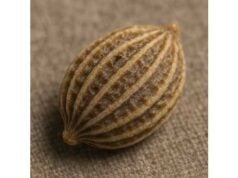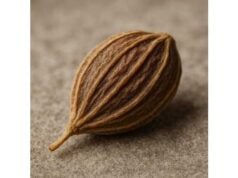
Tiger nuts—also called chufa, earth almonds, or Cyperus esculentus tubers—are small, sweet, chewy tubers with a nut-like taste and a long culinary history from West Africa to Spain’s famed horchata. Despite the name, they are not true nuts, which makes them a useful option for people seeking nut-like texture without tree nut exposure. Dried tiger nuts are naturally rich in fiber and resistant starch, provide heart-friendly fats, and contain minerals such as potassium, magnesium, and iron. They can be eaten straight from the bag, soaked to soften, milled into flour, or blended into creamy plant milk. Their oil resembles olive oil in fatty acid pattern, while the flour performs well in gluten-free baking. This guide distills current evidence on tiger nuts—their nutrients, benefits, safety notes, buying and storage tips, and the best ways to prepare them—so you can decide how (and how much) to include them in an everyday, balanced diet.
Essential Insights
- High fiber and resistant starch support digestive regularity and feed beneficial gut bacteria.
- Predominantly oleic acid fats align with heart-smart dietary patterns.
- Typical serving: 30 g (about ¼ cup) eaten 3–5 times per week fits most healthy diets.
- Allergy caveat: they’re tubers, not tree nuts, but reactions can still occur; introduce cautiously if you have multiple food allergies.
- People with strict low-fiber needs, chewing/swallowing difficulties, or very low-carb ketogenic targets should limit intake.
Table of Contents
- Tiger nuts explained
- Nutrition profile of tiger nuts
- Health benefits of tiger nuts
- Risks, allergies and interactions
- Selecting quality sustainability and storage
- Preparation cooking and nutrient retention
- Portions comparisons and FAQs
Tiger nuts explained
Tiger nuts are edible tubers from the sedge plant Cyperus esculentus. Unlike almonds or hazelnuts, they grow underground like tiny, wrinkled chickpeas and are botanically closer to other sedges than to nuts. Dried tubers have a naturally sweet, malty flavor and a pleasantly chewy bite; soaking transforms them into something closer to a fresh, juicy snack. Culinary traditions include eating them out of hand, grinding into flour for pastries and gluten-free loaves, and blending into “horchata de chufa,” a creamy Valencian beverage. Tiger nut oil—pressed from the tubers—has a golden hue and a flavor profile often compared to mild, sweet olive oil.
From a nutrition perspective, tiger nuts are notable for fiber and resistant starch, the latter being a form of carbohydrate that escapes digestion in the small intestine and is fermented by gut microbes to produce short-chain fatty acids (SCFAs). These compounds support the gut barrier and may influence metabolic health. The tubers also carry plant polyphenols and phytosterols alongside minerals such as potassium and magnesium. While protein is modest compared with legumes, tiger nut protein has a favorable essential amino acid balance for a tuber and complements cereal grains.
Tiger nuts appear in three main color types—yellow, brown, and black—with small differences in sweetness, oil content, and chewiness. Yellow tends to be slightly sweeter and is most common in commercial snack packs, while brown and black types are often preferred for traditional drinks. As with many plant foods, growing conditions, harvest timing, and post-harvest drying influence flavor and composition. For everyday use, think of tiger nuts as a fiber-dense snack or a versatile base for plant milk rather than as a high-protein staple.
If you’re new to them, start with a short soak (1–2 hours) to soften, then add to trail mixes, salads, or yogurt bowls. For baking, tiger nut flour (also called chufa flour) brings nutty notes and mild sweetness to pancakes or cookies and can replace a portion of wheat flour in recipes. The oil suits salad dressings and gentle sautéing. Together, these forms offer diverse textures and culinary options, whether you follow gluten-free, dairy-free, or Mediterranean-style eating patterns.
Nutrition profile of tiger nuts
Below are typical values for dried tiger nuts per 100 g edible portion. Actual values vary by variety, origin, and processing. Percent Daily Value (%DV) uses adult reference intakes (2,000 kcal diet) where available.
Macros and electrolytes (per 100 g dried)
| Nutrient | Amount | %DV |
|---|---|---|
| Energy | 450–520 kcal | — |
| Water | 6–8 g | — |
| Protein | 6–9 g | 12–18% |
| Total fat | 20–36 g | 26–46% |
| Saturated fat | 3–6 g | 15–30% |
| Carbohydrate | 40–60 g | 15–22% |
| Dietary fiber (total) | 10–18 g | 36–64% |
| Sugars (naturally occurring) | 10–20 g | — |
| Sodium | 15–40 mg | 1–2% |
| Potassium | 600–900 mg | 13–19% |
Carbohydrates (quality and structure)
Tiger nuts contain both soluble and insoluble fiber plus resistant starch. Resistant starch levels rise after cooling cooked preparations and can vary with processing. Naturally occurring sugars are mainly sucrose and small amounts of glucose/fructose.
Fats and fatty acids
Total fat is predominantly monounsaturated (oleic acid), with modest polyunsaturated linoleic acid and low saturated fat.
| Fatty acid (approximate) | g per 100 g tuber* |
|---|---|
| Oleic acid (18:1, ~64–76% of fat) | 13–26 g |
| Linoleic acid (18:2, ~8–13% of fat) | 2–5 g |
| Palmitic acid (16:0, ~12–16% of fat) | 2–6 g |
| Stearic acid (18:0, ~2–6% of fat) | 0.5–2 g |
*Assumes 20–36 g total fat per 100 g dried tubers; ranges reflect typical oil profiles.
Protein and amino acids
Total protein is modest but features a balanced essential amino acid profile for a tuber. Pairing tiger nuts with cereals helps round out lysine- and methionine-related limitations in mixed meals.
Vitamins (per 100 g dried, typical ranges)
| Vitamin | Amount | %DV |
|---|---|---|
| Vitamin E (alpha-tocopherol) | 2–6 mg | 13–40% |
| Vitamin C | 2–10 mg | 2–11% |
| Thiamin (B1) | 0.2–0.4 mg | 17–33% |
| Riboflavin (B2) | 0.05–0.2 mg | 4–15% |
| Niacin (B3) | 1–2 mg | 6–13% |
| Vitamin B6 | 0.2–0.4 mg | 12–24% |
| Folate (DFE) | 20–60 µg | 5–15% |
Minerals (per 100 g dried, typical ranges)
| Mineral | Amount | %DV |
|---|---|---|
| Calcium | 40–90 mg | 3–7% |
| Iron | 1.5–4 mg | 8–22% |
| Magnesium | 80–130 mg | 19–31% |
| Phosphorus | 150–250 mg | 12–20% |
| Zinc | 1–2 mg | 9–18% |
| Copper | 0.2–0.5 mg | 22–56% |
| Manganese | 0.5–1.2 mg | 22–52% |
Bioactives and phytonutrients
Tiger nuts provide phytosterols (notably β-sitosterol), small amounts of polyphenols (including quercetin and myricetin), and tocols. These compounds contribute to antioxidant capacity and may help support healthy lipid profiles.
Allergens and intolerance markers
Though not tree nuts, tiger nuts may still provoke reactions in sensitive individuals. Their high fiber and fermentable fractions can cause gas or bloating when portions are large or introduced quickly.
Anti-nutrients
Natural levels of tannins, phytates, and oxalates are present. Soaking, sprouting, or roasting can reduce some anti-nutrients and improve palatability.
Glycemic and acid–base
Resistant starch and fiber slow glucose absorption and may produce a low to moderate post-meal glycemic response when eaten in realistic portions, particularly when paired with protein or fat.
Note on variability: Composition depends on tuber type (yellow/brown/black), growing region, harvest time, and processing (drying, roasting, milling). Fortified products (e.g., flavored horchata) may include added sugars or stabilizers; check labels.
Health benefits of tiger nuts
Digestive support through fiber and resistant starch. A 30 g serving typically supplies several grams of fiber plus resistant starch. These fermentable carbohydrates feed beneficial gut bacteria and support the production of short-chain fatty acids like butyrate, which help maintain the intestinal barrier. Short interventions with unsweetened tiger nut drinks have shown shifts toward butyrate-associated microbial profiles within days in healthy adults, suggesting a prebiotic-like effect.
Heart-friendly fat pattern. The tubers’ fat fraction and the pressed oil are dominated by oleic acid, the same monounsaturated fatty acid that characterizes olive oil. Diets higher in oleic acid, when they replace saturated fats, are associated with improved lipid profiles. Early animal work comparing chufa oil with other fats has reported favorable effects on serum cholesterol and atherogenic indices under controlled conditions. While these findings require human confirmation, they align with broader evidence that substituting saturated fats with monounsaturated fats supports cardiovascular health.
Glycemic balance and satiety. Fiber and resistant starch slow carbohydrate absorption and enhance post-meal satiety. Practically, that can translate into steadier energy and less snacking between meals when tiger nuts replace refined snacks. For people managing blood sugars, pairing a small portion of tiger nuts with protein-rich foods (e.g., yogurt or legumes) can further blunt glycemic impact.
Micronutrient and antioxidant support. Tiger nuts provide potassium and magnesium—minerals that help regulate blood pressure and muscle function. Vitamin E and polyphenols contribute to antioxidant defenses. Phytosterols in the tuber and oil may modestly support cholesterol management as part of a diet rich in plant foods.
Gluten-free versatility. Tiger nut flour brings sweetness and moisture to gluten-free baking and can lower reliance on refined starches when used thoughtfully with other whole-food flours. For people with celiac disease or wheat allergy, it offers variety in texture and flavor.
Who benefits most?
- Individuals seeking more fiber and plant diversity in the diet.
- People who enjoy nutty textures but avoid tree nuts.
- Home cooks looking for a stable, oleic-rich oil as an alternative flavor to olive oil in dressings and low-to-moderate-heat cooking.
- Bakers working on gluten-free or grain-light recipes who want natural sweetness without added sugar.
What remains uncertain? Human clinical trials on long-term outcomes (cholesterol reduction, weight change, glycemic control) are limited. Most mechanistic data come from composition analyses, acute microbiome work, and animal models. Use tiger nuts as part of an overall diet pattern rather than a stand-alone “fix.”
Risks, allergies and interactions
Allergy and cross-reactivity. Tiger nuts are tubers, not tree nuts, yet allergic reactions are still possible. If you have a history of multiple food allergies, start with a very small amount (e.g., 5–10 g) and monitor for itching, hives, oral tingling, or gastrointestinal distress. People with latex–fruit syndrome or pollen-food allergy may experience unexpected cross-sensitivities; seek medical guidance if unsure.
Digestive tolerance. The combination of fiber and resistant starch can cause gas, bloating, or cramping when portions are large or introduced rapidly. To improve tolerance, soak dried tiger nuts until fully hydrated and chew well. Start with 10–15 g per day, then build to standard portions over 1–2 weeks. Those on low-fiber or low-residue diets (e.g., immediately after certain surgeries or during flares of inflammatory bowel disease) should avoid or defer tiger nuts until fiber is liberalized.
Choking and swallowing safety. Dried, unsoaked tiger nuts are very firm. Young children, older adults with dentition issues, or anyone with dysphagia should only consume well-soaked, ground, or pureed forms to reduce choking risk.
Added sugars and additives in beverages. Commercial horchata can contain added sugars or stabilizers. Choose unsweetened products or make your own to control sweetness. Sweetened versions are more dessert-like and should be treated as such in a balanced diet.
Anti-nutrients and minerals. Naturally occurring phytates and oxalates may reduce the absorption of some minerals (iron, zinc) from the same meal. Soaking or lightly roasting reduces some anti-nutrient content. Pairing with vitamin C–rich foods can aid non-heme iron absorption.
Medication considerations.
- Diabetes medicines: Because fiber and resistant starch slow carbohydrate absorption, monitor glucose closely when adding tiger nuts, particularly if your regimen includes agents with hypoglycemia risk.
- Lipid-lowering therapy: Tiger nut oil’s phytosterols and oleic acid align with heart-healthy diets but do not replace prescribed medications.
- Allergy immunotherapy: Introduce new foods cautiously and discuss with your allergist if you’re undergoing treatment for multiple sensitivities.
Pregnancy and breastfeeding. Tiger nuts are generally considered food-safe when hygienically prepared. As with all high-fiber foods, increase slowly and drink adequate fluids to prevent discomfort.
Food safety and contamination. As a starchy, oily plant food, tiger nuts should be stored dry and cool to prevent mold growth. Rinse well before soaking, and refrigerate beverages such as horchata; consume within 2–3 days. Use clean water and sanitized equipment when preparing homemade drinks to lower microbial risk.
Selecting quality sustainability and storage
How to choose dried tiger nuts. Look for plump, intact tubers with a uniform golden-brown color, free of cracks, soft spots, or visible mold. Aroma should be faintly sweet, never musty. For easier chewing, smaller calibers soften more quickly when soaked; larger calibers are denser and better for long soaks or baking applications.
Forms on the market.
- Whole dried tubers: best shelf stability; soak to soften for snacking or blending.
- Pre-soaked or ready-to-eat packs: convenient, but check for added sugars or preservatives.
- Flour/meal: choose finely milled flour for baking; coarser meal for crunchy coatings.
- Oil: cold-pressed, unrefined oils retain more aroma and minor compounds; refined oils are lighter and more neutral.
- Beverages: unsweetened horchata or tiger nut drinks are preferable for everyday use.
Sustainability notes. Tiger nut plants grow in semi-arid regions and tolerate poorer soils, which can support diversified agriculture. However, certain Cyperus esculentus varieties are considered invasive weeds outside cultivation. Favor reputable growers who manage containment and soil stewardship. By-products from oil or beverage processing (fiber-rich solids) can be upcycled into flours and snacks, reducing waste; some producers already incorporate these streams into new products.
Storage best practices.
- Whole dried tubers: airtight container in a cool, dark place for up to 6–12 months. Protect from humidity.
- Soaked tubers: refrigerated and submerged in fresh water for up to 3 days; change water daily.
- Flour/meal: airtight, away from light; refrigerate or freeze for longer freshness (up to 3–6 months) because of natural oils.
- Oil: store sealed in a cool cupboard; use within 6 months of opening. Keep away from heat and light to preserve flavor and minor compounds.
- Beverages: refrigerate and consume within 2–3 days. Shake before serving.
Quality cues at home. After soaking, high-quality tiger nuts feel crisp-tender and taste sweet, not bitter. Rancid oil smells like crayons or stale nuts—discard. Flour should be dry and lump-free; a sour or musty note suggests moisture exposure.
Budget tip. Buying whole tubers in bulk and milling small batches of flour in a coffee grinder can be more economical than purchasing specialty flours. Rotating stock (first-in, first-out) prevents stale flavors.
Preparation cooking and nutrient retention
Soaking for snacking or blending. Rinse thoroughly, then soak whole tiger nuts in cool water for 6–24 hours. Shorter soaks (6–8 hours) yield a crisp bite; longer soaks produce juicier, softer texture. Change water halfway for very long soaks. Soaking improves chewability, reduces some anti-nutrients, and can enhance digestive comfort.
Horchata (unsweetened base).
- Soak 100 g tiger nuts overnight; drain and rinse.
- Blend with 600–700 mL cold water until very smooth.
- Strain through a fine nut-milk bag or cloth.
- Chill and shake before serving.
Add cinnamon or vanilla for flavor; sweeten lightly at the glass if desired. Keep refrigerated and consume within 2–3 days.
Roasting. Light roasting (120–150°C for 10–20 minutes) intensifies flavor and reduces moisture, making the tubers easier to grind. Moderate heat preserves more vitamin E and phenolics than higher temperatures. Avoid very dark roasting to limit formation of off-flavors.
Baking with tiger nut flour. Replace 20–30% of wheat flour in quick breads, pancakes, or cookies to add sweetness and tenderness. In gluten-free formulas, blend with oat, sorghum, or almond flour plus a binder (e.g., psyllium or xanthan) for structure. Because the flour is thirsty, increase liquids slightly and allow a short rest (10 minutes) for hydration before baking.
Using the oil. The oil’s fatty acid pattern grants good oxidative stability for dressings, dips, and low- to medium-heat sautés. For frying, blend with a neutral, heat-tolerant oil to protect flavor. Keep temperatures moderate to reduce formation of process contaminants like 3-MCPD esters and glycidyl esters that can form in refined oils at high heat.
Maximizing nutrient retention.
- Prefer non-thermal or gentle heat when preparing beverages to preserve phenolics, vitamin E, and aroma compounds.
- When cooking, use shorter times and lower temperatures.
- Cool and reheat cooked tiger-nut-based porridges to boost resistant starch formation (then rewarm gently).
- Pair with vitamin C sources (citrus, berries) to improve non-heme iron absorption.
- For mineral bioavailability, consider soak + roast sequences to reduce phytate load.
Food safety tips. Use clean, cool water for soaking; sanitize equipment for homemade drinks; and refrigerate beverages promptly. Discard horchata that smells sour or separates into curds.
Portions comparisons and FAQs
How much should I eat? A practical serving is 30 g (about ¼ cup of whole dried tubers or 3 tablespoons of flour). Enjoy 3–5 servings per week in place of refined snacks or as part of meals. For tiger nut oil, a culinary serving is 1 tablespoon (14 g), used as a dressing or drizzle.
Who should limit or avoid them?
- People on low-fiber or low-residue diets.
- Anyone with chewing/swallowing problems unless the tubers are well-soaked or blended.
- Individuals on very low-carb ketogenic plans may prefer smaller portions due to the carbohydrate content.
How do tiger nuts compare?
| Food (per 30 g) | Calories | Fat | Fiber | Notable feature |
|---|---|---|---|---|
| Tiger nuts (dried) | ~135 kcal | 6–10 g | 3–5 g | Resistant starch, oleic-rich fat |
| Almonds | ~174 kcal | 15 g | 3.5 g | Higher protein, vitamin E |
| Hazelnuts | ~178 kcal | 17 g | 2.7 g | Oleic-rich, low carbs |
| Roasted chickpeas | ~120 kcal | 2.5 g | 5 g | Higher protein, low fat |
Are tiger nuts actually nuts? No. They’re tubers from a sedge plant. That said, cross-reactive allergies can occur; introduce cautiously if you have complex allergy histories.
Are they gluten-free and dairy-free? Yes. Tiger nut flour is naturally gluten-free, and horchata is plant-based. Always check labels for added ingredients in commercial products.
Do they help with weight management? Their fiber and resistant starch increase fullness and may help you feel satisfied with fewer calories when they replace refined snacks. Sustainable weight change still depends on overall dietary pattern and energy balance.
Can they enhance athletic performance? As a source of carbohydrates, potassium, and fluid (when used in drinks), tiger-nut-based snacks can fit pre- or post-workout needs. Pair with a protein source for recovery.
Do they boost libido? Traditional uses exist, but controlled human data are limited. Enjoy tiger nuts for their overall nutrition rather than for specific performance claims.
How do I start if I’m sensitive to fiber? Try 10–15 g daily for one week, well-soaked or as a smooth beverage, then step up to 30 g as tolerated.
References
- Tiger Nut (Cyperus esculentus L.): Nutrition, Processing, Function and Applications 2022 (Systematic Review)
- Intake of Natural, Unprocessed Tiger Nuts (Cyperus esculentus L.) Drink Significantly Favors Intestinal Beneficial Bacteria in a Short Period of Time 2022 (Clinical Study)
- Tiger nut (Cyperus esculentus L.) oil: A review of bioactive compounds, extraction technologies, potential hazards and applications 2023 (Systematic Review)
- Nutritional and potential health benefits of chufa oil, olive oil, and anhydrous milk fat against gallstone disease in a C57BL/6N mouse model 2024 (RCT/Animal Model)
- Cyperus (Cyperus esculentus L.): A Review of Its Compositions, Medical Efficacy, Antibacterial Activity and Allelopathic Potentials 2022 (Review)
Disclaimer
This article is for general information only and does not substitute for personalized medical advice, diagnosis, or treatment. Always consult a qualified health professional about your specific circumstances, especially if you have medical conditions, take prescription medicines, are pregnant or breastfeeding, or manage food allergies.
If you found this guide helpful, please consider sharing it with friends or on your favorite platforms like Facebook or X. Your support helps us keep producing clear, high-quality nutrition content.