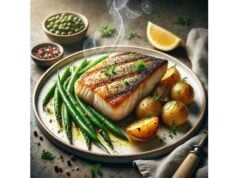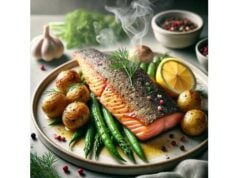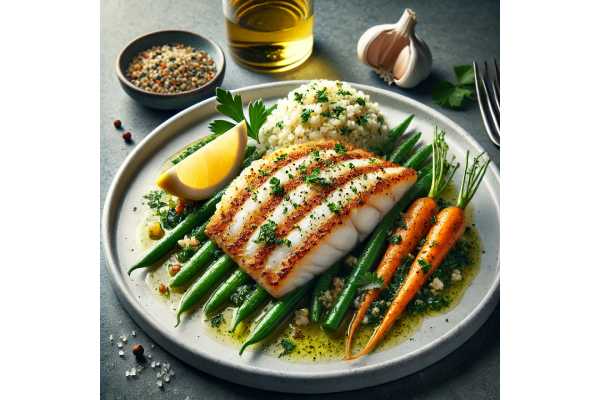
Tilapia is one of the world’s most widely eaten white fish: mild, adaptable, and budget-friendly. Its neutral flavor welcomes bold seasonings, while its firm flakes hold together during quick sautéing, roasting, or grilling. Nutritionally, tilapia is a lean, high-protein choice with potassium, phosphorus, selenium, and B vitamins. Compared with oily fish like salmon, tilapia is lower in EPA and DHA, but it still contributes useful amounts of long-chain omega-3s—especially in responsibly farmed strains and when paired with omega-3-rich sides. Practical questions often include: Is tilapia safe? How nutritious is it per 100 g? Which farming systems are better? This guide answers those questions with people-first detail, then walks you through choosing quality fillets, minimizing risk, and cooking for maximum tenderness and flavor. You will also find exact per-100-g nutrition tables, evidence summaries on protein and heart health, mercury and allergen guidance, and clear steps for sustainable shopping and kitchen prep.
Top Highlights
- Lean, high-protein fish (~20 g protein/100 g) with potassium, phosphorus, and selenium.
- Low to moderate omega-3s; still helpful within a varied seafood routine.
- Typical serving: 120–150 g cooked, 2–3 times weekly in rotation with other fish.
- People who are pregnant, breastfeeding, or feeding young children should follow mercury advice and prioritize trusted, well-managed sources.
Table of Contents
- Tilapia overview and uses
- Tilapia nutrition profile
- Evidence-based benefits of tilapia
- Risks, allergies and interactions
- Selecting quality, sustainability and storage
- Preparation, cooking and nutrient retention
- Portions, comparisons and FAQs
Tilapia overview and uses
What it is: “Tilapia” refers to several closely related freshwater species (commonly Nile tilapia Oreochromis niloticus, with hybrids such as red tilapia used in aquaculture). Rapid growth, efficient feed conversion, and tolerance for varied water conditions make tilapia a staple in warm-water aquaculture. In markets, you will find fresh or previously frozen fillets and, in some regions, whole gutted fish.
Taste and texture: Mild, slightly sweet, and clean. Fillets are lean with a firm, moist flake—sturdier than flounder but gentler than cod or halibut. Because flavor is neutral, tilapia is a canvas for citrus, herbs, chilies, garlic, and spice rubs. It takes well to crusts and glazes and is friendly to weeknight speeds (8–12 minutes of active heat for typical fillets).
Culinary roles:
- Quick mains: Lemon-garlic pan sear; Cajun-spice roast; miso-ginger broil.
- Global bowls: Fish tacos with cabbage slaw; Mediterranean grain bowls with olives and herbs; Thai-style coconut poached tilapia.
- Soups and stews: Gently simmered in tomato-saffron broth; last-minute addition to chowders so the flakes stay intact.
- Meal prep: Cooks fast, cools quickly, and flakes without drying—ideal for high-protein lunches.
Why cooks choose it: Accessible price point, consistent size, and predictable cooking behavior. It’s also widely available in skinless, boneless fillets, reducing prep time for home kitchens.
What sets tilapia apart: Lower fat than salmon or mackerel; lower mercury than many large predatory fish; widely farmed, so quality varies. Thoughtful purchasing (see the selection section) helps you capture the value while keeping sustainability and safety in view.
At a glance—good pairings: Lemon and capers; cumin and coriander; chili–lime; herb–nut crusts (almond, pecan, pistachio); tomato–olive–garlic; miso–honey–ginger.
Tilapia nutrition profile
Basis: Values below are per 100 g edible portion (raw, typical skinless fillet). Percent Daily Values (%DV) use adult references: protein 50 g; total fat 78 g; saturated fat 20 g; carbohydrate (informational); fiber 28 g; sodium 2,300 mg; potassium 4,700 mg; phosphorus 1,250 mg; magnesium 420 mg; selenium 55 µg; niacin 16 mg; vitamin B6 1.7 mg; vitamin B12 2.4 µg. Fatty acids shown in grams.
Macros and electrolytes (per 100 g, raw)
| Nutrient | Amount | %DV |
|---|---|---|
| Energy (kcal) | ~96 | — |
| Water (g) | ~78 | — |
| Protein (g) | ~20.0 | 40% |
| Total Fat (g) | ~1.7 | 2% |
| Saturated Fat (g) | ~0.6 | 3% |
| Carbohydrate (g) | 0 | — |
| Sodium (mg) | ~52 | 2% |
| Potassium (mg) | ~380–430 | 8–9% |
Minerals (per 100 g, raw)
| Mineral | Amount | %DV |
|---|---|---|
| Phosphorus (mg) | ~170–200 | 14–16% |
| Selenium (µg) | ~35–60 | 64–109% |
| Magnesium (mg) | ~27–30 | 6–7% |
| Calcium (mg) | ~10–15 | 1% |
| Iron (mg) | ~0.5–0.8 | 3–4% |
| Zinc (mg) | ~0.3–0.6 | 3–5% |
Vitamins (per 100 g, raw)
| Vitamin | Amount | %DV |
|---|---|---|
| Niacin (Vitamin B3, mg) | ~4.0 | 25% |
| Vitamin B6 (mg) | ~0.2–0.3 | 12–18% |
| Vitamin B12 (µg) | ~1.5–2.4 | 63–100% |
| Folate (µg DFE) | ~20 | 5% |
| Vitamin D (IU) | variable, often low | — |
Fats and fatty acids (per 100 g, raw)
| Component | Amount |
|---|---|
| Total Omega-3 (g) | ~0.15–0.25 |
| DHA (g) | ~0.08–0.12 |
| EPA (g) | ~0.01–0.03 |
| Omega-6 (linoleic, g) | variable (feed-dependent) |
Interpretation: Tilapia is a lean, high-protein fish with valuable selenium and phosphorus and modest omega-3s. Because omega-3 content varies with feed and strain, treat tilapia as one part of an overall seafood rotation rather than your sole omega-3 source.
Allergens and intolerance markers: Tilapia is a finfish allergen. It contains no carbohydrate and negligible purines compared with some oily fish, but individuals with finfish allergy must avoid it.
Contaminants/residues: Mercury is generally low to moderate in farmed tilapia compared with many wild predatory fish; actual levels vary with source waters, feed, and farm management. Responsible producers test regularly.
Glycemic and acid–base metrics: Tilapia has no glycemic load and a neutral effect on blood glucose when eaten with mixed meals.
Note on cooked values: Cooking concentrates nutrients slightly per 100 g as water is lost; a cooked 120–150 g portion will deliver ~25–32 g of protein and proportionally more minerals.
Evidence-based benefits of tilapia
1) Complete protein for muscle maintenance and satiety
Tilapia delivers ~20 g protein per 100 g raw (about 25–32 g per typical cooked portion). That protein is rich in indispensable amino acids, supporting muscle repair after activity and helping you feel full at fewer calories. For many adults, hitting ~25–35 g protein per meal improves satiety and supports lean mass when combined with resistance activity.
2) Selenium for antioxidant protection and thyroid enzymes
A single 100 g serving can supply 64–100% DV for selenium, a cofactor for glutathione peroxidases and deiodinases. Adequate selenium status supports endogenous antioxidant defenses and healthy thyroid hormone activation. Fish-based selenium arrives packaged with other nutrients, which is a practical advantage over isolated pills for most people.
3) Heart-smart when part of a seafood routine
While tilapia’s DHA/EPA content is lower than salmon’s, including tilapia alongside higher-omega-3 species (salmon, trout, sardines, anchovies) helps you reach weekly long-chain omega-3 targets from food. Diet patterns that feature two or more seafood meals per week are consistently associated with better heart outcomes and lower triglycerides in many populations. Food-first omega-3s come with protein, minerals, and culinary enjoyment—not just isolated fatty acids.
4) Minerals that support nerve, bone, and energy metabolism
Tilapia contributes phosphorus (bone mineral and energy metabolism), magnesium (nerve and muscle function), and potassium (electrolyte balance). Replacing some red/processed meat meals with fish like tilapia can lower saturated fat and sodium across the week.
5) Friendly to weight-management and glucose goals
Tilapia is low in energy and carb-free. Pairing it with high-fiber sides (beans, whole grains, vegetables) creates satisfying meals that support calorie control without sacrificing flavor.
6) Culinary versatility increases adherence
Behavior change sticks when food is easy and delicious. Tilapia’s adaptability means you can build different flavor profiles—citrus-herb, chili-garlic, miso-ginger—so you can keep seafood in rotation without palate fatigue.
Practical takeaway: Use tilapia regularly but not exclusively. Alternate with higher-omega-3 fish to balance fatty acids while you enjoy tilapia’s affordability, convenience, and protein density.
Risks, allergies and interactions
Mercury and contaminants
Tilapia typically sits in the lower-mercury category compared with larger predators (such as swordfish or certain tuna). That said, mercury and other contaminants depend on source waters, feed, and oversight. Favor producers with transparent testing and certifications. For people who are pregnant, breastfeeding, or feeding young children, tilapia from reputable sources can help meet weekly fish recommendations while staying within mercury guidance.
Allergy
Tilapia is a major finfish allergen. Symptoms range from hives to anaphylaxis in sensitized individuals. Cross-contact is common in shared fryers and prep areas; those with fish allergy should avoid tilapia unless cleared by an allergist.
Food safety
- Keep raw fillets refrigerated at ≤4 °C and cook promptly.
- Cook until opaque and flaking (many food codes cite 63 °C as a safe minimum internal temperature).
- Cool leftovers quickly and refrigerate within 2 hours.
- As with all fish, temperature control prevents histamine formation and microbial growth.
Drug and nutrient interactions
- Anticoagulants/antiplatelets: Normal dietary omega-3 from fish is unlikely to raise bleeding risk; very high supplemental doses are a different scenario and should be clinician-guided.
- Thyroid health: Selenium from fish contributes to daily needs; keep intakes balanced across the week rather than leaning on supplements without medical advice.
- Sodium: Tilapia itself is low in sodium; sodium exposure rises with brines, marinades, and sauces.
Who should limit or avoid tilapia?
- People with documented finfish allergy.
- Those on medically prescribed fish-free diets for specific conditions.
- Individuals who cannot verify source integrity (prefer trustworthy brands and counters that disclose farm and country).
Selecting quality, sustainability and storage
How to choose better tilapia
- Ask origin and system: Look for farms that use recirculating aquaculture systems (RAS) or well-managed ponds with documented water quality, responsible effluent control, and high-quality feed.
- Look and smell: Fillets should be moist, glossy, and springy with a clean sea or freshwater scent—never sour or ammonia-like. Avoid packages with excess purge or ice-burn.
- Labels to note: Country of origin, farm or standard (when available), harvest or pack date, and whether previously frozen.
- Frozen value: Rapidly frozen fillets (especially vacuum-sealed) can match or beat “fresh” that has traveled long distances.
Sustainability pointers
- Favor producers that publish independent audits or certifications, maintain traceability, and minimize antibiotics through good husbandry.
- Choose diverse seafood across the month to spread environmental pressure and enrich your nutrient mix.
- Support retailers and fishmongers who can answer detailed questions about feed, water, and welfare.
Storage
- 48-hour plan: Keep on ice in the coldest refrigerator zone; set the fish on a rack over a tray so meltwater drains.
- Freezing: Pat dry, portion, wrap air-tight, and freeze promptly; use within 2–3 months for best quality.
- Thawing: Defrost overnight in the fridge or quickly under cold running water in a sealed bag; cook immediately after thawing.
- Leftovers: Refrigerate within 2 hours; enjoy within 1–2 days.
Quality red flags
- Dull, tacky surface; mushy texture; persistent fishy odor.
- Repeated thaw–refreeze signs (ice crystals, weeping packs).
- Vague labeling with no origin or farm information.
Budget strategies
- Buy in bulk frozen packs and thaw only what you need.
- Stretch with legumes and whole grains (tilapia-white bean stew; tilapia-freekeh bowls).
- Use trims for fish cakes or soup bases.
Preparation, cooking and nutrient retention
Prep essentials
- Dry the surface: Pat fillets dry so they brown instead of steam.
- Season smartly: Salt lightly, then layer acid (lemon, lime, vinegar), herbs, and spices for brightness without excess sodium.
- Uniform thickness: If one end is thin, fold it under to even cooking.
Five reliable cooking methods
- High-heat roast (weeknight winner): Brush with olive oil; season with salt, pepper, garlic, lemon zest. Roast at 220 °C on a preheated sheet for 8–12 minutes, depending on thickness.
- Pan-sear and finish: Sear in a hot skillet (neutral oil) 2–3 minutes per side; finish 3–5 minutes in a 200 °C oven.
- Broil (fast and browned): Place fillets 15–20 cm from the element; broil 4–6 minutes. Add a miso-honey glaze in the last minute.
- Poach (gentle and succulent): Bare simmer in lightly salted water or coconut-ginger broth for 5–8 minutes.
- Grill (smoky, quick): Oil grates well; grill over medium-high heat 3–4 minutes per side. Use a thin spatula and turn once.
Nutrient-savvy tips
- Protect omega-3s: Favor moist-heat or quick high-heat; avoid prolonged deep-frying.
- Fat-soluble flavors: A drizzle of olive oil or a nut crust aids mouthfeel and helps you absorb fat-soluble compounds in the meal.
- Mineral synergy: Serve with potassium- and magnesium-rich sides (beans, greens, winter squash) to complement tilapia’s profile.
- Keep it juicy: Pull when the thickest part just turns opaque and flakes with gentle pressure; residual heat finishes the center.
Flavor templates
- Chili-lime: Chili powder, cumin, lime zest, cilantro.
- Mediterranean: Lemon, capers, parsley, garlic, olive oil.
- Miso-ginger: White miso, grated ginger, honey, sesame.
- Smoky paprika: Paprika, garlic, orange zest, toasted almonds.
Food safety checkpoints
- Use a food thermometer if unsure; aim for 63 °C in the center.
- Keep raw and ready-to-eat foods separate; sanitize boards and knives.
Portions, comparisons and FAQs
Portion and weekly frequency
- Standard portion: 120–150 g cooked (about a palm-sized fillet).
- Weekly plan: 2–3 seafood meals per week is a sensible target for many adults. Within that, include tilapia 1–2 times, balancing with higher-omega-3 fish (salmon, trout, sardines) for EPA/DHA coverage.
- For pregnancy, breastfeeding, and young children: Choose low-mercury species from trusted sources; tilapia is often included among suitable choices when sourced well.
How does tilapia compare?
| Feature (per 100 g, raw) | Tilapia | Salmon (Atlantic) | Cod (Atlantic) | Sardines (Atlantic, raw) |
|---|---|---|---|---|
| Energy (kcal) | ~96 | ~208 | ~82 | ~208 |
| Protein (g) | ~20.0 | ~20.4 | ~17.8 | ~24.6 |
| Total fat (g) | ~1.7 | ~13.0 | ~0.7 | ~11.5 |
| DHA (g) | ~0.08–0.12 | ~1.2–1.6 | ~0.1 | ~0.7–1.0 |
| Selenium (µg) | ~35–60 | ~36 | ~33 | ~52 |
| Mercury | low–moderate | low–moderate | low | low–moderate |
FAQs
Is tilapia “less healthy” because it is farmed?
Not necessarily. Well-managed farms control water quality, feed, and biosecurity, providing consistent, low-mercury fish. The key is source transparency.
What about omega-6 in tilapia?
Omega-6 content reflects feed composition. This is one reason to rotate fish: enjoy tilapia for protein and minerals, and choose oily fish on other days for higher omega-3 intake.
Can I air-fry tilapia?
Yes. Air-fry at 200 °C for 8–10 minutes, flipping once. Lightly oil and season to prevent drying.
Is frozen tilapia okay?
Absolutely. Properly frozen fillets are high quality, often frozen near harvest. Thaw safely and cook soon after.
Bone-in or boneless?
Most retail fillets are skinless and boneless. If buying whole fish, ask your fishmonger to scale and bone it; save the bones for a light stock.
Any signs of spoilage I should watch for?
Off-odors (sour, ammonia), sticky surface, or dull color are red flags. When in doubt, toss it.
References
- Advice about Eating Fish 2024 (Guidance)
- Omega-3 Fatty Acids – Fact Sheet for Health Professionals 2024 (Guideline)
- Safe Minimum Internal Temperature Chart 2024 (Guideline)
- FoodData Central 2025
- Omega‐3 fatty acids for the primary and secondary prevention of cardiovascular disease 2020 (Systematic Review)
Disclaimer
This guide is for general education and does not replace personalized medical advice, diagnosis, or treatment. Nutrient values and contaminant levels vary by species, farm practices, water quality, and handling. If you are pregnant, breastfeeding, have a fish allergy, are on anticoagulant therapy, or have specific medical conditions, consult a qualified healthcare professional or registered dietitian for individualized guidance on seafood choices and frequency. For safety, buy from trusted suppliers, keep fish cold, and cook to a safe internal temperature.
If this article helped you, please consider sharing it on Facebook, X (formerly Twitter), or any platform you prefer. Your support helps us continue creating clear, practical nutrition resources.