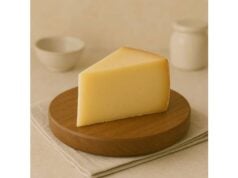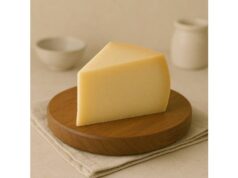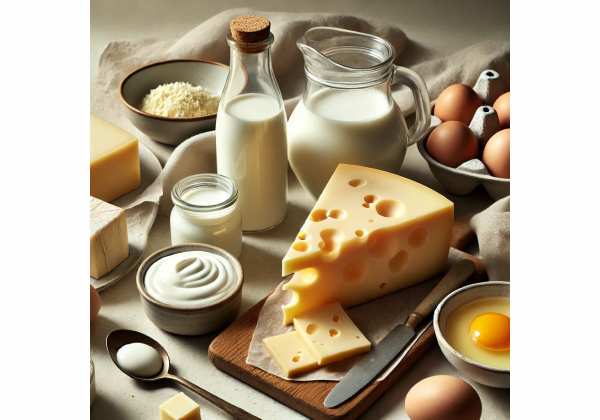
Tilsit cheese (also called Tilsiter) is a semi-hard, smear-ripened cheese with a pale straw interior, irregular “eyes,” and a thin, tacky rind developed by surface cultures. Born in 19th-century East Prussia and now made across Germany, Switzerland, and Northern Europe, it balances buttery sweetness with a faintly piquant, tangy edge. Cooks like it because it melts evenly without greasiness, slices cleanly for sandwiches, and adds savory depth to gratins, soups, and burgers. Nutritionally, Tilsit delivers dense protein and bioavailable calcium, along with vitamin B12 and riboflavin. It’s also comparatively low in lactose for a cheese, which helps many lactose-intolerant folks tolerate modest portions. The main trade-offs are sodium and saturated fat—both higher than in fresh dairy—and the usual caveats for aged cheeses: amines that may trigger migraines in sensitive people, and raw-milk versions that aren’t appropriate in pregnancy. With smart portions and a little label reading, Tilsit can fit comfortably into a balanced pattern that favors vegetables, whole grains, legumes, fruit, and unsalted nuts.
At a Glance
- Per 100 g, Tilsit provides about 24.6 g protein, ~710 mg calcium, and ~2.1 µg vitamin B12.
- Aged cheese is high in sodium (~760 mg/100 g) and saturated fat (~17 g/100 g); keep portions modest.
- Typical serving: 30 g (1 oz) per sitting, enjoyed up to several times weekly within overall sodium and saturated fat limits.
- Avoid or limit if you have cow’s milk allergy, are on MAOIs (tyramine risk), are very salt-sensitive, or if pregnant and the cheese is unpasteurized.
Table of Contents
- Tilsit Cheese: Detailed Overview
- Tilsit Nutrition Profile (per 100 g)
- Evidence-Based Health Benefits of Tilsit
- Risks, Allergies and Interactions for Tilsit
- Selecting, Quality, Sustainability and Storage
- Preparation, Cooking and Nutrient Retention
- Portions, Comparisons and FAQs
Tilsit Cheese: Detailed Overview
Tilsit is a washed- or smear-rind, semi-hard cheese traditionally made from cow’s milk. During ripening, cheesemakers inoculate or allow native surface bacteria (such as Brevibacterium linens) to colonize the rind. This “smear” is brushed and sometimes lightly brined to keep it active. The result is a supple interior with small eyes and a savory aroma that ranges from gentle to pleasantly pungent, depending on age and producer.
Flavor and texture: Young Tilsit (4–6 weeks) tastes creamy, slightly tangy, and buttery; as it matures to 8–12+ weeks, the paste becomes more elastic and the flavor more assertive, with nutty, faintly meaty notes. The melt is smooth but not stringy, so it excels on hot sandwiches, casseroles, and skillet melts. It slices neatly, making it a natural for deli use.
How Tilsit compares: Think of it as sitting between Havarti and Raclette. It’s usually more aromatic than Havarti, less intense than washed-rind powerhouses like Limburger, and milder than many blues. Compared with Swiss-type cheeses, it’s creamier and less nutty; compared with Gouda, it’s a bit tangier and more open-textured.
Styles and milks: You’ll find pasteurized versions widely; raw-milk Tilsit exists in some regions and specialty affineurs. Some producers add annatto for color or adjust fat levels; others focus on traditional microflora for a more rustic rind. Rinds may be washed, brushed, or simply maintained with brine. Many modern Tilsits use microbial rennet, but traditional animal rennet versions remain common—check the label if vegetarian suitability matters.
Culinary uses:
- Melting: burgers, patty melts, Reuben-style sandwiches, raclette-like platters, gratins.
- Table cheese: pairs with apples, pears, pickles, rye bread, mustards, and young whites or malty non-bitter beers.
- Flavor base: a cube whisked into pan sauces adds body and umami; grated Tilsit enriches potato bakes or cauliflower cheese.
Nutrition in context: Tilsit is a concentrated source of complete protein, calcium, phosphorus, and B12. It’s very low in lactose relative to milk. The flip side is sodium and saturated fat; enjoy thoughtfully and pair with potassium-rich sides (greens, potatoes, beans) to balance the plate.
Tilsit Nutrition Profile (per 100 g)
Below are typical values for plain Tilsit cheese. Natural variability occurs by brand, region, and age. Amounts are per 100 g with approximate % Daily Value (%DV) for adults.
Macros & Electrolytes
| Nutrient | Amount per 100 g | %DV |
|---|---|---|
| Energy | ~340–346 kcal | — |
| Protein | 24.6 g | 49% |
| Total Fat | 26.4 g | 34% |
| Saturated Fat | 17.1 g | 86% |
| Carbohydrate | 1.9 g | 1% |
| Fiber | 0 g | 0% |
| Sugars (incl. lactose) | ~0.5–1.9 g | — |
| Sodium | 764 mg | 33% |
| Potassium | 66 mg | 1% |
| Water | ~45% | — |
Fats & Fatty Acids
| Component | Amount per 100 g | Notes |
|---|---|---|
| Monounsaturated fat | ~7.2 g | Primarily oleic acid |
| Polyunsaturated fat | ~0.73 g | Small amount overall |
| Omega-3 fatty acids | ~0.33 g | Trace ALA and minor long-chain forms |
| Omega-6 fatty acids | ~0.40 g | Predominantly linoleic acid |
| Trans fat | ~0 g (natural) | Ruminant trans isomers typically minimal |
Protein & Amino Acids (selected)
| Amino Acid | Amount per 100 g |
|---|---|
| Leucine | ~2.59 g |
| Lysine | ~2.07 g |
| Tryptophan | ~0.36 g |
Vitamins
| Vitamin | Amount per 100 g | %DV |
|---|---|---|
| Vitamin B12 (cobalamin) | ~2.14 µg | 89% |
| Riboflavin (B2) | ~0.36 mg | 27% |
| Vitamin A (RAE) | ~252 µg | 28% |
| Vitamin D | — | — |
| Folate (DFE) | ~6 µg | 1% |
Minerals
| Mineral | Amount per 100 g | %DV |
|---|---|---|
| Calcium | ~710 mg | 55% |
| Phosphorus | ~507 mg | 41% |
| Zinc | ~3.54 mg | 32% |
| Selenium | ~14.6 µg | 27% |
| Magnesium | ~13 mg | 3% |
| Iron | ~0.25 mg | 1% |
Glycemic & Acid–Base Metrics
| Metric | Value | Interpretation |
|---|---|---|
| Glycemic Index | ~zero | Negligible impact (very low carbs) |
| Glycemic Load (100 g) | ~0 | Minimal |
| PRAL (potential renal acid load) | ~+20/100 g | Acid-forming, typical for aged cheeses |
Allergens & Intolerance Markers
- Contains cow’s milk proteins (casein, whey), a common allergen.
- Low in lactose compared with milk; many lactose-intolerant individuals tolerate 15–30 g servings.
- Naturally contains biogenic amines (histamine, tyramine), increasing with age and storage.
Footnote: Sodium and saturated fat vary by producer and age; flavored or processed versions, and rind treatments, can alter values. Fortification is uncommon in traditional Tilsit; check labels on processed slices for added salts or stabilizers.
Evidence-Based Health Benefits of Tilsit
1) Protein quality and satiety
Tilsit provides complete protein with all essential amino acids. About 25 g protein per 100 g helps maintain lean mass and supports recovery after activity. In meals, pairing a modest amount of Tilsit with high-fiber foods (whole grains, beans, vegetables) enhances fullness and can help manage energy intake without relying on large portions of cheese.
2) Bone and dental support
Calcium (~710 mg/100 g) and phosphorus (~507 mg/100 g) arrive in a matrix that’s highly bioavailable. Even a 30 g slice contributes roughly 16–18% of daily calcium. Cheese’s fat and protein extend chewing time and stimulate saliva, which, together with calcium and phosphate, may help buffer acids in the mouth after meals.
3) B12 and riboflavin for energy metabolism
Dairy cheeses are among the most reliable B12 sources for omnivores. Per 100 g, Tilsit provides close to a day’s worth of B12 for many adults, plus riboflavin to support redox reactions in energy pathways. For people with lower meat intake, a small daily portion of Tilsit can simplify meeting these micronutrient needs.
4) Fermented dairy and cardiometabolic neutrality (when moderate)
Across large reviews of prospective cohorts and controlled trials, moderate dairy intake—especially fermented forms like cheese and yogurt—is generally neutral with respect to cardiovascular outcomes, and in some analyses, small protective associations appear for fermented dairy and coronary events at typical serving sizes. The food matrix (protein, calcium, fermentation) likely modulates lipid responses compared with isolated saturated fat. In trials comparing cheese with butter at equal fat loads, cheese often yields a smaller rise in LDL cholesterol.
5) Practical culinary benefits that support healthier eating
Because Tilsit melts smoothly at moderate temperatures, it delivers flavor with less quantity than milder cheeses. A thin layer over roasted vegetables or whole-grain toast can “pull” a meal together, potentially replacing heavier cream sauces. Its strong savory notes enhance satisfaction in plant-forward dishes where a little goes a long way.
6) Low lactose content
Mature Tilsit has very little lactose. For many who are lactose-intolerant, a 15–30 g portion is well tolerated when eaten with other foods. That opens up options for flavor and texture in mixed meals without resorting to highly processed alternatives.
How to use these benefits wisely
- Keep portions modest and infrequent rather than daily large servings.
- Pair with potassium-rich sides (spinach, beans, baked potatoes) to help balance sodium.
- Favor unprocessed, naturally ripened wedges and avoid highly salted processed slices.
Risks, Allergies and Interactions for Tilsit
Sodium and blood pressure
Like most semi-hard cheeses, Tilsit is salty. A typical 30 g serving delivers ~230–260 mg sodium; 100 g approaches one-third of a day’s recommended maximum. If you have hypertension, chronic kidney disease, or need to limit sodium, measure portions and balance your plate with unsalted foods.
Saturated fat and LDL cholesterol
At ~17 g saturated fat per 100 g, Tilsit can push you past daily targets if portions are large. While fermented dairy often shows neutral associations with heart outcomes when eaten moderately, saturated fat still raises LDL cholesterol in many people. Keep slices thin, and rely on olive oil, nuts, and fish for the bulk of your dietary fats.
Allergy and intolerance
- Cow’s milk allergy: Avoid completely; even tiny amounts can trigger reactions.
- Lactose intolerance: Tilsit is low in lactose, but tolerance is individual. Start with 15 g and assess symptoms.
- Biogenic amines (histamine, tyramine): Can provoke migraines, flushing, or hives in sensitive individuals, especially with more mature cheese or extended storage.
Medication interactions
People taking monoamine oxidase inhibitors (MAOIs) or the antibiotic linezolid should avoid aged cheeses, including Tilsit, due to tyramine accumulation that can precipitate dangerous hypertensive episodes. If you are on these medicines, follow your care team’s low-tyramine guidance strictly.
Pregnancy and food safety
Choose pasteurized Tilsit only. Soft and semi-soft cheeses made from raw milk can harbor Listeria monocytogenes, which is particularly risky in pregnancy and for those who are older or immunocompromised. If you buy from a deli counter, ask for a fresh, wrapped wedge rather than pre-sliced meats and cheeses from shared slicers unless reheated until steaming.
Other considerations
- Migraines: Some find aged cheese triggers headaches; keep a simple food/symptom log.
- Sodium-sensitive conditions: Heart failure, edema, and certain endocrine disorders may require stricter limits.
- Vegetarian suitability: Many Tilsits use microbial rennet, but not all. If this matters to you, check labels or ask the cheesemonger.
Practical risk-reduction tips: buy smaller wedges, rewrap properly each time (see storage), keep portions to 15–30 g, and pair with high-potassium, high-fiber sides. When in doubt about pasteurization, skip it.
Selecting, Quality, Sustainability and Storage
How to choose a good Tilsit
- Milk and pasteurization: For everyday use and broader safety, prefer pasteurized versions. Specialty shops may carry raw-milk Tilsit; reserve those for non-pregnant, healthy adults who understand the risks.
- Rind appearance: Look for a thin, moist-but-not-slimy rind. Colors can range from orange-pink to pale beige depending on cultures. Avoid black mold, ammonia reek, or runny, tacky surfaces that smear excessively.
- Paste (interior): Uniform straw color with small, irregular holes. Excessive splitting or a dried, cracked cut face suggests poor storage.
- Aroma and taste: Expect clean dairy, gentle funk, and slight tang. Sharp ammonia or bitter notes hint at over-ripening.
Label cues to scan
- Ingredients: Milk, salt, cultures, rennet (animal or microbial). Flavored or processed products may add stabilizers or emulsifying salts; these typically raise sodium.
- Nutrition panel: Compare sodium (mg per 100 g) and saturated fat. Some makers offer slightly lower-salt styles.
- Origin and stewardship: Look for producers that disclose farm standards, pasture access, or third-party animal-welfare auditing. Certification schemes vary by country.
Sustainability tips
Dairy’s footprint depends on farm practices. You can lower impact by buying from regional producers with transparent feed and manure management, choosing smaller portions, and reducing waste through better storage. Using a little Tilsit to elevate plant-forward meals also helps shift the overall diet toward a lighter footprint.
Storage and food safety
- Wrap: Remove plastic wrap when you get home. Rewrap in breathable cheese paper or parchment, then a loose outer layer of foil.
- Temperature: Store in the vegetable drawer around 3–5 °C (37–41 °F).
- Shelf life: 2–3 weeks if properly wrapped and rewrapped after each use. Trim any small, firm spots of surface mold on the cut face with a generous margin; discard if the paste smells ammoniacal, tastes bitter, or shows extensive soft mold.
- Freezing: Not ideal—freezing compromises texture and can mute flavors. If necessary for leftovers, grate first and freeze in small packets for cooking only.
- Cross-contamination: Keep separate from raw meats and deli slicers; if buying pre-sliced, consider reheating in hot dishes.
Buying smart
Purchase in smaller wedges you can finish within two weeks. If you host a cheese board, plan ~20–30 g Tilsit per person alongside milder options and fresh fruit. Ask your cheesemonger to cut from the wheel and to avoid rind in the weight if you don’t plan to eat it.
Preparation, Cooking and Nutrient Retention
Melting behavior and technique
Tilsit melts evenly at moderate heat (about 60–70 °C/140–160 °F) thanks to its moisture and protein network. To keep it glossy rather than greasy:
- Grate or slice thinly for speedy, even melt.
- Use gentle heat and remove from the pan as soon as it flows.
- Add a splash of starchy pasta water or a little broth to emulsify sauces and prevent “oiling off.”
Classic ways to cook with Tilsit
- Skillet melts: Layer on dark rye with mustard and pickles; press until the edges just bubble.
- Vegetable gratins: Toss blanched cauliflower or leeks with a teaspoon of flour and a spoon of yogurt; scatter Tilsit on top; bake until golden.
- Raclette-style platters: Warm slices and drape over boiled potatoes, cornichons, and steamed greens.
- Soups and sauces: Whisk a small handful into pureed broccoli or mushroom soup at the end for body and depth.
- Burgers and grain bowls: A single slice adds savor; round out the meal with avocado, tomato, and a heap of salad greens.
Maximizing nutrients while minimizing downsides
- Keep portions modest to limit saturated fat and sodium; a 15–30 g serving still brings notable calcium and B12.
- Leverage pairing: serve with potassium-rich sides (beans, beet greens, roasted squash) and high-fiber grains (barley, farro) to balance sodium.
- Mind the matrix: a little Tilsit on vegetables can increase fat-soluble carotenoid absorption (from carrots, peppers, leafy greens).
- Heat stability: fat-soluble vitamins (A, K2 when present) tolerate gentle cooking; B-vitamins are more heat-sensitive, so save some cheese to finish a dish off-heat.
Food safety and handling
Wash hands and utensils, keep the cheese wrapped between uses, and avoid prolonged time at room temperature (aim for <2 hours total). If serving to people at higher risk for foodborne illness, use pasteurized Tilsit and avoid deli-sliced options unless reheated.
Flavor troubleshooting
- Greasy pooling: heat too high or too long; add a little starch (slurry or flour) to sauces.
- Ammonia aroma: cheese is too old or poorly stored; trim and rewrap, or discard if strong.
- Overpowering funk: shave thinner or blend with milder cheeses (e.g., young Gouda) at a 1:2 ratio.
Portions, Comparisons and FAQs
Smart portions and frequency
A practical portion is 30 g (1 oz)—about two thin slices or a generous thumb-sized wedge. Many people can enjoy this several times per week within a balanced diet that meets sodium and saturated fat limits. If you’re salt-sensitive or managing LDL cholesterol, consider 15–20 g portions or choose Tilsit less often.
How does Tilsit compare to similar cheeses?
- Versus Gouda (young): Similar protein and calcium; Tilsit is tangier and often slightly saltier.
- Versus Havarti: Tilsit is more aromatic and a touch firmer, with a “cleaner” melt in hot dishes.
- Versus Swiss/Emmental: Tilsit is creamier and less nutty; Swiss tends to run lower in sodium.
- Versus Raclette: Flavor intensity is comparable when young; Raclette is usually crafted specifically for melting platters.
Is Tilsit low in lactose?
Yes—aging reduces lactose substantially. Many with lactose intolerance tolerate 15–30 g without symptoms, especially with other foods. Individual tolerance varies.
Is Tilsit safe in pregnancy?
Yes if pasteurized and handled properly. Avoid raw-milk Tilsit and deli-sliced cheese that isn’t reheated. When in doubt, ask or choose a sealed, pasteurized wedge.
What about migraines or flushing after cheese?
Aged cheeses accumulate biogenic amines like histamine and tyramine. If you’re sensitive, buy fresher cuts, keep storage time short, and limit portions—or choose younger, milder cheeses.
Can vegetarians eat Tilsit?
Some Tilsits use microbial rennet, others use traditional animal rennet. If vegetarian suitability is important, check the label or ask your cheesemonger.
Budget and storage tips
Buy a small wedge you can finish within two weeks. Keep it wrapped in breathable paper; rewrap after each use. Grate and freeze small packets for cooking if you must, acknowledging texture trade-offs.
Quick portion ideas (≈30 g each)
- Melt over roasted broccoli and farro.
- Thinly slice into a whole-grain turkey sandwich with mustard and rocket.
- Shave over pea soup with lemon zest and chives.
- Grate onto baked potato with a dollop of yogurt and lots of scallions.
References
- Nutrition Facts for Tilsit Cheese 2025
- Cheese consumption and multiple health outcomes 2023 (Systematic Review)
- Histamine in cheese: Additional information 2016
- How Listeria Spread: Soft Cheeses and Raw Milk 2025
- Consumption of Dairy Foods and Cardiovascular Disease: A Systematic Review 2022 (Systematic Review)
Disclaimer
The information in this article is educational and general in nature. It does not replace personalized advice from your physician or a registered dietitian. If you have food allergies, are pregnant, take MAOIs or linezolid, or have conditions affected by sodium or saturated fat, consult your healthcare professional for tailored guidance.
If you found this helpful, please consider sharing it on Facebook, X (formerly Twitter), or your favorite platform to support our work in creating clear, evidence-based food guides. Thank you.