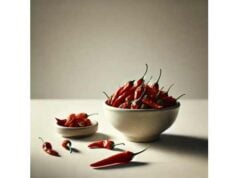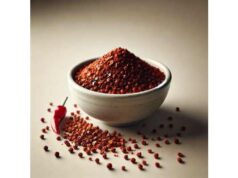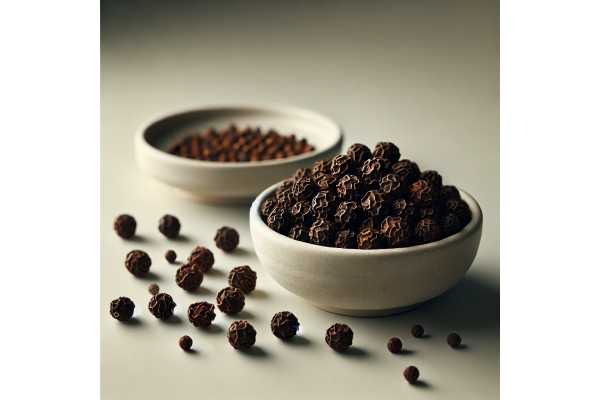
Timut pepper, also known as Timur or Nepalese pepper, is a small Himalayan spice with an unexpectedly big personality. Although it is often grouped with Sichuan pepper, Timut pepper has its own identity: intensely citrusy, with aromas of grapefruit, lemongrass, and flowers, plus a signature tingling, numbing sensation on the tongue. It is traditionally harvested from wild Zanthoxylum armatum trees in Nepal and used in chutneys, pickles, noodle soups, grilled meats, and folk remedies.
Today, chefs, mixologists, and health enthusiasts are exploring Timut pepper as a way to add bright, complex flavor while potentially tapping into antioxidant and digestive-supportive properties. At the same time, it is important to understand how much to use, how to select high quality, and what we actually know from modern research versus traditional use. This guide walks you through the benefits, nutrition, uses, and safety of Timut pepper in a clear, practical way, so you can decide how it fits into your kitchen and lifestyle.
Key Takeaways for Timut Pepper
- Timut pepper offers intense grapefruit like aroma and a numbing tingle that can brighten savory dishes, desserts, and drinks.
- Early research on related Zanthoxylum armatum extracts suggests antioxidant, antimicrobial, and anti inflammatory activities, but human data are still limited.
- A practical culinary serving is about 0.25–0.5 teaspoon (about 0.5–1 g) of crushed Timut pepper per person, used a few times per week as part of a varied diet.
- People with citrus allergies, sensitive mouths, or chronic reflux may experience irritation or discomfort and may need to limit intake.
- Pregnant or breastfeeding individuals, young children, and those on multiple medications should use Timut pepper in culinary amounts only and avoid concentrated extracts unless advised by a health professional.
Table of Contents
- Timut Pepper Origins and Characteristics
- Timut Pepper Nutrients and Active Compounds
- Timut Pepper Health Effects from Research
- Timut Pepper Safety Risks and Allergies
- Choosing Timut Pepper Quality and Storage
- Cooking with Timut Pepper and Flavor Preservation
- Timut Pepper Portions Comparisons and FAQs
Timut Pepper Origins and Characteristics
Timut pepper is the dried fruit husk (pericarp) of Zanthoxylum armatum, a prickly shrub or small tree in the citrus family that grows across the mid hills of Nepal and neighboring Himalayan regions. It is closely related to Sichuan pepper but represents its own regional variety with a distinctive aroma profile and cultural role.
Rather than behaving like black pepper, Timut pepper is a “false pepper” that provides very little heat. The seeds inside are usually discarded because they are hard and somewhat bitter; the outer husk is where the aromatic oils are concentrated. When you crush the husks, you release a complex scent that combines grapefruit zest, lime leaf, floral notes, and a hint of pine. This complexity comes from essential oil compounds such as limonene, linalool, and citronellal, along with other terpenes and aldehydes identified in aroma studies.
In traditional Nepalese cooking, Timut pepper is used for:
- Fermented and fresh chutneys made with tomato, chili, and garlic
- Pickles and relishes, especially with citrus and root vegetables
- Brothy noodle dishes like thukpa and hand pulled noodles
- Dry rubs for grilled or smoked meats and fish
- Seasoning dried buffalo or goat meat in some regions
The tingling “electric” sensation is part of its appeal. Specialized amide compounds in the husk interact with receptors in the mouth and lips that normally respond to touch and temperature. This produces a buzzing or numbing feel that can make other flavors in a dish seem brighter and more dynamic. The tingling often peaks a few seconds after tasting and then fades, leaving a lingering citrusy aftertaste.
Beyond the kitchen, Zanthoxylum armatum has a long history in local medicine systems for digestive troubles, toothache, respiratory complaints, and skin issues. In these traditional contexts, different parts of the plant (fruits, seeds, bark, leaves) are used, not just the culinary dried husks marketed as Timut pepper. Modern research is steadily exploring these uses, but most evidence comes from laboratory and animal studies rather than clinical trials.
As global interest in regional and bold flavors grows, Timut pepper has moved into contemporary applications as well. Mixologists infuse it into simple syrups and spirits, bakers pair it with chocolate and stone fruit, and product developers experiment with Timut flavored salts and snack coatings. Used thoughtfully, it can transform very simple recipes into memorable dishes.
Timut Pepper Nutrients and Active Compounds
There is no standardized nutrition label specific to Timut pepper, but composition data on Zanthoxylum armatum fruits provide a useful picture. Like many dried spices, the fruits are low in calories per culinary serving and contain modest amounts of macronutrients along with a dense array of bioactive plant compounds.
From proximate analyses of Zanthoxylum armatum fruits:
- Moisture content is low, supporting shelf stability.
- Carbohydrates and dietary fiber make up a substantial portion of the dry weight.
- Protein and fat are present in small amounts relative to fiber and carbohydrates.
- Minerals such as potassium, calcium, iron, zinc, and manganese are detectable, but absolute amounts per typical culinary serving are modest.
What makes Timut pepper nutritionally interesting is less the classic nutrients and more the secondary metabolites:
- Essential oil fraction: Rich in monoterpenes like limonene, linalool, α pinene, and citronellal, as well as other volatiles that contribute aroma and may have biological activity such as antimicrobial or insect repellent effects.
- Phenolic compounds: Extracts from fruits, bark, and seeds show meaningful levels of total phenolics and flavonoids, which act as antioxidants in various in vitro assays.
- Alkylamides and related amides: These are responsible for the tingling and numbing sensation and may influence sensory perception and saliva flow.
- Alkaloids, lignans, and other specialized metabolites: Research on Zanthoxylum species describes a broad library of compounds with potential analgesic, anti inflammatory, and metabolic effects, though these are typically studied in concentrated extracts rather than culinary doses.
Essential oil composition can vary with geography, altitude, plant part, and processing. Studies on fruits from different Himalayan regions show variation in the relative amounts of limonene, linalool, myrcene, and related terpenes, which helps explain why batches from different sources may smell slightly different.
From a practical standpoint, a sprinkle of Timut pepper will not dramatically change your intake of vitamins or minerals, but it can meaningfully increase the diversity of bioactive compounds in your diet. Used alongside colorful fruits, vegetables, and other herbs, it can contribute to the overall antioxidant and phytochemical richness of meals.
For people monitoring sodium or sugar, Timut pepper is naturally very low in both. Using it to enhance flavor can help some individuals rely less on salt or sugar to make food taste satisfying, although it should be seen as one useful tool rather than a full substitute for broader dietary changes.
Timut Pepper Health Effects from Research
Most of what we know about potential health benefits of Timut pepper comes from studies on Zanthoxylum armatum and broader Zanthoxylum species, rather than from clinical trials on Timut pepper as a packaged spice. These studies are promising but still exploratory, so it is important to keep expectations realistic.
Antioxidant and anti inflammatory activity
Extracts from Zanthoxylum armatum fruits, bark, and seeds consistently show antioxidant activity in laboratory models that measure free radical scavenging and related effects. Higher total phenolic and flavonoid contents tend to correlate with stronger in vitro antioxidant values.
Some experimental models also report reductions in markers related to inflammation when animals receive specific plant extracts or essential oils. While these findings support traditional uses for inflammatory and pain related conditions, they do not yet translate into clear dose guidelines for humans.
Antimicrobial and antiparasitic effects
Several studies have examined Zanthoxylum armatum extracts against bacteria, fungi, and parasites in vitro. Depending on the extract type and test organism, researchers have described antibacterial, antifungal, and antiparasitic activity. Essential oil rich in terpenes has shown inhibition of certain food spoilage organisms and human pathogens in controlled experiments.
These effects may help explain some of the traditional use of the plant in oral care, digestive complaints, and preservation of foods. However, such laboratory results do not mean that culinary amounts of Timut pepper can treat infections, and they should not be used as a replacement for medical care.
Digestive comfort and appetite
Traditional uses of Zanthoxylum armatum in South Asian systems of medicine emphasize digestion: easing gas, stimulating appetite, and relieving stomach discomfort. Experimental research suggests that extracts may influence gastrointestinal motility and help protect stomach tissue in animal models exposed to irritants.
The tingling sensation and strong aroma may also increase saliva and digestive secretions, which can subjectively make heavy or fatty foods feel easier to digest for some people. In everyday culinary use, this is a gentle effect rather than a strong pharmacological action.
Metabolic and other potential effects
Reviews of Zanthoxylum species describe a wide range of investigated properties: antidiabetic effects in animal models, blood pressure modulation, pain reduction, and possible neuroprotective actions. These findings come from concentrated extracts, often given at relatively high doses to rodents.
At this stage, there is not enough human research to recommend Timut pepper as a targeted therapy for any specific condition. It is more appropriate to view it as:
- A flavorful way to diversify plant based compounds in the diet
- A spice that may modestly contribute to antioxidant intake
- A potential adjunct to a generally healthful pattern of eating
If you take prescribed medications, particularly for blood pressure, blood clotting, or blood sugar, it is wise to keep Timut pepper in normal culinary amounts and discuss any supplement style use with your clinician.
Timut Pepper Safety Risks and Allergies
For most healthy adults, Timut pepper used as a culinary spice is considered low risk. However, several safety points deserve attention, especially because Zanthoxylum armatum is also used in concentrated forms for medicinal and agricultural purposes.
Mouth irritation and sensory sensitivity
The same alkylamide compounds that produce pleasurable tingling in many people can feel uncomfortably intense in others. A few possible reactions include:
- Burning, stinging, or prolonged numbness in the mouth
- Worsening of existing mouth ulcers or cracks
- Temporary changes in taste perception
These effects usually resolve on their own once the spice is cleared from the mouth. People with sensitive oral tissues, active mouth sores, or conditions such as oral lichen planus may find Timut pepper irritating and may prefer to avoid it or keep amounts very small.
Allergy and cross reactivity
Documented cases of true allergy to Zanthoxylum armatum are rare in the scientific literature. However, Timut pepper is related to other citrus family plants, and its essential oils share components such as limonene and linalool, which are recognized contact allergens in some individuals.
If you have known allergies to citrus peels, perfumed products rich in limonene or linalool, or related spices such as Sichuan pepper, it is prudent to:
- Try a very small amount the first time (for example, a pinch in a dish)
- Watch for itching, rash, swelling, or breathing difficulty
- Stop use and seek care immediately if you notice signs of serious allergy
Toxicity and high dose concerns
Essential oils distilled from Zanthoxylum armatum fruits and leaves have been studied as natural insecticides. In these research settings, the highly concentrated oil can be toxic to insects and sometimes to laboratory animals at higher doses.
Key implications:
- Culinary use of crushed husks is far lower in concentration than experimental doses and is not comparable to ingesting essential oil directly.
- Undiluted essential oil should not be ingested, applied undiluted to skin, or used around children and pets without expert guidance.
- People with asthma or fragrance sensitivity may react to essential oil diffusions even when they do not react to the spice in food.
Contaminants and heavy metals
Some analyses of Zanthoxylum armatum plant material have evaluated levels of heavy metals and basic nutritional composition. Metal concentrations in tested samples were below established safety limits, but the authors emphasized that accumulation of toxic metals could be a concern depending on growing conditions.
This reinforces the value of:
- Buying Timut pepper from trusted suppliers with good quality control
- Avoiding products that look dirty, dusty, or have visible foreign material
- Storing the spice properly to prevent mold growth
Special populations
Timut pepper in food level amounts is generally acceptable for most adults, but the following groups should be more cautious:
- Pregnant and breastfeeding individuals: Limited safety data; best to use modest culinary amounts only.
- Young children: Their mouths and digestive systems are more sensitive; introduce carefully or avoid.
- People with chronic digestive conditions: Those with reflux, active ulcers, or inflammatory bowel disease may find the numbing and citrusy aspects aggravating.
- Individuals on multiple medications or with liver or kidney disease: Avoid concentrated extracts and discuss any planned supplement use with a health professional.
Choosing Timut Pepper Quality Sustainability and Storage
Because Timut pepper is still a niche spice globally, quality can vary widely between suppliers. Paying attention to appearance, aroma, and sourcing details will help you get the most flavor and minimize safety concerns.
How to recognize good quality Timut pepper
When you open a fresh package, you should notice:
- A bright, unmistakable grapefruit like aroma with floral and pine notes
- Mostly intact husks, brownish red to dark reddish in color
- Minimal presence of black seeds (many cooks discard seeds anyway)
- Very little dust, twig fragments, or obvious foreign matter
Husks that smell dull, musty, or mainly woody are likely old or poorly stored. Faded color or a noticeable lack of aroma usually means the volatile compounds have degraded.
Origin and sustainability
Timut pepper is often wild harvested from community forests and smallholder lands in Nepal. Growing demand and pricing can put pressure on wild populations if harvesting is not well managed. Initiatives that promote good harvesting practice and community benefit sharing aim to keep the species available and ecosystems intact.
When possible, look for:
- Clear indication of botanical name (Zanthoxylum armatum) and origin
- Information about wild harvested versus cultivated sources
- Certifications or descriptions related to fair trade or community based forest management
Even when such labels are not available, choosing suppliers known for working directly with growers or cooperatives may help support more sustainable trade.
Best storage practices
To preserve the aromatic and sensory qualities:
- Store whole husks rather than pre ground powder when possible.
- Keep them in an airtight container, away from light, heat, and humidity.
- Avoid storing the jar above the stove or dishwasher where steam and heat are frequent.
- Use a clean, dry spoon when measuring to minimize moisture introduction.
Under good conditions, whole Timut pepper husks will keep their character for about 12–18 months. Over time, the aroma will gradually soften, and you may need slightly more to achieve the same impact.
Home grinding and blending
Because the essential oil content is significant and volatile, it is ideal to grind Timut pepper shortly before use:
- Use a mortar and pestle, spice grinder, or even a small rolling pin between sheets of parchment.
- Sift out most of the hard seeds if you prefer a smoother texture and less bitterness.
- Consider blending Timut pepper with sea salt, other peppers, or dried citrus zest to create finishing blends that are easy to sprinkle.
These simple practices maximize both flavor and value, reducing waste from old, flavorless spice sitting forgotten in the cupboard.
Cooking with Timut Pepper and Flavor Preservation
Timut pepper is best thought of as both a seasoning and a sensory effect. Because its distinctive aroma and tingling quality are somewhat delicate, how and when you add it to food makes a real difference.
When to add Timut pepper
The citrus top notes and the numbing effect diminish with prolonged high heat. To preserve them:
- Add crushed Timut pepper near the end of cooking rather than at the very beginning of long simmered dishes.
- For stir fries or pan sauces, sprinkle it in during the last minute or two.
- For soups and braises, use some during cooking for background depth, then finish with a freshly ground pinch at serving time.
Light dry toasting of the husks in a warm pan for a few seconds can open up the aroma, but overheating will quickly drive off the volatiles and may introduce bitterness. Aim for a brief, gentle toasting until you just begin to smell the grapefruit like scent, then remove from heat and crush.
Pairing ideas
Timut pepper works well with:
- Starchy bases: roasted potatoes, sweet potatoes, rice, lentils
- Animal proteins: grilled fish, shellfish, chicken, pork, and rich cuts of lamb
- Plant proteins: chickpeas, black beans, tofu, and paneer
- Vegetables: roasted carrots, beets, cauliflower, brassicas, and leafy greens
- Fruits and desserts: dark chocolate, citrus, berries, stone fruits, and poached pears
Because of its citrus notes, it can partially replace or complement actual citrus zest in recipes where fresh lemons or grapefruits are not available.
In drinks and desserts
In modern applications, Timut pepper increasingly appears in:
- Simple syrups for cocktails and alcohol free spritzers
- Flavored gins, vodkas, or vermouths
- Infusions for sorbets, ice creams, and custards
- Chocolate truffles and ganache
For drinks, whole husks can be lightly crushed and steeped in hot syrup or gently infused in spirits, then strained. Start with short infusion times and taste regularly; over extraction can create excessive bitterness or numbing.
Maintaining nutrient and aroma integrity
From a nutritional perspective, many of the interesting compounds in Timut pepper are heat sensitive or volatile. To keep more of them:
- Favor quick cooking methods over prolonged deep frying.
- Use whole or coarsely crushed husks rather than very fine powder, which loses aroma faster.
- Combine Timut pepper with other herbs and spices high in phenolics to build layered antioxidant potential in dishes.
Ultimately, the goal is to use Timut pepper in ways that are enjoyable and easy to sustain. A small, well timed sprinkle that makes a simple lentil soup or roasted root dish feel exciting is more valuable than a very large amount that overwhelms the palate.
Timut Pepper Portions Comparisons and FAQs
Because Timut pepper is potent, you need only a small amount per serving. There is no official dietary allowance, but culinary practice and research on related spices offer practical guidance.
Suggested portion sizes
For most adults:
- Everyday cooking: about 0.25–0.5 teaspoon (roughly 0.5–1 g) of crushed Timut pepper per serving of a main dish
- For finishing: a pinch sprinkled on a plated dish, dessert, or drink
Used a few times per week within a varied, largely plant based diet, this amount is unlikely to pose health concerns for otherwise healthy individuals and can add enjoyable diversity of taste and plant compounds.
If you are new to Timut pepper, start on the lower end of the range; you can always add more at the table.
How Timut pepper compares to related spices
- Versus Sichuan pepper: Timut pepper is usually more overtly citrusy and often perceived as fruitier and brighter. The tingling quality is similar, but some people find Timut’s sensation slightly sharper and more focused on the lips and front of the tongue.
- Versus black pepper: Black pepper brings heat through piperine and associated compounds, with woody and resinous notes. Timut pepper has almost no straightforward heat but delivers numbing and citrus. They complement each other well in blends.
- Versus lemon or grapefruit zest: Citrus zest offers acidity and fragrance without tingling, while Timut pepper brings the sensory “buzz.” In some recipes, you can use a combination of both; in others, Timut pepper can substitute for zest when fresh citrus is unavailable.
Frequently asked questions
- Is Timut pepper safe to use every day?
For most healthy adults, small culinary amounts used daily are acceptable, as long as you are not also consuming large amounts of concentrated extracts or essential oils. If you notice mouth irritation, digestive discomfort, or other symptoms, reduce the amount or frequency. - Can children eat Timut pepper?
Older children who enjoy adventurous flavors can try very small amounts in food, but it may be too intense for younger children and is not necessary in their diet. Avoid giving concentrated preparations to children. - Is Timut pepper suitable during pregnancy or breastfeeding?
There is little direct safety data. Occasional use in normal food quantities is unlikely to be harmful, but regular medicinal style use or high dose supplements are not recommended without individualized medical advice. - Does Timut pepper help with weight loss or blood sugar?
Some animal and cell studies on Zanthoxylum species suggest potential metabolic benefits, but these findings are preliminary and cannot be generalized to normal cooking use. Timut pepper should not be viewed as a weight loss or blood sugar treatment. - Can I use Timut pepper if I have acid reflux?
Responses vary. Some people find that strongly aromatic spices worsen reflux, while others tolerate them well. If you have frequent reflux, introduce small amounts and monitor your response, or discuss with your clinician or dietitian. - Is there a best time of day to eat Timut pepper?
There is no evidence that timing matters for health effects. Most people use it when it fits the meal: at lunch or dinner in savory dishes, or in evening desserts and drinks.
By focusing on modest, enjoyable culinary use and paying attention to your own tolerance, you can integrate Timut pepper into meals in a way that supports pleasure first and potential health benefits second.
References
- Zanthoxylum species: A comprehensive review of traditional uses, phytochemistry, pharmacological and nutraceutical applications 2021 (Systematic Review)
- A comprehensive review of Zanthoxylum armatum: Phytochemistry, pharmacological activities, and therapeutic potential 2025 (Systematic Review)
- Total phenolic, flavonoid contents, and antioxidant activities of fruit, seed, and bark extracts of Zanthoxylum armatum DC 2020 (Laboratory Study)
- Characterization of odour active compounds in Timur (Zanthoxylum armatum DC.) fruits from Nepal 2017 (Experimental Study)
- Evaluation of Zanthoxylum armatum, its toxic metal contents and proximate analysis 2015 (Laboratory Study)
Disclaimer
The information in this article is intended for general education about Timut pepper and related Zanthoxylum armatum products. It is not a substitute for personalized medical advice, diagnosis, or treatment. Always consult a qualified health professional before making significant changes to your diet, using herbal products in high doses, or altering prescribed medications. Never delay seeking professional medical care because of information you have read online.
If you found this article useful, you are warmly invited to share it with others on Facebook, X (formerly Twitter), or any platform you prefer. Thoughtful sharing helps more readers access reliable information and supports the continued creation of carefully researched, high quality content.