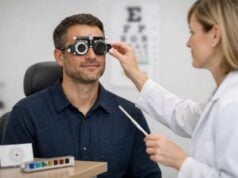
“Tired eyes” is one of the most common complaints in modern life, yet it can mean several different things: dryness that makes your vision fluctuate, focusing fatigue after hours of near work, light sensitivity, or the heavy-lidded feeling that comes with poor sleep. The good news is that many causes respond to small, targeted changes—better screen habits, improved blinking and lighting, and a few practical adjustments to your environment. The important part is recognizing when eye fatigue is a simple strain pattern and when it may reflect an uncorrected vision problem, dry eye disease, medication effects, or an underlying health issue.
This guide explains the most likely causes of tired eyes, evidence-informed lifestyle fixes that are realistic to maintain, and the specific symptoms that should prompt a professional eye exam.
Core Points
- Regular screen breaks and conscious blinking can reduce eye fatigue within a week for many people.
- Dry eye and uncorrected vision are two of the most common, fixable drivers of tired eyes.
- Optimize lighting and screen distance before adding drops or supplements.
- Persistent eye pain, one-sided symptoms, or sudden vision changes should be evaluated promptly.
- Use the 20-20-20 method for near work: every 20 minutes, look 20 feet away for 20 seconds.
Table of Contents
- What tired eyes feel like and why it happens
- Screen fatigue and digital eye strain
- Dry eye and the tear film connection
- Vision problems that masquerade as fatigue
- Lifestyle fixes that work in real life
- When to get checked and what to expect
- Prevention for people prone to eye fatigue
What tired eyes feel like and why it happens
Eye fatigue is less like a single disease and more like a stress signal from a system that is working harder than it should. People use the phrase “tired eyes” to describe symptoms that cluster into a few patterns:
- Heaviness and aching around the eyes: a dull pressure in the brow or temples, often worse after close work
- Burning, stinging, or gritty sensation: discomfort that improves briefly with blinking or lubricating drops
- Intermittent blur: vision that clears after blinking, looking away, or rubbing the eyes
- Light sensitivity: a sense that normal indoor lighting feels harsh
- Watery eyes: paradoxically common in dryness because the eyes produce reflex tears that do not stabilize the surface well
The reason these symptoms overlap is that sharp vision depends on several layers working together. The tear film is the first optical surface and must stay smooth. The eyes must also coordinate focusing (accommodation) and alignment (binocular vision). When you read, scroll, or concentrate, you blink less and hold your focus at one distance for long periods. That combination can destabilize tears and overwork the focusing system.
Two practical ideas help you think clearly about tired eyes:
Fatigue is often a mismatch problem
Your visual system adapts well to variety: shifting distances, outdoor light, natural breaks. Modern tasks reduce variety. A laptop at 50 cm for hours is like asking the same muscle to hold a contraction without rest. The result can feel like strain even when your eyesight is “good.”
Symptoms are influenced by the whole body
Sleep debt, dehydration, allergies, and stress can all amplify eye fatigue. Some medications reduce tear production. Hormonal changes can shift tear stability. Even jaw clenching can worsen “eye area” soreness through shared facial muscle tension.
Most tired-eye patterns improve with a few targeted adjustments. But if symptoms are persistent, one-sided, or accompanied by true vision changes, the label “fatigue” can hide a problem that deserves an eye exam. The sections that follow help you separate common strain from signals that warrant evaluation.
Screen fatigue and digital eye strain
Digital eye strain is not about screens “damaging” your eyes. It is about how screens change your visual behavior. When you look at a screen, you tend to stare, blink less, and maintain one focusing distance for long stretches. Text and icons can also be low contrast depending on brightness, glare, and font size. The result is a predictable set of symptoms: dryness, aching, intermittent blur, and headaches.
Why screens make your eyes work harder
- Reduced blink rate: blinking spreads tears and resets the optical surface. With fewer blinks, tears evaporate and the surface becomes irregular.
- Incomplete blinks: many people blink but do not fully close the eyelids during intense focus, leaving tears unstable.
- Fixed focusing demand: sustained near focus strains the accommodation system, especially in people with latent farsightedness, early presbyopia, or binocular vision issues.
- Glare and lighting mismatch: overhead lights, windows, and shiny screens create reflections that reduce contrast.
Common screen-related patterns
- Symptoms build through the day: mornings feel fine, then discomfort rises after hours of tasks.
- Vision fluctuates: blur that improves with blinking suggests surface dryness.
- Headaches after reading: often linked to focusing effort or misalignment.
- Neck and shoulder tension: poor ergonomics increases overall fatigue and can make eye discomfort feel worse.
Fast improvements you can measure
Try these for one week and note changes:
- 20-20-20 method: every 20 minutes, look at least 20 feet away for 20 seconds.
- Blink reset: at each break, do 5 slow full blinks, gently closing the lids completely.
- Screen distance: aim for roughly an arm’s length for monitors; avoid holding phones close for long sessions.
- Text size and contrast: increase font size until you stop leaning forward.
- Reduce glare: position screens away from direct window reflections and consider a matte screen surface if glare is constant.
The most important insight is that digital eye strain is usually behavioral and environmental, not mysterious. If you fix the viewing conditions and the blink pattern, many people improve without medication. If you do not improve, that is often a clue that dry eye disease or an uncorrected vision issue is contributing.
Dry eye and the tear film connection
Dry eye is a leading driver of tired-eye symptoms because the tear film is both a comfort layer and an optical surface. When it becomes unstable, the eyes may burn or feel gritty, and the image can blur intermittently. Many people describe this as “my eyes get tired quickly,” not realizing dryness is the root.
How dry eye creates fatigue
An unstable tear film causes micro-fluctuations in vision. Your brain and focusing system compensate constantly, which feels like strain. Meanwhile, surface nerves signal irritation, and you may rub your eyes, making inflammation worse.
Clues that dryness is central
- burning, stinging, or sandy sensation
- symptoms worse with screens, air conditioning, wind, heat, or long drives
- watery eyes that occur with irritation
- fluctuating blur that improves after blinking
- contact lenses becoming uncomfortable earlier than usual
Dry eye is not always about “not enough tears.” A common form is evaporative dry eye, where the oil layer is poor due to meibomian gland dysfunction. In that case, tears evaporate quickly even if the eye produces tears normally.
Home strategies that target the mechanism
- Preservative-free artificial tears: start with 2–4 times daily if symptoms are frequent; use as needed rather than waiting until severe.
- Warm compresses: 5–10 minutes once daily can improve oil flow if you have lid margin redness, crusting, or frequent styes.
- Environmental control: redirect vents away from your face, consider a humidifier, and use wraparound sunglasses outdoors on windy days.
- Hydration and sleep: they do not cure dry eye alone, but they reduce the baseline irritability that makes symptoms flare.
When dryness needs professional treatment
If you use lubricating drops often and still feel tired eyes daily, an eye exam can identify whether you have significant meibomian gland dysfunction, inflammation, allergy overlap, or medication effects. Targeted therapies can reduce the cycle of irritation and fatigue more effectively than constantly switching drops.
A useful rule: if your blur improves with blinking, treat the tear film. If your blur persists regardless of blinking, consider refraction issues or other eye causes. Many people have both, and addressing both is what restores comfortable, stable vision.
Vision problems that masquerade as fatigue
Tired eyes are often blamed on screens or sleep, but vision factors can quietly drive the problem. When your eyes must “work” to see clearly, the result can be brow ache, headaches, and a heavy-eyed feeling that resembles general fatigue.
Uncorrected or under-corrected refractive error
Even small prescription issues can matter when you spend hours reading. Common examples:
- mild farsightedness that forces constant focusing effort
- astigmatism that makes the image slightly smeared
- an outdated prescription that you have adapted to until your workload increases
A practical sign is that symptoms improve when you stop near work, but return quickly when you restart.
Presbyopia and near-work strain
As near focusing ability changes with age, many people push through by increasing effort, leaning closer, or using brighter light. That can trigger fatigue and headaches. Early presbyopia often shows up as:
- needing more light to read
- blur at near that improves when you hold things farther away
- discomfort after near work even if distance vision seems fine
Binocular vision and focusing coordination
Your two eyes must align precisely, especially up close. If the alignment system struggles, symptoms can include:
- eyestrain after reading
- headaches behind the eyes or in the temples
- difficulty concentrating
- occasional double vision or “words moving” on the page
- feeling better when closing one eye
These issues can exist even in people with “good eyesight.” They are about coordination, not just sharpness.
Lighting and contrast demands
Poor lighting forces your visual system to work harder. Low contrast text, glare, and harsh overhead light can worsen fatigue even with a perfect prescription. People often think they need a stronger prescription when they actually need a better visual environment.
When vision issues are likely
Consider a vision-driven cause if:
- symptoms persist even on days without heavy screen use
- you squint to see clearly
- your headaches are strongly linked to reading or driving
- you are changing viewing distance constantly to find clarity
- you have never had a comprehensive eye exam or it has been several years
A well-fitted prescription, sometimes paired with task-specific lenses, can reduce the “effort load” on your eyes and make lifestyle fixes work more effectively.
Lifestyle fixes that work in real life
The most effective lifestyle changes for tired eyes are not dramatic. They are small adjustments that reduce constant visual effort and protect the tear film. The goal is to make your default day less demanding on your eyes so you need fewer rescue strategies.
Make your screen setup more eye-friendly
- Distance: keep monitors about an arm’s length away and slightly below eye level so your lids naturally cover more of the eye surface.
- Text size: increase font size until you can read without leaning in. This reduces focusing stress immediately.
- Brightness match: set screen brightness to match the room. A screen that is much brighter or much darker than the environment strains adaptation.
- Glare control: reposition your screen relative to windows and overhead lights; glare forces constant micro-squinting.
Use structured breaks instead of random breaks
The 20-20-20 method is useful because it is simple and consistent. During your 20-second distance look:
- relax your shoulders
- let your eyes soften rather than “staring”
- do 5 slow complete blinks before returning to work
This combination addresses both focusing fatigue and tear instability.
Support your tear film during the day
- Keep water nearby and avoid long stretches without drinking.
- If you are in a dry environment, consider a small humidifier near your workspace.
- Redirect vents and avoid direct airflow toward your face.
- If you wear contacts, build in lens-free time at home and avoid extending wear during symptom flares.
Reduce the hidden drivers
- Sleep: even one week of improved sleep can reduce sensitivity and discomfort.
- Allergies: treat itch early to prevent rubbing.
- Stress and posture: jaw clenching and forehead tension can amplify eye-area aching. Short posture resets help.
A one-week starter plan
- Days 1–7: 20-20-20 breaks during near work
- Daily: adjust text size and screen distance
- Daily: 5–10 minutes of warm compress if you have lid margin redness or frequent styes
- As needed: preservative-free lubricating drops, especially during long screen sessions
If symptoms improve, you have identified modifiable causes. If symptoms do not improve, you have gathered useful information for an eye exam, which can speed diagnosis and the right treatment plan.
When to get checked and what to expect
Many people assume tired eyes are harmless and delay evaluation for years. In reality, an eye exam can be the quickest path to relief when symptoms are persistent or when simple fixes do not help. The goal of getting checked is not only to “find disease,” but to identify the specific contributors to your fatigue so treatment can be targeted.
Get checked promptly if you have
- sudden vision changes, new significant blur, or loss of vision
- eye pain that is moderate to severe, especially in one eye
- new flashes of light, a shower of floaters, or a curtain-like shadow
- significant light sensitivity with a very red eye
- double vision that is new or persistent
- a foreign body sensation that does not improve with lubrication
These symptoms should not be dismissed as fatigue.
Schedule a routine eye exam if
- tired eyes occur most days for more than 2–4 weeks
- headaches are regularly triggered by reading or screen work
- you squint or feel you need brighter light to read
- you rely on drops daily and still feel uncomfortable
- you wear contact lenses and discomfort is increasing
- it has been several years since your last comprehensive exam
What a clinician may evaluate
A thorough assessment often includes:
- refraction to check for under-correction, astigmatism, or presbyopia needs
- binocular vision and focusing tests if symptoms suggest coordination strain
- tear film and eyelid margin evaluation for dry eye and meibomian gland dysfunction
- review of medications and health conditions that affect tears and inflammation
- discussion of lifestyle, screen habits, and work demands
What to bring to the visit
Come with details that make the visit more productive:
- when symptoms are worst, and what makes them better
- how many hours per day you use screens
- your typical workspace lighting and distance
- any drops you use and how often
- your glasses and contact lens information
An eye exam can turn a vague complaint into a precise plan. That plan may be as simple as updating a prescription and adjusting screen setup, or it may include targeted dry eye therapy. Either way, clarity reduces frustration and helps you stop chasing quick fixes that do not match the cause.
Prevention for people prone to eye fatigue
Once you identify your main drivers, prevention becomes straightforward. Most tired-eye patterns recur because people fix symptoms temporarily but return to the same visual conditions that created the strain. The goal is to make supportive habits the default.
Build a low-effort daily routine
- Use the 20-20-20 method during prolonged near work.
- Keep your screen distance and font size optimized, even on busy days.
- Do a brief blink reset at each break to stabilize the tear film.
- Keep airflow off your face and manage room humidity when practical.
Protect your eyes during high-demand periods
During deadlines, travel, or intense study, plan for higher load:
- schedule short breaks rather than waiting for discomfort
- use lubricating drops preventively if dryness is a known trigger
- reduce contact lens wear time if lenses worsen symptoms late in the day
- prioritize sleep for a week rather than trying to power through
Support long-term comfort
- Replace old or poor-quality work lighting and reduce glare sources.
- Maintain regular eye exams, especially when your workload or age-related focusing needs change.
- Treat eyelid inflammation early if you have blepharitis tendencies.
- Address allergies proactively during peak seasons to prevent rubbing-driven flares.
Know your “pattern breakers”
Prevention also means recognizing when your usual pattern changes. If your fatigue becomes one-sided, painful, or accompanied by true vision changes, treat it as a new problem rather than an extension of your baseline.
Eye fatigue is common, but it does not have to be normal. With a few consistent adjustments, many people reclaim comfortable vision that lasts through the day. And when lifestyle fixes are not enough, a targeted eye evaluation can identify the missing piece and shorten the path back to clear, relaxed seeing.
References
- TFOS DEWS II Management and Therapy Report 2021 (Guideline)
- TFOS DEWS II Definition and Classification Report 2021 (Guideline)
- Digital eye strain: prevalence, measurement and amelioration 2023 (Review)
- A systematic review on the effectiveness of the 20-20-20 rule in reducing digital eye strain 2022 (Systematic Review)
- Dry Eye 2024 (Government Health Guidance)
Disclaimer
This article is for educational purposes and does not replace individualized medical advice, diagnosis, or treatment from a qualified clinician. Eye fatigue is often related to screen habits, dry eye, or vision correction needs, but urgent eye conditions can also present with discomfort or vision changes. Seek prompt medical care for sudden vision loss, new flashes or many floaters, severe eye pain, significant light sensitivity with a very red eye, or new double vision.
If you found this guide helpful, please consider sharing it on Facebook, X (formerly Twitter), or any platform you prefer.