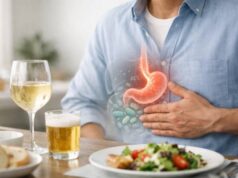
Tirzepatide has reshaped treatment for type 2 diabetes and obesity because it can meaningfully reduce appetite, improve blood sugar control, and support weight loss. The same “slow-down” effect that helps many people feel satisfied sooner, however, also explains why digestive side effects are common—especially early on and after dose increases. Nausea, diarrhea, constipation, and a heavy “food just sits there” sensation are not random; they follow predictable patterns tied to how tirzepatide changes stomach emptying, gut hormones, and eating behavior.
This guide walks through what those symptoms usually mean, why they happen, and which practical steps tend to help most. You will also learn when symptoms cross the line from expected to concerning, so you can respond early and avoid dehydration, missed nutrition, or unnecessary discomfort.
Key Insights
- Most digestive side effects peak during dose increases and often ease within a few weeks when eating patterns and timing adjust.
- Smaller, lower-fat meals and slower eating are often more effective than “toughing it out” or skipping food all day.
- Dehydration is the hidden risk when nausea or diarrhea persists; replacing fluids and salts early can prevent complications.
- If vomiting is persistent, pain is severe, or you cannot keep fluids down, treat it as a medical problem—not a normal side effect.
Table of Contents
- Why tirzepatide upsets the gut
- Nausea and vomiting patterns
- Diarrhea and urgent stools
- Constipation and slow motility
- Reflux and burping with early fullness
- Food and dosing strategies that help
- When symptoms need medical care
Why tirzepatide upsets the gut
Tirzepatide (sold as Mounjaro and Zepbound by Eli Lilly and Company) works by activating two hormone pathways involved in digestion and appetite: GIP and GLP-1. These hormones are part of the “incretin” system that normally rises after meals. When those signals are amplified by medication, the gut and brain receive a stronger message that food is present and that it is time to slow down eating.
That slowing shows up in a few ways:
- Delayed stomach emptying. Food can stay in the stomach longer, which increases fullness and reduces hunger—but also increases nausea, burping, reflux, and a heavy or bloated sensation.
- A stronger fullness signal in the brain. Many people naturally eat less. If your portion size does not adjust quickly enough, you can feel “overfull” after a normal meal.
- Changes in intestinal movement and secretion. For some people, transit slows (constipation). For others, the gut becomes more reactive, especially to fatty or very sweet foods (diarrhea or urgency).
- Indirect effects from changed eating. Eating less can mean less fluid, less salt, and less fiber—three things the gut relies on to keep stool normal.
The timing is also predictable. Symptoms often flare:
- In the first 24–72 hours after an injection,
- After a dose increase, and
- When meals are larger, fattier, faster, or closer to bedtime.
A useful mental model is that tirzepatide narrows your “comfort window.” Foods and meal sizes that used to feel normal can suddenly feel like too much. The goal is not to “eat perfectly,” but to match intake to the slower pace your digestive tract is now running.
Finally, remember that not every stomach symptom on tirzepatide is caused by tirzepatide. Viruses, food poisoning, gallbladder issues, and reflux disease can overlap. Pattern recognition—especially how symptoms relate to dose changes and meal choices—helps you separate likely medication effects from a new illness that needs attention.
Nausea and vomiting patterns
Nausea is the most common digestive complaint with tirzepatide, and it can range from mild “queasiness” to a strong aversion to food. The most typical pattern is early nausea that improves with time, especially once you learn your new portion limit. Vomiting is less common, but when it occurs, it often follows a familiar sequence: too large a meal → intense fullness → nausea → retching or vomiting.
Common triggers include:
- High-fat meals (fried foods, rich sauces, fast food)
- Large portions, even if the food is healthy
- Eating quickly or eating while distracted
- Skipping food all day and then having a big dinner
- Alcohol or strong coffee on an empty stomach
- Strong smells and heavy seasoning when appetite is low
What usually helps in real life:
- Use “half-portion rules” for the first month. Start with half your usual serving, pause for 10–15 minutes, then decide if you truly want more.
- Prioritize bland, lower-fat choices on symptom days. Think toast, oatmeal, rice, bananas, applesauce, soup, lean protein, yogurt, and simple starches.
- Eat something small within a few hours of waking. A long fast can make nausea worse, even if hunger is low.
- Sip, do not chug. Small sips of water, oral rehydration solution, or ginger tea are easier to tolerate than large glasses.
- Separate fluids from meals. If you feel too full, try drinking most fluids between meals rather than with them.
- Choose a “safe temperature.” Many people tolerate cool or room-temperature foods better than hot, strongly aromatic meals.
If nausea persists, consider structured “rescue” options:
- Ginger (tea, chews, or capsules) can be helpful for mild nausea.
- Over-the-counter antacids may help if nausea is paired with burning or sour reflux.
- Prescription anti-nausea medications can be appropriate for short periods—this is a conversation for your prescriber.
When vomiting is the issue, the priorities change. One episode after overeating is different from repeated vomiting over a day. Repeated vomiting can cause dehydration quickly. If you cannot keep fluids down, that is not something to “push through,” especially if you feel weak, dizzy, or your urine becomes dark and scant.
Diarrhea and urgent stools
Diarrhea on tirzepatide can be frustrating because it often feels unpredictable: one day normal, the next day urgent. In many cases, it is not a sign that the medication is “damaging” the gut—it is the gut reacting to a new hormonal environment and to changes in what and how you eat.
Three patterns are common:
- Food-triggered diarrhea. High-fat meals, large portions, and very sweet foods can pull water into the intestine and speed transit.
- Dose-step diarrhea. Symptoms appear for several days after an injection or after a dose increase, then fade.
- “Under-fueled” diarrhea. When intake drops, people sometimes rely on protein shakes, sugar-free products, or large amounts of caffeine. Sugar alcohols and concentrated supplements can trigger loose stools.
What helps most is addressing the “why” behind your diarrhea day.
First priority: prevent dehydration.
- Aim for steady fluids across the day, not a large amount at once.
- If stools are frequent or watery, use an oral rehydration solution or a homemade equivalent (water plus a small amount of salt and sugar) to replace electrolytes.
- Watch for dehydration signs: dizziness on standing, headache, dry mouth, rapid heartbeat, dark urine, and fatigue.
Second priority: simplify the diet for 24–48 hours.
A short “reset” can calm the gut:
- Choose low-fat, lower-fiber, bland foods temporarily (rice, potatoes, toast, bananas, broth, eggs, lean poultry).
- Avoid greasy meals, alcohol, spicy foods, and large salads until stools normalize.
Third priority: identify common hidden triggers.
- “Sugar-free” candy, gum, and protein bars often contain sugar alcohols that worsen diarrhea.
- Large doses of magnesium (some supplements) can cause loose stools.
- Very high caffeine intake can stimulate intestinal movement.
Medication options can be useful, but they should match the situation:
- If diarrhea is mild, dietary changes and hydration are usually enough.
- If diarrhea is frequent, watery, or paired with fever, blood, severe pain, or recent travel/illness exposure, do not self-treat aggressively—get medical advice.
- If you need an anti-diarrheal, ask your clinician or pharmacist which option is appropriate, especially if you have other medical conditions.
A final note: diarrhea that persists beyond the early adjustment phase is often a sign that your meal pattern is still mismatched to your slower digestion—often too much fat, too much volume, or too many “diet” sweeteners. Fixing those tends to work better than chasing symptoms week after week.
Constipation and slow motility
Constipation is common with GLP-1–based therapies, and tirzepatide can make it more noticeable because appetite drops and stomach emptying slows. Many people unintentionally reduce three things that keep bowel movements regular: fluid, fiber, and food volume. Add in less movement (because you feel tired or nauseated), and the gut slows further.
A practical definition helps: constipation is not just “no daily stool.” It is hard, dry stool, straining, incomplete emptying, or fewer than three bowel movements per week—especially if that is new for you.
The most effective approach is layered, not drastic:
1) Hydration first.
If you are not drinking enough, extra fiber can backfire. A simple check: if your urine is usually dark yellow and you rarely urinate, start here.
2) Build fiber gradually.
Instead of a sudden high-fiber overhaul, add one steady habit:
- 1 serving of fruit (berries, kiwi, prunes) daily, or
- 1 tablespoon of ground flax or chia in yogurt or oatmeal, or
- A gentle fiber supplement, introduced slowly.
If your constipation is paired with significant bloating, start with soluble fiber (oats, psyllium) rather than large raw salads.
3) Add “motility cues.”
The colon often responds to routine:
- A warm drink in the morning
- A short walk after meals (10–15 minutes)
- A consistent bathroom time (do not ignore the urge)
4) Consider short-term support if needed.
For stubborn constipation, some people benefit from over-the-counter options such as osmotic laxatives (which draw water into stool). These can be effective, but it is wise to confirm the best choice with a clinician—especially if you have kidney disease, heart failure, or take multiple medications.
When constipation is more concerning:
- No bowel movement for several days plus severe abdominal pain, vomiting, or inability to pass gas can indicate obstruction-like problems and needs urgent evaluation.
- Constipation that alternates with watery diarrhea can be a sign of stool “backup” with overflow. Treating only the diarrhea may worsen the situation.
The big takeaway: constipation on tirzepatide is often a predictable result of “less in, less out.” Regular fluids, a modest fiber plan, and gentle movement typically restore a normal rhythm without extreme interventions.
Reflux and burping with early fullness
Some tirzepatide users describe a specific cluster: burping, reflux, and early fullness—sometimes with a sour taste or a “food sits in my chest” sensation. This makes sense physiologically. When the stomach empties more slowly, it stays fuller longer, pressure rises, and stomach contents can reflux upward more easily, especially after a large or fatty meal.
Common signs you are dealing with a slowed-emptying and reflux pattern include:
- Fullness after small meals
- Burping that increases after eating
- Nausea that improves when you eat less
- Symptoms that worsen at night or when lying down
- A sour taste, throat clearing, or mild burning
What helps tends to be mechanical and behavioral:
- Downshift dinner size. If reflux is a problem, dinner is often the best meal to make smaller.
- Keep a 2–3 hour buffer before lying down. Late meals and bedtime snacks commonly worsen symptoms.
- Avoid carbonated drinks if burping is prominent; they can increase gastric pressure.
- Limit very fatty meals and rich desserts—fat is a frequent reflux trigger.
- Try smaller, more frequent meals rather than one or two large meals.
- Be cautious with peppermint. It can soothe nausea for some, but it may relax the lower esophageal sphincter and worsen reflux in others.
If reflux is persistent, short-term over-the-counter acid reducers can be reasonable, but long-term or severe symptoms should be reviewed with a clinician. The goal is not to mask a problem that is actually excessive dose-related slowing.
This is also the area where people worry about gastroparesis. True gastroparesis is a medical diagnosis, but it is helpful to know the “signal” symptoms that deserve attention:
- Persistent vomiting
- Feeling unable to tolerate solid food for days
- Marked weight loss from inability to eat (not planned weight loss)
- Severe, worsening abdominal distension and pain
Most people with early fullness simply need a better match between meal size and the new pace of digestion. But if symptoms are escalating rather than improving over time, it is worth discussing dose pace, meal strategy, and whether another GI condition is contributing.
Food and dosing strategies that help
For many people, the turning point is not a new pill or supplement—it is a new operating system for meals. Tirzepatide changes your “satiety calibration,” so the best plan is one that prevents symptoms rather than reacting to them.
A practical daily framework
- Small breakfast, steady protein. Even if hunger is low, a small breakfast reduces nausea swings and helps stabilize intake.
- Protein first, then starch, then fat. Starting with lean protein (eggs, yogurt, fish, poultry, tofu) often reduces the urge to keep eating past comfort.
- Keep fat modest, not zero. Very high fat is a trigger for nausea and diarrhea, but a small amount (olive oil, nuts) can improve satisfaction.
- Choose cooked foods when your gut is sensitive. Cooked vegetables, soups, and stews are often easier than large raw salads early on.
- Use “planned snacks” instead of “catch-up meals.” A small snack (yogurt, fruit, crackers with cheese) can prevent the late-day crash that leads to overeating.
The “day after injection” plan
Many people find the first 1–3 days after dosing are the most sensitive. On those days:
- Keep meals smaller and simpler.
- Avoid alcohol and heavy restaurant meals.
- Prioritize hydration early in the day.
- Consider scheduling your injection so the most sensitive day is not a work or travel day.
How to eat when you are not hungry
Not eating all day can worsen nausea and constipation. Instead:
- Think in “mini-meals” (200–300 calories) every 3–4 hours if tolerated.
- Choose lower-odor, lower-grease foods.
- Use liquids strategically: smoothies, soups, or yogurt can be easier than a full plate.
Dose pacing is a legitimate tool
Many side effects improve when dose increases are slower. If symptoms are intense after a dose increase, speak with your prescriber about whether you should:
- Stay at the current dose longer,
- Step back temporarily, or
- Use supportive medication for a short time during transitions.
A final practical point: tirzepatide can change the timing of how oral medications are absorbed because it slows stomach emptying. If you take time-sensitive oral medicines (including oral contraceptives), review your medication list with your clinician and pharmacist, especially around dose changes.
When symptoms need medical care
Most digestive side effects with tirzepatide are manageable and fade as your body adapts. The risk is assuming every symptom is “normal” and waiting too long when something more serious is happening. The safest approach is to watch for severity, persistence, and red-flag features.
Seek urgent medical care if you have:
- Inability to keep fluids down for more than several hours, or repeated vomiting with weakness or dizziness
- Signs of dehydration: fainting, confusion, very dark urine, very little urine, rapid heartbeat, or severe lethargy
- Severe or worsening abdominal pain, especially if it is persistent, sharp, or radiates to the back
- Blood in stool or black, tarry stools
- Fever with significant diarrhea or abdominal pain
- A swollen, rigid abdomen, inability to pass gas, and vomiting (possible obstruction-like pattern)
Situations that need prompt clinician contact (same day or next day):
- Diarrhea lasting more than 48 hours, especially if frequent and watery
- Constipation lasting several days with discomfort or nausea
- Reflux or fullness that is progressively worsening rather than stabilizing
- Ongoing nausea that significantly limits food intake, leading to weakness or poor nutrition
Why quick action matters
The main downstream complications from GI side effects are not usually “stomach damage.” They are:
- Dehydration and electrolyte imbalance (which can affect kidney function and blood pressure)
- Poor nutrition (especially low protein intake, which can worsen fatigue and muscle loss)
- Medication nonadherence (stopping and starting because symptoms feel unmanageable)
Also remember that other medications can amplify risk. If you take insulin or sulfonylureas, reduced food intake can increase hypoglycemia risk. And if you are using semaglutide or other GLP-1 medications from Novo Nordisk or other brands, you generally should not combine them unless your prescriber has a clear rationale.
A good rule is this: expected side effects fluctuate but trend better over time. Concerning problems often trend worse, spread beyond the gut (faintness, fever), or limit your ability to drink. If you are unsure, it is reasonable to call your prescribing team—especially because dose pacing and early symptom support can prevent a small problem from becoming a missed week of hydration and nutrition.
References
- Clinical Recommendations to Manage Gastrointestinal Adverse Events in Patients Treated with Glp-1 Receptor Agonists: A Multidisciplinary Expert Consensus – PubMed 2022 (Guideline)
- Tirzepatide versus Semaglutide Once Weekly in Patients with Type 2 Diabetes – PubMed 2021 (RCT)
- Tirzepatide Once Weekly for the Treatment of Obesity – PubMed 2022 (RCT)
- Effects of tirzepatide on weight management in patients with and without diabetes: a systematic review and meta-analysis – PubMed 2025 (Systematic Review)
- Comparative gastrointestinal adverse effects of GLP-1 receptor agonists and multi-target analogs in type 2 diabetes: a Bayesian network meta-analysis – PMC 2025 (Systematic Review)
Disclaimer
This article is for educational purposes only and does not provide medical advice. Tirzepatide and related medications can cause side effects and may not be appropriate for everyone, especially people with certain gastrointestinal conditions, kidney problems, or those taking medications that affect blood sugar. Do not start, stop, or change any medication based on this article. If you have severe symptoms, cannot keep fluids down, develop significant abdominal pain, or notice signs of dehydration, seek urgent medical care. For individualized guidance, talk with a licensed clinician who can review your medical history and medication list.
If you found this article helpful, please consider sharing it on Facebook, X (formerly Twitter), or any platform you prefer.