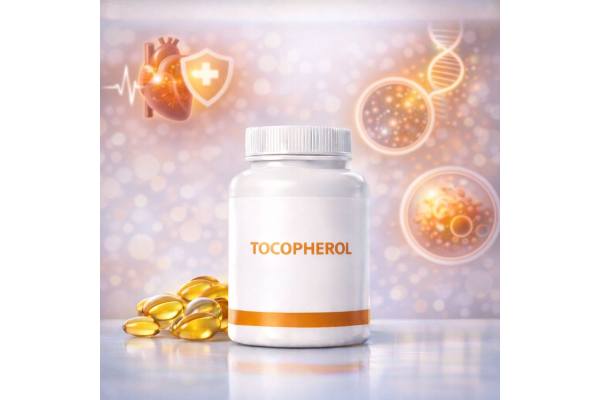
Tocopherol is the scientific name most people know simply as vitamin E, a group of fat-soluble compounds that help protect cell membranes from oxidative damage. In everyday terms, it acts like part of the body’s internal shield, helping maintain the integrity of your skin, eyes, blood vessels, and immune system. Because tocopherol is stored in body fat and used slowly over time, both deficiency and excess can create problems, especially if you rely heavily on supplements rather than food.
This guide walks you through what tocopherol actually does, how it differs from other vitamin E forms, realistic benefits you can expect, when supplements may be helpful, and how to choose a safe dose. You will also find clear side-effect and interaction information, including who should avoid high doses or use extra caution. The goal is not to sell tocopherol as a cure-all, but to help you use it, or decide not to use it, with a clear view of the evidence and safety considerations.
Quick Overview for Tocopherol
- Tocopherol (vitamin E) is a fat-soluble antioxidant that protects cell membranes and supports immune and eye health.
- Most people can meet their needs with food; consistent benefits from high-dose vitamin E supplements in healthy adults are limited.
- Typical supplemental intakes range from about 15–100 mg alpha-tocopherol per day, usually not exceeding 200–300 mg daily without medical supervision.
- High doses increase bleeding risk and may interact with blood-thinning drugs, especially in older adults or those with cardiovascular disease.
- People with bleeding disorders, on anticoagulants, with vitamin K deficiency, or with upcoming surgery should avoid high-dose tocopherol unless a physician recommends it.
Table of Contents
- What is tocopherol and why does it matter?
- What are the proven benefits of tocopherol for health?
- How is tocopherol used in diet and supplements?
- How much tocopherol per day? Dosage guide.
- Side effects of tocopherol and who should avoid it.
- Practical tips for using tocopherol safely.
What is tocopherol and why does it matter?
“Tocopherol” is the core chemical structure that defines vitamin E. In nature, vitamin E is actually a family of eight related molecules: four tocopherols (alpha, beta, gamma, delta) and four tocotrienols. Among these, alpha-tocopherol is the primary form maintained in human blood and tissues, so it is the standard used to define vitamin E requirements on labels and in guidelines.
Because vitamin E is fat-soluble, it is absorbed along with dietary fats in the small intestine and then transported through the bloodstream. The liver plays a gatekeeper role, preferentially selecting alpha-tocopherol for circulation. Other forms are more quickly broken down and excreted. This is why supplements and fortified foods typically list their content in milligrams of alpha-tocopherol, even if they contain a mixture of vitamin E forms.
At a cellular level, tocopherol sits in cell membranes, where it neutralizes lipid peroxyl radicals that would otherwise damage polyunsaturated fatty acids. This antioxidant activity helps stabilize membranes in many tissues, including the brain, retina, and immune cells. Vitamin E also interacts with other antioxidants, such as vitamin C and glutathione, in a network that regenerates protective capacity after free radical exposure.
Deficiency is uncommon in healthy people who absorb fat normally, because vitamin E is widely present in vegetable oils, nuts, seeds, and green leafy vegetables. When deficiency does occur, it is usually due to fat-malabsorption disorders, certain genetic defects, or very low-fat diets over long periods. Symptoms can include nerve damage (neuropathy), muscle weakness, coordination problems, and impaired vision.
In contrast, excess vitamin E can accumulate because the body has limited routes to excrete large supplemental doses. This is where safety concerns arise, particularly around blood clotting and interactions with medications. Understanding both ends of that spectrum—too little and too much—is central to using tocopherol wisely.
What are the proven benefits of tocopherol for health?
Vitamin E is widely marketed for heart, brain, skin, and immune benefits. The reality is more nuanced: there is solid support for its essential roles and for correcting deficiency, but evidence for broad preventive effects of high-dose supplements in generally healthy adults is mixed and often weak.
Where vitamin E’s role is clearest is in protecting cell membranes from oxidative damage. This function supports:
- Normal nerve conduction and muscle function
- Retinal health and visual signals
- Integrity of red blood cells
- Immune cell stability and function
In people with documented deficiency or specific genetic disorders that impair vitamin E transport, supplementation can prevent or slow neurological damage, help maintain coordination, and protect vision. These are medical situations where vitamin E is not an “extra” but a necessary therapy overseen by specialists.
For immune health, adequate vitamin E intake seems to help maintain normal T-cell and B-cell responses, especially in older adults whose immune systems are naturally weaker. Some trials have shown improved response to certain vaccines or fewer minor infections in people whose baseline intake was low and then brought into the recommended range with supplements or diet. The benefit appears to level off once requirements are met; more is not consistently better.
Cardiovascular outcomes are more complicated. Early observational work suggested that people with higher vitamin E intakes had lower rates of heart disease. However, large intervention trials with high-dose vitamin E supplements in broad adult populations have generally not shown strong protection against heart attack or death, and in some cases have suggested a small increase in certain risks, such as hemorrhagic stroke. These findings have shifted expert opinion toward food-based vitamin E intake for general cardiovascular prevention, reserving supplements for targeted situations.
For skin, topical and oral vitamin E is often included in cosmetic and dermatology products. Tocopherol helps stabilize cell membranes and lipids in the outer skin layers, and in combination with other antioxidants it can modestly reduce UV-induced oxidative damage. That said, topical products often combine vitamin E with vitamin C and other compounds, so any effect is usually part of a mixture rather than vitamin E alone.
In summary, tocopherol is clearly beneficial for maintaining normal neurological, immune, and visual function when intake meets physiological needs. Claims of dramatic preventive benefit from high-dose supplements in healthy people are not well supported overall. A “right-sized” intake—enough to meet requirements but not far above—is the most evidence-consistent approach.
How is tocopherol used in diet and supplements?
Most people obtain vitamin E primarily from their diet. Rich food sources include:
- Vegetable oils (sunflower, safflower, wheat germ, and to a lesser extent canola and olive oil)
- Nuts and seeds (almonds, hazelnuts, sunflower seeds, peanuts)
- Whole grains and wheat germ
- Green leafy vegetables (spinach, Swiss chard, beet greens)
- Some fortified foods such as breakfast cereals and plant-based milks
When you consume these foods, you are usually getting a mix of vitamin E forms, with alpha-tocopherol predominating in some oils (like sunflower) and gamma-tocopherol more common in soybean and corn oils. Food matrices also provide other nutrients and phytochemicals that may work together with vitamin E, which is one reason many nutrition experts emphasize food-first strategies.
Supplemental tocopherol comes in several forms:
- Natural vitamin E (commonly listed as d-alpha-tocopherol or RRR-alpha-tocopherol)
- Synthetic vitamin E (dl-alpha-tocopherol or all-rac-alpha-tocopherol)
- Ester forms such as alpha-tocopheryl acetate or succinate, which are converted to active tocopherol in the body
Natural forms tend to be slightly more bioactive per milligram than synthetic forms, which is why older labels often used International Units (IU) to distinguish potency. Modern labels are shifting toward milligrams of alpha-tocopherol, which are easier to compare across products.
You will find tocopherol in:
- General multivitamins, usually providing near the daily requirement (around 10–20 mg)
- Stand-alone vitamin E capsules or softgels, often providing 100–400 IU (roughly 67–268 mg)
- Prenatal supplements, usually at or near recommended daily intakes
- Specialized formulas for eye health or antioxidant support, where vitamin E is combined with vitamin C, zinc, lutein, and other compounds
Topical tocopherol is also common in creams, serums, and oils. While some penetration into the outer skin layers occurs, concentrations and formulations vary widely, and topical use does not substitute for systemic vitamin E intake through diet.
In clinical settings, higher-dose alpha-tocopherol may be used under specialist supervision for certain genetic or malabsorptive conditions. These doses can be several hundred milligrams per day or more and require monitoring for side effects and interactions.
For most otherwise healthy adults, the most practical strategy is:
- Emphasize vitamin-E-rich foods as a daily habit.
- Use a multivitamin providing near the daily requirement if your diet is inconsistent.
- Reserve high-dose stand-alone tocopherol for situations where there is a clear indication and medical supervision.
How much tocopherol per day? Dosage guide.
Daily requirements for vitamin E are based on the amount of alpha-tocopherol needed to prevent deficiency and support normal physiological function. For most adolescents and adults, recommended intakes are around 15 mg of alpha-tocopherol per day from all sources, with slightly higher targets (around 19 mg) during breastfeeding. Children require lower amounts that increase with age.
In many diets, vegetable oils, nuts, seeds, and fortified foods already provide a substantial portion of this requirement. People who regularly eat salads with oil-based dressings, nut butters, and whole grains often meet or exceed their needs without supplements. On the other hand, very low-fat diets, highly processed diets with limited plant foods, or chronic malabsorption can lead to marginal intakes.
Practical supplemental ranges for generally healthy adults look like this:
- Food-first approach with no supplement: often adequate if diet is rich in plant oils, nuts, seeds, and greens.
- Multivitamin providing about 10–20 mg alpha-tocopherol: typically enough to bring total intake near recommended levels for many people.
- Stand-alone vitamin E supplements: commonly 15–100 mg per day for routine use, usually not exceeding 200–300 mg daily without a clear medical reason.
Upper intake levels are set to reduce the risk of side effects, particularly impaired blood clotting and bleeding. Some expert bodies retain an upper level around 1000 mg per day of alpha-tocopherol from all sources for adults, while more recent European assessments recommend a lower upper level of about 300 mg per day for adults, including pregnant and lactating women. These upper levels are not target doses; they represent approximate thresholds beyond which risk of harm rises.
For special situations:
- Fat-malabsorption disorders or certain genetic conditions: doses can range from 50–400 mg or more per day, but always under specialist guidance with monitoring.
- Use with anticoagulants (such as warfarin) or antiplatelet drugs (such as aspirin or clopidogrel): many clinicians prefer to keep supplemental vitamin E modest (for example, at multivitamin levels) and avoid high-dose stand-alone products unless there is a compelling indication and careful monitoring.
- Pregnancy: routine prenatal supplements typically contain vitamin E at or near the recommended intake; high-dose vitamin E beyond this is not routinely recommended for healthy pregnancies.
Because vitamin E is fat-soluble, timing with food improves absorption. Taking supplements with a meal that contains some fat (for example, olive oil, nuts, or dairy) is more effective than taking them on an empty stomach.
If you are considering vitamin E for a specific health concern—such as neuropathy, liver disease, or eye conditions—it is important to discuss exact dosing and duration with a physician, as trial doses in these contexts can differ from standard nutritional recommendations and may interact with other treatments.
Side effects of tocopherol and who should avoid it.
At typical dietary intakes and modest supplement doses, vitamin E is usually well tolerated. Problems are more likely when high-dose supplements are taken for long periods, especially in older adults, those with cardiovascular disease, or people taking medications that affect blood clotting.
Possible side effects and risks include:
- Increased bleeding tendency: High doses of alpha-tocopherol can interfere with vitamin K–dependent clotting factors. This may increase the risk of easy bruising, nosebleeds, and, at higher levels, more serious bleeding.
- Interaction with anticoagulant and antiplatelet medications: Combining high-dose vitamin E with drugs such as warfarin, heparin, direct oral anticoagulants, or antiplatelet agents can amplify bleeding risk. Dose adjustments or enhanced monitoring may be needed if any supplementation is used in these contexts.
- Potential impact on stroke type: Some large trials have suggested that high-dose vitamin E may slightly increase the risk of hemorrhagic (bleeding) stroke even if it does not reduce overall cardiovascular events. This is one reason high doses are no longer routinely promoted for heart protection.
- Gastrointestinal symptoms: Nausea, diarrhea, stomach cramps, or fatigue can appear at higher doses, though these effects are less common.
- Possible interactions with chemotherapy or radiotherapy: Because vitamin E is an antioxidant, some oncologists prefer to avoid large doses during certain cancer treatments where oxidative damage to tumor cells is part of the therapeutic strategy.
People who should avoid high-dose tocopherol or use it only under careful medical supervision include:
- Anyone on prescription anticoagulants or antiplatelet drugs
- Individuals with known bleeding disorders or low platelet counts
- People with severe vitamin K deficiency or on vitamin K antagonists
- Those scheduled for surgery within the next few weeks (high-dose vitamin E is often discontinued beforehand)
- People with a history of hemorrhagic stroke
For most others, keeping supplemental vitamin E at or near recommended intakes (for example, through a standard multivitamin) and focusing on food sources keeps risk very low while still providing nutritional benefits. Exceeding 200–300 mg of alpha-tocopherol per day long-term without a clear indication and professional guidance is generally not advisable.
If you develop unusual bleeding, dark stools, persistent headaches, visual changes, or other concerning symptoms while taking vitamin E supplements, you should stop the supplement and seek medical evaluation promptly.
Practical tips for using tocopherol safely.
Turning general information into daily habits is where nutrient guidance becomes truly useful. Tocopherol is no exception: your decisions about food, supplements, and medication interactions all shape how safe and effective your vitamin E intake is.
A practical, stepwise approach looks like this:
- Assess your diet before buying supplements.
Think through a typical week: do you regularly eat nuts, seeds, plant oils, and green vegetables? If yes, your baseline vitamin E intake is probably closer to recommended levels than you think. You may only need a modest multivitamin rather than a high-dose stand-alone product. - Choose form and dose thoughtfully.
If you do use a supplement, look for one that clearly lists milligrams of alpha-tocopherol rather than only IU. For general health, doses around 15–50 mg per day are usually sufficient; more is rarely necessary without a specific diagnosis. Natural or mixed tocopherol products may offer a profile closer to food sources, but the overall dose and your total diet matter more than fine distinctions between forms for most people. - Coordinate with your medication list.
If you take anticoagulants, antiplatelet drugs, or other medications affecting clotting, do not start or increase vitamin E on your own. Bring the specific product and dose to your doctor or pharmacist and ask whether it is appropriate. This is equally important if you use herbal products that affect bleeding, such as ginkgo or high-dose fish oil. - Time supplements with meals.
Take tocopherol with meals that contain some fat to improve absorption. Spreading fat-soluble supplements (vitamins A, D, E, and K) across meals rather than taking several at once can also help avoid gastrointestinal discomfort. - Be cautious with “antioxidant megadoses.”
It is tempting to combine high-dose vitamin E with large amounts of vitamin C, beta-carotene, and other antioxidants in the hope of extra protection. However, large trials have not consistently shown benefit from this approach in otherwise healthy adults, and for some combinations there are signals of harm. Meeting nutrient needs and correcting true deficiencies is a sound goal; chasing very high blood levels is not. - Monitor long-term use.
If you stay on a vitamin E supplement for more than a few months, review the need with a healthcare professional. This is particularly important if you are older, have chronic disease, or have had changes in your medication list or health status since you started.
Ultimately, tocopherol is most effective when used as part of an overall pattern of balanced eating, regular physical activity, and risk-factor management (such as blood pressure and blood sugar control), rather than as a stand-alone “solution” to complex health problems.
References
- Vitamin E – Health Professional Fact Sheet 2021 (Fact Sheet)
- Dietary Reference Intakes for Vitamin C, Vitamin E, Selenium, and Carotenoids 2000 (Monograph)
- Vitamin E and Multiple Health Outcomes: An Umbrella Review of Meta-Analyses 2023 (Systematic Review)
- Vitamin E – a scoping review for Nordic Nutrition Recommendations 2023 2023 (Scoping Review)
- Scientific opinion on the tolerable upper intake level for vitamin E 2024 (Guideline)
Disclaimer
The information in this article is for general educational purposes and is not a substitute for personal medical advice, diagnosis, or treatment. Vitamin E requirements and safe supplemental doses vary based on age, health status, medications, and individual risk factors. Never start, stop, or change any supplement or medication regimen without consulting a qualified healthcare professional who knows your medical history and current treatments. In emergencies, or if you experience signs of serious bleeding, neurological symptoms, or visual changes, seek urgent medical care.
If you found this guide helpful, please consider sharing it on Facebook, X (formerly Twitter), or any platform you prefer, and follow our work on social media. Your support in sharing this article helps our team continue to research, write, and update high-quality health content for readers around the world.