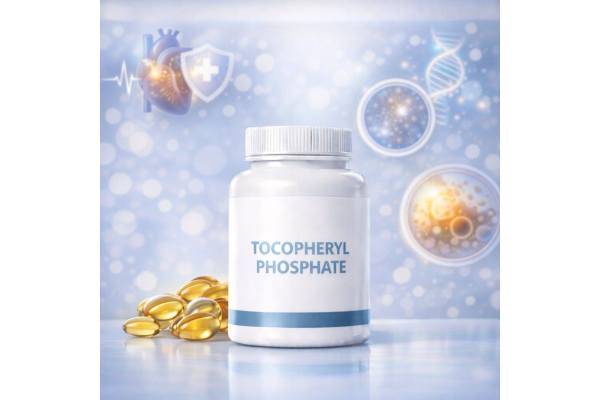
Tocopheryl phosphate is a newer, water-soluble form of vitamin E that has attracted attention in dermatology and cosmetic science. Unlike traditional fat-soluble vitamin E (tocopherol or tocopheryl acetate), tocopheryl phosphate is more stable in formulas and can interact differently with skin cells. It is often used in advanced serums, moisturizers, and sunscreens, especially for sensitive, acne-prone, or redness-prone skin.
Laboratory studies suggest that tocopheryl phosphate can act as an antioxidant, help calm inflammation, support the skin barrier, and enhance moisture retention by influencing ceramide production in the outer skin layer. It may also provide some protection against UV-induced damage when used alongside broad-spectrum sunscreen. At the same time, it appears to have a favorable safety profile in topical products when used at typical cosmetic concentrations.
This guide explains what tocopheryl phosphate is, how it works, common benefits, how to use it, typical concentration ranges, and possible side effects so you can decide whether it has a place in your skincare routine.
Key Insights
- Tocopheryl phosphate is a water-soluble vitamin E derivative used mainly in topical skincare for antioxidant and barrier-support benefits.
- It may help reduce inflammation, support ceramide production, and improve moisture retention and skin comfort.
- Leave-on skincare typically uses tocopheryl phosphate at around 0.5–3% of the formula, depending on product type and purpose.
- People with very sensitive, reactive, or disease-affected skin should introduce tocopheryl phosphate products slowly and patch test first.
- Anyone with a known allergy to vitamin E derivatives, or those on complex dermatologic or systemic treatments, should seek medical advice before use.
Table of Contents
- What is tocopheryl phosphate?
- Tocopheryl phosphate benefits for skin
- How to use tocopheryl phosphate products
- Tocopheryl phosphate dosage and concentrations
- Tocopheryl phosphate side effects and precautions
- Research on tocopheryl phosphate
What is tocopheryl phosphate?
Tocopheryl phosphate is a phosphorylated derivative of vitamin E (alpha-tocopherol). In simple terms, a phosphate group is attached to the vitamin E molecule. This change makes it significantly more water-dispersible and more stable in certain formulations than standard tocopherol, which is oil-soluble.
In skincare products you will often see related names on ingredient lists, such as:
- Sodium tocopheryl phosphate
- Potassium tocopheryl phosphate
- Alpha-tocopherol phosphate
- Mixed tocopheryl phosphates (sometimes marketed under trade names)
These salts or mixtures act as “pro-vitamin E” forms. Once applied to the skin, enzymes can gradually convert part of the tocopheryl phosphate back to active alpha-tocopherol within cells. At the same time, the phosphate form itself appears to have its own biological activities, especially around cell signaling and inflammation control.
Key properties that make tocopheryl phosphate attractive to formulators include:
- Water compatibility – easier to incorporate into gels, lotions, and serums without heavy oils.
- Stability – more resistant than plain tocopherol to oxidation in some formulations, especially at the water–oil interface.
- Gentle profile – designed for use on sensitive and stressed skin, often combined with other barrier-support ingredients like niacinamide or ceramides.
- Versatility – used in anti-aging products, calming serums, brightening formulas, and even some acne-or redness-focused products.
Because tocopheryl phosphate belongs to the vitamin E family, it is often marketed as “advanced vitamin E” or “water-soluble vitamin E.” However, it is not the same as the dietary vitamin E used in supplements. Its main use today is topical, within cosmetic and dermatologic products, rather than as an oral nutrient.
Tocopheryl phosphate benefits for skin
Most of what we know about tocopheryl phosphate comes from laboratory and preclinical work, along with experience from cosmetic use. The benefits below are best thought of as potential or supportive effects rather than guaranteed outcomes for every user.
1. Antioxidant support
Like other members of the vitamin E family, tocopheryl phosphate helps neutralize reactive oxygen species generated by UV exposure, pollution, and normal cellular metabolism. In cell and skin models, alpha-tocopherol phosphate can increase intracellular vitamin E levels and thereby strengthen antioxidant defenses.
Because it is more water-compatible than standard tocopherol, tocopheryl phosphate can localize at cell membranes and aqueous interfaces, giving formulators more flexibility in targeting where the antioxidant sits within a formula and, potentially, within the skin surface layers.
2. Anti-inflammatory and soothing actions
Several in vitro studies have found that sodium tocopheryl phosphate can reduce production of pro-inflammatory mediators in keratinocytes, the primary cells of the epidermis. This includes signals associated with UV-induced inflammation and irritation. In practical terms, this may translate into less redness, less post-sun tightness, and improved comfort when used within a broader photoprotection routine.
Some cosmetic brands also position tocopheryl phosphate for acne-prone or blemish-prone skin. The rationale is that by moderating inflammatory signaling in the follicle area and supporting the barrier, it may reduce some of the triggers that worsen breakouts. This is still a developing area with limited clinical data, so expectations should remain realistic.
3. Barrier and moisture support
In laboratory skin models, tocopheryl phosphate has been linked to increased ceramide production in the stratum corneum. Ceramides are crucial lipids that help maintain the skin’s barrier, reduce transepidermal water loss, and keep the surface smooth and supple.
Improved ceramide levels and more organized barrier lipids can:
- Enhance moisture retention
- Reduce feelings of dryness and roughness
- Improve resilience against irritants and environmental stressors
When combined with humectants (like glycerin and hyaluronic acid) and occlusives or emollients, tocopheryl phosphate can be part of a structured approach to rebuilding and maintaining a stronger barrier.
4. Photoprotective support (with sunscreen)
Tocopheryl phosphate is not a sunscreen and does not replace SPF. However, in cell and tissue studies, alpha-tocopherol phosphate has shown the ability to reduce UV-induced oxidative damage and certain markers of DNA or lipid damage when used before or after UV exposure, as part of a broader protection strategy.
In real-world terms, including tocopheryl phosphate in a daily routine alongside a broad-spectrum sunscreen may:
- Improve skin comfort after sun exposure
- Support defenses against free radicals generated by UV and visible light
- Help limit cumulative stress that contributes to premature skin aging
Again, this should be seen as a supportive layer rather than primary protection.
How to use tocopheryl phosphate products
Tocopheryl phosphate is most often found in leave-on skincare, either as the hero ingredient or as part of a broader complex. Common product types include:
- Hydrating serums and essences
- Barrier-repair moisturizers
- Anti-aging creams
- Brightening or tone-evening formulas
- Calming products for sensitive or redness-prone skin
- Some sunscreens and after-sun care products
Reading the ingredient list
On packaging, look for names such as:
- Sodium tocopheryl phosphate
- Potassium tocopheryl phosphate
- Alpha-tocopherol phosphate
- Mixed tocopheryl phosphates (sometimes under trade names)
It may not appear at the very top of the list, because effective concentrations often fall into the low single-digit percentage range.
Where to place it in your routine
A simple structure could be:
- Gentle cleanser
- Water-based toner or essence (if you use one)
- Serum containing tocopheryl phosphate (or moisturizer that includes it)
- Additional treatment (for example, retinoid) if tolerated and recommended
- Daytime: broad-spectrum sunscreen as the final step
If tocopheryl phosphate is in a dedicated serum, apply it after cleansing while skin is slightly damp. If it is in a cream or lotion, apply after lighter serums and before sunscreen in the morning, or as the last step at night (unless you use a separate occlusive).
Combining with other active ingredients
Tocopheryl phosphate is generally compatible with many common actives, including:
- Niacinamide
- Hyaluronic acid and other humectants
- Panthenol and allantoin
- Non-acidic antioxidants (for example, certain plant extracts)
- Peptides
Caution is sensible when layering it with multiple strong irritants, such as:
- High-strength retinoids
- Strong exfoliating acids (AHAs, BHAs, PHAs)
- High-percentage vitamin C derivatives
It does not automatically conflict with these ingredients, but if your routine already contains several potent actives, introduce any new product gradually to monitor your skin’s response.
Introducing tocopheryl phosphate safely
A practical approach:
- Start with once-daily use (evening is often easiest).
- After one week without irritation, you can increase to twice daily if desired and appropriate for your skin type.
- Always continue daily sunscreen; this is especially important if your routine includes exfoliating acids or retinoids.
- If you experience persistent stinging, burning, or worsening redness, stop use and consult a dermatologist or healthcare professional.
Tocopheryl phosphate dosage and concentrations
Unlike essential nutrients taken by mouth, tocopheryl phosphate does not have an established Recommended Dietary Allowance (RDA) or Tolerable Upper Intake Level specific to this form. Most discussion of “dosage” relates to cosmetic use levels in topical products.
Topical concentration ranges
Formulators typically work with tocopheryl phosphate at low to moderate percentages within a product, often in the range of:
- Around 0.2–0.5% in lighter, everyday moisturizers
- Around 0.5–3% in more targeted serums, treatment gels, or barrier-repair creams
- Sometimes higher in professional products or combined complexes, where the total blend of tocopheryl phosphates and related derivatives reaches the low single digits of the formula
These numbers refer to the weight percentage in the product, not a personal daily dose. Users do not need to calculate milligrams per application; instead, they follow the product’s directions and apply a thin, even layer to the face or body as recommended.
Oral intake considerations
At present, tocopheryl phosphate itself is not widely sold as an oral supplement for humans. Instead, standard vitamin E supplements usually contain alpha-tocopherol or tocopheryl acetate.
From a nutritional standpoint:
- General vitamin E recommendations for adults focus on alpha-tocopherol, often around 15 mg/day from diet and supplements combined.
- Many health authorities warn against long-term use of very high-dose vitamin E supplements because of potential bleeding risks and other adverse outcomes at high intakes.
Because tocopheryl phosphate has been studied primarily as a topical or experimental form of vitamin E, there is insufficient evidence to support an independent oral dosing guideline for the general public. Any oral product claiming to provide tocopheryl phosphate should be discussed with a qualified healthcare professional, especially if you already take multivitamins, vitamin E supplements, anticoagulant medications, or other fat-soluble vitamins.
Practical guidance for topical “dosing”
For everyday users, the focus should be on how the product is used rather than exact milligrams:
- Face serums and creams: typically a pea-sized amount for the entire face, applied once or twice daily.
- Neck and chest: an additional pea-sized amount if the product is suitable for these areas.
- Body lotions: use enough to lightly cover the area, but avoid rubbing vigorously on irritated or freshly shaved skin.
Using more product than directed does not necessarily give stronger benefits and may increase the risk of irritation or waste. Consistent use over weeks to months is more likely to make a difference than a very high dose applied sporadically.
When in doubt about dosing
If you are under the care of a dermatologist or another clinician for conditions such as eczema, rosacea, psoriasis, or chronic acne, always confirm how often and where to apply any tocopheryl phosphate product. They can help you integrate it with prescription medications, phototherapy, or other targeted treatments.
Tocopheryl phosphate side effects and precautions
Tocopheryl phosphate has generally shown a favorable safety profile in experimental safety testing and cosmetic use. Nonetheless, any active ingredient can cause side effects in some individuals, especially those with very sensitive or disease-affected skin.
Possible side effects
Reported or plausible side effects with topical products include:
- Mild stinging or burning on application, particularly on compromised or freshly exfoliated skin
- Localized redness or irritation
- Dryness or tightness if the formula contains other sensitizing ingredients (fragrance, high levels of certain alcohols, strong acids)
- Rare allergic or idiosyncratic reactions, potentially including itching, swelling, or small bumps
Severe reactions are uncommon but can occur. If you notice symptoms such as pronounced swelling, blistering, difficulty breathing, or widespread rash, seek urgent medical help.
Allergy and cross-reactivity
Some people are sensitive or allergic to vitamin E derivatives. Because tocopheryl phosphate is structurally related to alpha-tocopherol and other esters (like tocopheryl acetate), there is a theoretical risk of cross-reactivity.
You may be at higher risk for issues if:
- You have had a confirmed allergy patch test to tocopherol or other vitamin E esters.
- You have experienced consistent irritation or dermatitis with multiple vitamin E-rich products.
- You have very reactive, allergy-prone skin or a history of contact dermatitis to cosmetics.
In these cases, any new product containing tocopheryl phosphate should be introduced cautiously, ideally after discussing your history with a dermatologist.
Who should be particularly cautious
Extra care is appropriate for:
- Individuals with uncontrolled eczema, rosacea, or other inflammatory dermatoses
- Those using prescription topical treatments (retinoids, calcineurin inhibitors, strong corticosteroids)
- People on systemic medications that affect skin sensitivity or healing (for example, isotretinoin, some chemotherapies)
- Pregnant or breastfeeding individuals, where overall product use should be reviewed with a healthcare professional
While there is no strong evidence that topical tocopheryl phosphate is harmful in these groups, the skin can be more reactive, and patch testing or professional guidance is sensible.
Safe use practices
To reduce the risk of adverse effects:
- Patch test new products on a small area of the inner forearm or behind the ear for several days before applying to the face.
- Avoid using multiple new products at the same time; add them one by one so you can identify any trigger.
- Do not apply tocopheryl phosphate products directly over open wounds, infected areas, or severe active dermatitis unless advised by a clinician.
- Stop use and seek medical advice if you develop persistent irritation, new or worsening rash, or other concerning symptoms.
Because tocopheryl phosphate is usually one ingredient among many in a product, remember that reactions may be due to fragrance, preservatives, or other actives rather than the tocopheryl phosphate itself. Proper evaluation by a professional can help untangle this.
Research on tocopheryl phosphate
Tocopheryl phosphate lies at the intersection of basic vitamin E research and practical cosmetic science. It is less studied than standard alpha-tocopherol, but several lines of evidence help explain why it appears in advanced skincare formulations.
1. A natural and water-soluble vitamin E form
Research has identified alpha-tocopheryl phosphate as a minor but naturally occurring form of vitamin E in certain tissues and foods. It behaves as a water-dispersible molecule and can act as a “pro-vitamin,” being converted back into alpha-tocopherol inside cells. This dual identity—as both an active signaling molecule and a vitamin E precursor—has led to interest in its biological roles.
2. Anti-inflammatory and antioxidant activity in skin cells
Several laboratory studies in keratinocytes and skin models have shown that sodium tocopheryl phosphate can reduce production of inflammatory mediators when cells are exposed to UV light or pro-inflammatory stimuli. It has also been observed to inhibit certain oxidative processes and may help limit downstream damage to lipids and proteins within the skin environment.
These findings provide a mechanistic basis for using tocopheryl phosphate in products aimed at calming redness, improving comfort after UV exposure, or supporting sensitive skin.
3. Barrier and moisture effects via ceramides
In an experimental study, treatment with sodium tocopheryl phosphate increased ceramide levels in the stratum corneum and improved moisture-retaining ability in skin models. Ceramides are essential for maintaining a robust barrier and for preventing excessive water loss. This type of evidence aligns well with cosmetic positioning of tocopheryl phosphate as a barrier-support and hydrating ingredient.
4. Safety testing of mixed tocopheryl phosphates
A comprehensive safety assessment of mixed tocopheryl phosphates (formulations containing alpha-tocopheryl phosphate and related di-phosphates) has been performed in animals using oral, dermal, and ocular exposure models, along with mutagenicity and chromosomal tests. These studies did not reveal significant toxicity at doses relevant for product use, supporting the view that tocopheryl phosphate derivatives can be used safely when properly formulated.
Additionally, expert cosmetic safety panels have reviewed tocopherols, tocotrienols, and their esters, including phosphates, and concluded that they are safe as used in cosmetics when concentrations and product categories follow established guidelines.
5. Emerging photoprotection data
More recent work in human keratinocyte models has explored the photoprotective potential of alpha-tocopherol phosphate under UVA1 exposure. These studies report reductions in oxidative markers and support the idea that this form of vitamin E can help bolster the skin’s defense against certain types of UV-related damage when used alongside traditional photoprotection.
What this means for everyday users
Overall, the evidence suggests that:
- Tocopheryl phosphate is a biologically active vitamin E derivative with both antioxidant and signaling roles.
- It can support barrier function, moisture retention, and inflammatory balance in experimental models.
- Toxicology testing and expert reviews support its safe use in cosmetics at typical concentrations.
However, large, long-term clinical trials in humans using finished cosmetic products are still limited. For now, tocopheryl phosphate should be viewed as a promising, well-tolerated supportive ingredient within a broader skincare strategy that still relies on fundamentals: gentle cleansing, daily sunscreen, and treatment of any medical skin conditions under professional guidance.
References
- α-Tocopheryl phosphate: A novel, natural form of vitamin E 2005 (Experimental Study).
- Evaluation of the safety of mixed tocopheryl phosphates (MTP)—a formulation of α-tocopheryl phosphate plus α-di-tocopheryl phosphate 2006 (Toxicology Study).
- Sodium dl-α-tocopheryl-6-O-phosphate inhibits PGE₂ production in keratinocytes induced by UVB, IL-1β and peroxidants 2011 (Experimental Study).
- Improvement by sodium dl-α-tocopheryl-6-O-phosphate treatment of moisture-retaining ability in stratum corneum through increased ceramide levels 2012 (Experimental Study).
- The photoprotective properties of α-tocopherol phosphate in UVA1-irradiated human keratinocytes 2021 (Experimental Study).
Disclaimer
The information in this article is for general educational purposes only and is not a substitute for personalized medical advice, diagnosis, or treatment. Tocopheryl phosphate and other vitamin E derivatives should be used according to product directions and within the context of your overall health, medications, and skin conditions. Always consult a qualified healthcare professional or dermatologist before starting, stopping, or changing any skincare, supplement, or treatment regimen, especially if you are pregnant, breastfeeding, have chronic illnesses, are using prescription medications, or have a history of allergies or serious skin reactions. Never ignore professional medical advice or delay seeking it because of something you have read here.
If you found this guide helpful, please consider sharing it on Facebook, X (formerly Twitter), or any platform you prefer, and follow our work on social media. Your support in sharing our articles helps our team continue researching and producing high-quality, evidence-informed content.