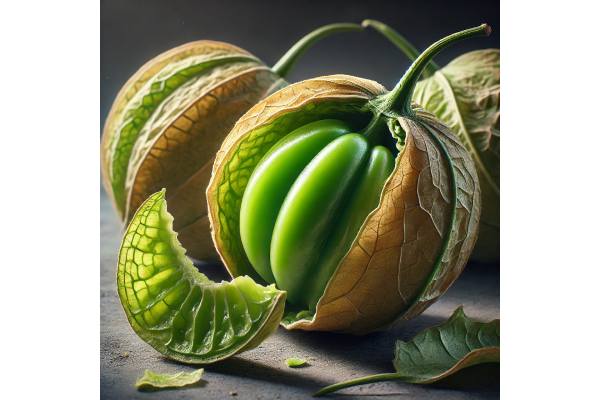
Bright, tart, and citrusy, tomatillos (Physalis philadelphica/ixocarpa) are the heart of salsa verde and a staple of Mexican and Central American cooking. Wrapped in a papery husk and coated with a natural sticky film, the fruit brings snap to stews, salsas, and braises while delivering low calories with useful amounts of vitamin C, potassium, and carotenoids—especially lutein and zeaxanthin. Tomatillos are harvested firm and green (some ripen to yellow or purple), hold their shape under heat, and char beautifully for smoky sauces. Beyond flavor, they are mostly water, modest in fiber, and naturally low in sodium. The edible fruit contains unique plant compounds such as withanolides and anti-inflammatory sucrose esters, which are being studied in the lab, while the inedible husks are best discarded or composted. In the guide below, you’ll find a clear nutrition breakdown per 100 g, balanced health takeaways with realistic expectations, safety notes, how to pick and store for top quality, and preparation methods that preserve color, texture, and nutrients—so you can use tomatillos confidently in everyday cooking.
Quick Overview
- Per 100 g: ~32 kcal, 5.9 g carbohydrate, 1.9 g fiber, 11.8 mg vitamin C (≈13% DV), and ~467 µg lutein plus zeaxanthin.
- Wash well and remove husks; the sticky film can trap dust and field residues; husks are not eaten.
- Typical serving: 100–150 g (≈3–5 small tomatillos), enjoyed 3–5 times per week within your fruit and vegetable quota.
- People with confirmed nightshade allergies, severe reflux, or potassium restrictions (advanced kidney disease) should individualize intake.
Table of Contents
- Tomatillo: Detailed Overview
- Tomatillo Nutrition Profile (per 100 g)
- Evidence-Based Benefits of Tomatillos
- Tomatillo Risks, Allergies and Interactions
- Selecting Quality, Sustainability and Storage
- Preparation, Cooking and Nutrient Retention
- Portions, Comparisons and FAQs on Tomatillos
Tomatillo: Detailed Overview
Tomatillos are small, firm fruits in the nightshade family (Solanaceae). They look like lanterns: a thin, parchment-like husk encloses the berry until harvest. Unlike “green tomatoes,” tomatillos are a different species altogether and remain pleasantly tart even when fully mature. Most are picked green for their bright, lemony bite; some cultivars ripen yellow or purple with a slightly sweeter profile.
From a cook’s perspective, tomatillos are versatile. Their pectin and low sugar help salsas set naturally without becoming cloying. The fruit stands up to roasting, broiling, grilling, and simmering; charring the skins concentrates sweetness and adds smoke. In salsas, the acidity cuts richness from meats and cheeses. In braises and stews, tomatillos tenderize proteins and round out heat from chiles. Raw, they bring crunch and citrus to chopped salads and ceviches. Because they are less watery than tomatoes, they reduce quickly to a thick sauce—handy for weeknight cooking.
Nutritionally, tomatillos provide modest energy and carbohydrates with useful micronutrients: vitamin C for collagen formation and antioxidant support; potassium for fluid balance; and carotenoids (notably lutein and zeaxanthin) linked with eye health. They also contain specialized plant molecules—including withanolides (a class of steroidal lactones) and distinctive sucrose esters concentrated in the surface coating—that are under active study in cell and animal models. Those findings are promising for inflammation and cellular pathways, but human trials with tomatillo fruit are limited, so expectations should be modest and food-first.
In the market, tomatillos are typically sold with husks attached. The papery outer layer protects the fruit but is not edible. Under the husk, a natural tacky coating helps defend the plant; it washes away easily. That coating can collect dust in transit, so a quick rinse (or brief soak and rub) before cooking is best practice. Seasonally, tomatillos peak from late summer into fall, but availability is often year-round in larger groceries. They’re a good “flavor multiplier” to keep on hand: compact, affordable, and unfussy to prep.
Bottom line: tomatillos earn their keep by delivering acidity, body, and aroma without many calories. Use them to brighten sauces, balance spicy dishes, and add pop to roasted vegetables, grain bowls, and tacos—while picking up small but meaningful amounts of vitamin C, potassium, and eye-focused carotenoids.
Tomatillo Nutrition Profile (per 100 g)
How to read this section: All values are for raw tomatillos (fruit only, husk removed), per 100 g. %DV uses adult Daily Values for a 2,000 kcal diet. Ranges reflect natural variation by cultivar and ripeness.
Macros and Electrolytes
| Nutrient | Amount (per 100 g) | %DV |
|---|---|---|
| Energy | 32 kcal | — |
| Water | 91.8 g | — |
| Carbohydrate | 5.88 g | — |
| Dietary Fiber | 1.9 g | 7% |
| Total Sugars | 3.82 g | — |
| Protein | 1.0 g | — |
| Total Fat | 1.03 g | — |
| Sodium | 1 mg | 0% |
| Potassium | 268 mg | 6% |
Carbohydrates
| Component | Amount | %DV |
|---|---|---|
| Starch | 0.0 g | — |
| Total Sugars | 3.82 g | — |
| Fiber | 1.9 g | 7% |
Fats and Fatty Acids
| Component | Amount | %DV |
|---|---|---|
| Saturated Fat | 0.15 g | — |
| Monounsaturated Fat | 0.46 g | — |
| Polyunsaturated Fat | 0.42 g | — |
| Omega-3 (ALA) | 0.015 g | — |
| Omega-6 (Linoleic) | 0.40 g | — |
Vitamins
| Vitamin | Amount | %DV |
|---|---|---|
| Vitamin C | 11.8 mg | 13% |
| Niacin (Vitamin B3) | 1.85 mg | 12% |
| Vitamin K | 10 µg | 8% |
| Vitamin E | 0.38 mg | 3% |
| Vitamin B6 (Pyridoxine) | 0.06 mg | 3% |
| Vitamin B1 (Thiamin) | 0.03 mg | 2% |
| Vitamin B2 (Riboflavin) | 0.03 mg | 2% |
| Folate (DFE) | 7 µg | 2% |
| Vitamin A (RAE) | 6 µg | 1% |
| Choline | 7.6 mg | 1% |
Minerals
| Mineral | Amount | %DV |
|---|---|---|
| Magnesium | 20 mg | 5% |
| Potassium | 268 mg | 6% |
| Phosphorus | 39 mg | 3% |
| Iron | 0.62 mg | 3% |
| Manganese | 0.15 mg | 6% |
| Copper | 0.09 mg | 10% |
| Calcium | 7 mg | 1% |
| Zinc | 0.10 mg | 2% |
Bioactives / Phytonutrients (indicative values; vary by variety and growing conditions)
| Compound | Amount (per 100 g) | Notes |
|---|---|---|
| Lutein + Zeaxanthin | ~467 µg | Xanthophyll carotenoids concentrated in green produce. |
| Withanolides (e.g., ixocarpalactone A) | — | Steroidal lactones studied in vitro for cellular effects. |
| Sucrose esters (surface coating) | — | Natural compounds with anti-inflammatory activity in lab assays. |
Glycemic & Acid–Base Metrics
| Metric | Value | Interpretation |
|---|---|---|
| Glycemic Index (GI) | Not established | Low-carb portion suggests a low glycemic impact. |
| Net Carbohydrate (100 g) | ~4.0 g | Fiber reduces effective carbs. |
| PRAL (100 g) | ≈ −4.3 | Slightly alkaline-forming load. |
Footnotes: Values reflect raw, unfortified fruit. Jarred or canned tomatillo products (salsa verde, enchilada sauce) often include added sodium and may contain stabilizers such as calcium chloride—check labels if you monitor sodium or additives.
Evidence-Based Benefits of Tomatillos
1) Flavor-forward, low-calorie way to improve diet quality
At ~32 kcal per 100 g, tomatillos let you add a bold, bright flavor without adding many calories. That encourages eating more vegetables, legumes, and lean proteins—an approach repeatedly linked with better weight and metabolic outcomes. Because the fruit contains natural pectin and less water than tomatoes, a small amount thickens sauces, which helps vegetables and lean meats feel satisfying without cream or added sugars.
2) Vitamin C for collagen, iron absorption, and antioxidant support
A 100 g portion supplies about 12% of the daily target for vitamin C. Vitamin C is a cofactor for collagen-building enzymes (skin, gums, tendons) and supports immune cell function. It also boosts non-heme iron absorption from beans and greens—useful when you build plant-forward meals like black bean enchiladas or pozole with hominy and tomatillo broth.
3) Eye-focused carotenoids: lutein and zeaxanthin
Tomatillos contribute a meaningful dose of lutein and zeaxanthin—carotenoids concentrated in the macula of the eye. Diets that include xanthophyll-rich foods are associated with better macular pigment density and may support visual performance with age. While leafy greens are top sources, tomatillos help widen your menu: roasted salsa verde over eggs, or chopped raw tomatillos in corn and avocado salad.
4) Potassium and low sodium to balance meals
With ≈268 mg of potassium per 100 g and virtually no sodium, tomatillos fit patterns that favor potassium-rich, lower-sodium foods. That combination supports healthy fluid balance and blood-pressure-friendly eating when substituted for high-sodium condiments. Swapping a half-cup of jarred, salty sauce for a quick blender salsa from roasted tomatillos, onion, and cilantro is a practical upgrade.
5) Emerging bioactives under study
The edible fruit contains withanolides (such as ixocarpalactone A) and the skin carries a distinctive sticky coating with sucrose esters. In cell and animal studies, these compounds have shown anti-proliferative and anti-inflammatory actions. These are laboratory findings—not clinical endpoints—so treat them as interesting extras rather than reasons to dose up. The take-home is simple: using tomatillos as part of a diverse plant-rich pattern exposes you to a broader set of phytochemicals than tomatoes alone.
6) Digestive and culinary versatility supports adherence
Because tomatillos can be eaten raw or cooked, mild or spicy, they adapt to many styles: spoon salsa verde over grilled fish, fold chopped tomatillos into cabbage slaw for tacos, or simmer them with chicken and hominy for a comforting stew. Foods you enjoy are the ones you’ll keep eating—the real driver of long-term dietary change.
Practical expectation: Tomatillos can improve meals you already love—more flavor, more produce, fewer empty calories. Their nutrients and phytonutrients contribute to overall patterns associated with cardiovascular, visual, and metabolic health, but they’re not a stand-alone therapy.
Tomatillo Risks, Allergies and Interactions
Allergy and intolerance
True allergy to tomatillo is rare, but it is a nightshade, like tomato and eggplant. People with confirmed nightshade allergy should seek personalized advice before adding tomatillos. Nonspecific reactions (mouth itch, mild hives) warrant medical assessment. For children trying tomatillos for the first time, offer small, well-rinsed pieces and observe as you would with any new food.
Acidity, reflux, and sensitive teeth
Tomatillos are pleasantly tart. If you experience reflux or acid sensitivity, keep portions moderate, pair with less-acidic foods (avocado, beans, tortillas), and avoid late-night, spicy meals. Rinsing your mouth with plain water after acidic foods helps protect enamel; wait ~30 minutes before brushing.
Husks are inedible; wash off the sticky coating
The papery husk and the sticky surface film are not for eating. Remove the husk, rinse thoroughly under running water, and rub the fruit to remove the tacky layer, which can trap field dust or residues. Dry before chopping or roasting to promote even browning.
Medication interactions
Tomatillos are not grapefruit, and they are not known for clinically relevant drug–food interactions. If you take medications with strict dietary cautions, follow the label and your clinician’s guidance. As always, be cautious with concentrated extracts marketed from unrelated plants (e.g., herbal withanolide supplements); this article covers the whole food, not supplements.
Kidney and metabolic considerations
Per 100 g, tomatillos provide ~268 mg potassium. Most people benefit from more potassium; however, if you have advanced chronic kidney disease or take medications that limit potassium excretion, include tomatillos within your individualized potassium targets. For diabetes management, a typical 100 g portion provides ≈6 g carbohydrate with ≈2 g fiber—generally a low glycemic load—especially when eaten with protein or fat.
Food safety
Rinse under running water before cutting, even if you plan to roast. Use separate boards for raw meat and ready-to-eat produce. Refrigerate leftovers promptly and consume cut tomatillos within 2–3 days.
Bottom line on safety: For most people, well-rinsed, husk-removed tomatillos are safe everyday ingredients. Those with nightshade allergy, severe reflux, or potassium-restricted diets should individualize intake.
Selecting Quality, Sustainability and Storage
How to choose the best tomatillos
- Husk: Look for husks that cover the fruit and feel papery-dry, intact, and light tan to pale green. Avoid husks that are slimy, torn, or moldy.
- Fruit feel: The berry underneath should feel firm and heavy for its size, filling the husk well.
- Color and aroma: Green fruits yield the brightest tang; yellowing fruits are sweeter. A fresh, green, slightly herbal scent is a good sign.
- Size: Smaller fruits (golf-ball to plum sized) tend to be zestier; larger fruits can be slightly milder. Choose by your sauce style.
Seasonality and sourcing
- Peak: Late summer through fall in many regions, with year-round availability in larger markets.
- Regional varieties: Common cultivars include ‘Toma Verde’ (dependable, classic tartness) and purple types (slightly fruitier).
- Sustainability tips: Buy in season, handle gently to prevent waste, and plan meals that use whole quantities (e.g., batch-roast a tray for sauces and freeze portions).
Storage and shelf life
- At room temperature (short term): A few days if husks are dry and intact. Keep loose with airflow; avoid sealed plastic on the counter.
- Refrigerator: 1–2 weeks in the crisper. Store in a breathable produce bag or paper bag. Remove husks shortly before use for best flavor, or husk and refrigerate in a container lined with a dry towel for up to a week.
- Freezing: Best after roasting or blanching. Roast, cool, and pack in freezer bags; or dice raw, quick-freeze on a tray, then store up to 6–8 months for sauces and soups.
- Canning: Tomatillo salsas are commonly water-bath canned due to natural acidity; follow a tested recipe to ensure safe pH.
Low-waste ideas
- Use-it-all cooking: Zest-like flavor lives in the skins: roasting whole and then blending captures aroma.
- Compost wisely: Papery husks and stems are great for compost; they’re not for stock or tea.
- Batch prep: Roast extras while the oven is on; portion into small containers to reduce spoilage.
Label literacy for convenience products
- Jarred salsa verde and bottled enchilada sauce vary widely in sodium (often >300 mg per 2 tbsp). If you’re watching salt, compare labels or make your own with roasted tomatillos, onion, chiles, and lime.
Preparation, Cooking and Nutrient Retention
Prep essentials (quick method)
- Peel off husks and discard.
- Rinse under running water and rub to remove the sticky coating; dry well.
- Trim the stem scar. Leave whole for roasting, or quarter for faster softening.
Cooking techniques and when to use them
- Roasting/broiling: High heat (230–245°C / 450–475°F) for 10–15 minutes until blistered. Concentrates flavor and natural pectin for thick sauces. Minimal added water helps preserve water-soluble nutrients.
- Grilling: Skewer or grill-pan until charred in spots. Adds smoke for salsas and marinades.
- Simmering: For soups and stews; cook just until they slump and turn olive-green. Over-boiling can mute brightness.
- Raw applications: Dice finely for salads, pico-style salsas, and slaws; this preserves vitamin C best.
- Blending: Combine roasted tomatillos with a small onion, garlic, cilantro, a jalapeño or serrano, and a pinch of salt for a classic salsa verde in minutes.
Retention tips
- Cut right before use to limit vitamin C loss to air.
- Prefer quick, high-heat methods (roasting, broiling) over long simmering to retain more vitamin C and texture.
- Add acids at the end (lime, vinegar) to fine-tune brightness without prolonged acid exposure during cooking.
- Include healthy fats (avocado, olive oil, pumpkin seeds) to aid absorption of fat-soluble carotenoids like lutein and zeaxanthin.
Three fast ideas
- Sheet-pan salsa verde: Roast tomatillos, onion wedges, and chiles; blend with cilantro and a splash of lime.
- Tomatillo-chicken stew: Brown chicken, add tomatillos, garlic, oregano, and stock; simmer until tender; finish with fresh cilantro.
- Crunchy raw topper: Toss diced tomatillos with cucumber, radish, jalapeño, and a pinch of salt for a fresh taco garnish.
Food safety checkpoints
- Rinse whole fruits before cutting or roasting.
- Use clean knives and boards; refrigerate leftovers promptly.
- If a tomatillo smells fermented or shows widespread mold, discard.
Portions, Comparisons and FAQs on Tomatillos
Practical portions
- Everyday serving: 100–150 g (≈3–5 small fruits), raw or cooked.
- Athletes: 150–200 g with a carbohydrate-focused meal after training to add flavor and fluids with minimal calories.
- Children: Start with small, well-rinsed pieces; many kids accept tomatillos in mild salsas.
- Diabetes planning: Count ≈6 g carbohydrate per 100 g and pair with protein or fat for a low glycemic impact.
Comparisons
- Tomatillo vs tomato: Tomatillos are tarter, less sweet, and slightly higher in niacin per 100 g, with more lutein/zeaxanthin. Tomatoes bring lycopene (especially when red and cooked). Use both for complementary carotenoids.
- Tomatillo vs green tomato: Green tomatoes are unripe tomatoes with more tomatine (a glycoalkaloid) and a firmer bite. Tomatillos are a separate species, naturally tart, and less watery—better for quick thick sauces.
- Tomatillo vs cape gooseberry (goldenberry): Both are Physalis species with husks, but goldenberries are orange, sweet-tart, and eaten mostly raw; tomatillos are green and used more in savory dishes.
- Fresh vs jarred salsa verde: Fresh, homemade versions can be far lower in sodium and free of stabilizers; jarred versions trade convenience for longer shelf life and often higher salt.
FAQs
Are raw tomatillos safe to eat?
Yes—after removing the husk and washing off the sticky film. They taste crisp and tart raw.
Why are tomatillos sticky?
A natural sucrose-ester-rich coating protects the fruit. It’s harmless when rinsed away and contributes to the characteristic aroma after roasting.
How many tomatillos do I need for salsa for four people?
Plan on ~500 g (about 1 lb), which yields 2–3 cups of salsa depending on add-ins.
Do tomatillos cause reflux?
Acidity can trigger reflux in sensitive people. Start with small portions, avoid late meals, and pair with less-acidic foods.
Can I freeze them raw?
Yes. Dice, freeze on a tray, and bag. Texture softens on thawing—best for sauces, not salads.
How often should I eat them?
Enjoy 3–5 times weekly as part of your vegetable rotation, or more if they help you eat a higher-produce, lower-sodium diet overall.
References
- Nutrition Facts for Tomatillos 2025 (Database Summary)
- Tomatillos – SNAP-Ed Connection 2024 (Guidance)
- New antiinflammatory sucrose esters in the natural sticky coating of tomatillo (Physalis philadelphica), an important culinary fruit 2016
- Ixocarpalactone A isolated from the Mexican tomatillo shows potent antiproliferative and apoptotic activity in colon cancer cells 2006
- Recent Advances in the Chemistry and Therapeutic Evaluation of Naturally Occurring and Synthetic Withanolides 2022 (Systematic Review)
Medical Disclaimer
This guide is for general education about tomatillos. It does not replace personalized medical advice, diagnosis, or treatment. Nutrition needs and risks vary by individual. If you have food allergies, chronic reflux, kidney disease, or take medications with dietary cautions, consult your healthcare professional before making significant dietary changes. Seek urgent care for signs of severe allergic reaction such as hives, swelling, or breathing difficulty.
If this article helped you, please consider sharing it on Facebook, X, or any platform you prefer. Your support helps us continue producing clear, practical nutrition resources.